Image credit: NASA
Image source: DVIDS
Image credit: NASA
Image source: DVIDS
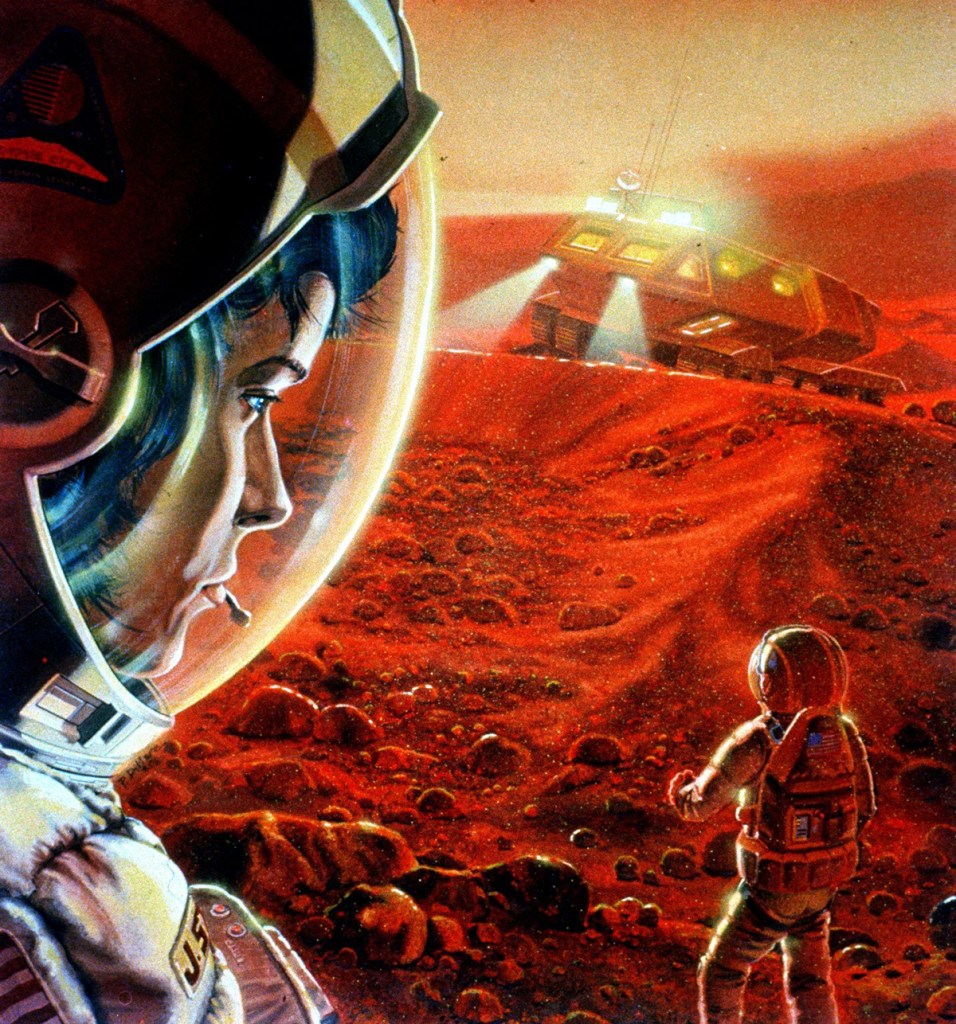
S89-25056 (January 1989) — This is an artist’s concept depicting a possible scene of astronauts walking on Mars during a dust storm. The artwork was part of a NASA new initiatives study which surveyed possible future manned planetary expeditionary activity. Scientists and researchers involved in the study, realizing that a hostile environment will confront long-distance space travelers, note the requirement of highly specialized technologies and systems, e.g., the durable type suits, depicted here, for protection against the dust storm. This painting was done by Paul DiMare.
NASA Identifier: HSF-photo-s89_25056
Image credit: NASA
Image source: DVIDS
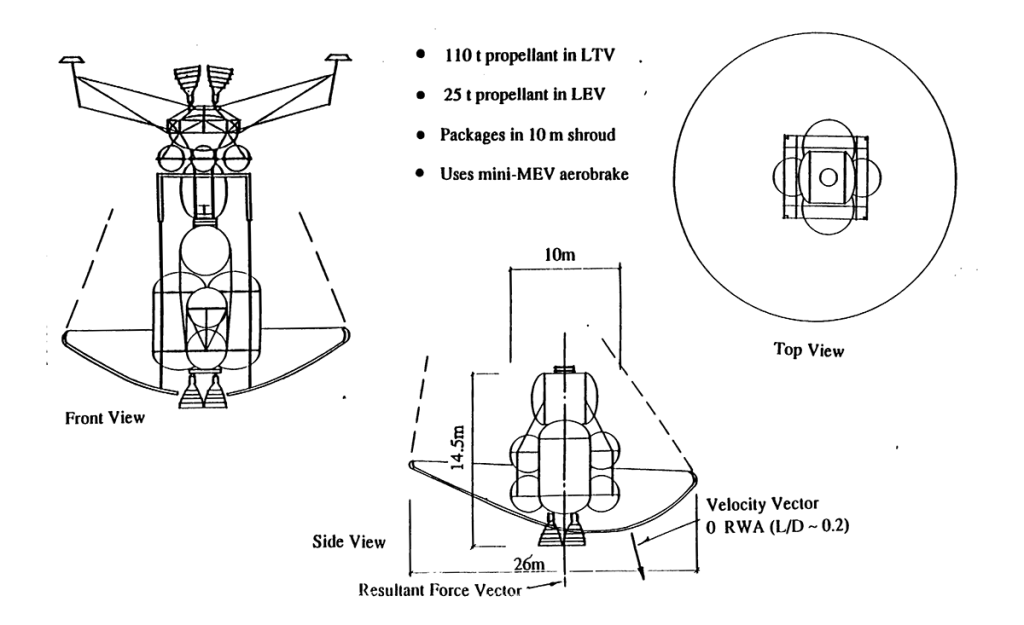
LTV/LEV Configuration
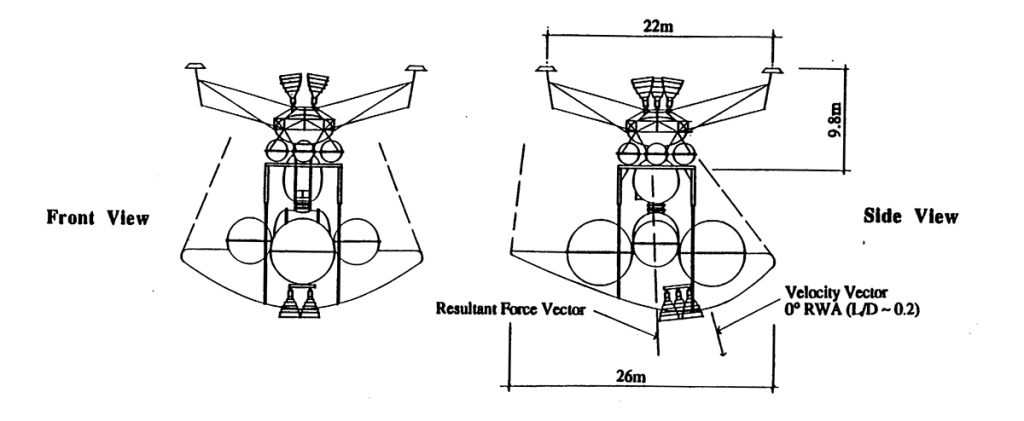
LEV Surface Configuration
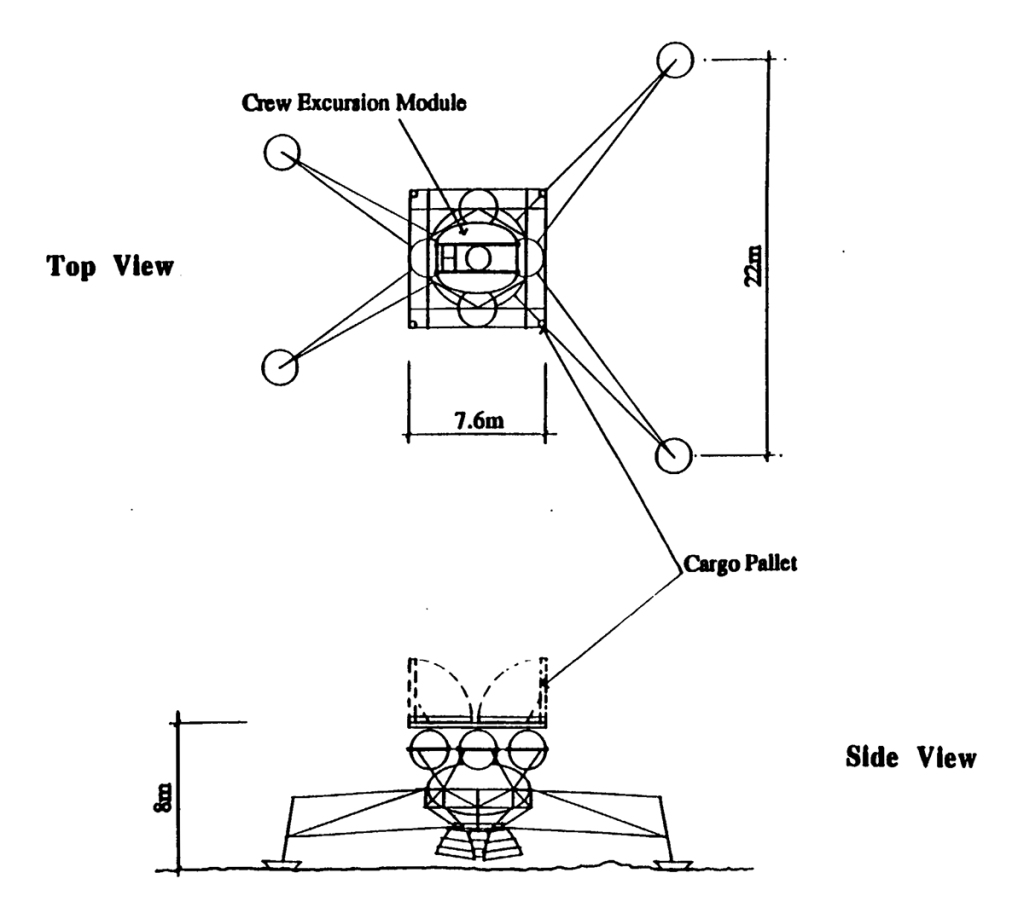
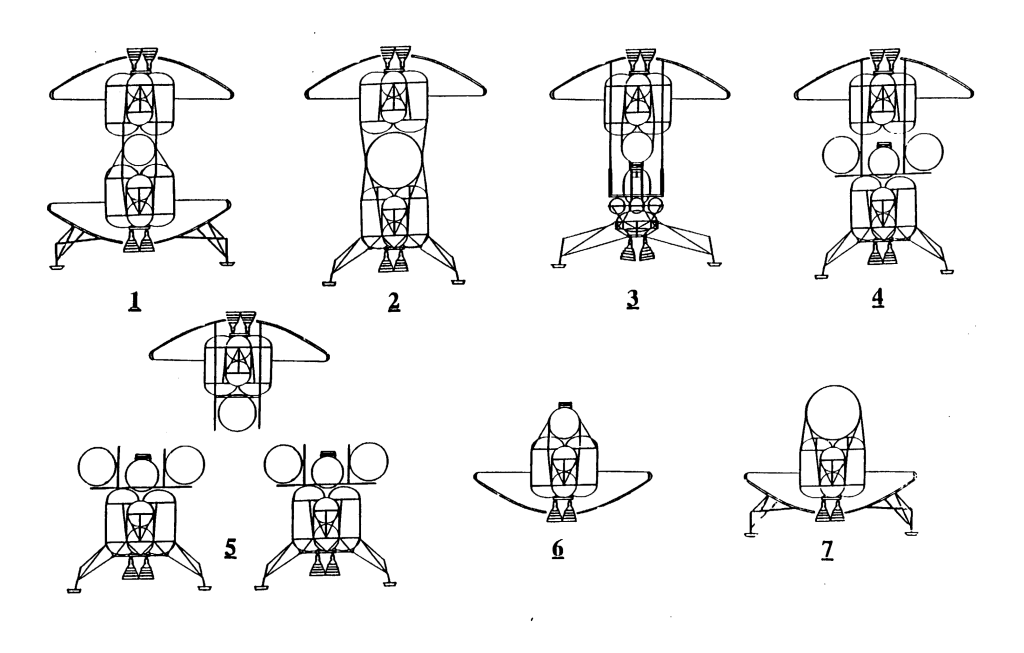
Lunar Vehicle Configurations
LEV/LTV Configuration
Lunar Family Configuration (1)
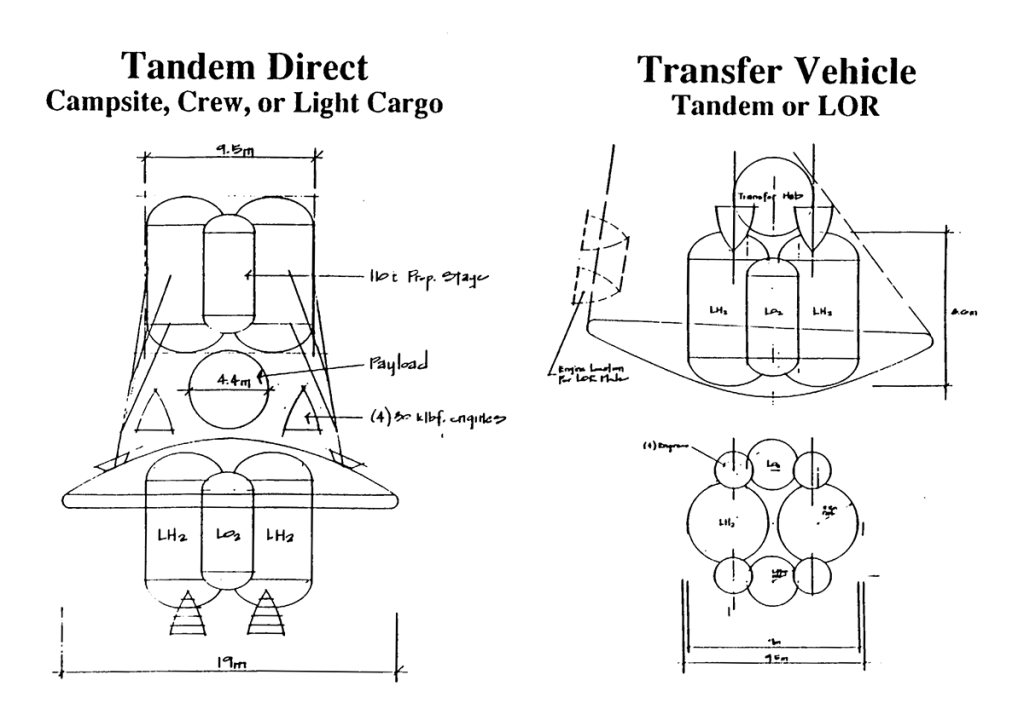
Lunar Family Configuration (2)
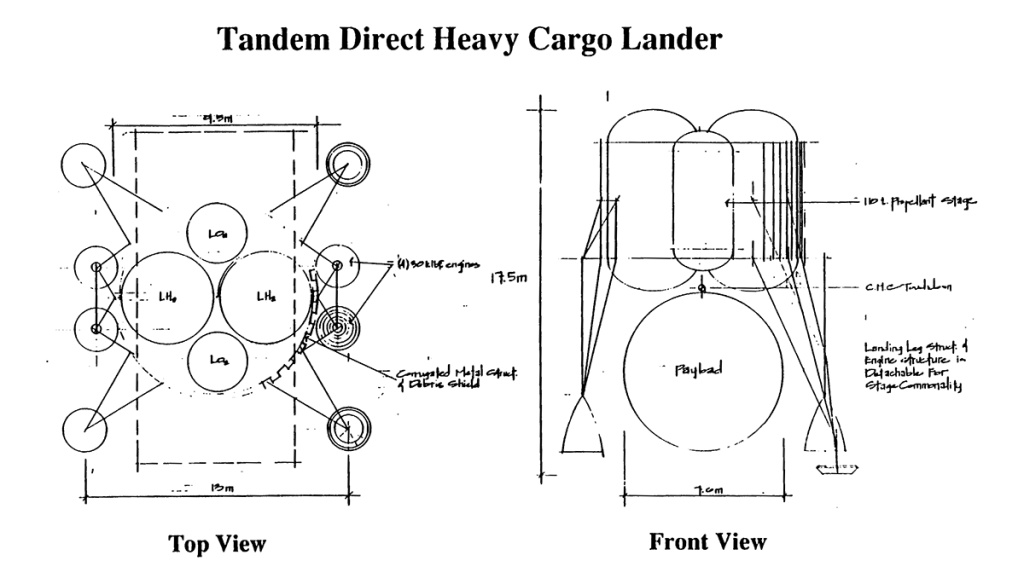
Lunar Family Configuration (3)
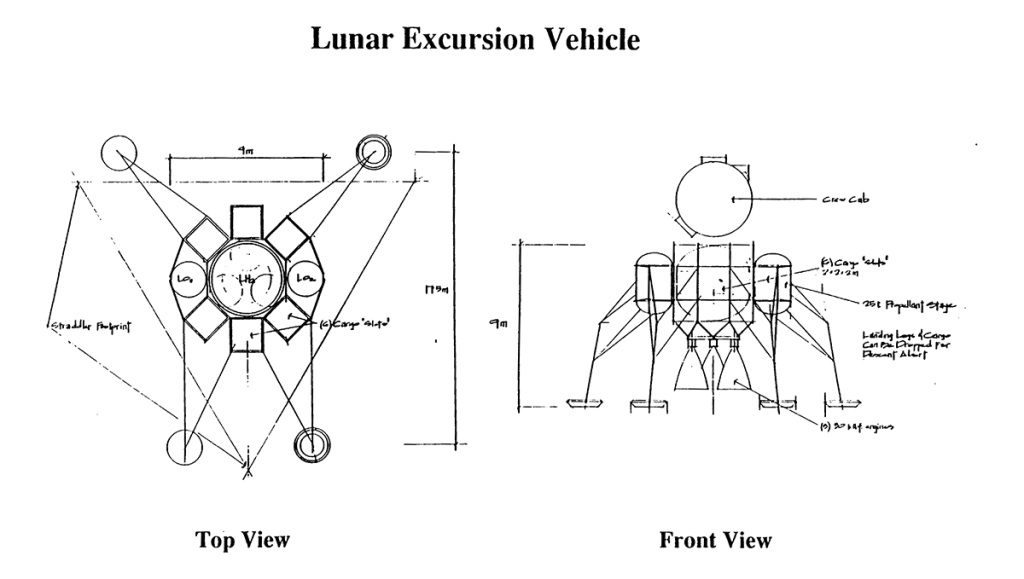
Image credit: Boeing
File source: NASA NTRS

Image credit: NASA
Image source: DVIDS
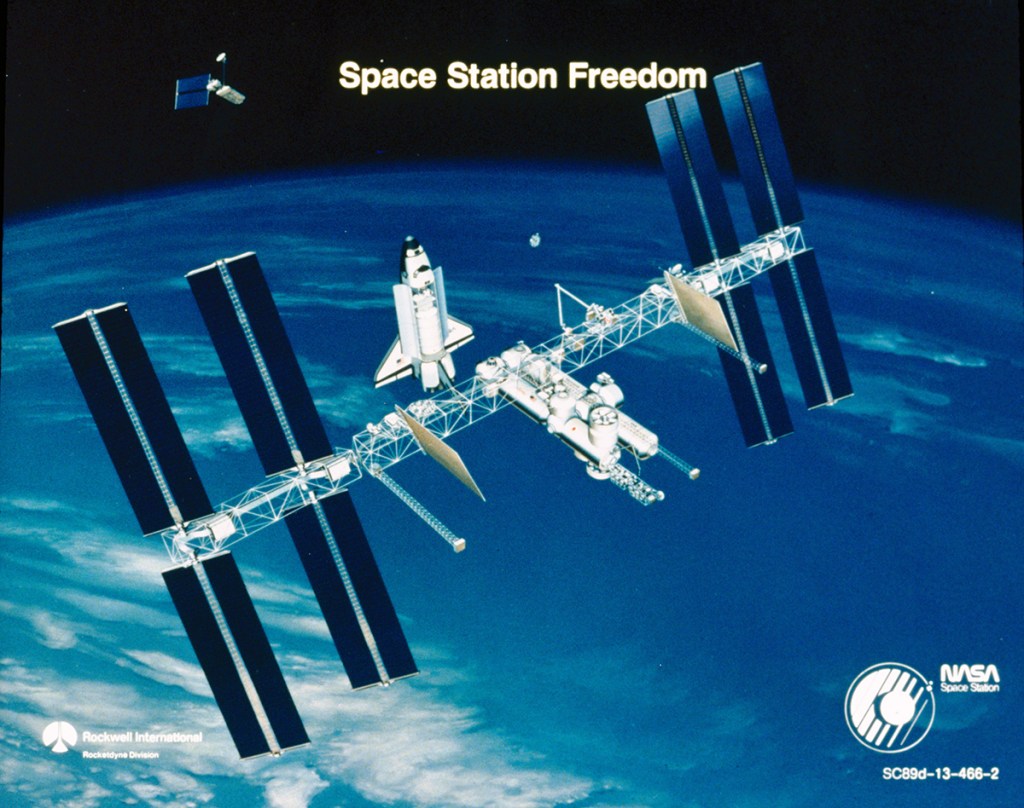
Image credit: Rockwell International
Image source: National Archives
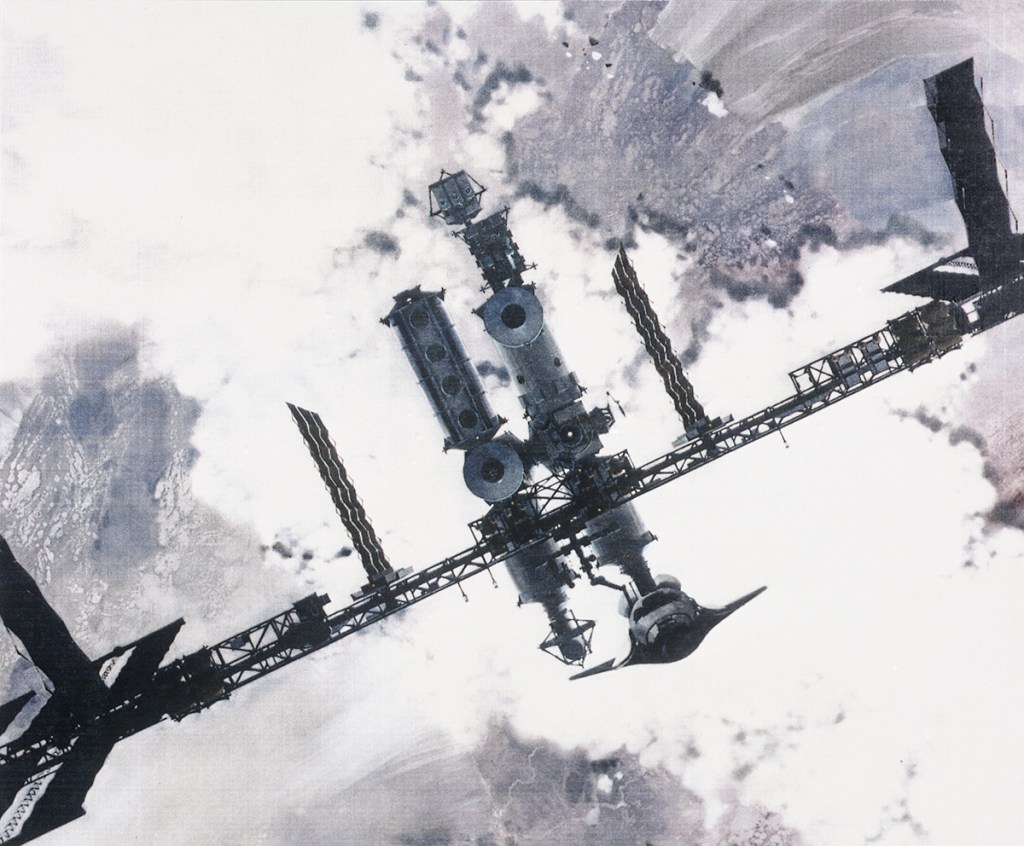
Image credit: NASA LRC
Image source: National Archives
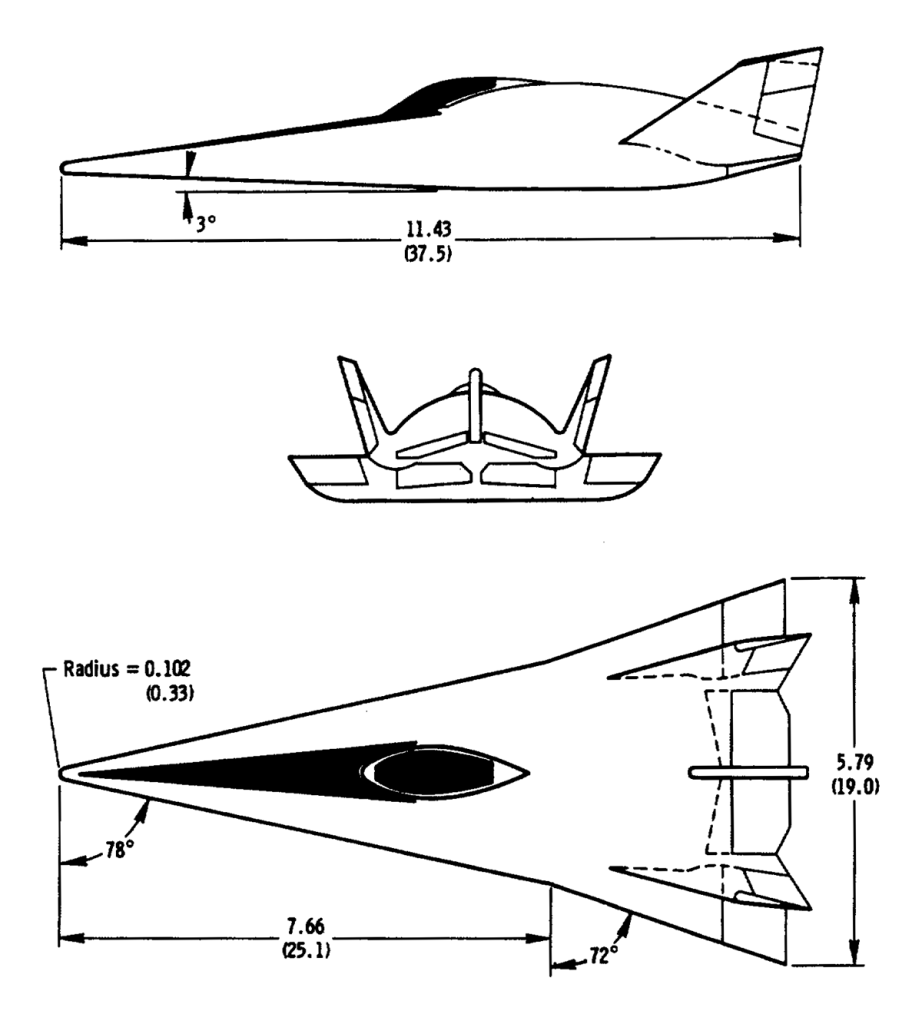
X-24B research aircraft dimensions (in meters(feet)).
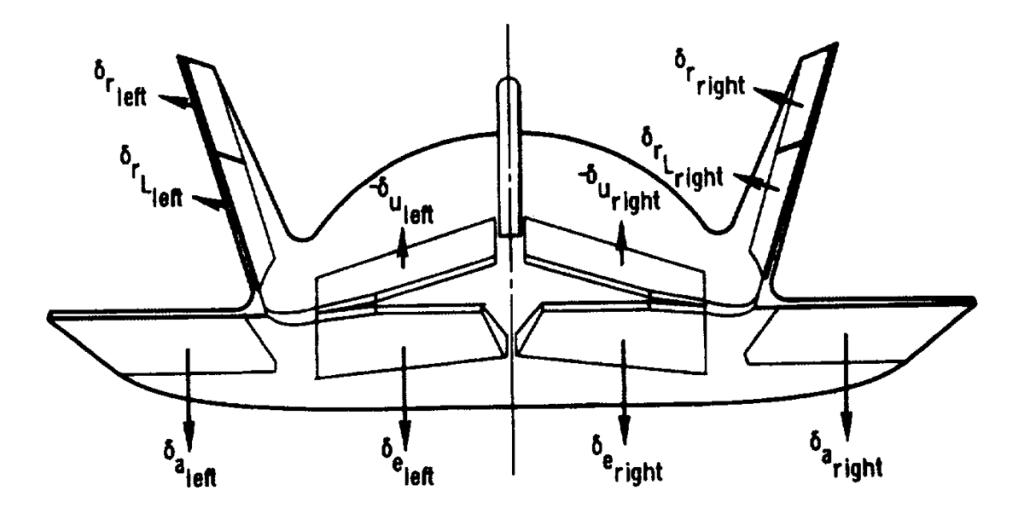
Control surface location and sign convention.
Image credit: Martin Marietta
File source: NASA NTRS
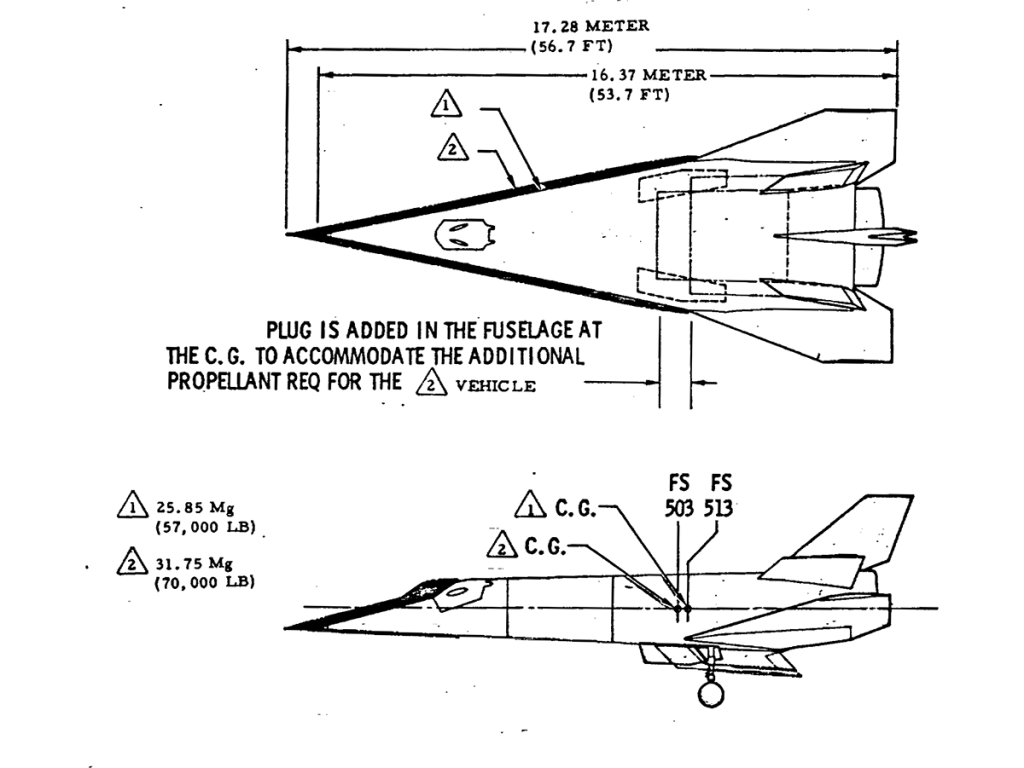
Baseline Vehicle Sizing
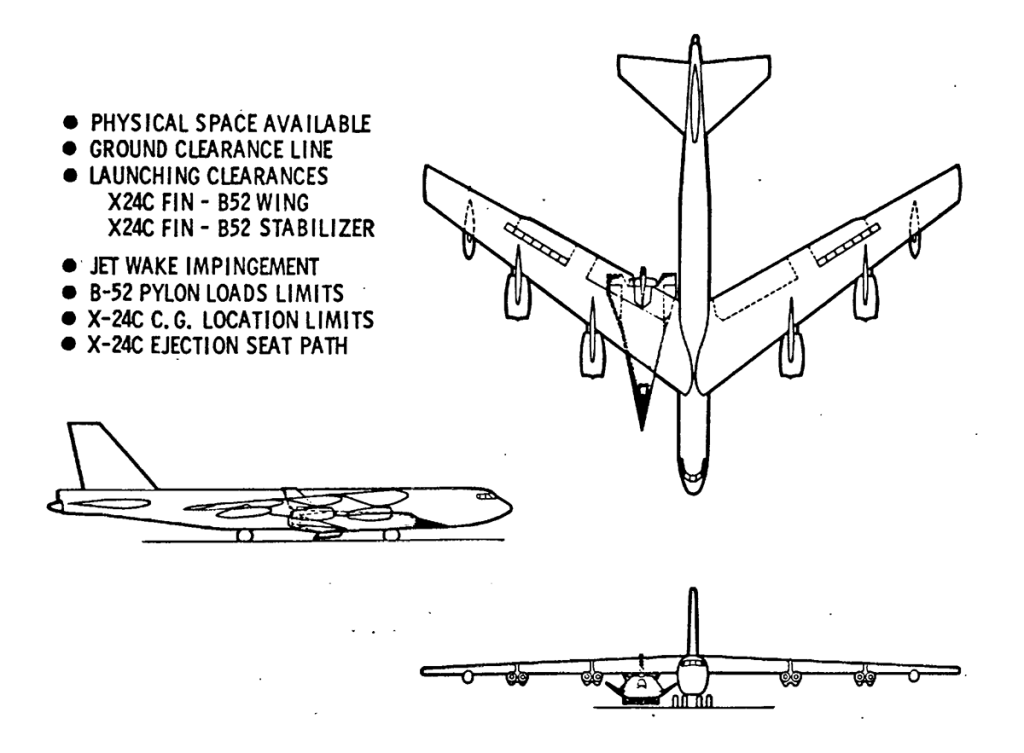
B-52 Clearances and Constraints
B-52 Clearances and Constraints
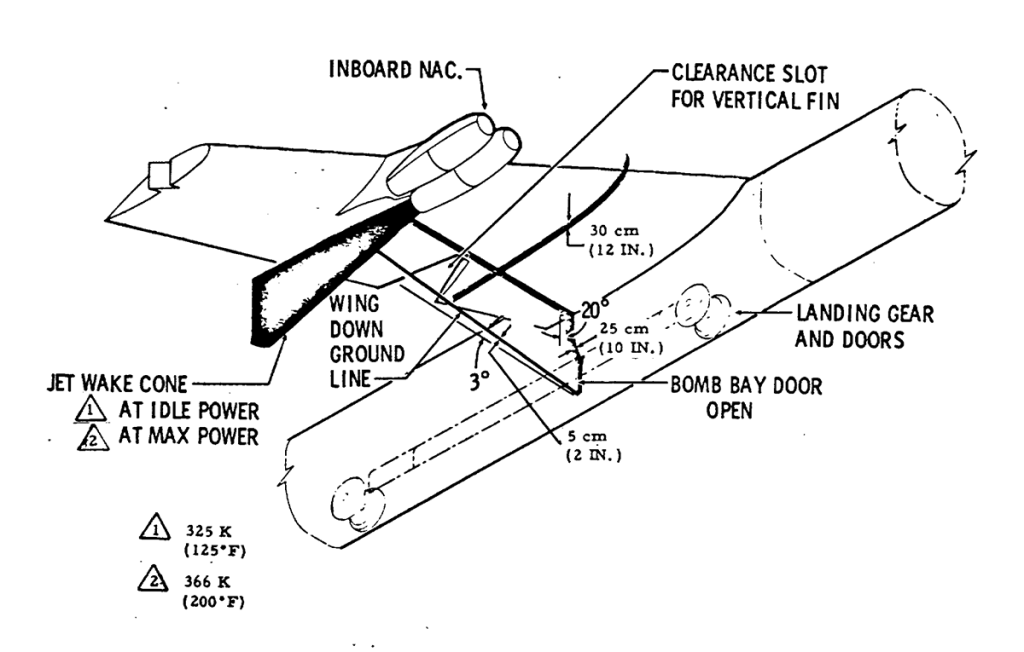
B-52 Constraints Physical Space Available
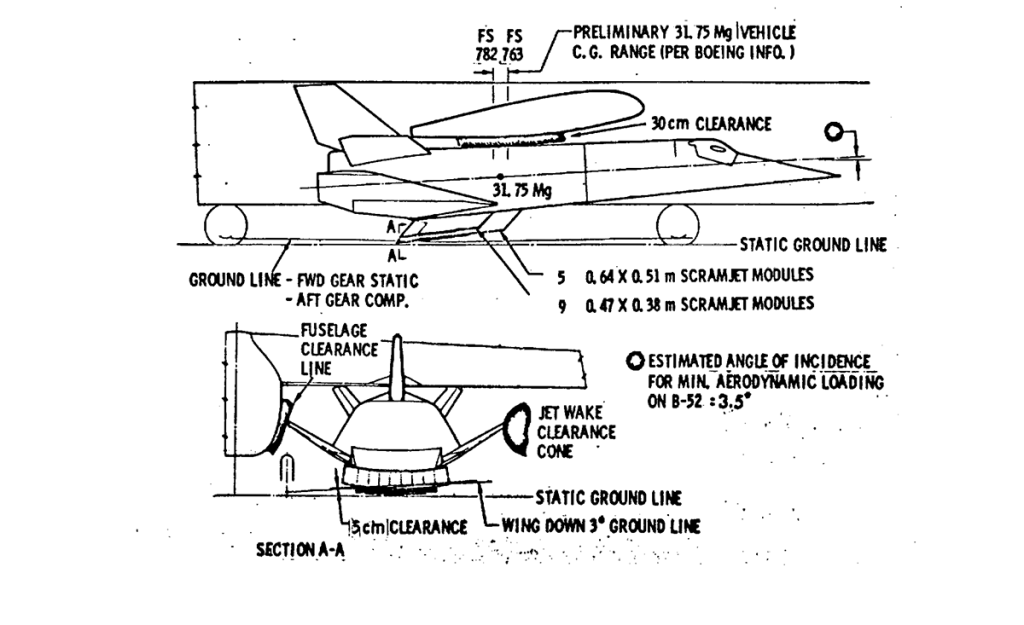
X-24C/B-52 Interface
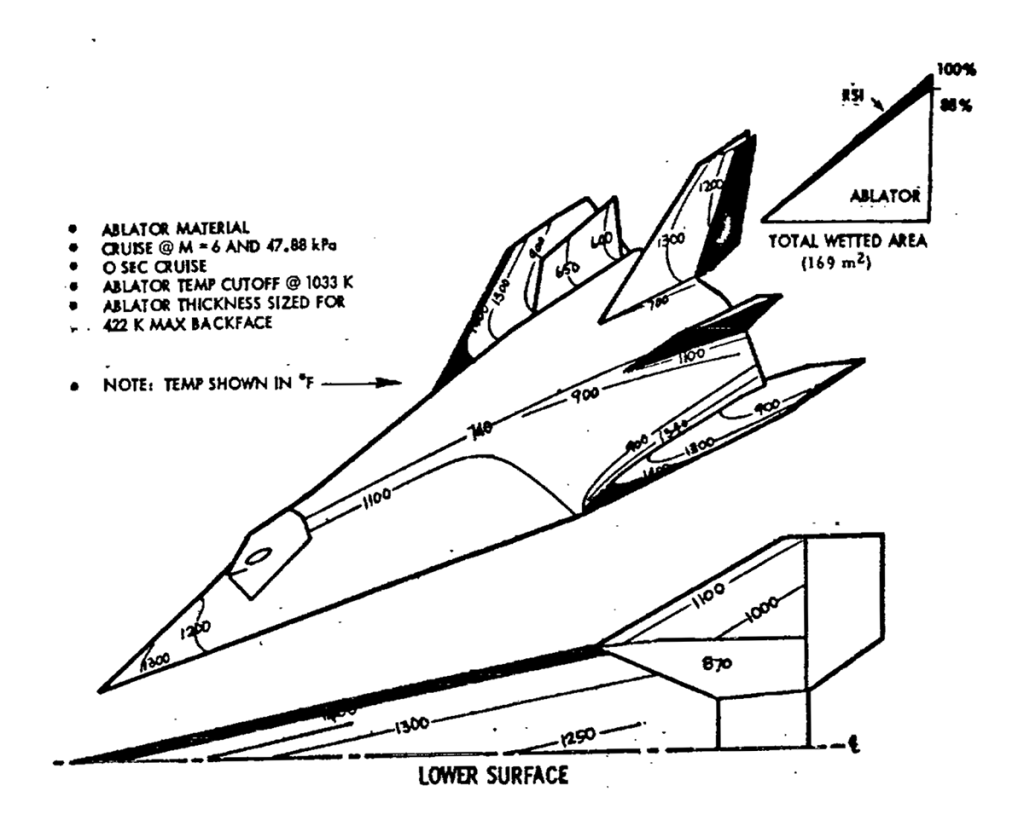
Ablator Surface Area – Mach 6/1033K
Image credit: Lockheed Martin
File source: NASA NTRS
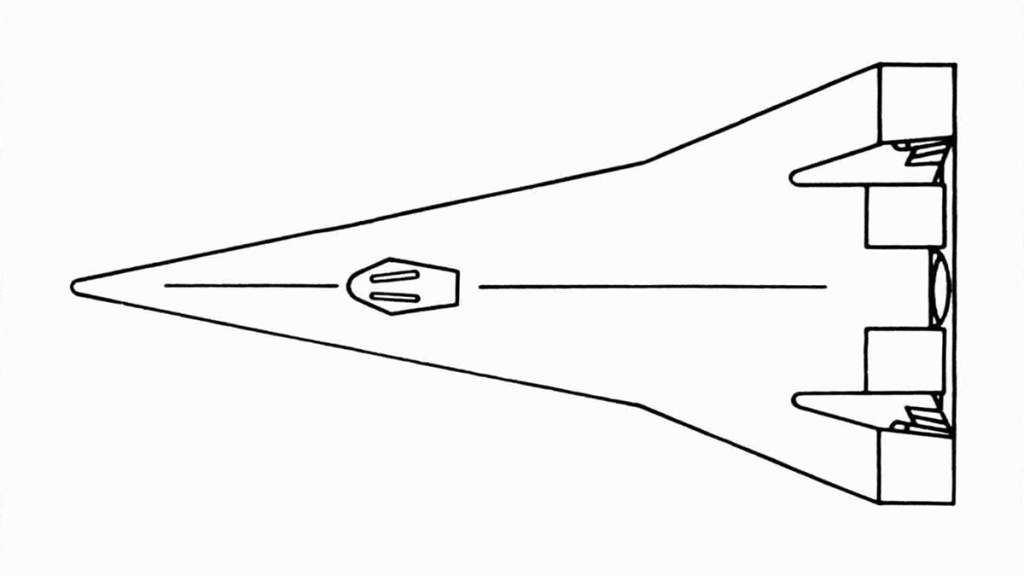
Image credit: Martin Marietta
File source: NASA NTRS
If you were lucky enough to attend the New York 1964 World’s Fair, one of the treats was a documentary film presentation at the Science Pavilion. Rendezvous in Space, a film about the future of space exploration was directed by Frank Capra, and features a cast of notable Hollywood voice actors including Mel Blanc, June Foray, and Alan Reed. You can watch the complete film here.
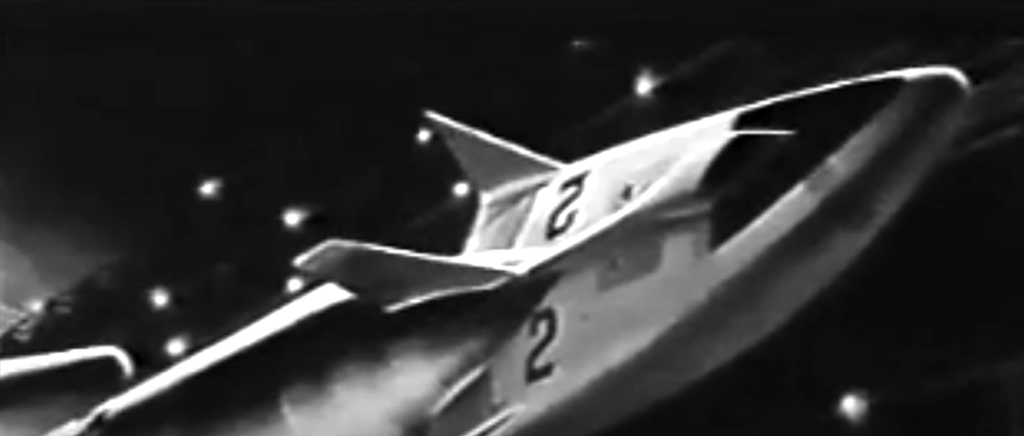
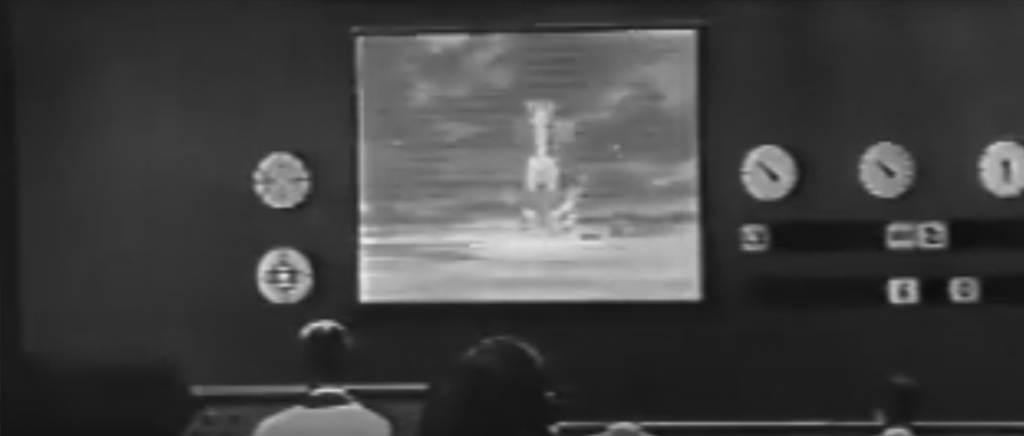
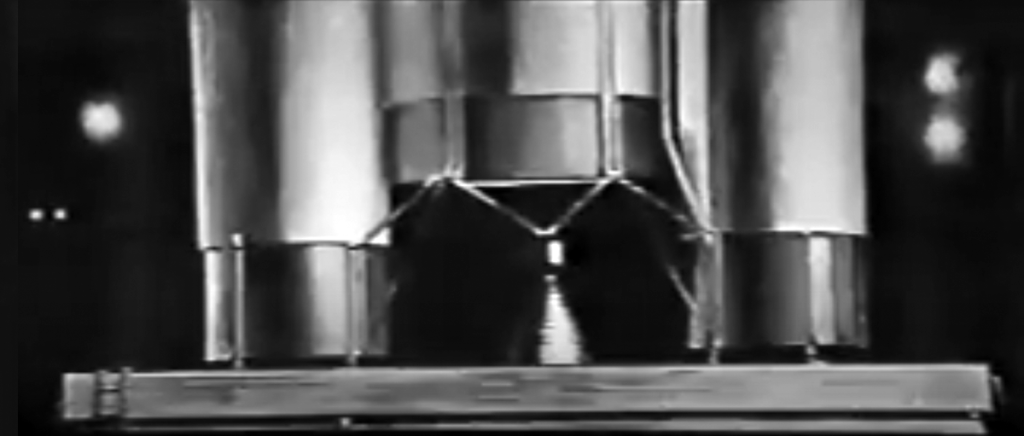
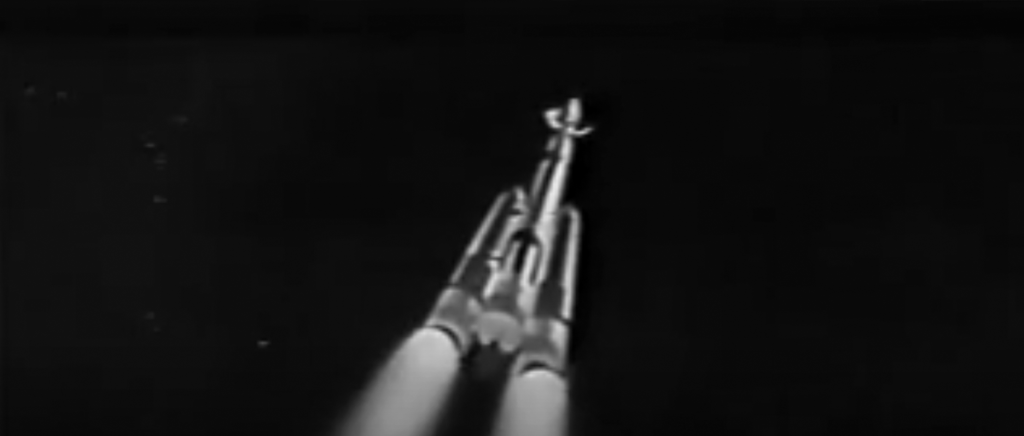
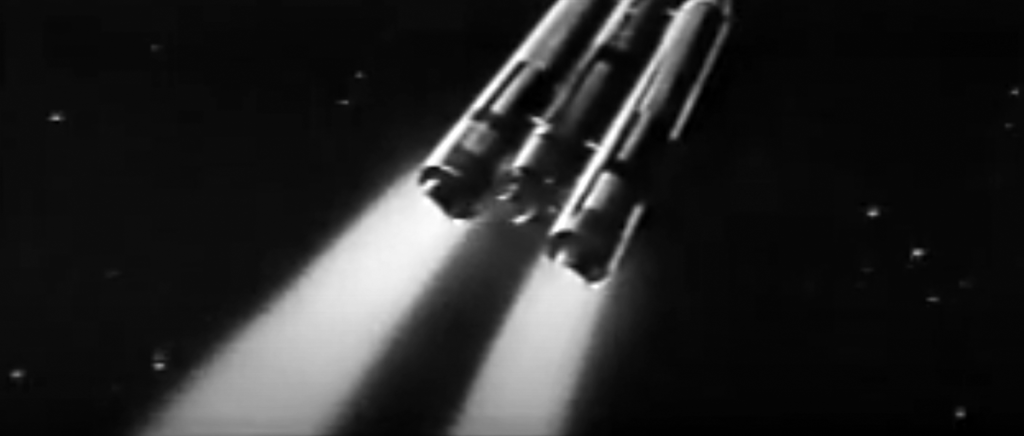
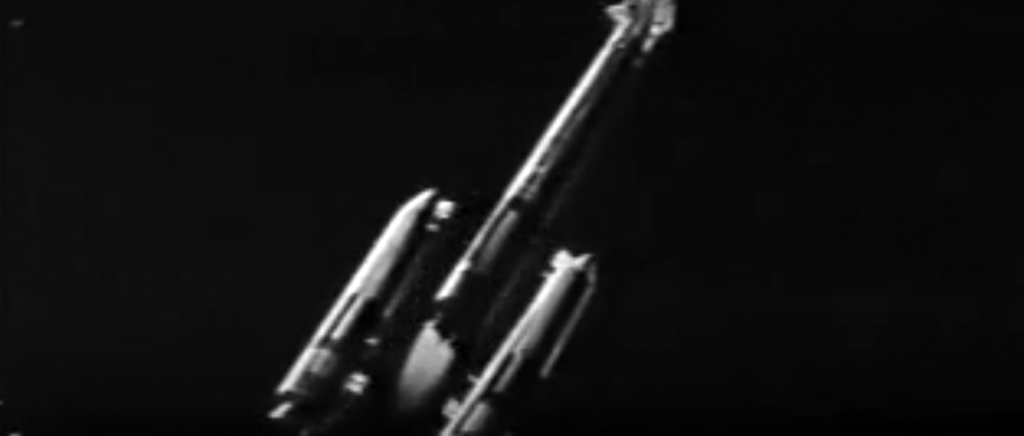
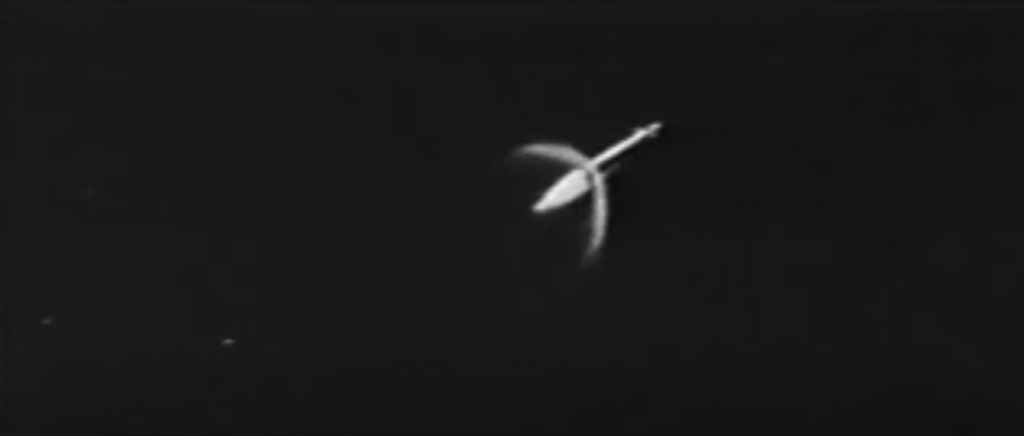
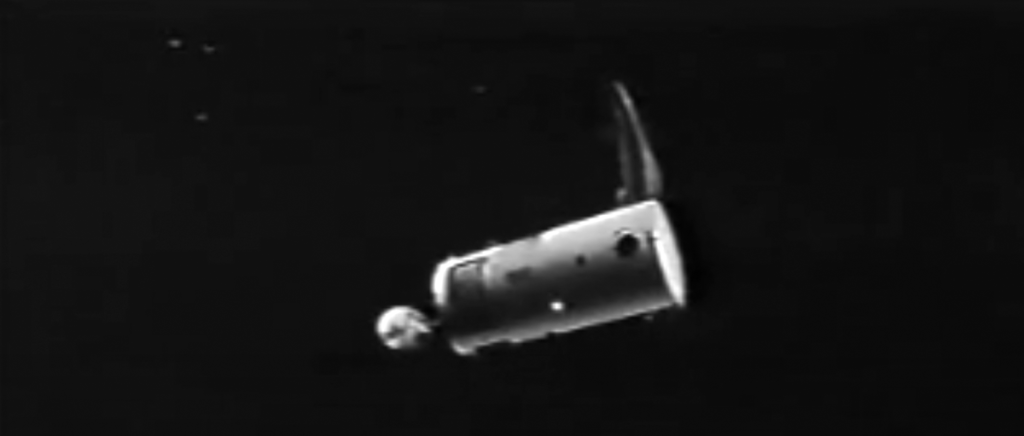
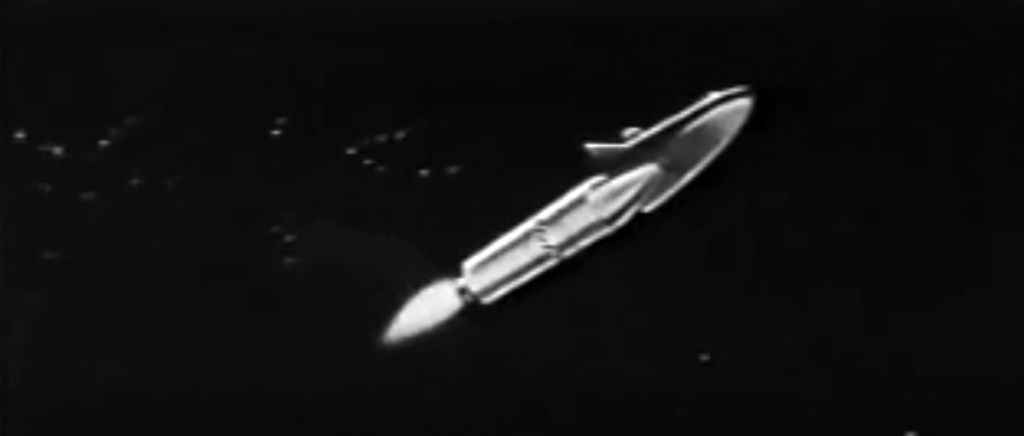
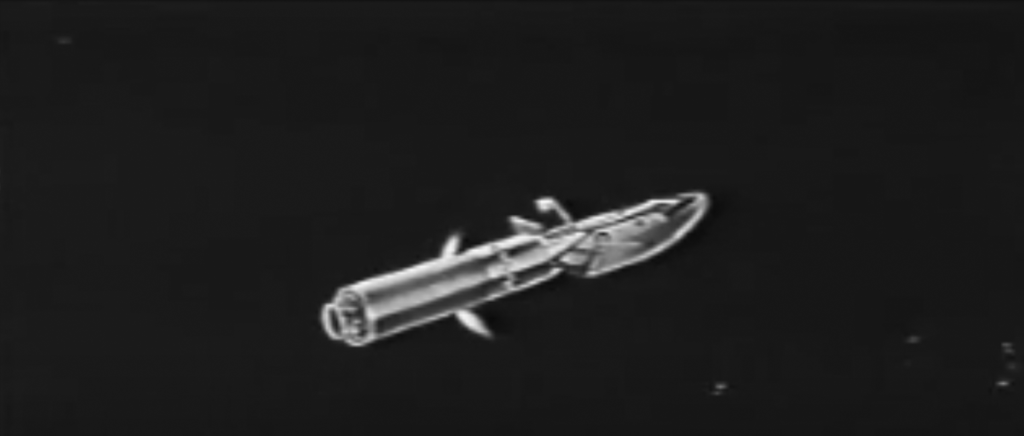
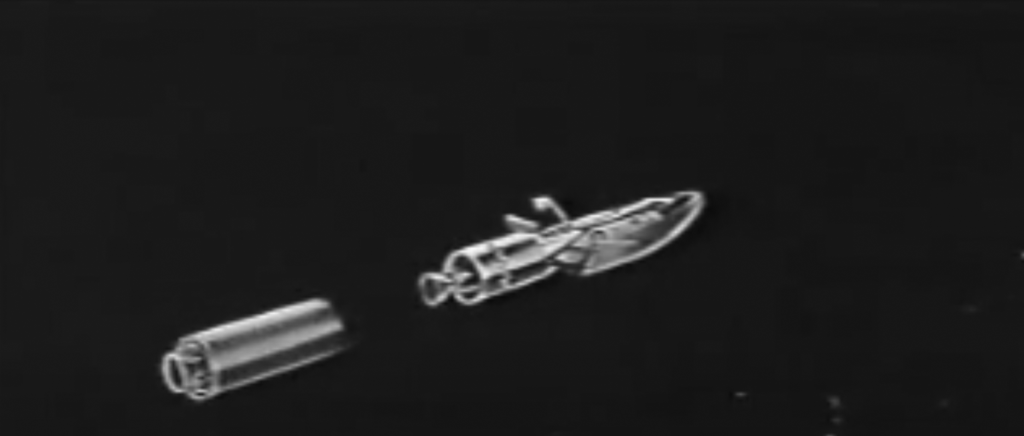
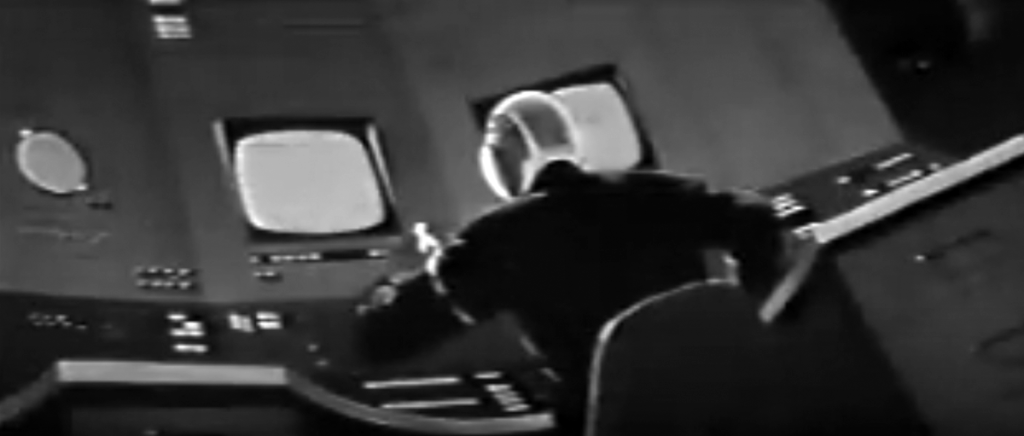
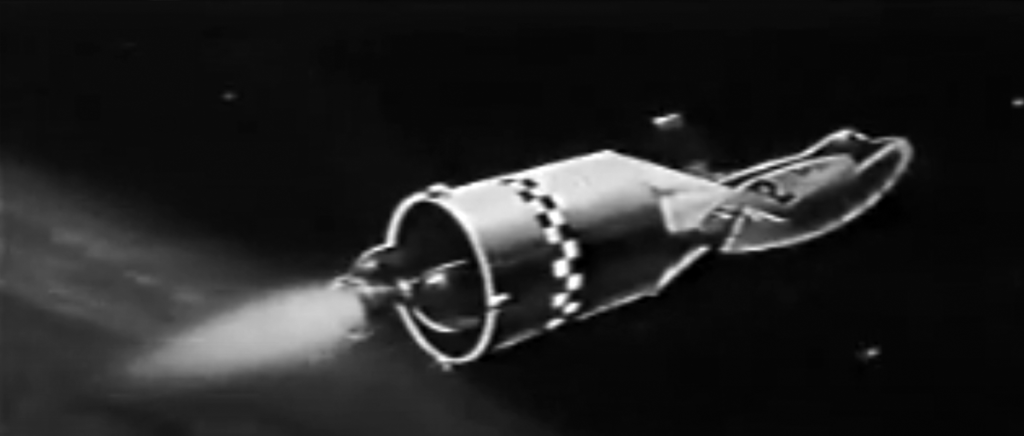
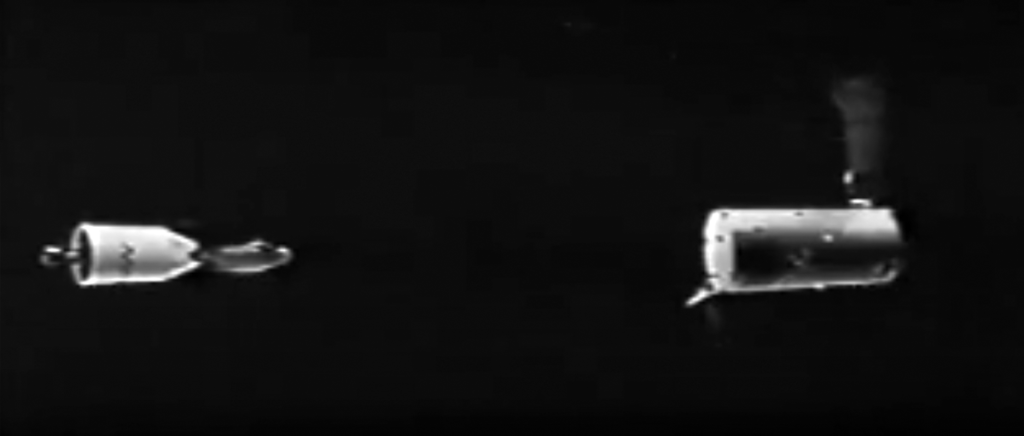
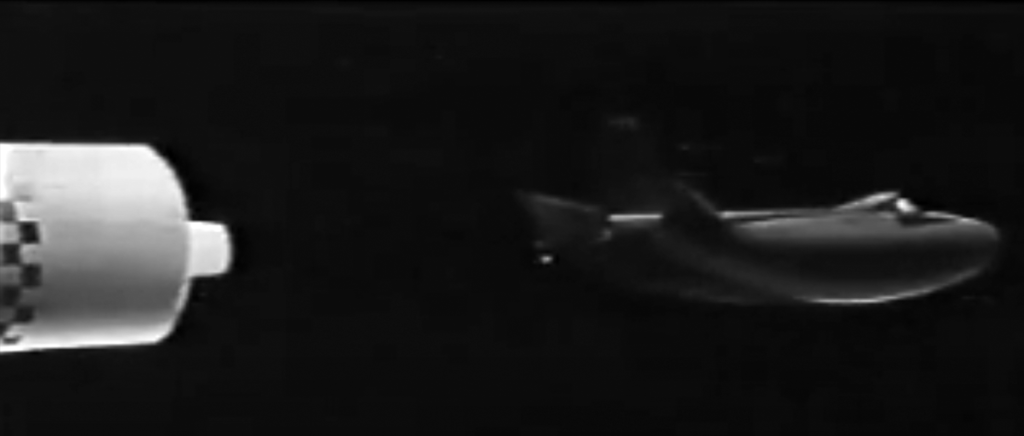
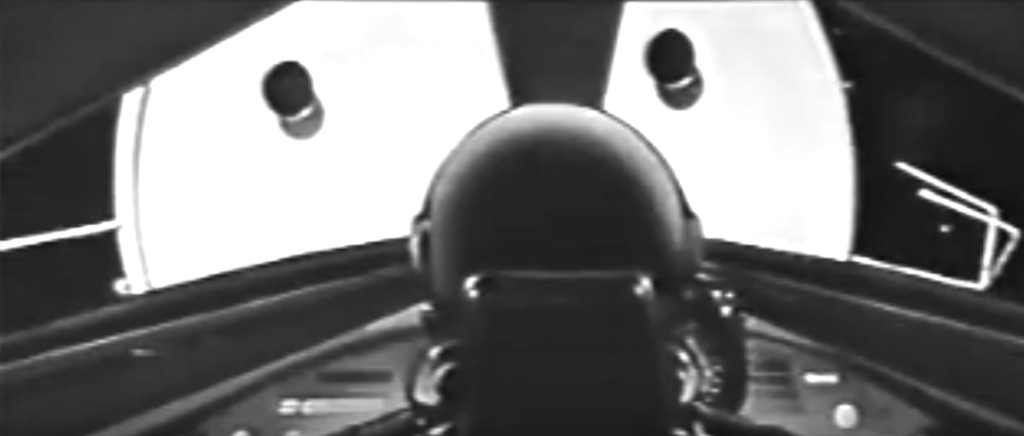
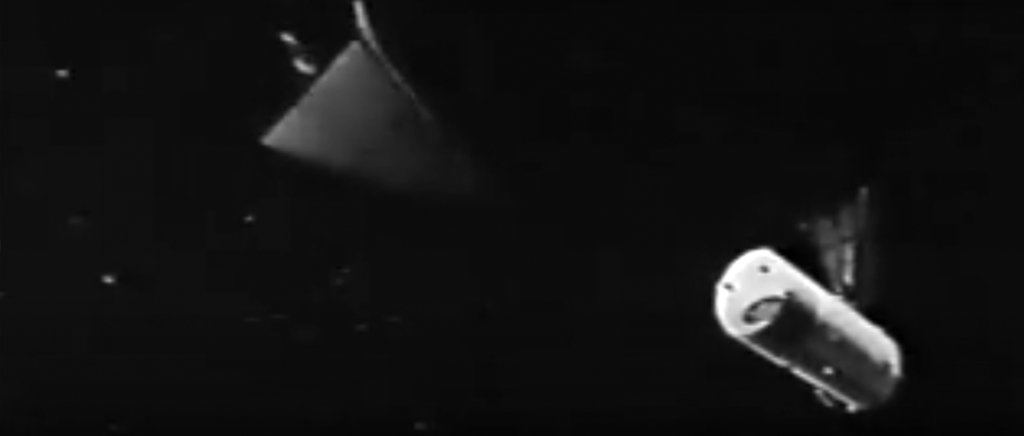
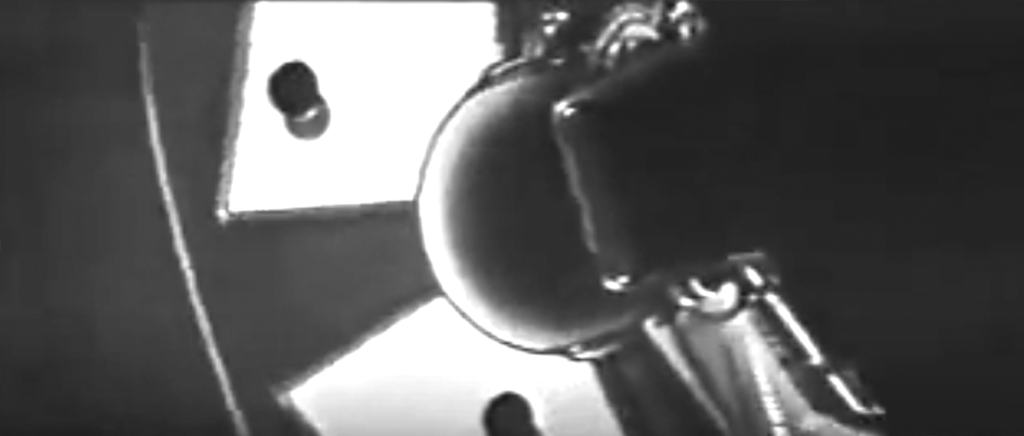
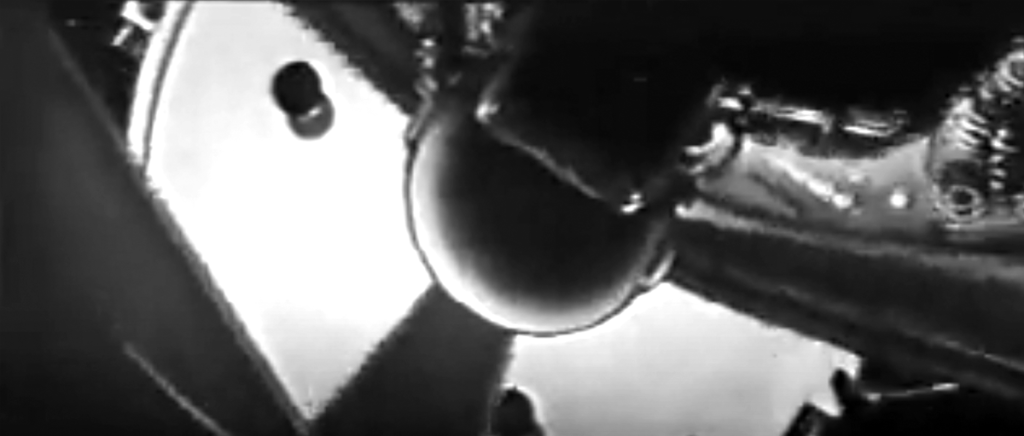

At this point, the screen goes black with only audio, as the audience’s gaze is directed above to the full-sized models of the Space Taxi docking with the station, which would have looked something like this:
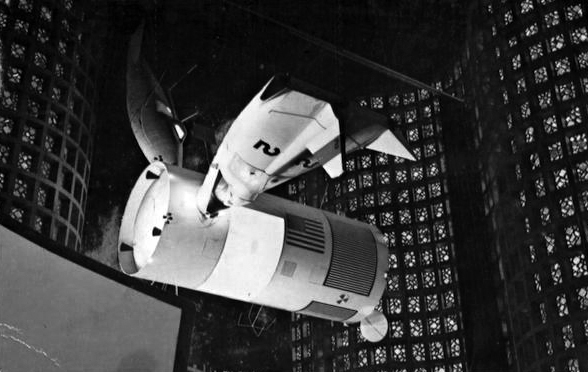
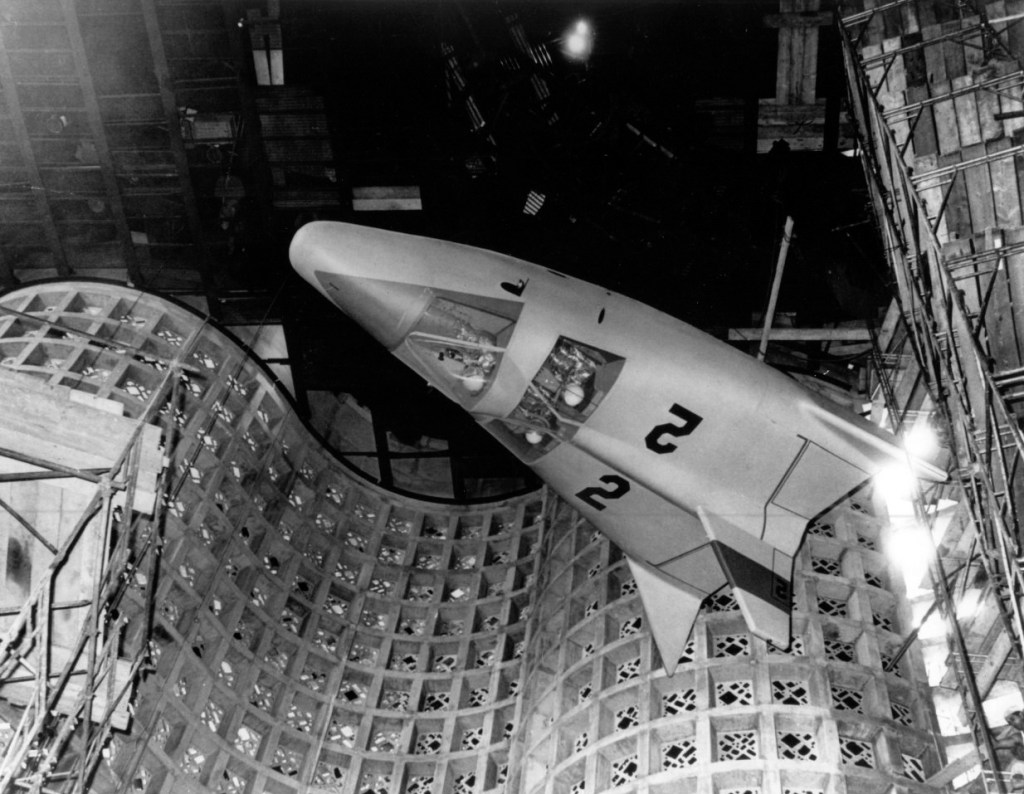
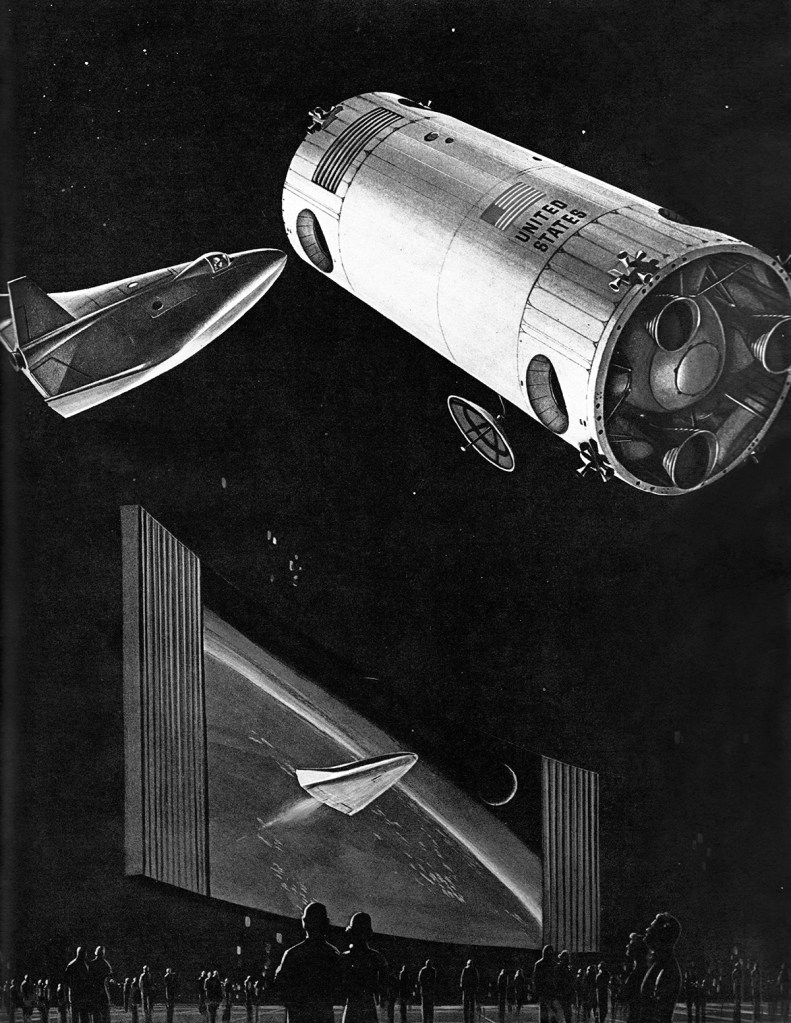
I imagine it was quite the spectacle. Anyway, after that it’s time for home.
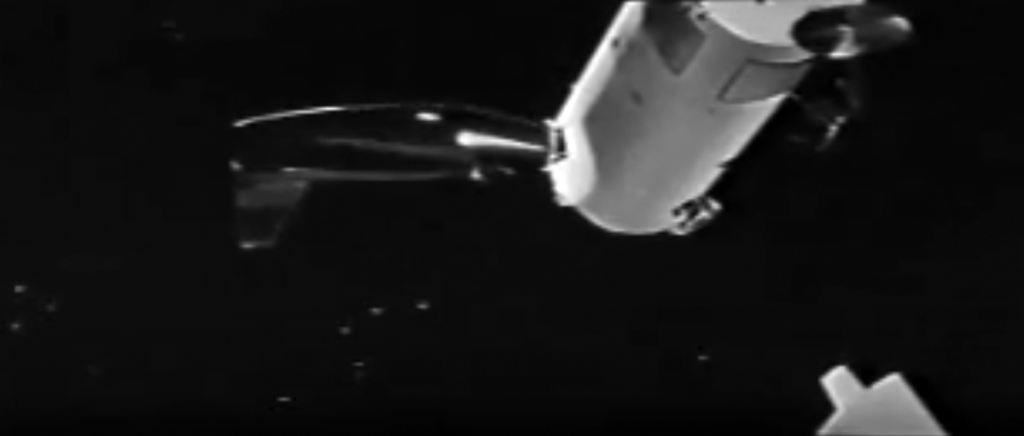
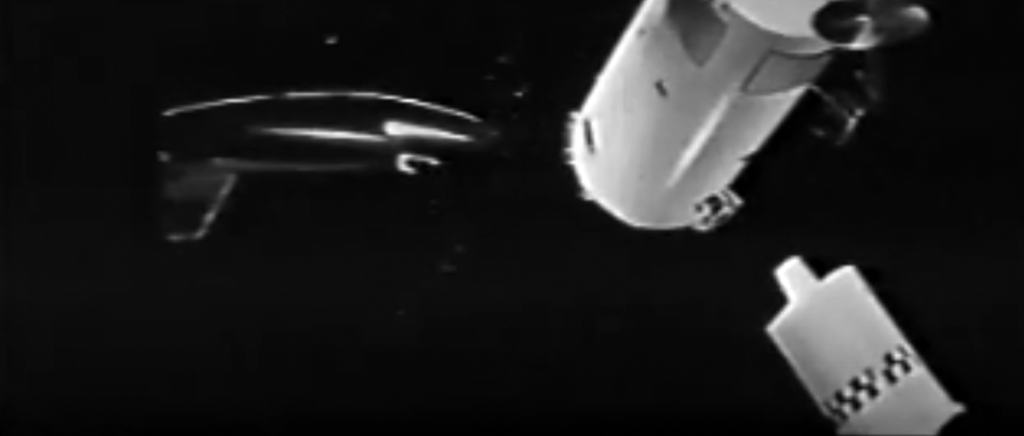
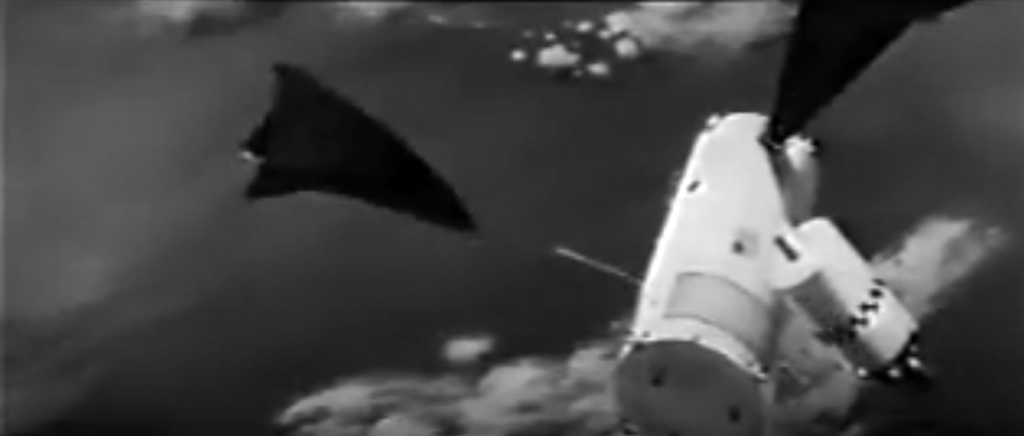
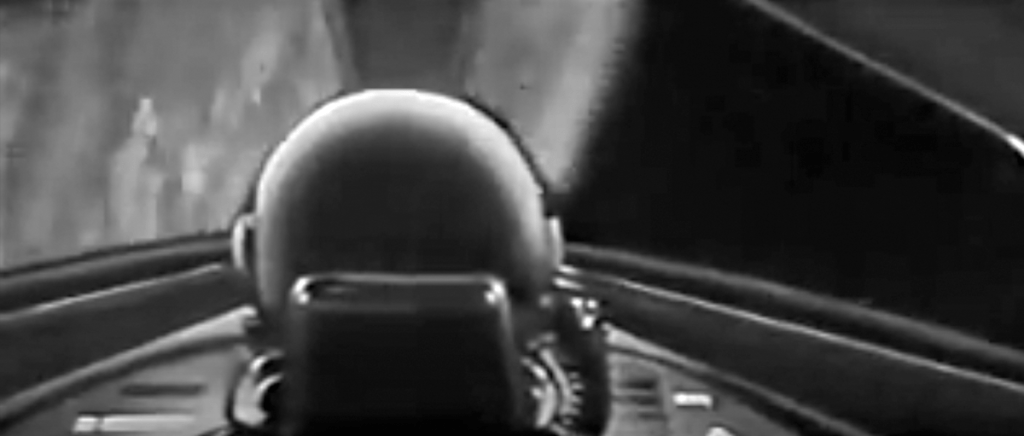
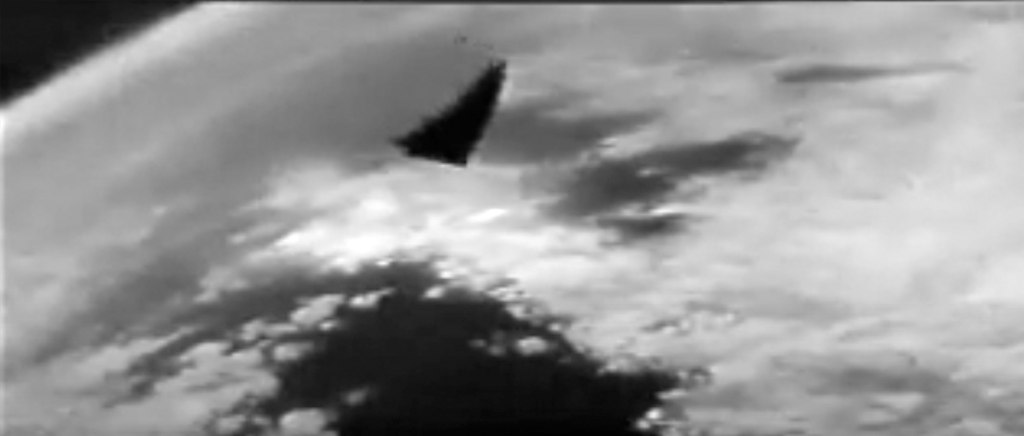
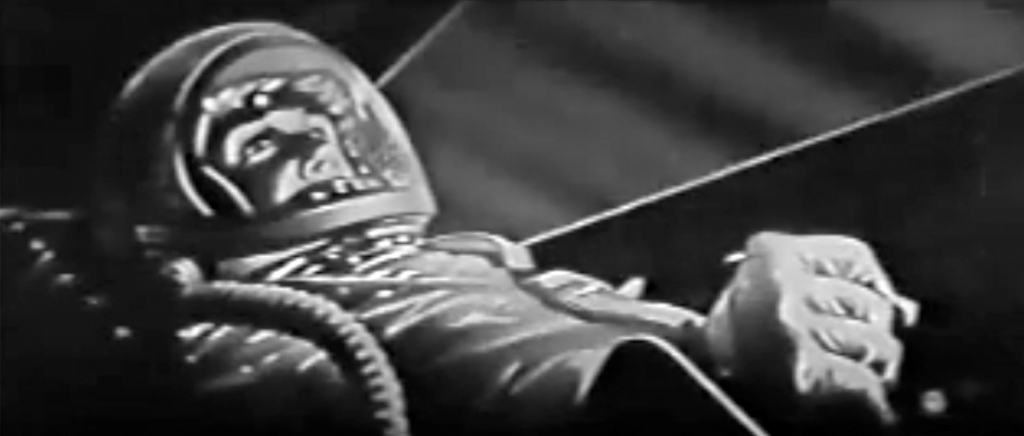
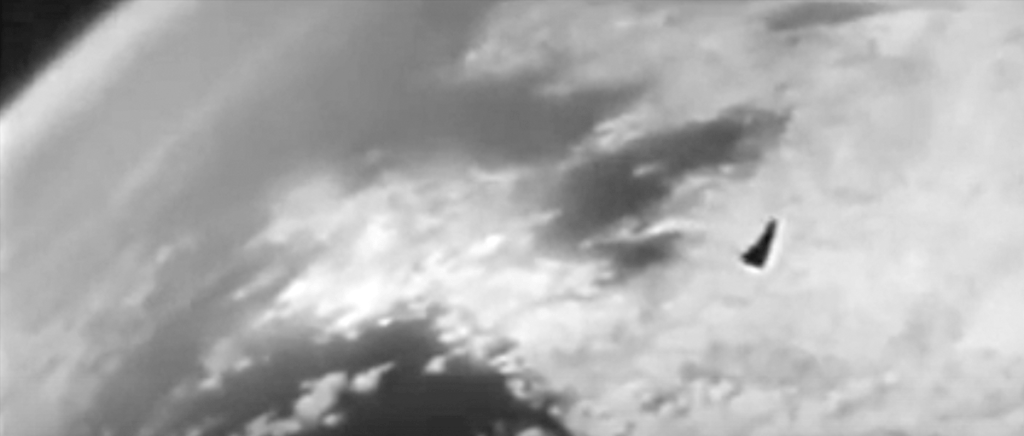
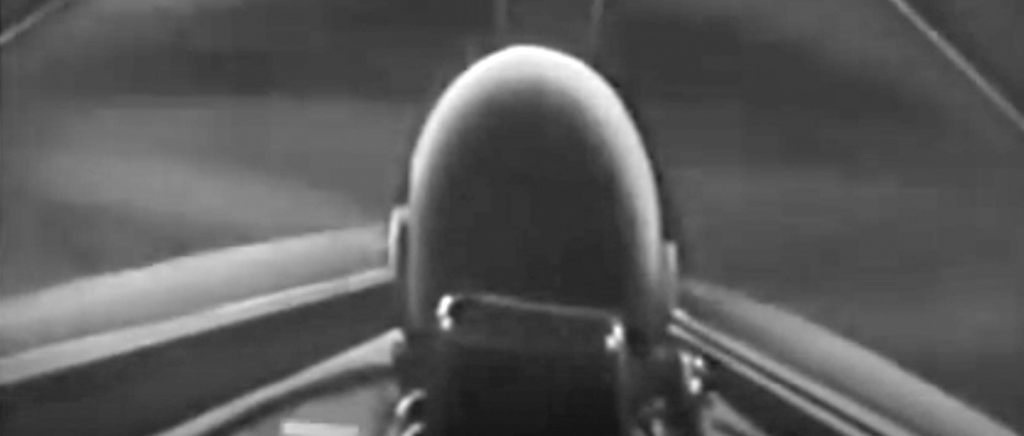
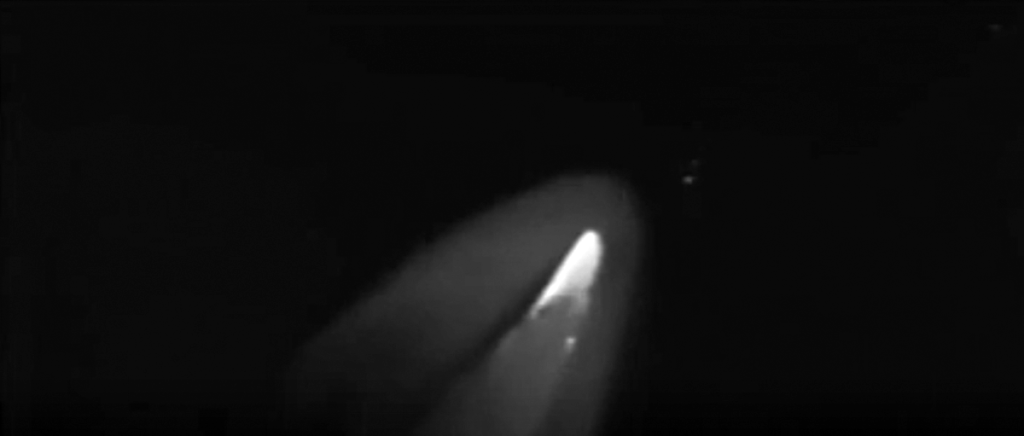
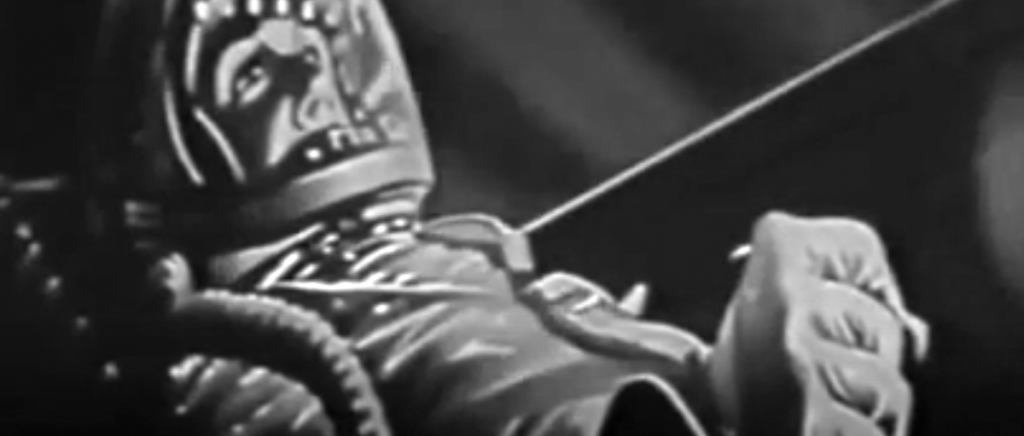
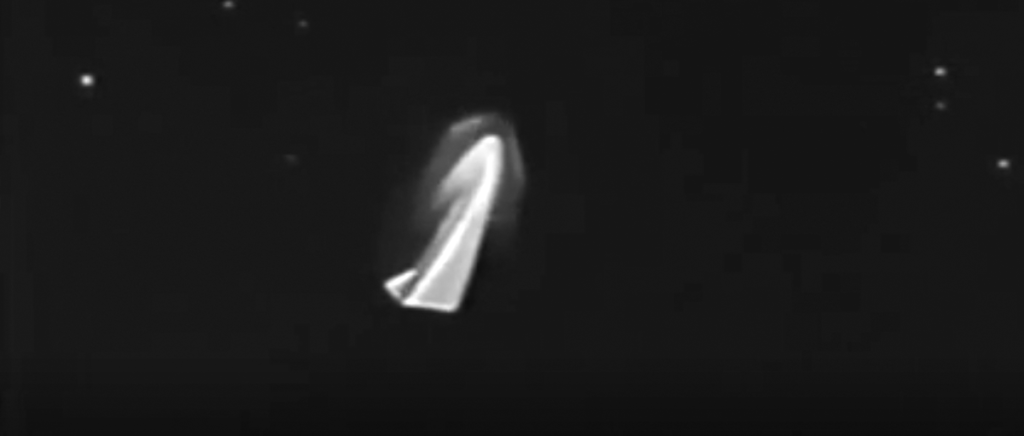
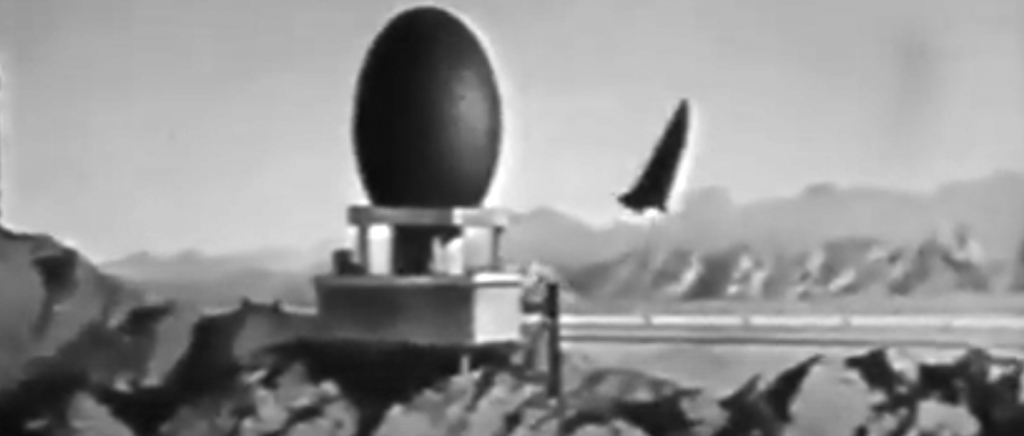
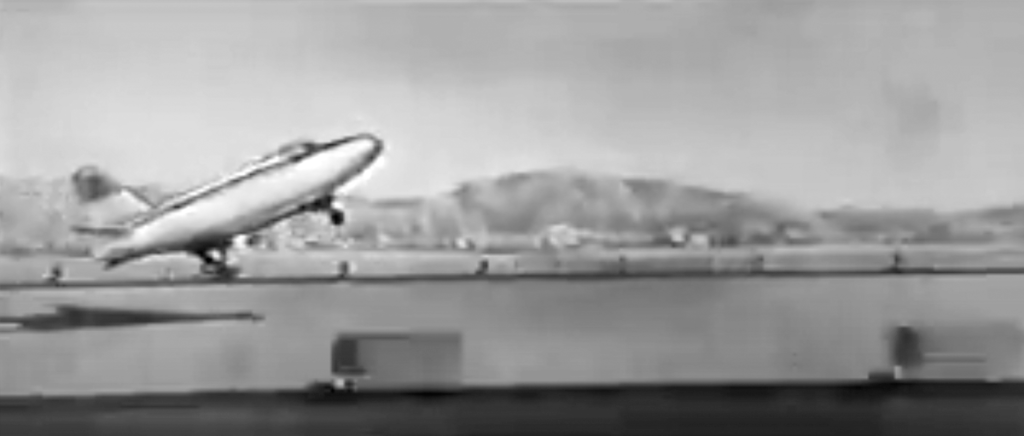
Image credit: Martin Marietta
Image source: Numbers Station
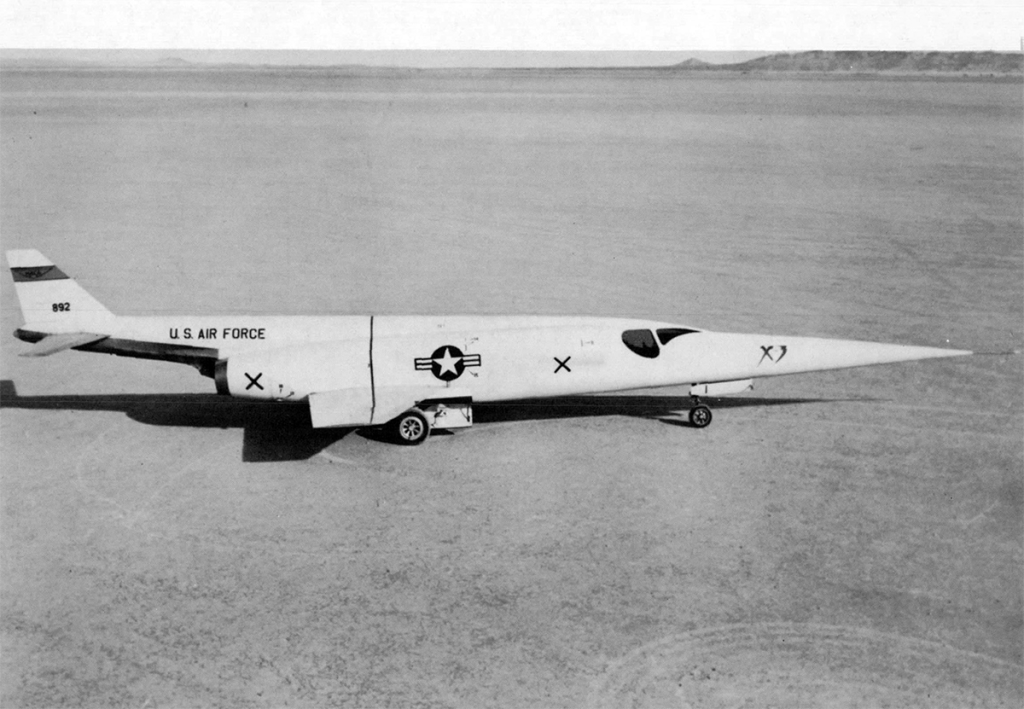
Figure 1.- Photograph of the Douglas X-3 research airplane.
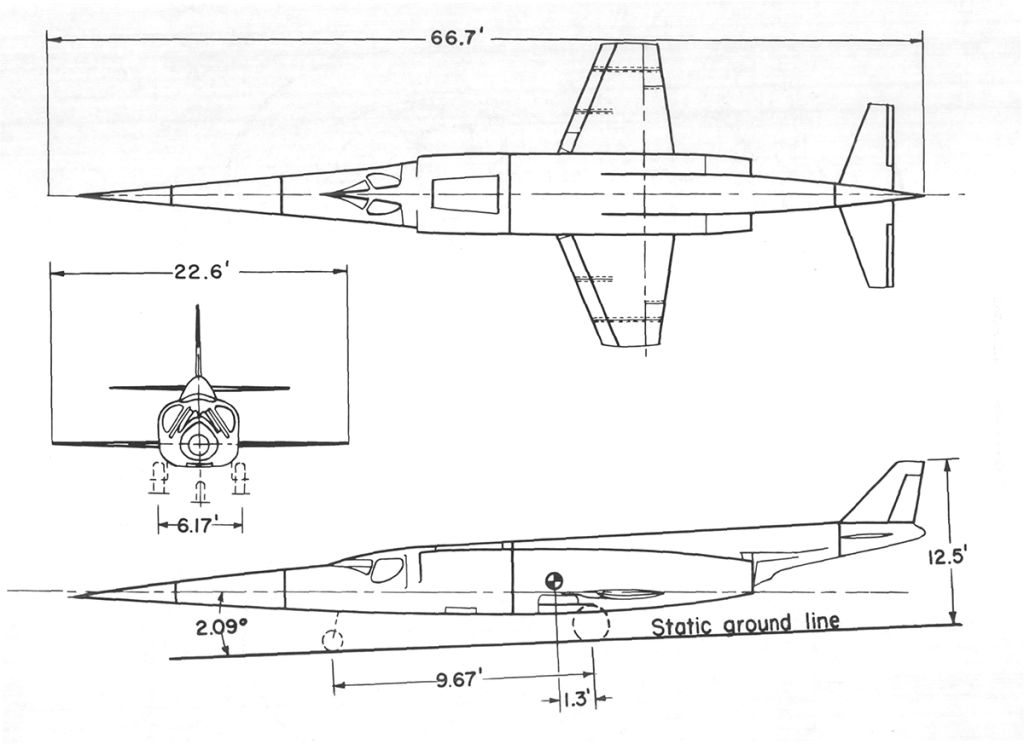
Figure 2.- Three-view drawing of the Douglas X-3 research airplane.
Image credit: NACA
File source: NASA NTRS