Image credit: USAF
Image source: AFMC
Image credit: USAF
Image source: AFMC
Image credit: USAF
Image source: AFMC
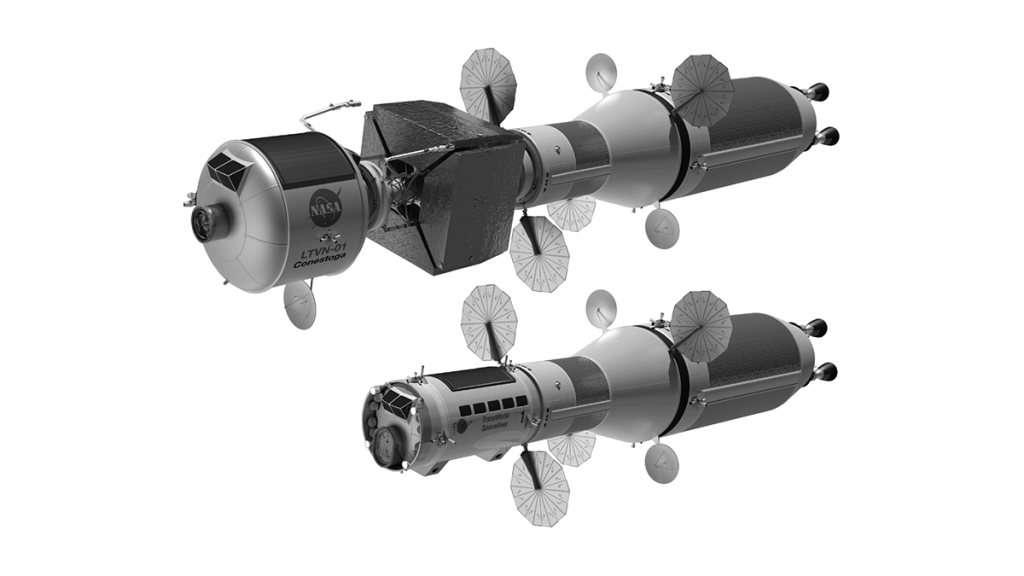
Space-based LANTR LTVs using a Common NTPS and Customized In-Line LO2 Tank
Image credit: NASA
Image source: NASA NTRS
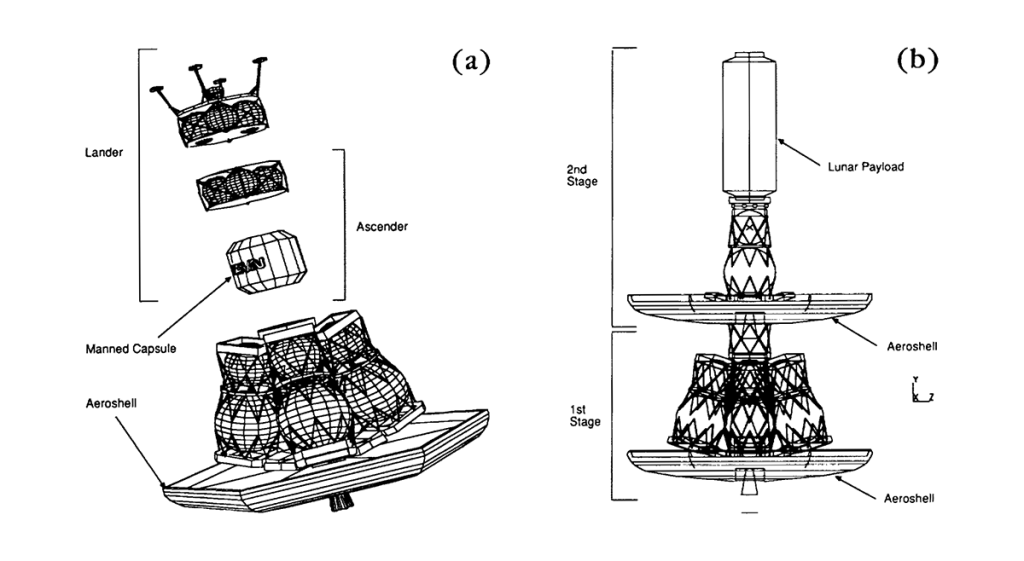
Orbital transfer vehicle (OTV) line drawings (a) one-stage manned and (b) two-stage cargo.
Image credit: NASA
Image source: NASA NTRS
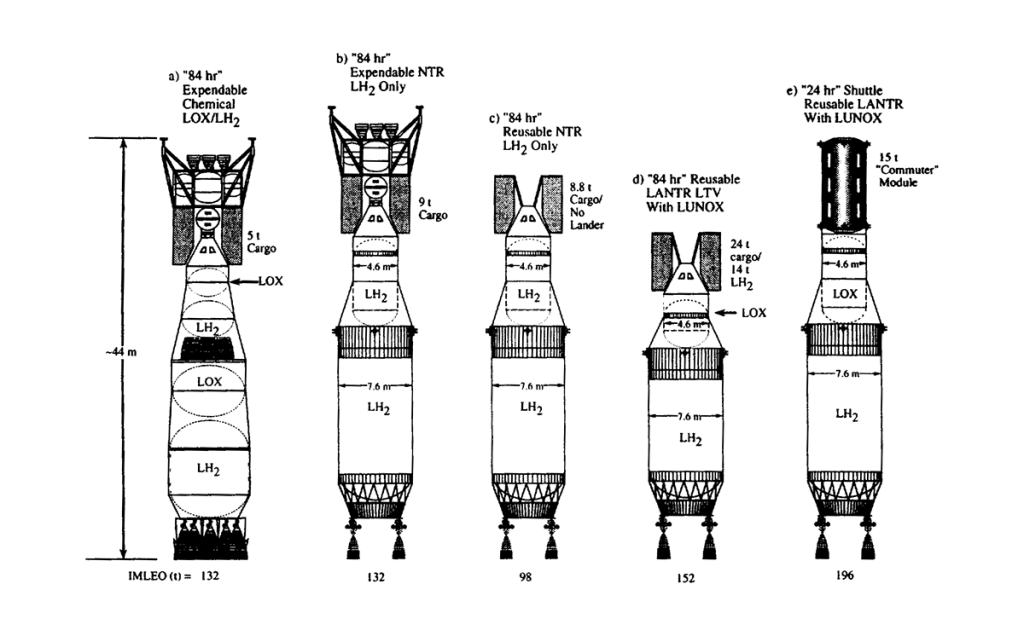
Relative Size/Mass of Chemical and NTR Vehicles Without and With LOX Augmentation
Image credit: NASA
Image source: NASA NTRS
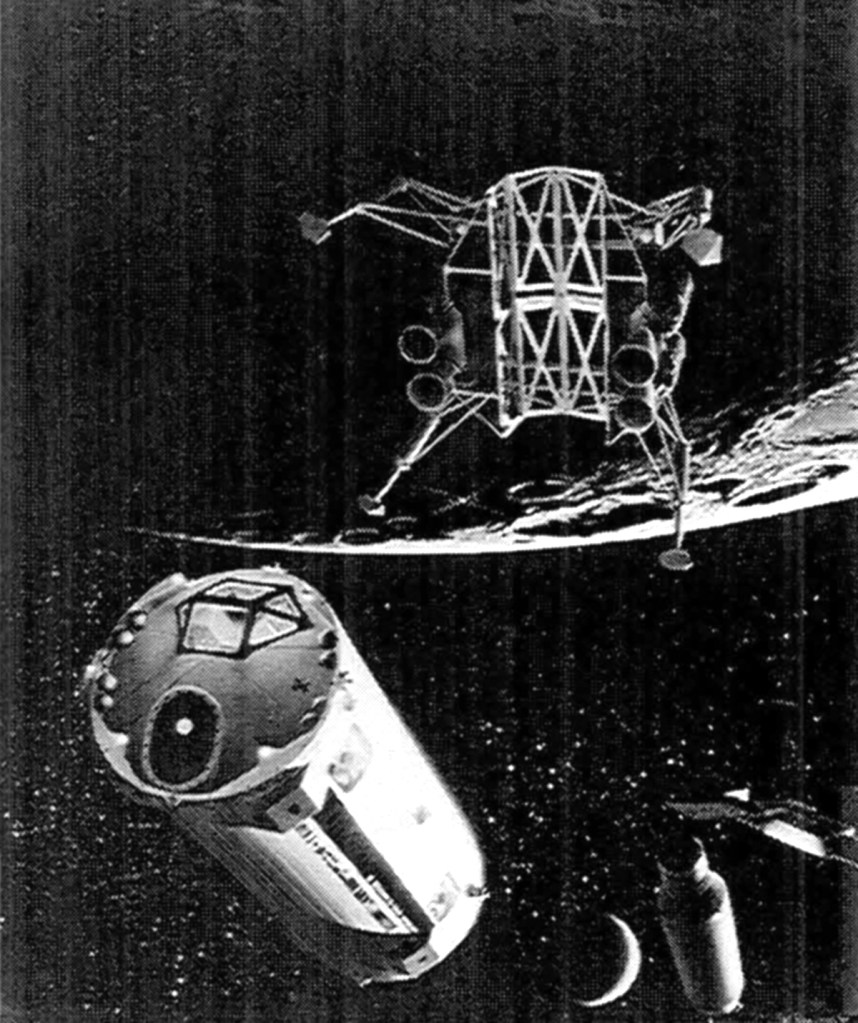
Image credit: NASA
Image source: NASA NTRS
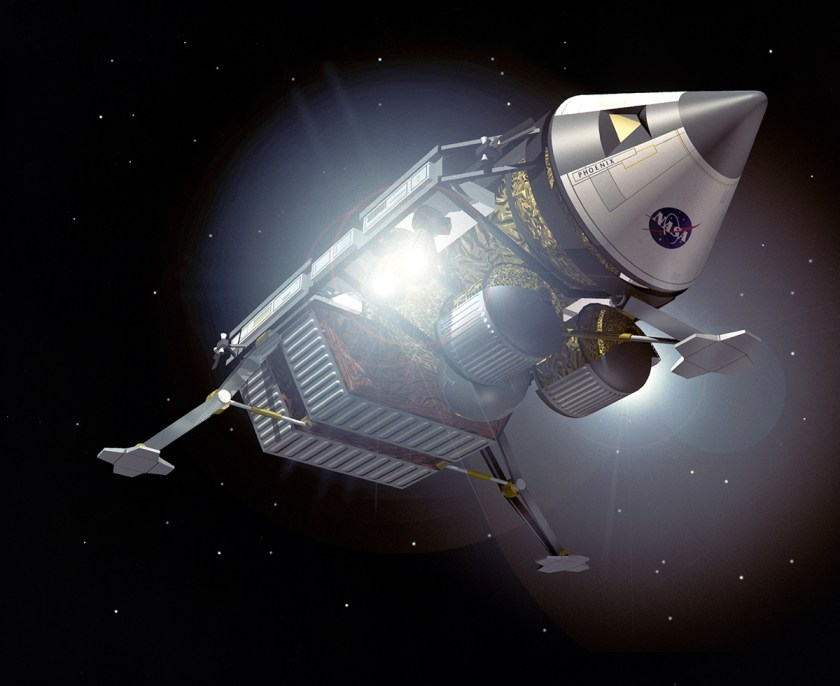
S93-45589 (1993) — (Artist’s concept of possible exploration programs.) A crew of four descends to the lunar surface in a spacecraft designed to utilize oxygen produced on the Moon for propellant. Because of the high performance advantages of in situ propellants, the spacecraft does not need to rendezvous with a second spacecraft in lunar orbit. This image was produced for NASA by John Frassanito and Associates. Technical concepts from NASA’s Planetary Projects Office (PPO), Johnson Space Center (JSC).
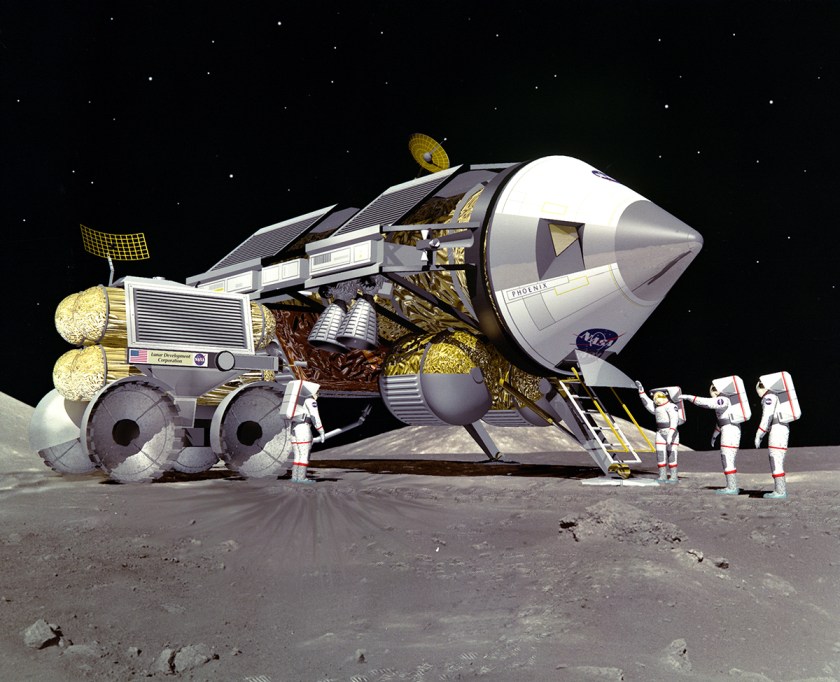
S93-45592 (1993) — (Artist’s concept of possible exploration programs.) The lunar crew refills the propellant tanks on their spacecraft with oxygen produced on the Moon. This allows them to return directly to Earth, reentering the atmosphere in the conical crew module, and touching down at a prepared landing site. This image was produced for NASA by John Frassanito and Associates. Technical concepts from NASA’s Planetary Projects Office (PPO), Johnson Space Center (JSC).
Image credit: John Frassanito and Associates
Image source: NASA Johnson
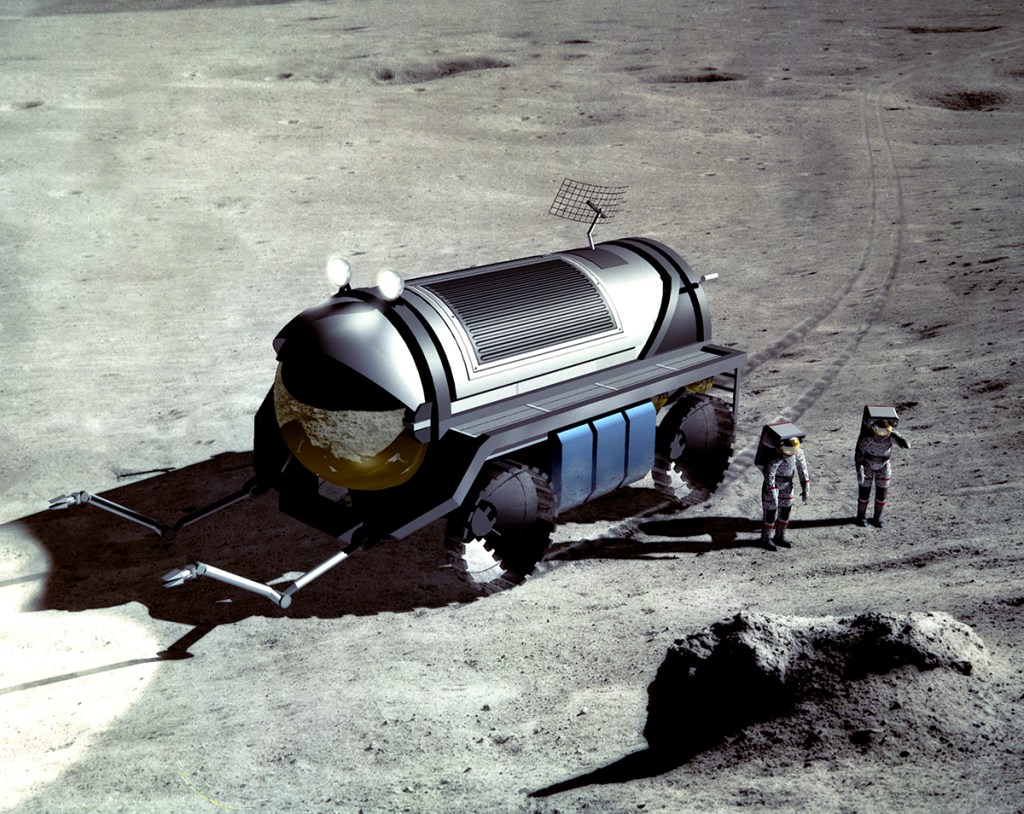
S93-45583 (1993) — (Artist’s concept of possible exploration programs.) Pressurized surface rovers allow lunar explorers to extend their travel capabilities far beyond the limitations imposed by their space suits. The crew can service remote facilities, such as lunar telescopes, and conduct long-range geological traverses. This image was produced for NASA by John Frassanito and Associates. Technical concepts from NASA’s Planetary Projects Office (PPO), Johnson Space Center (JSC).
Image credit: John Frassanito and Associates
Image source: NASA Johnson
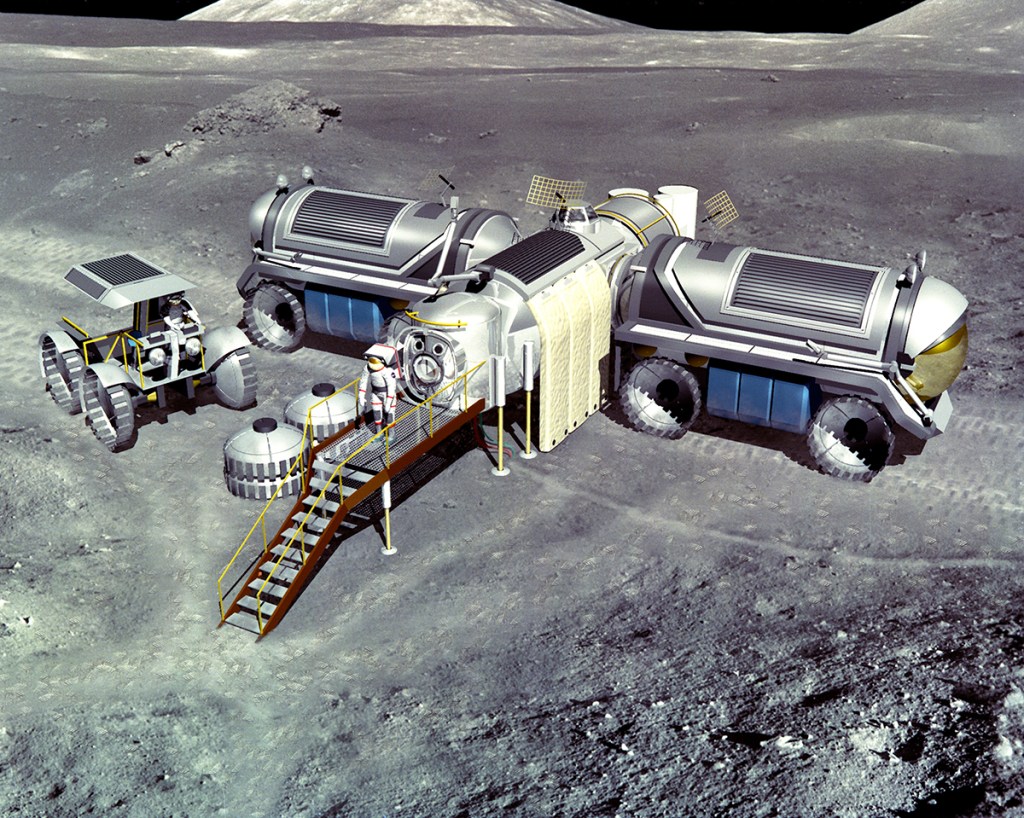
Image credit: John Frassanito and Associates
Image source: NASA Johnson
Selected plates from:
(NASA-TM-102999)
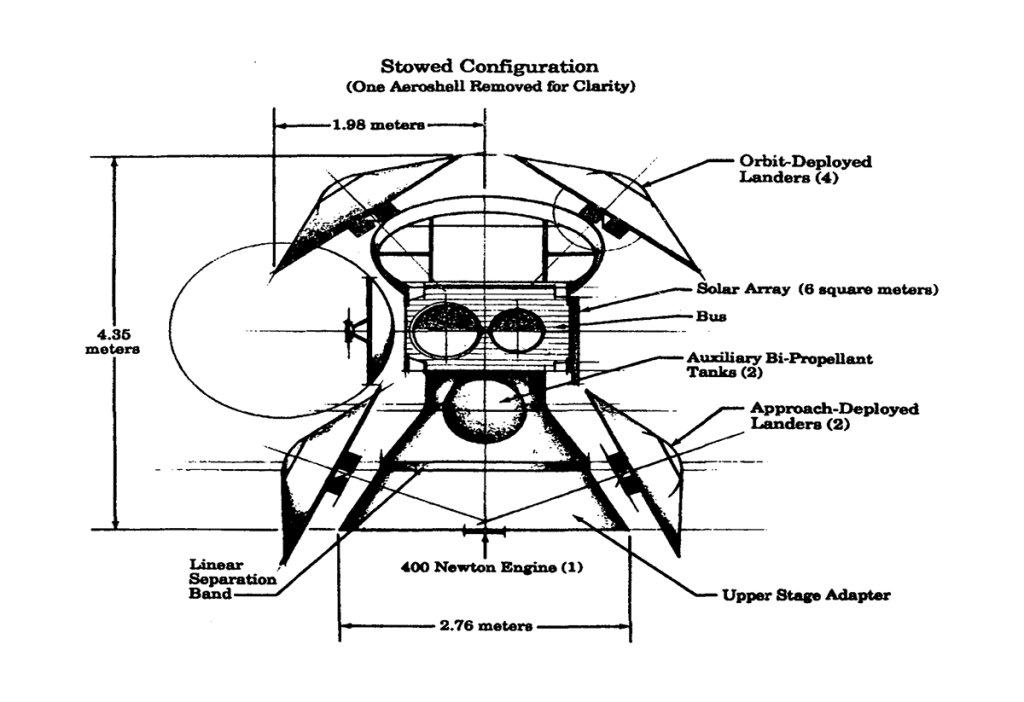
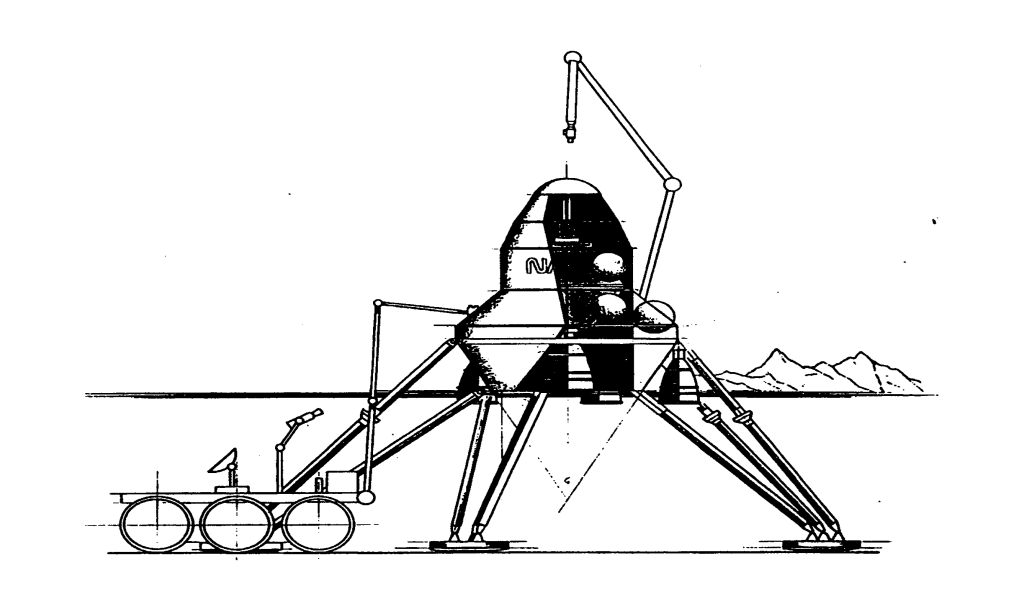
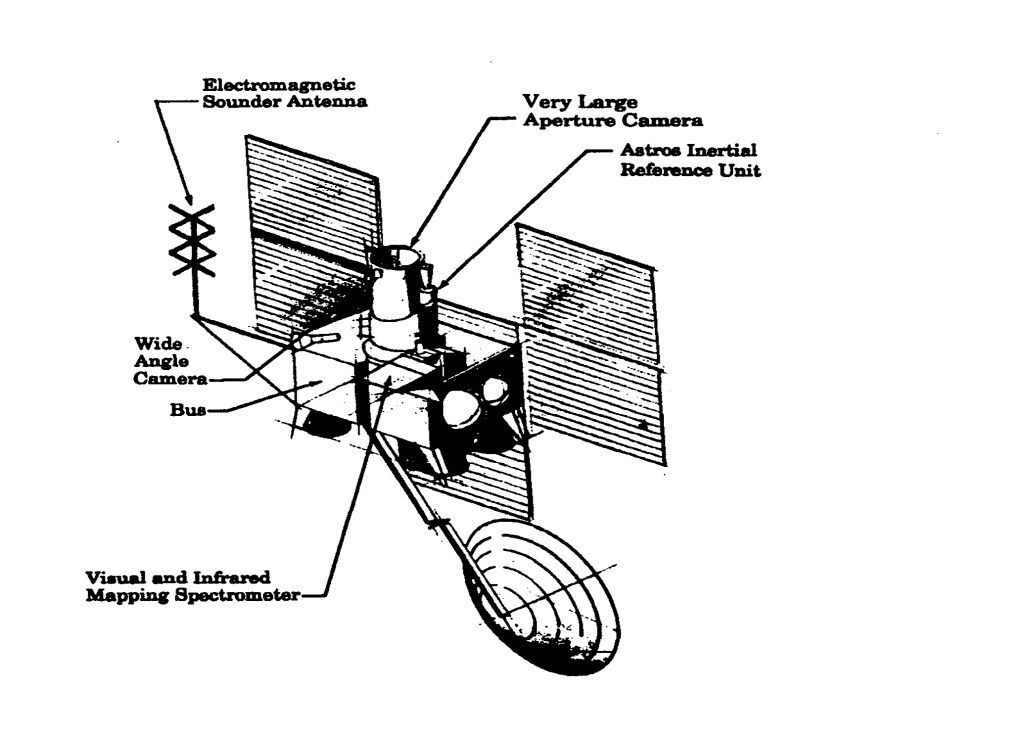
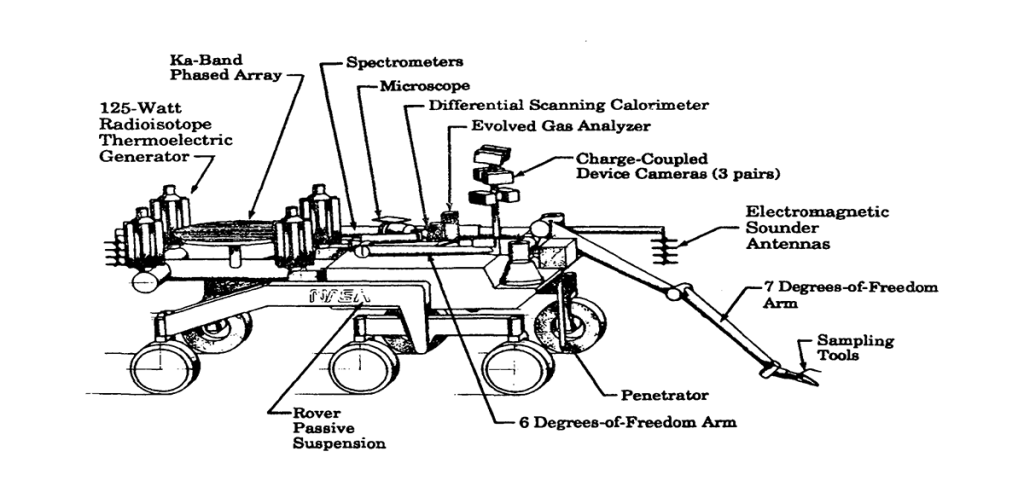
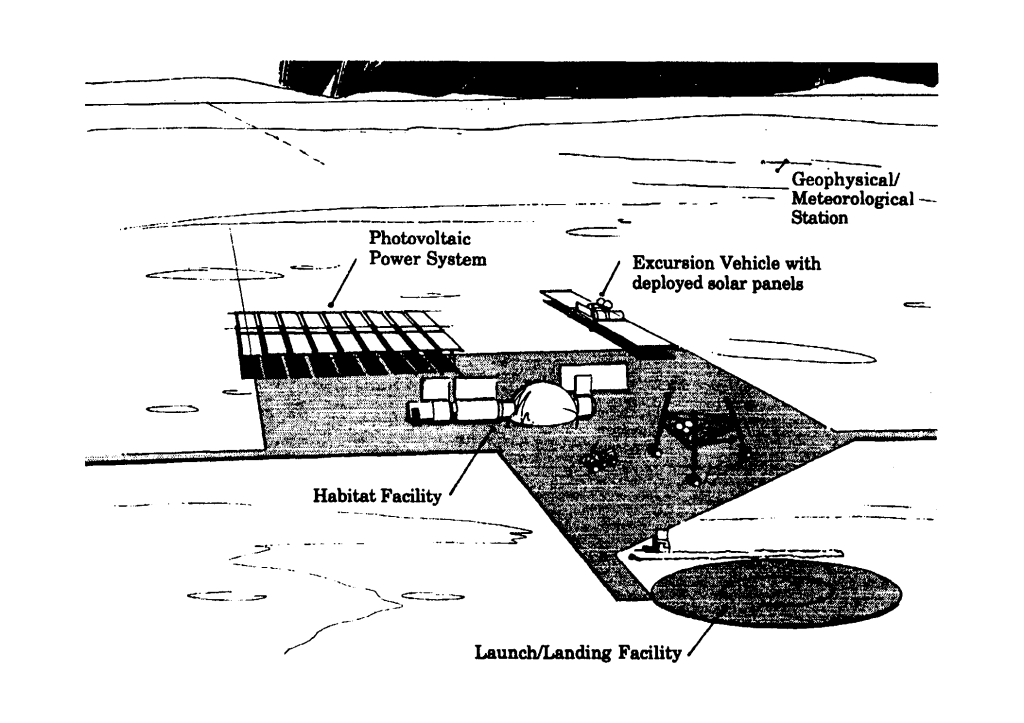
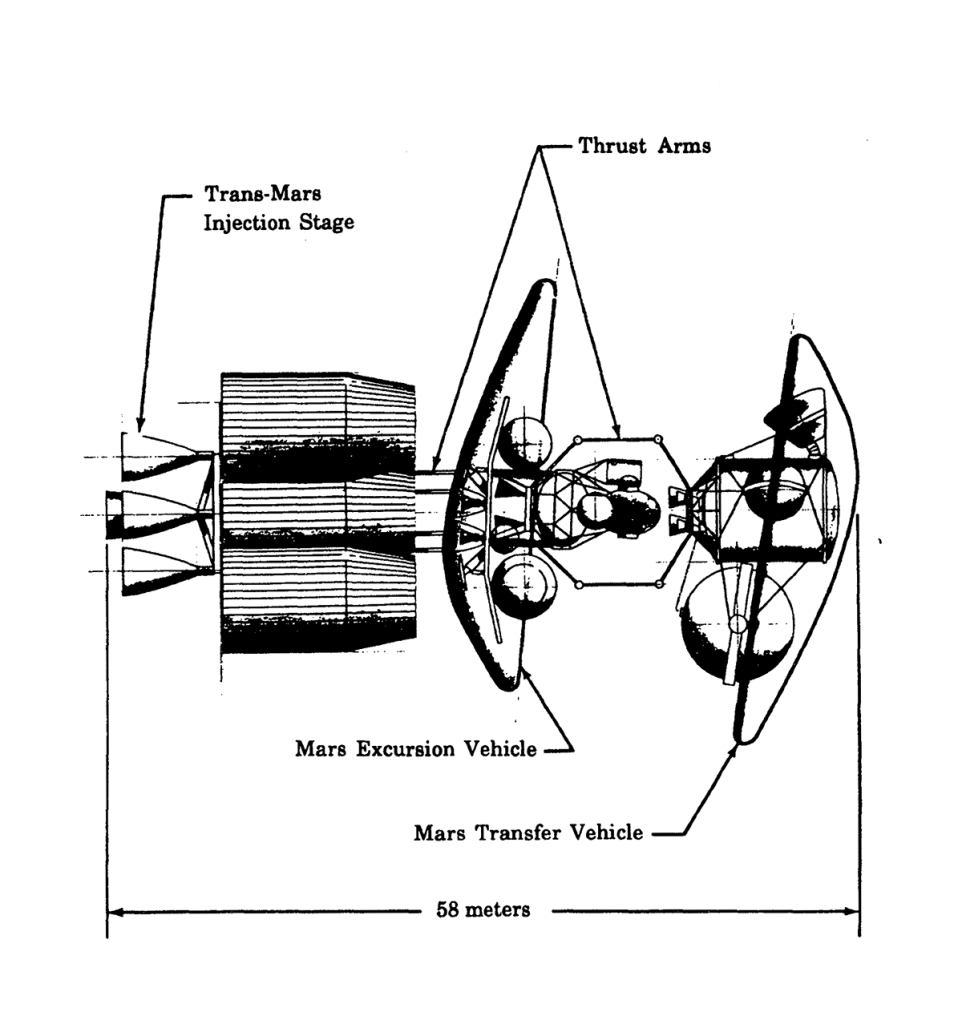
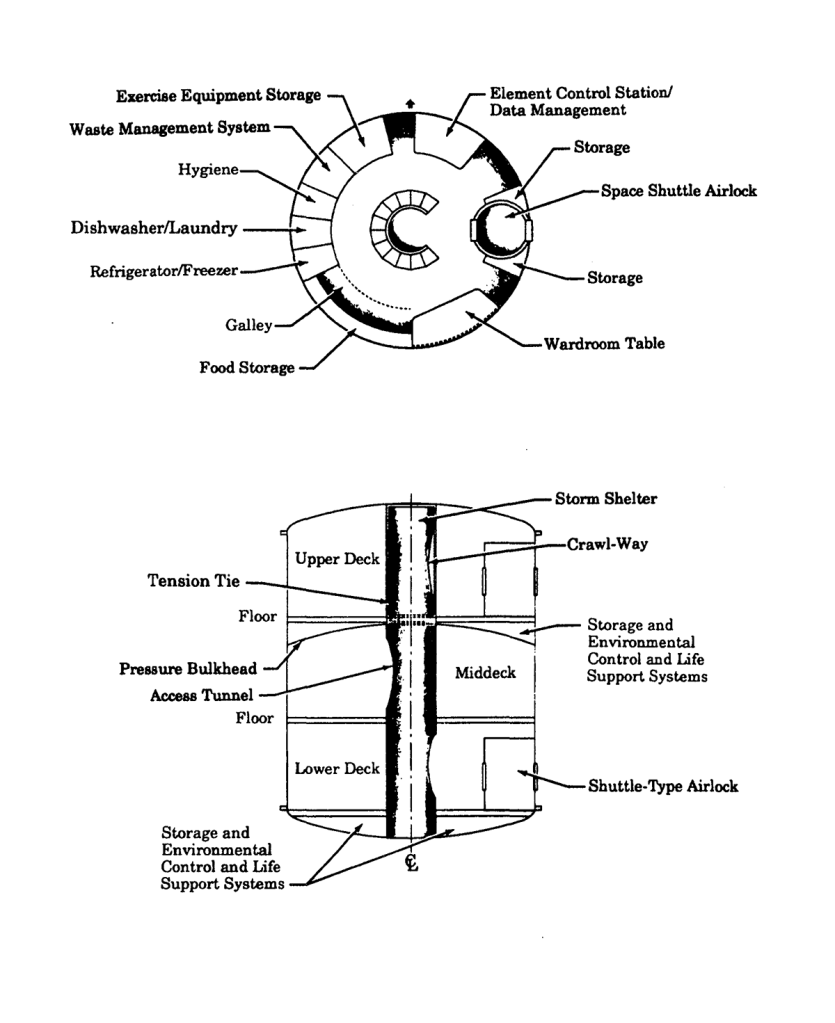
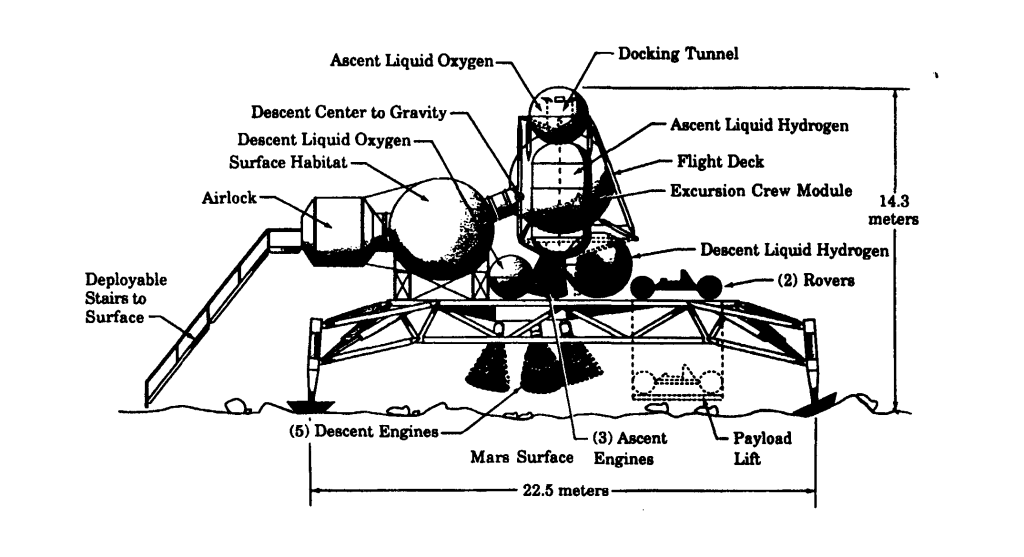
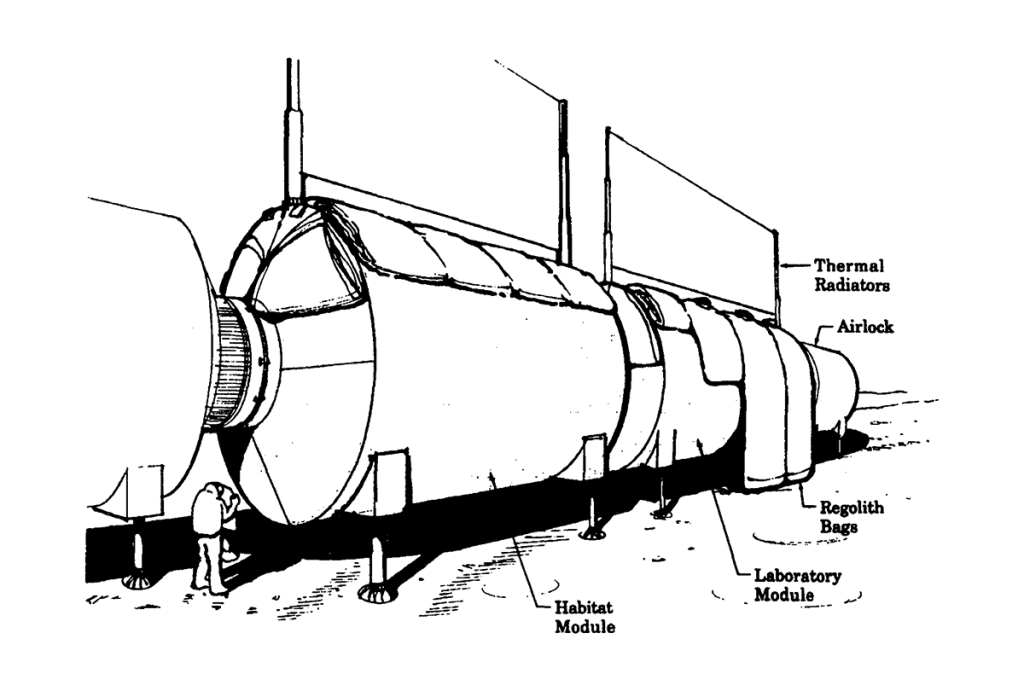
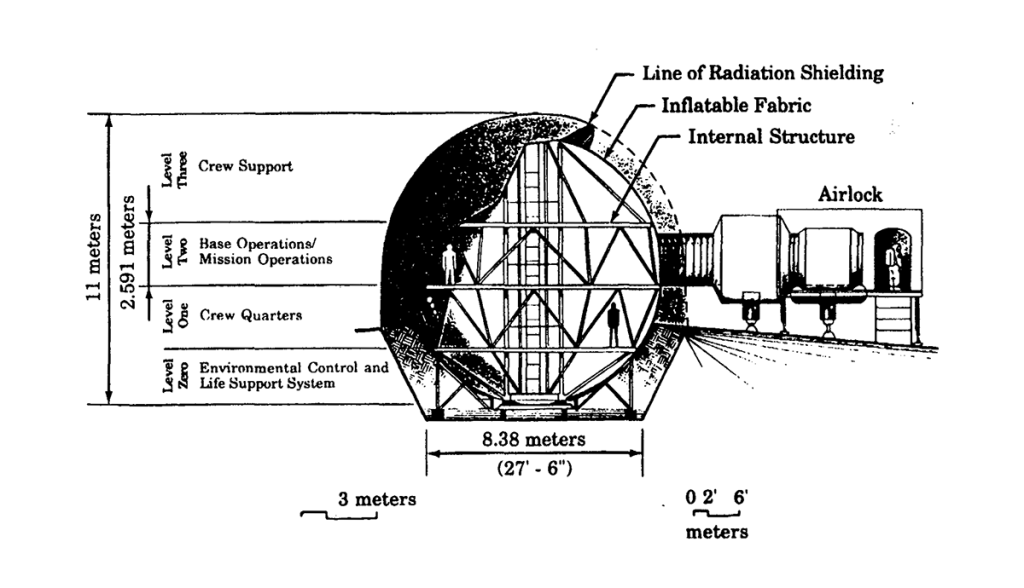
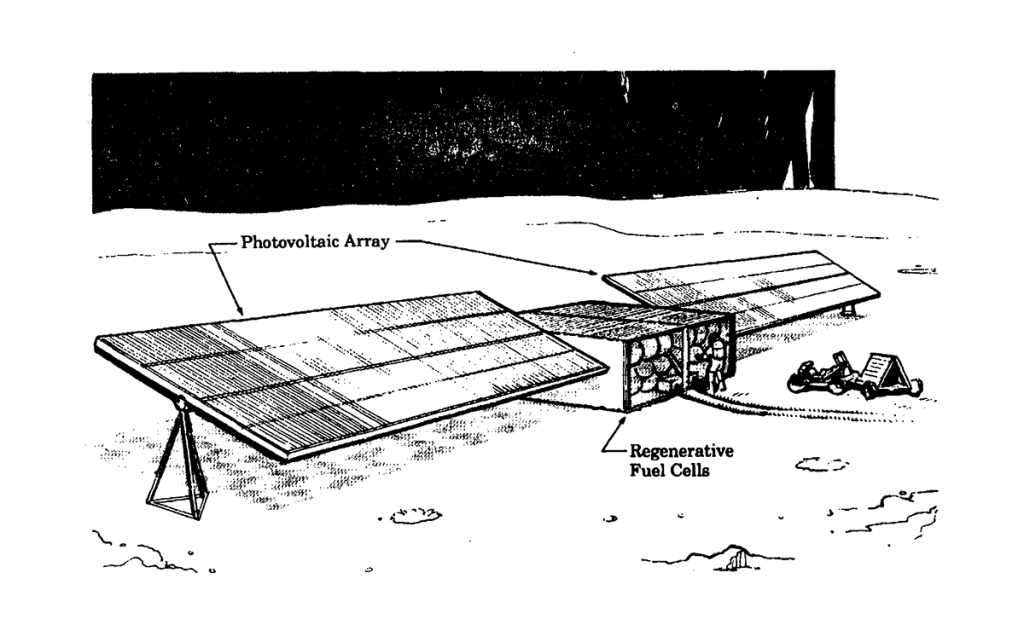
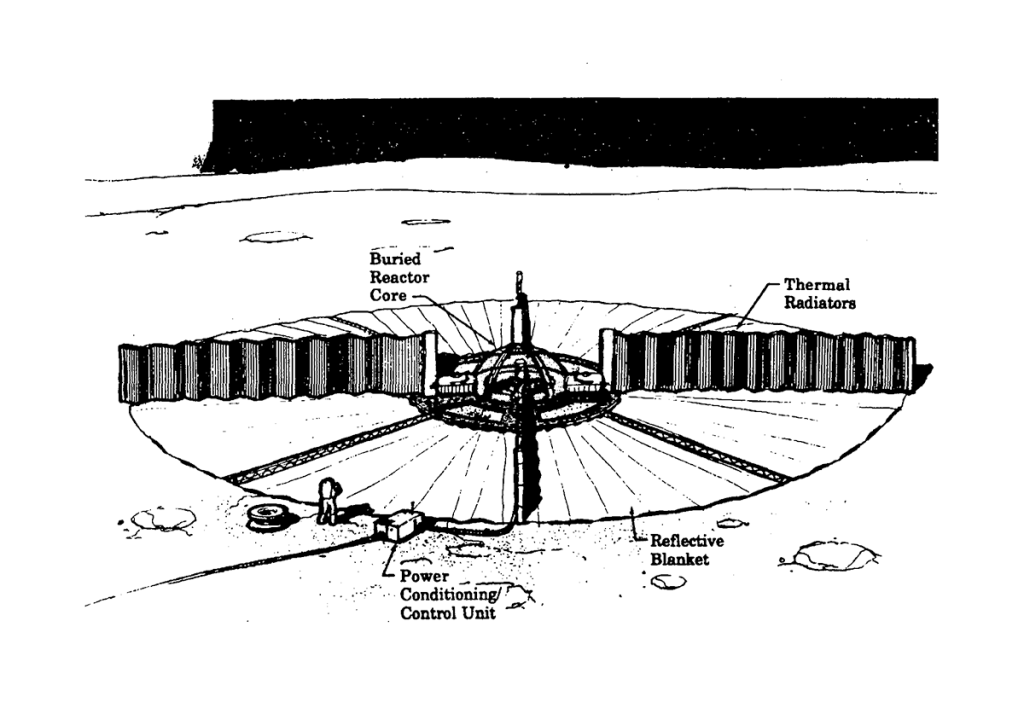
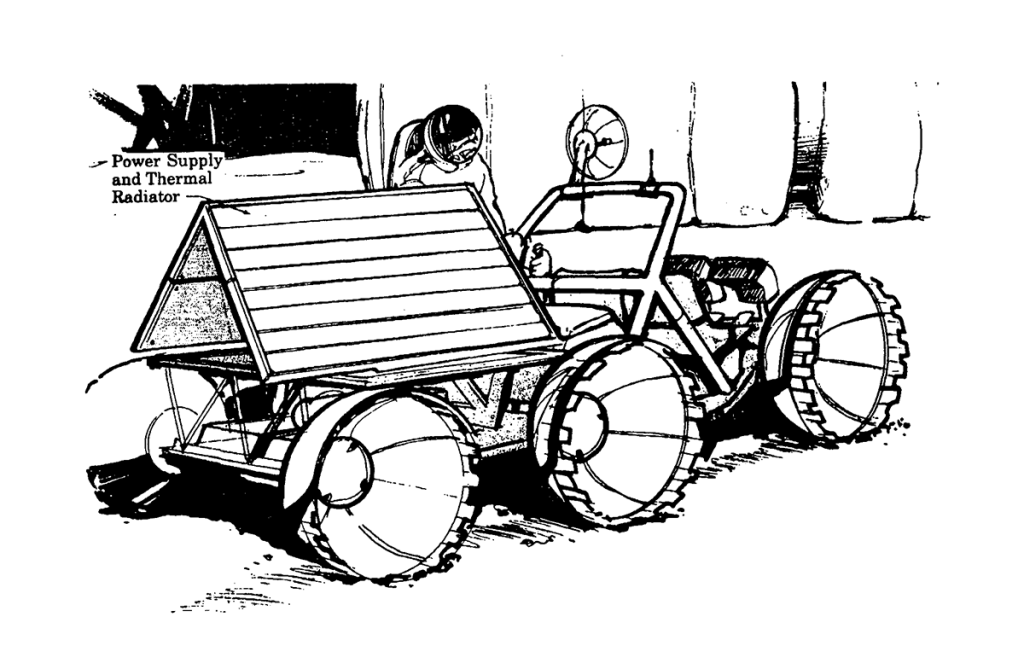
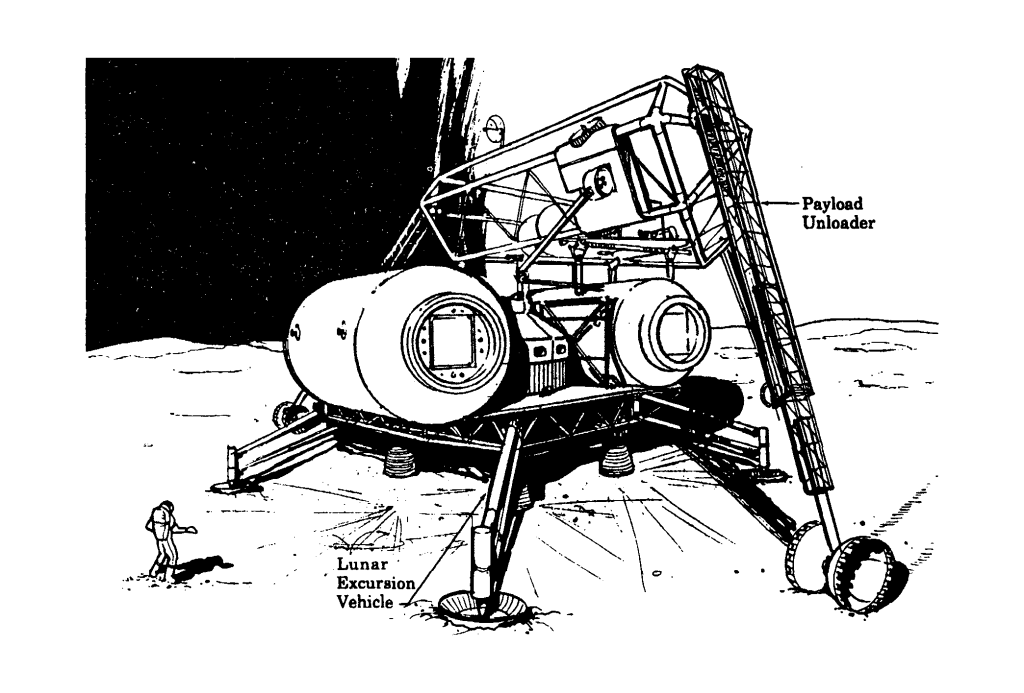
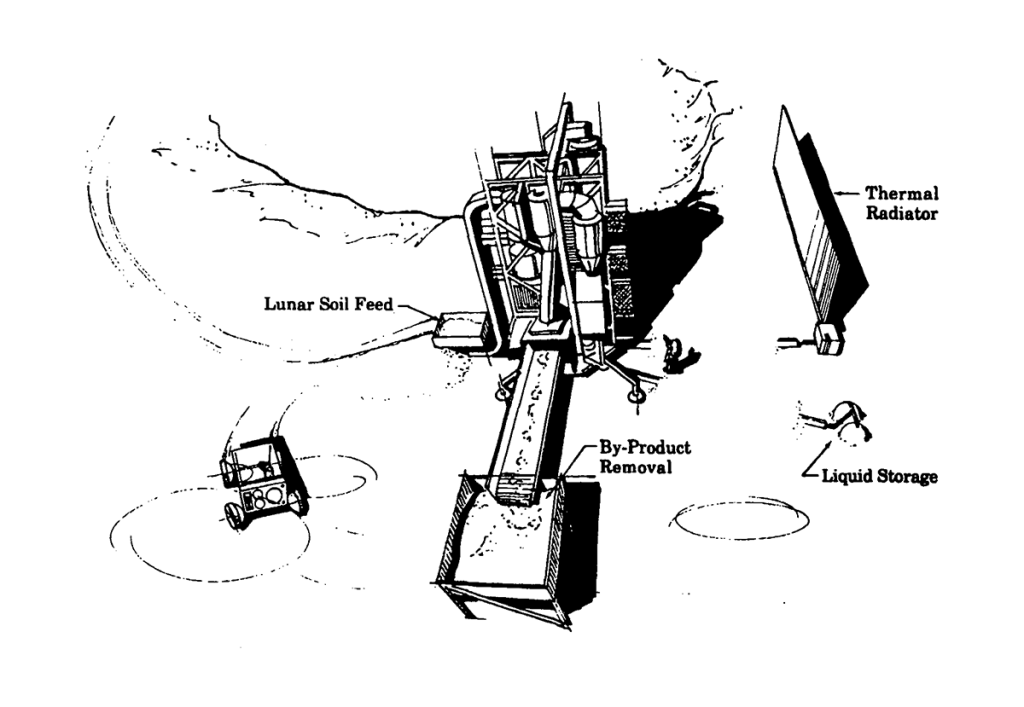
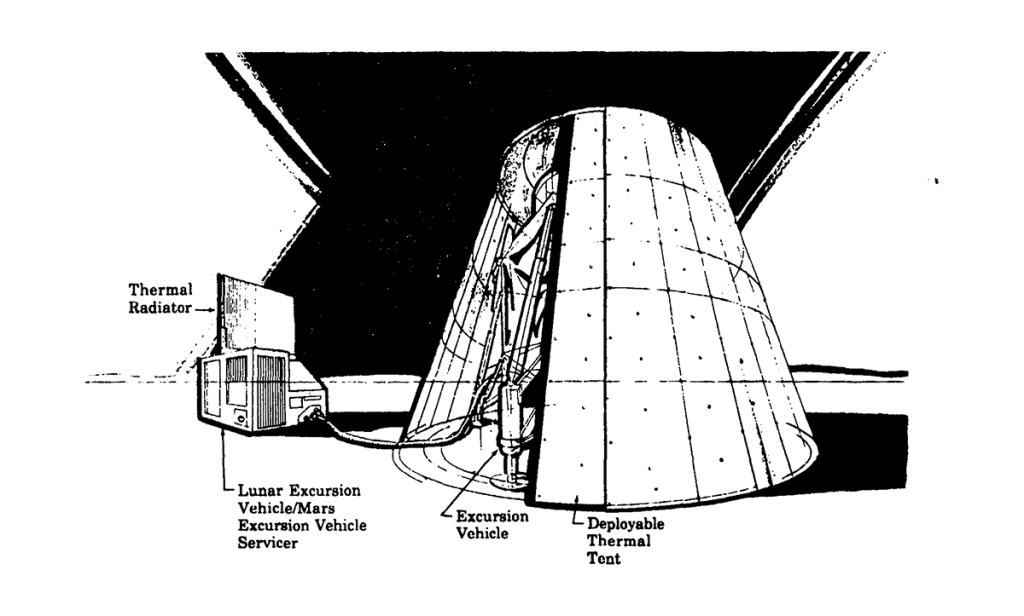
Image credit: NASA
File source: NASA NTRS
Selected Plates From:

(NASA-CR-141856)
FUTURE SPACE TRANSPORTATION STUDIES ANALYSIS STUDY, PHASE 1 TECHNICAL REPORT
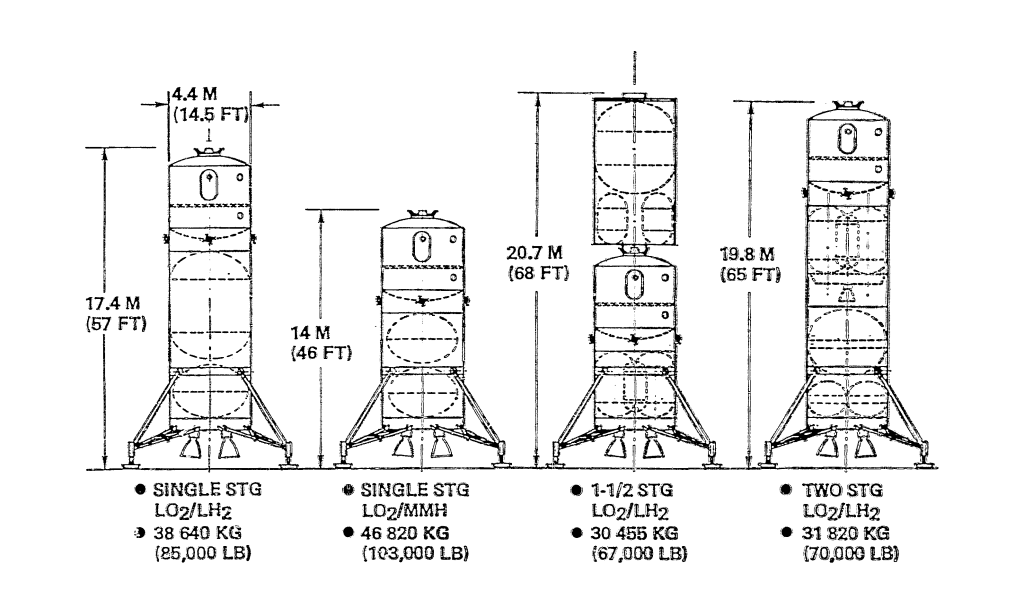
SHUTTLE COMPATIBLE
LARGE DIAMETER OTV
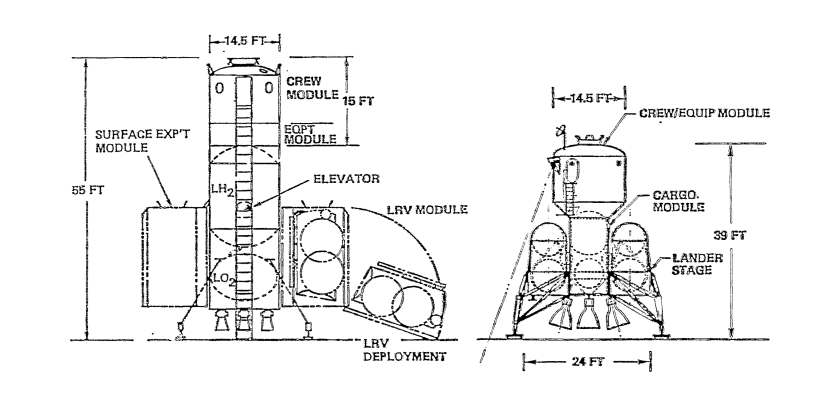
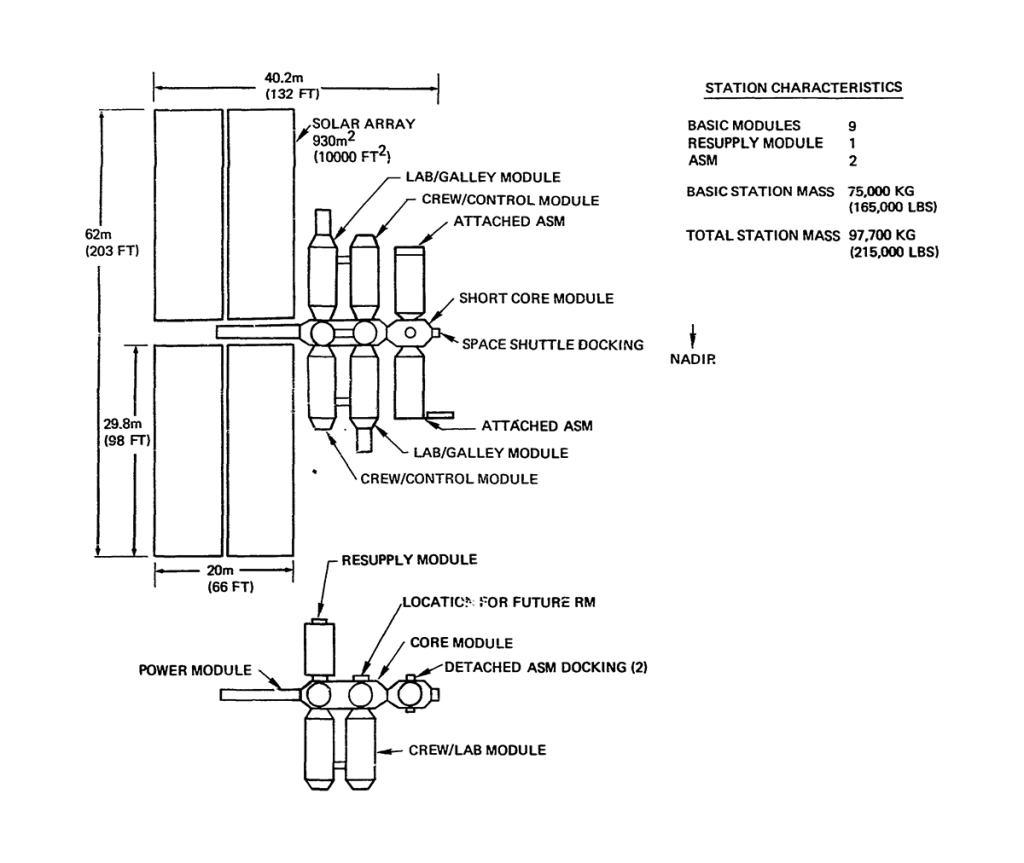
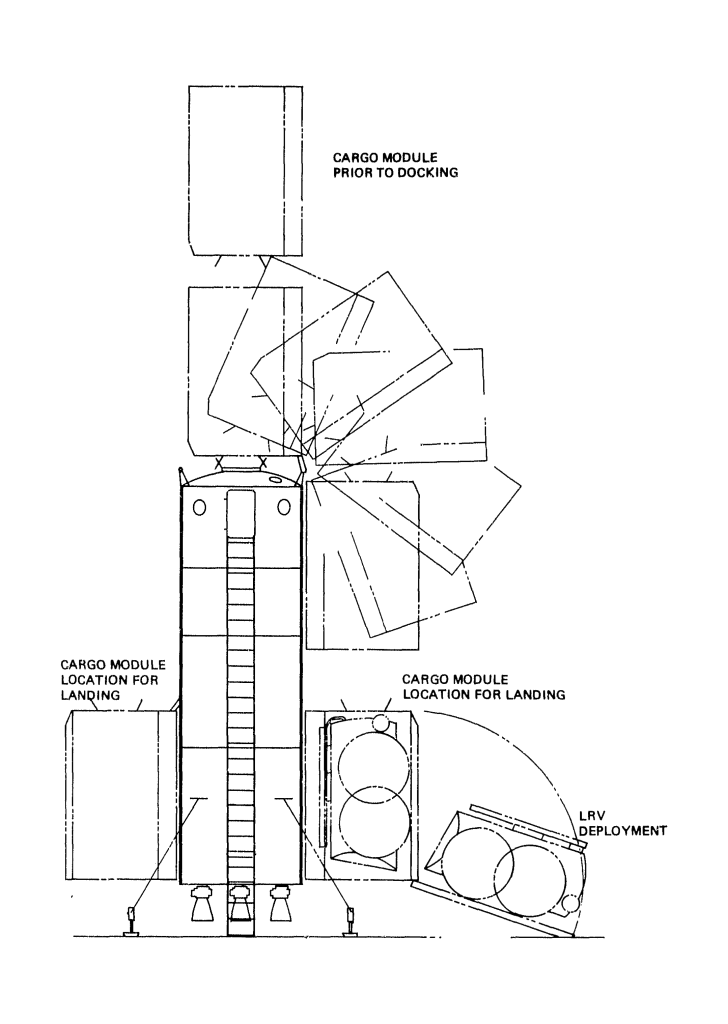
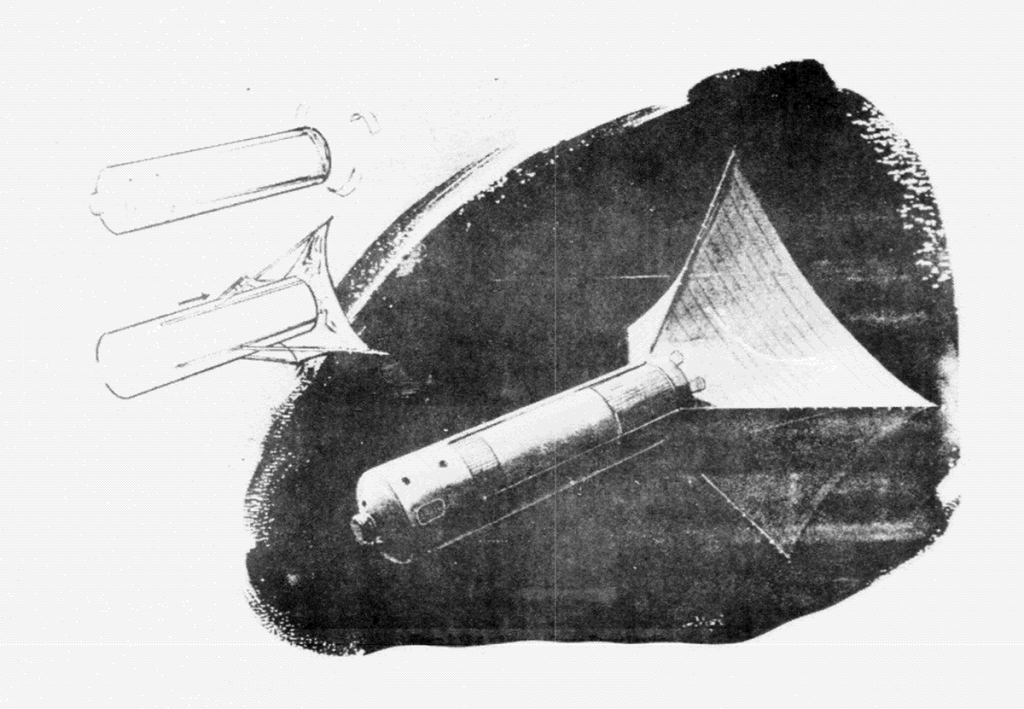
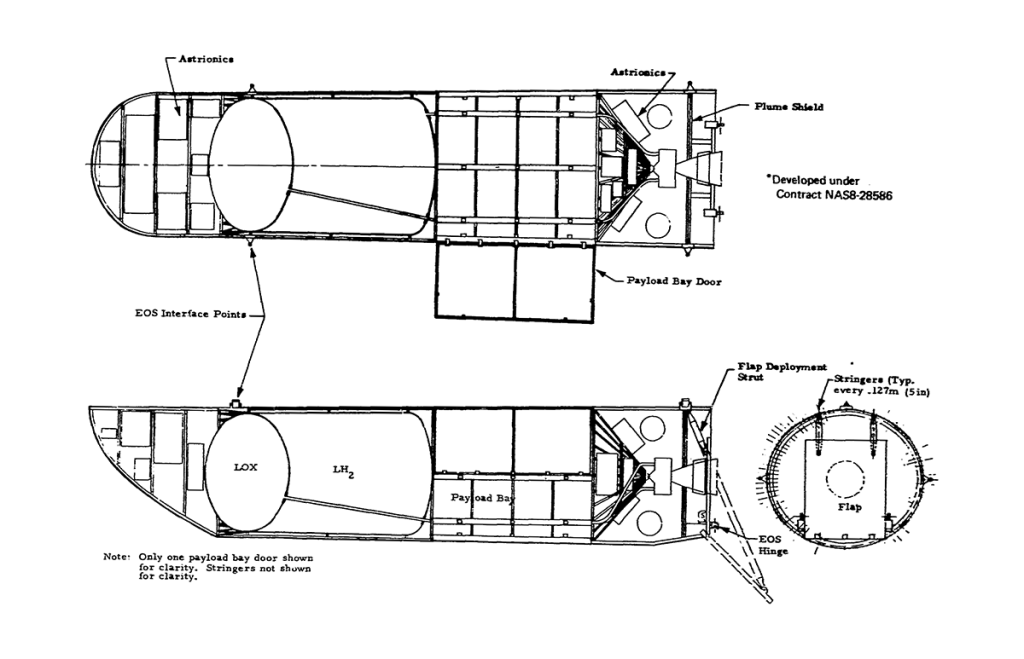
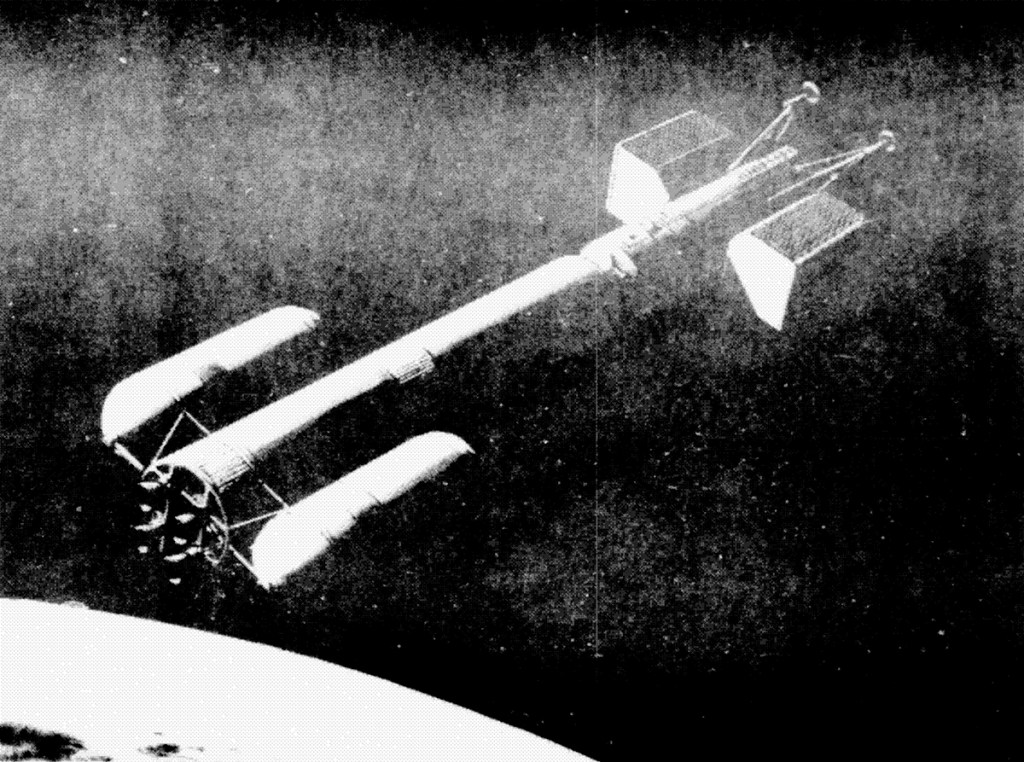
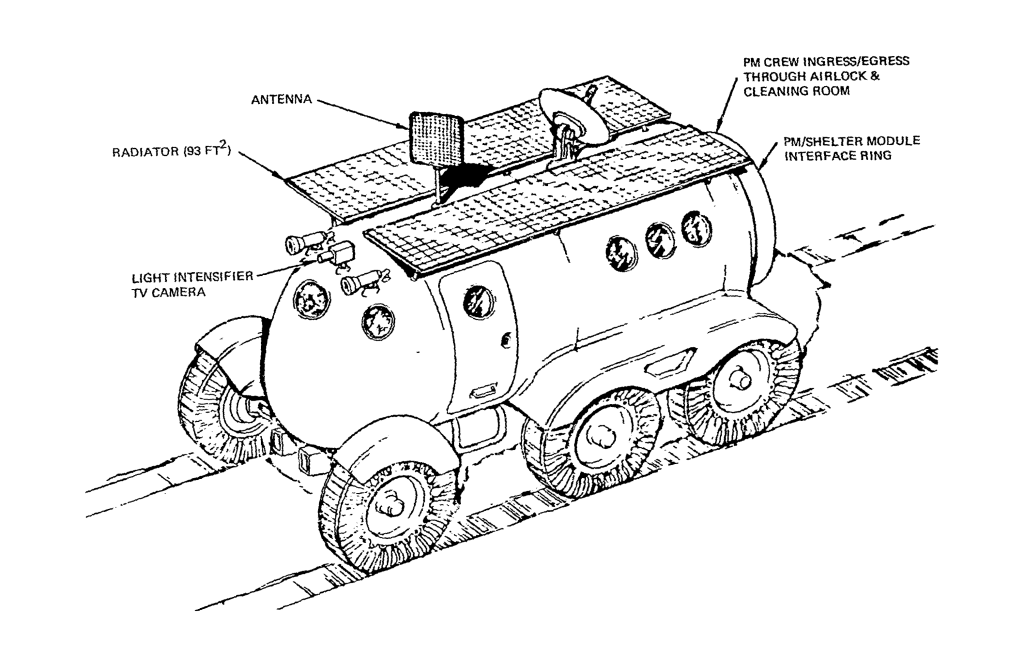
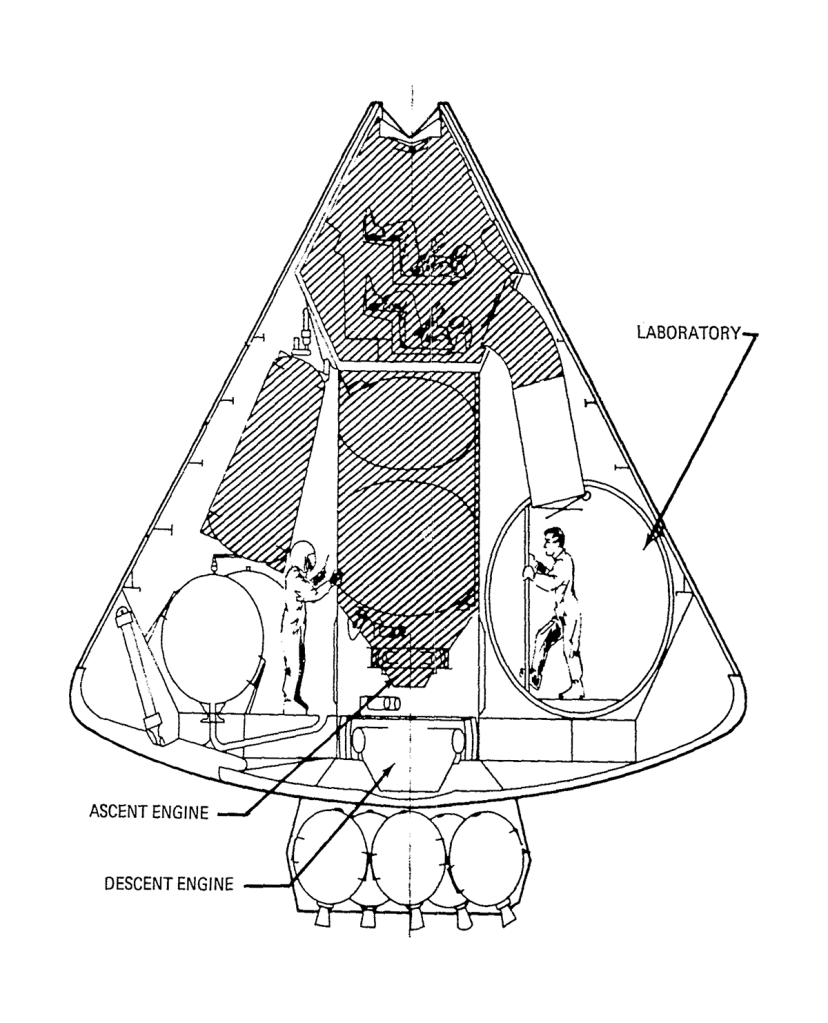
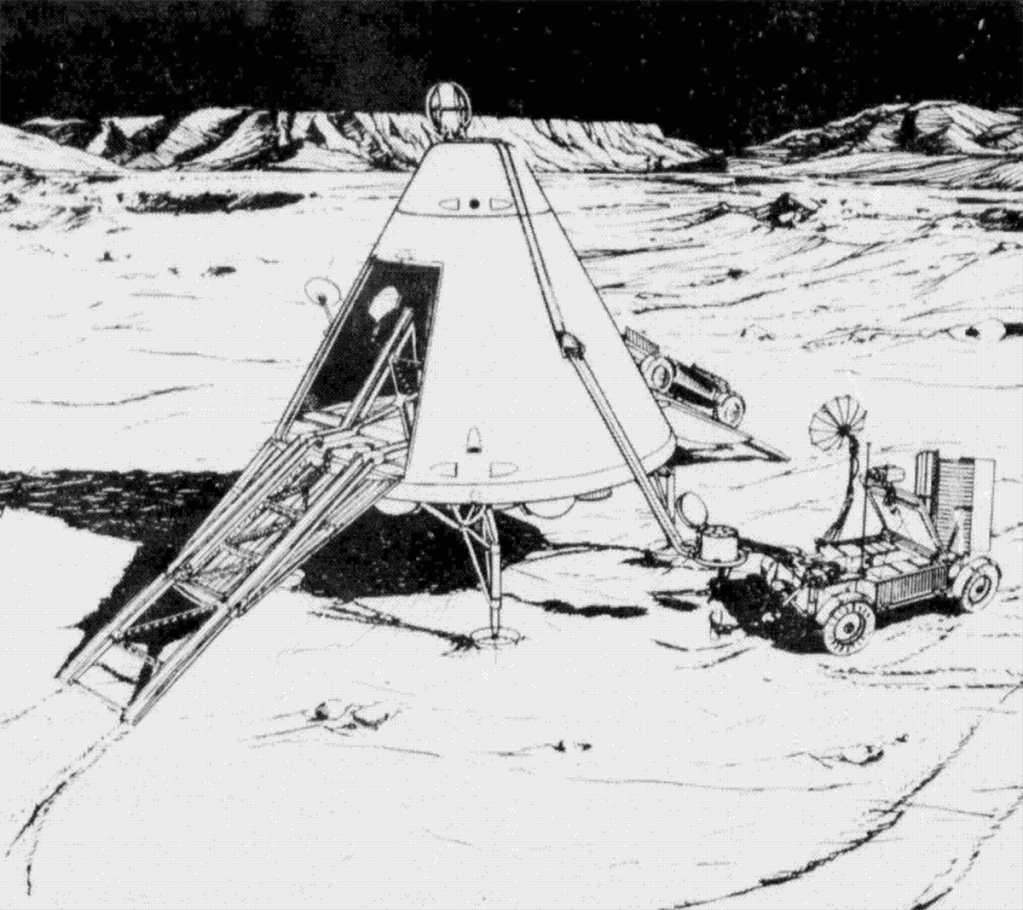
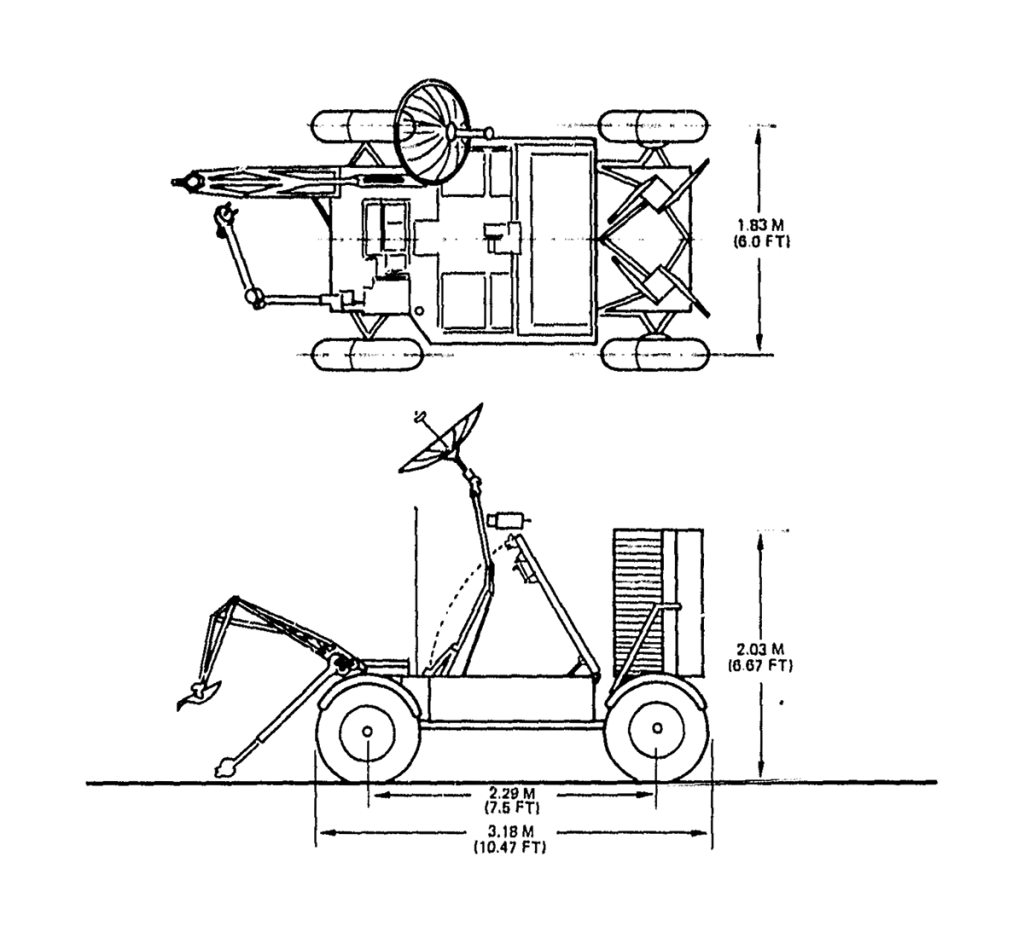
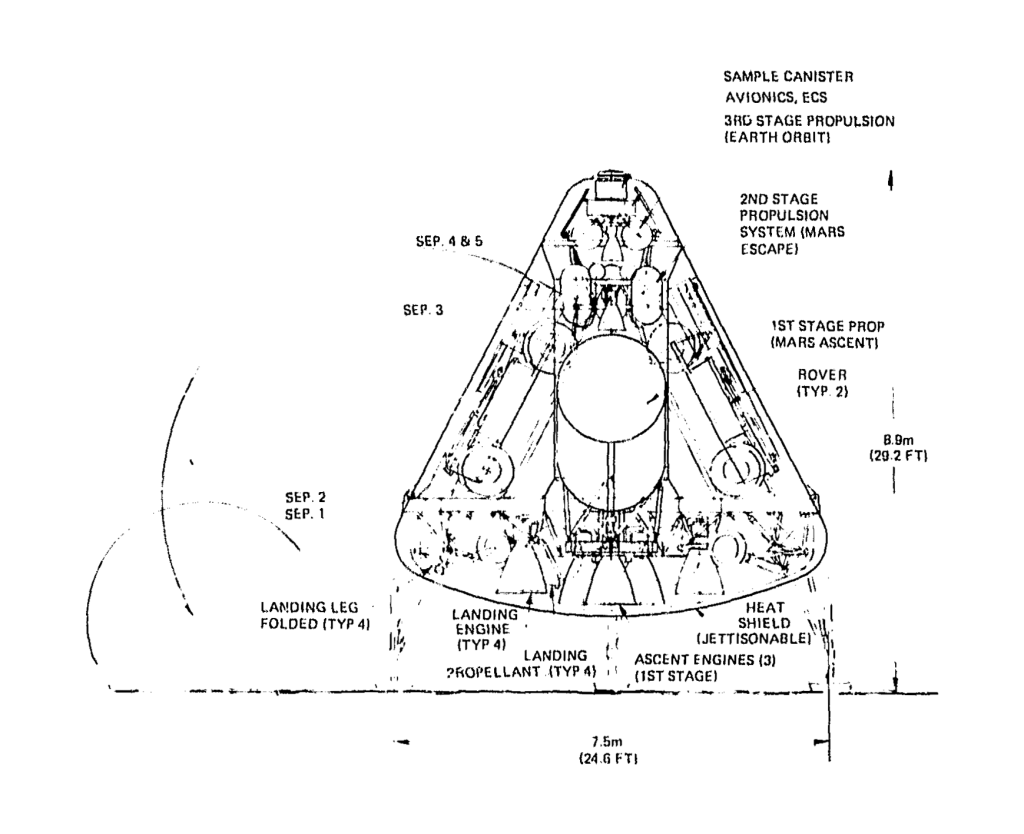
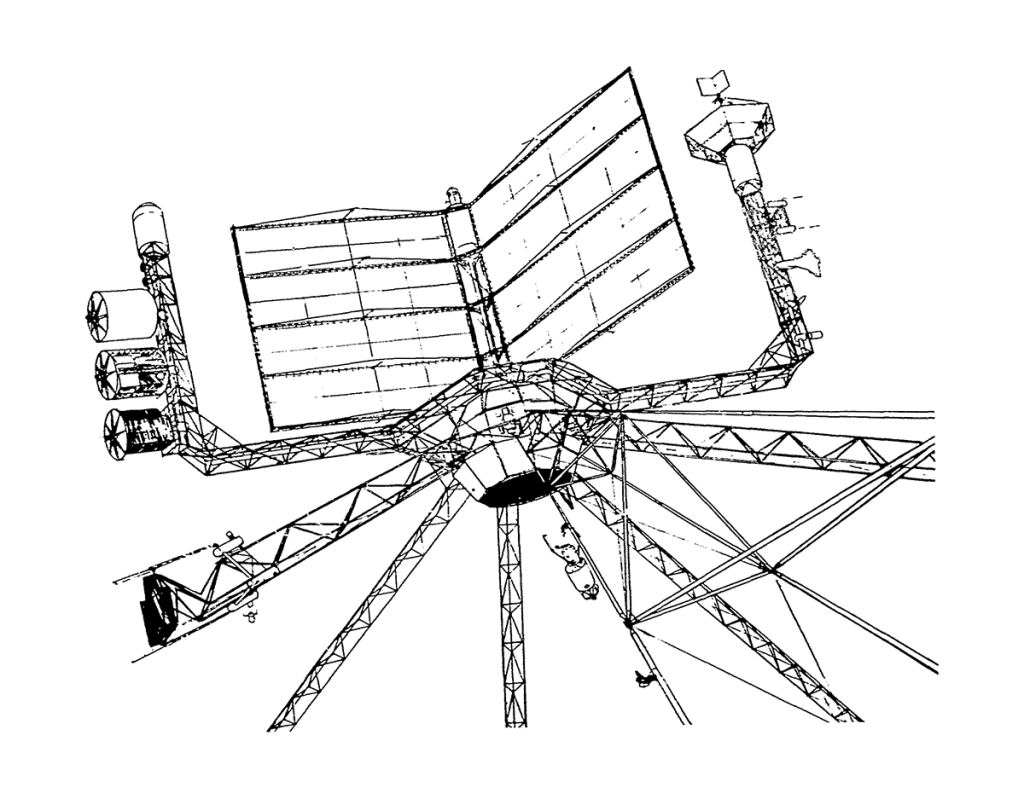
Image credit: Boeing
File source: NASA NTRS