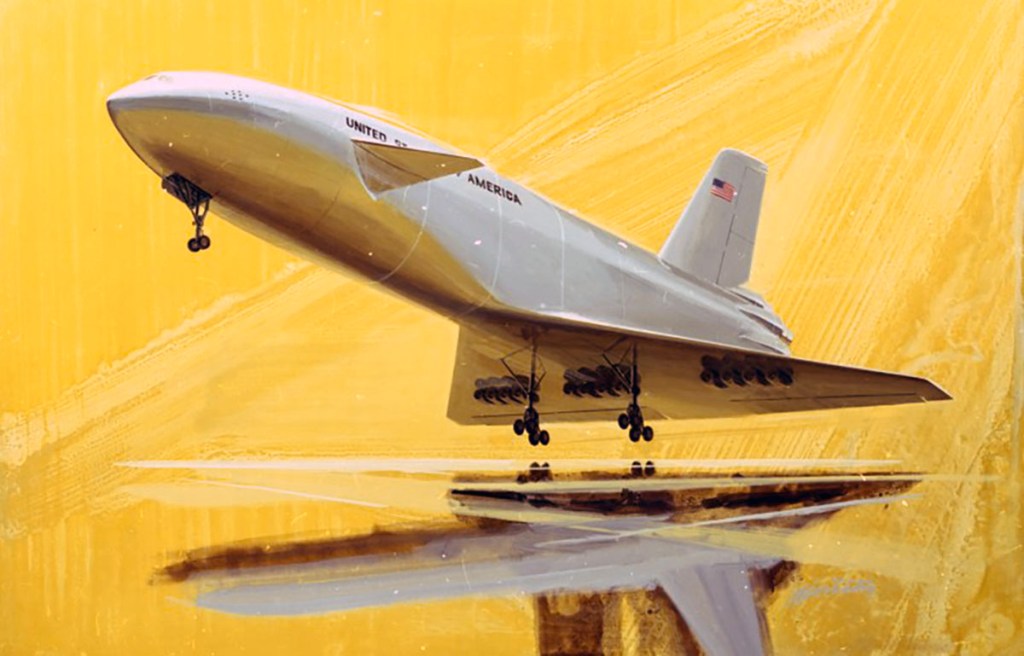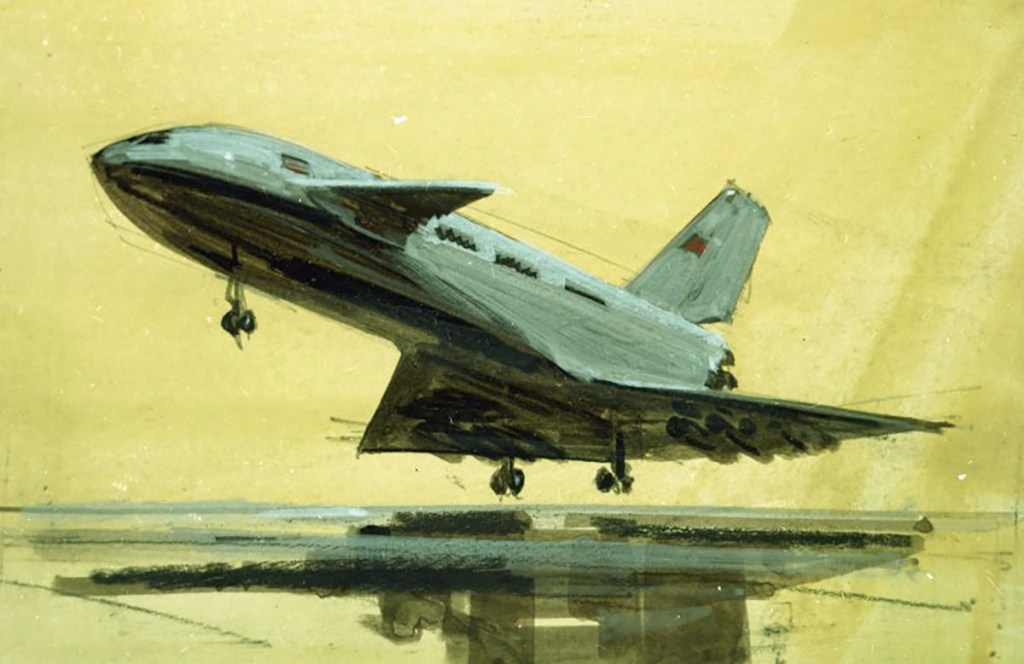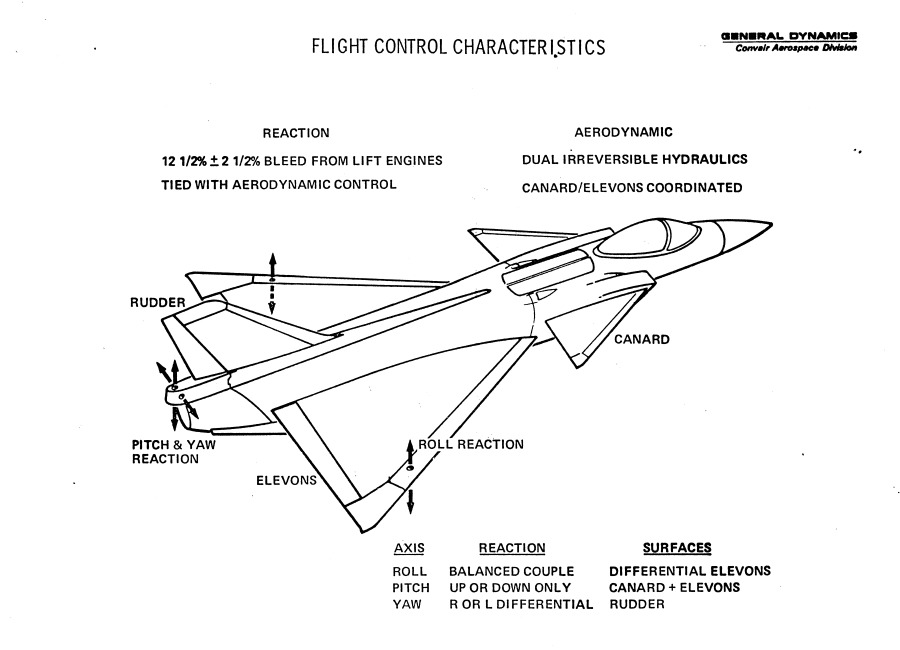
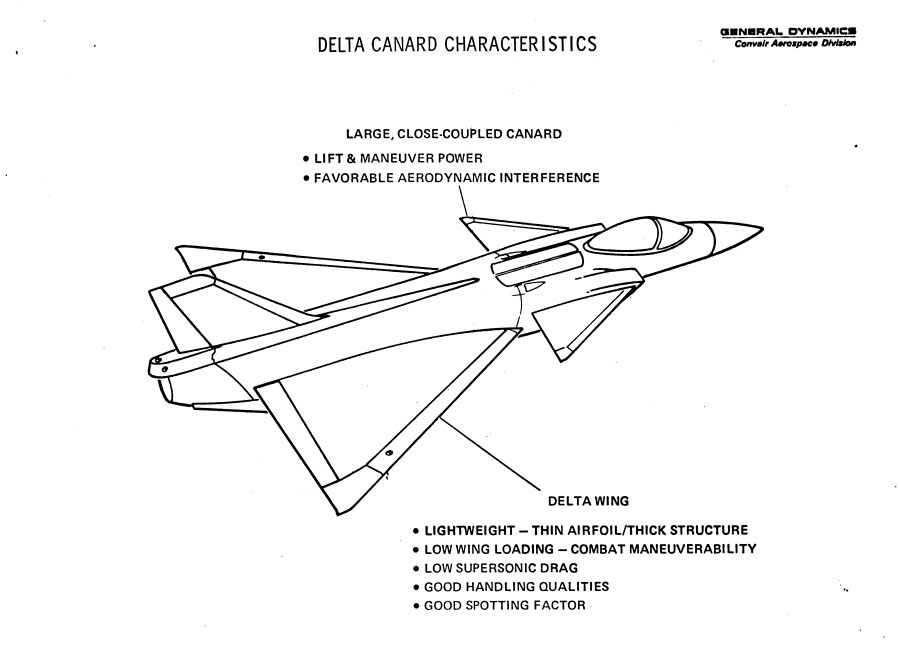


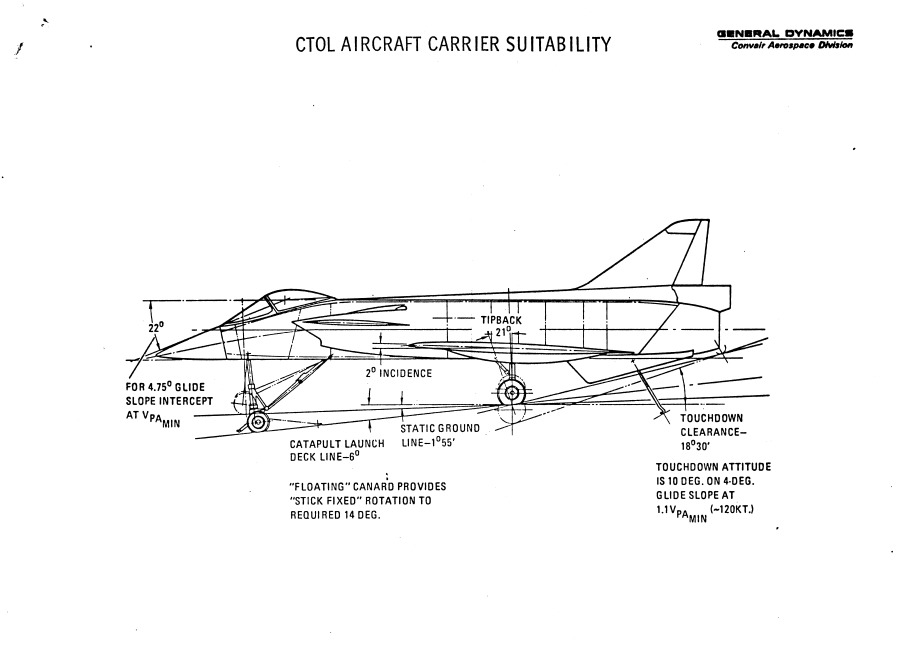
Image credit: Convair
Image source: SDASM Archives
Image credit: Convair
Image source: SDASM Archives
NASA studied this Martin Marietta concept for a fully reusable space transportation system during the Shuttle research effort in 1969-1972. It featured two piloted fly-back vehicles – a twin-fuselage booster craft and a delta-wing orbiter – in a two-stage configuration. The liquid-propellant booster would carry the orbiter to a set altitude, then detach and be piloted back to land. After separation the orbiter would ignite its own engines to reach orbit. Both vehicles had retractable air-breathing jet engines for powered airplane-like flight during descent to landing. NASA transferred a variety of concept models to the Museum after settling on the final Space Shuttle design.
Image credit: NASM
Image source: NASM
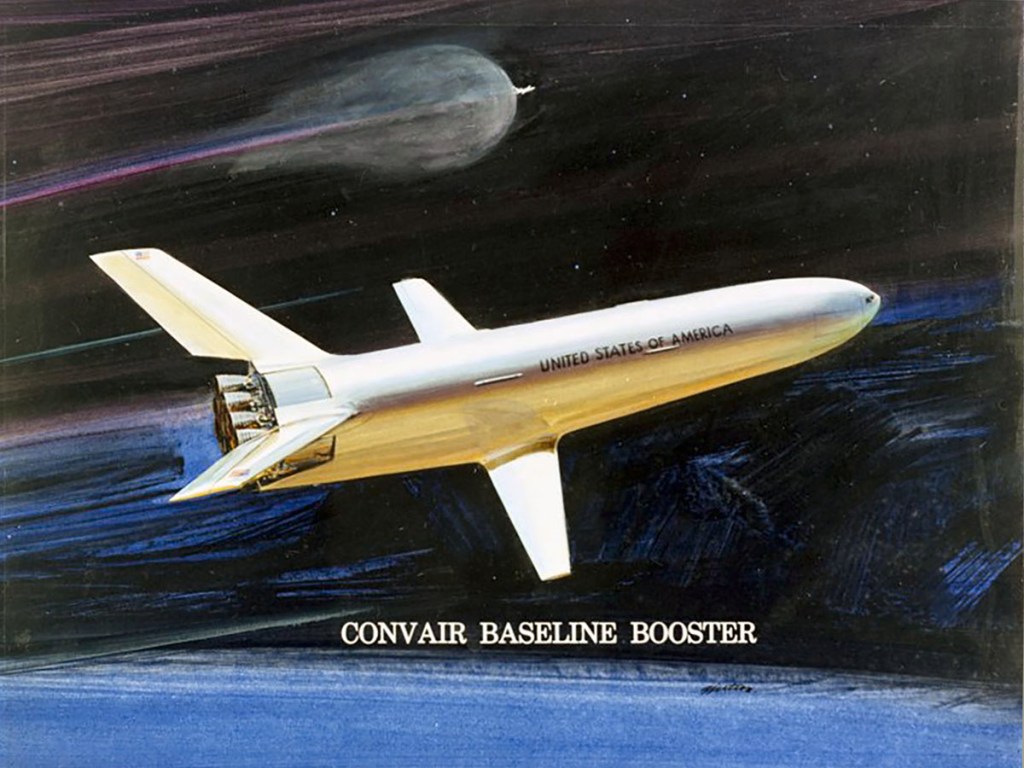
Image credit: Convair
Image source: SDASM Archives
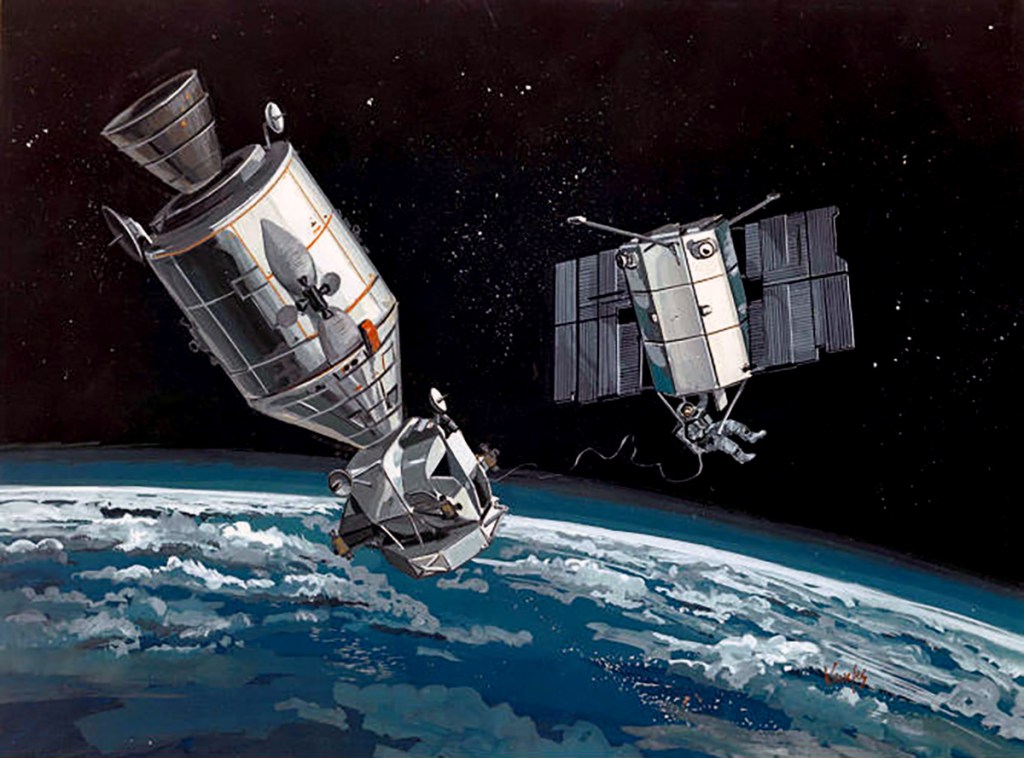
Image credit: Grumman
Image source: Cradle of Aviation Museum
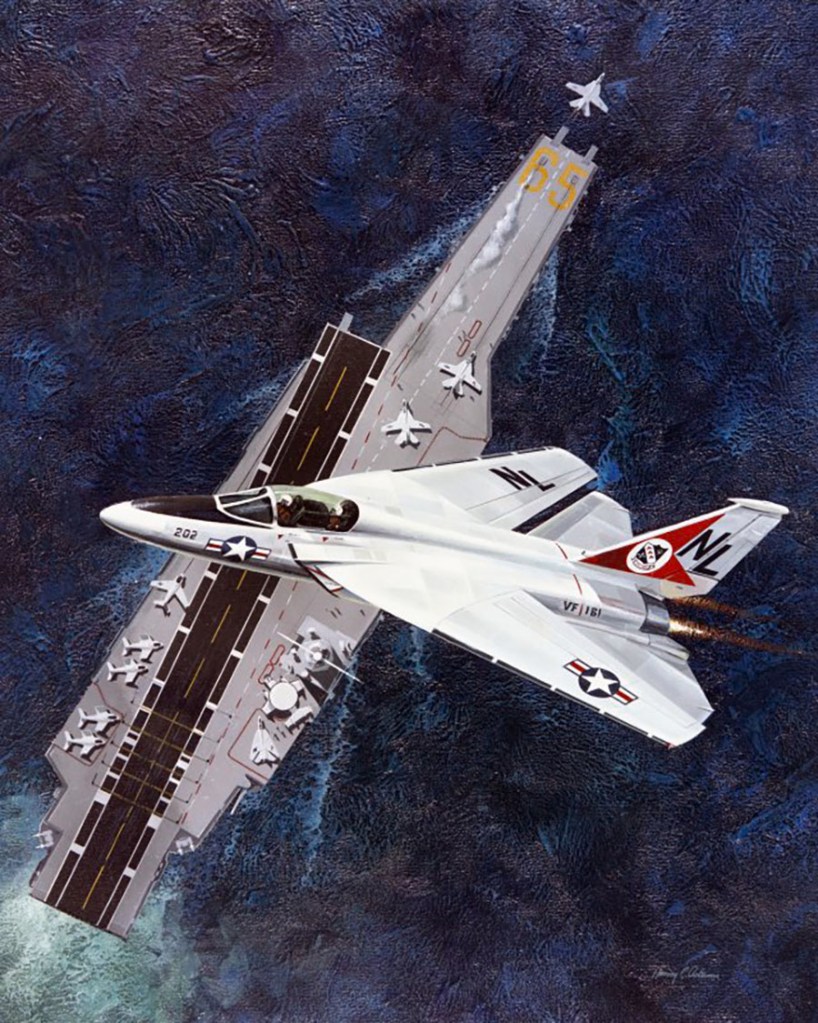
Image credit: Convair
Image source: SDASM Archives
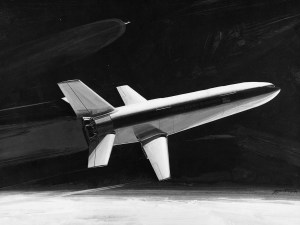
Image credit: Convair
Image source: SDASM Archives
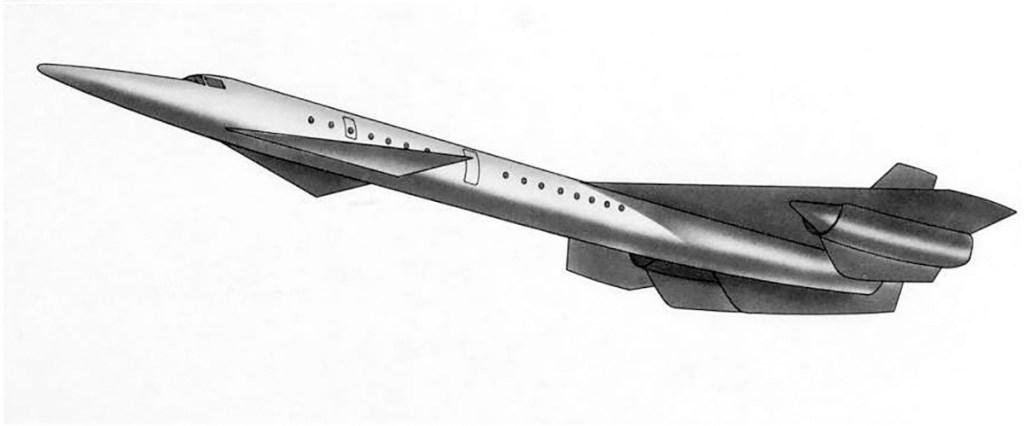
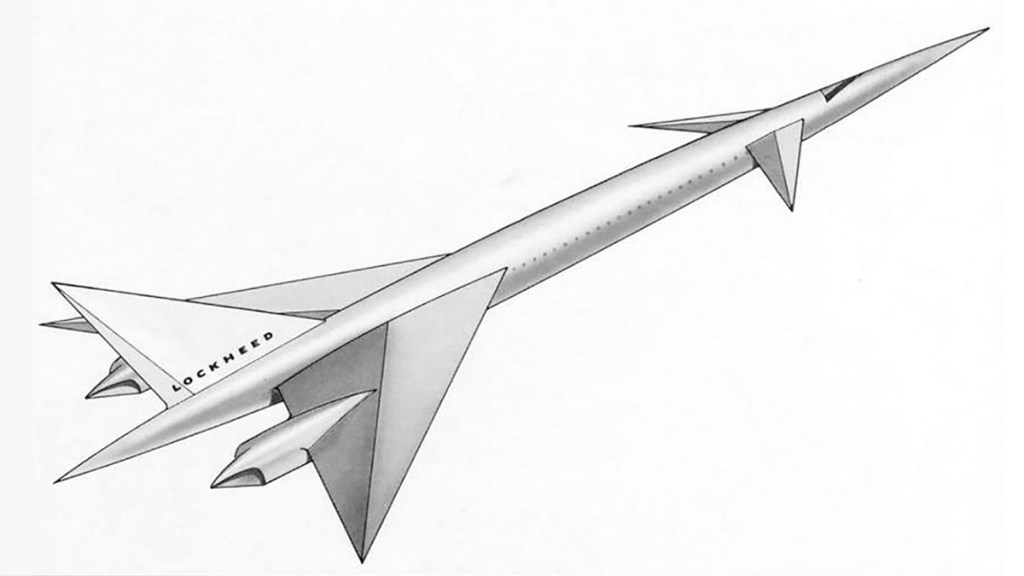
FIGURE 1 Lockheed’s first supersonic transport (SST) design of 1956-58.
FIGURE 2 SST concept of the late-1950s.
Code One, Volume 24, Number 2, 2009
Image credit: Lockheed Martin Aeronautics Company
Image source: The Portal to Texas History

Code One, Volume 24, Number 2, 2009
Image credit: Lockheed Martin Aeronautics Company
Image source: The Portal to Texas History
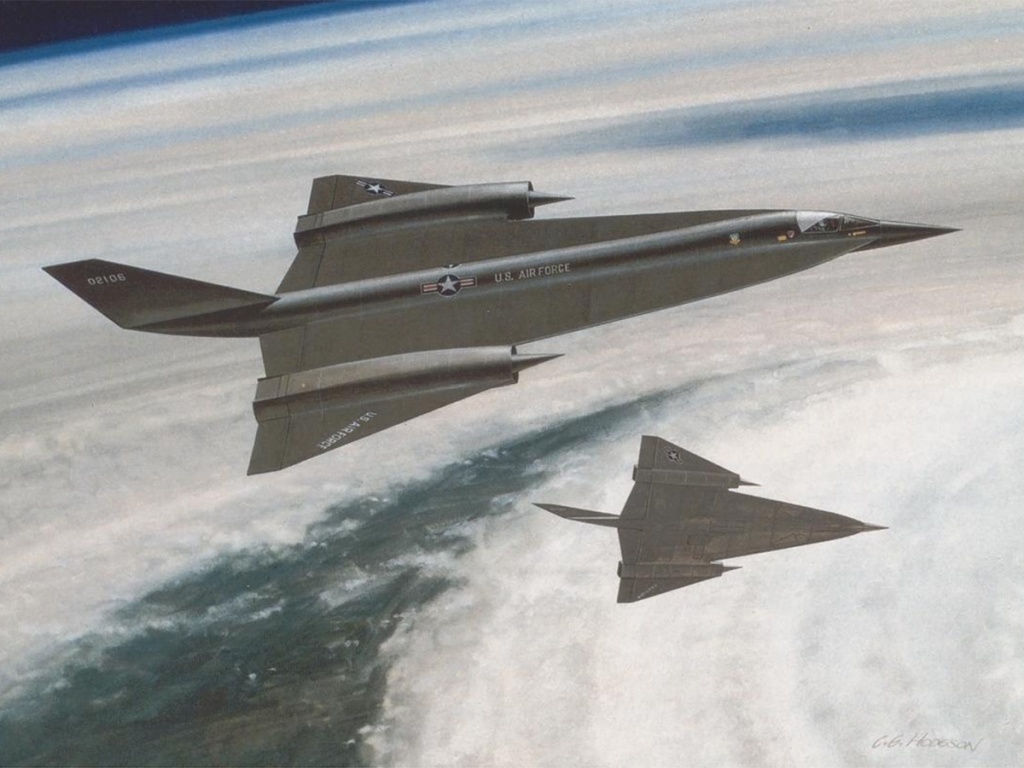
A Lockheed concept for the advanced tactical fighter (ATF) aircraft.
Lockheed Horizons, Number 17, February 1985
Image credit: Lockheed Martin
Image source: The Portal to Texas History
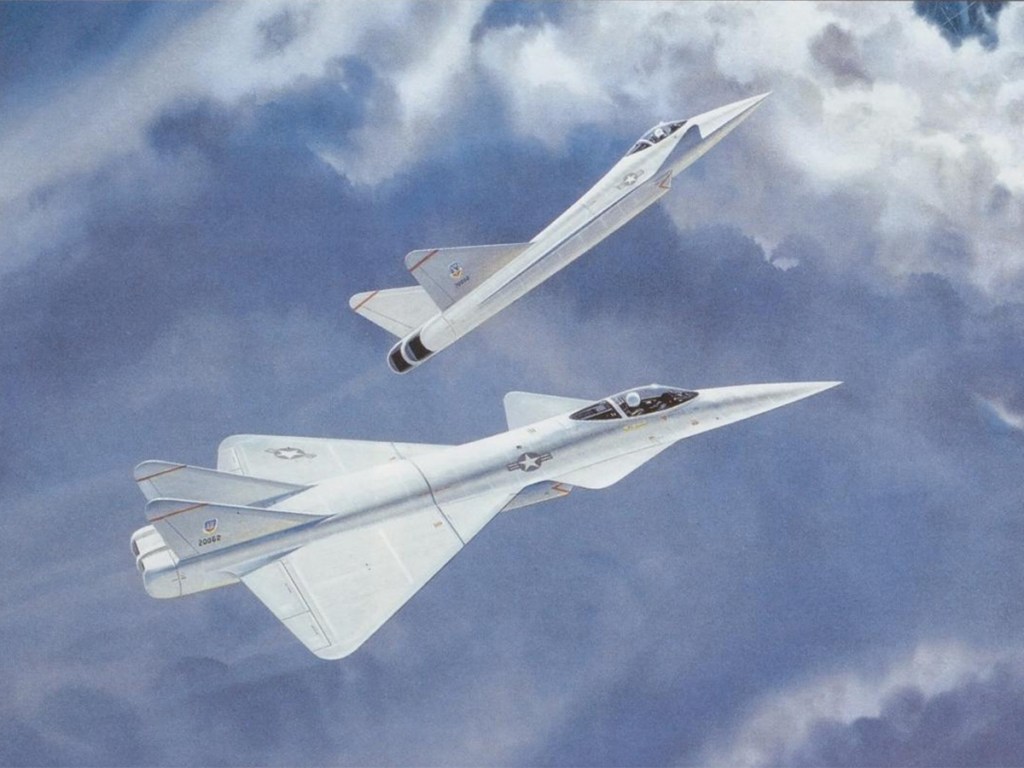
Lockheed Horizons, Number 18, June 1985
Image credit: Lockheed Martin
Image source: The Portal to Texas History

Artist’s concept of the pre-Shuttle Lockheed-sponsored Star Clipper stage-and-one-half lifting body configuration ascending from a desert launching base – circa 1968.
Lockheed Horizons, Number 13, 1983
Image credit: Lockheed Martin
Image source: The Portal to Texas History