Space Station
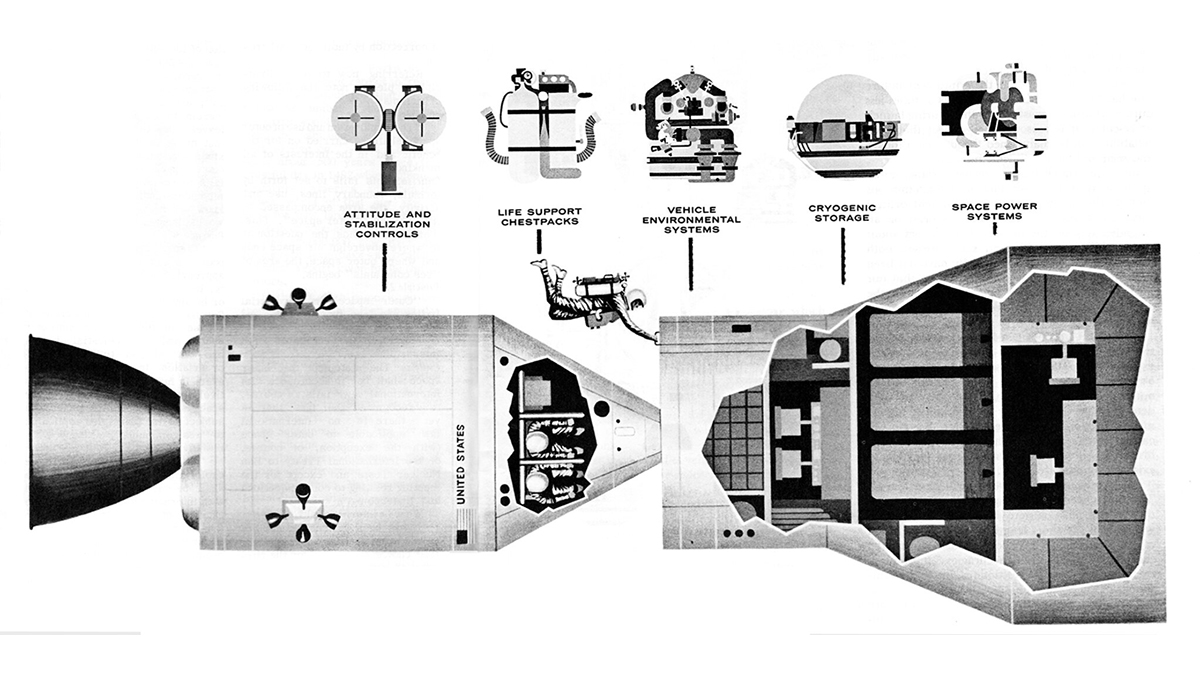
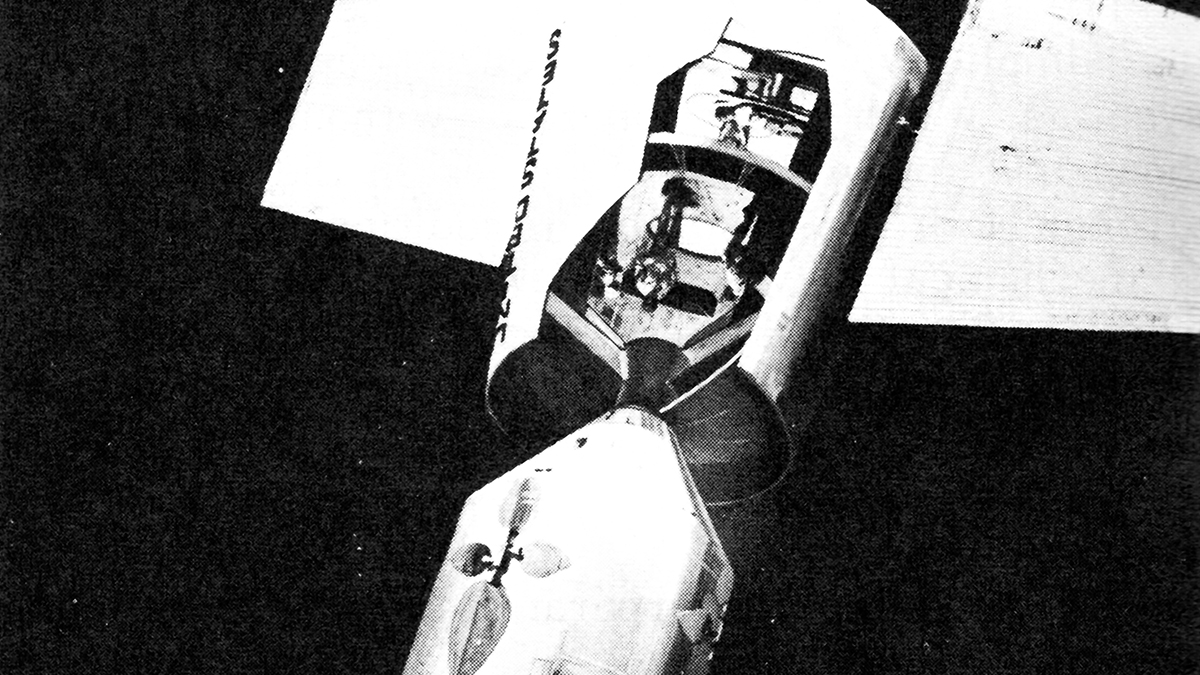
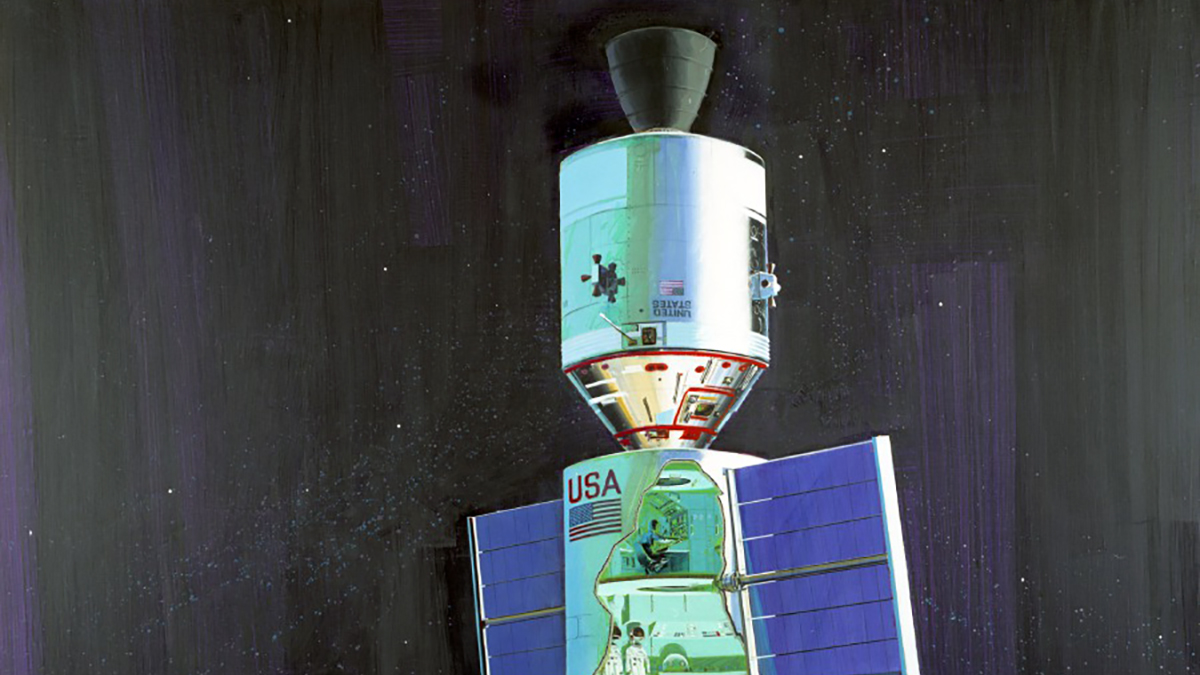
Apollo X
Astropolis
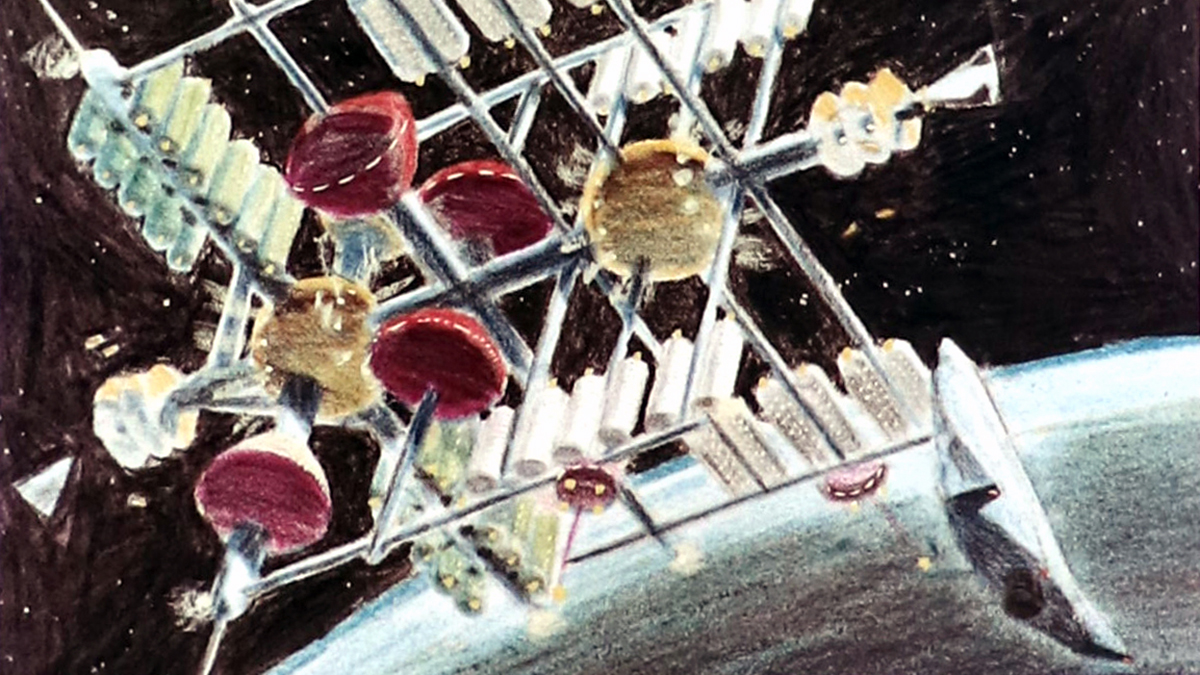


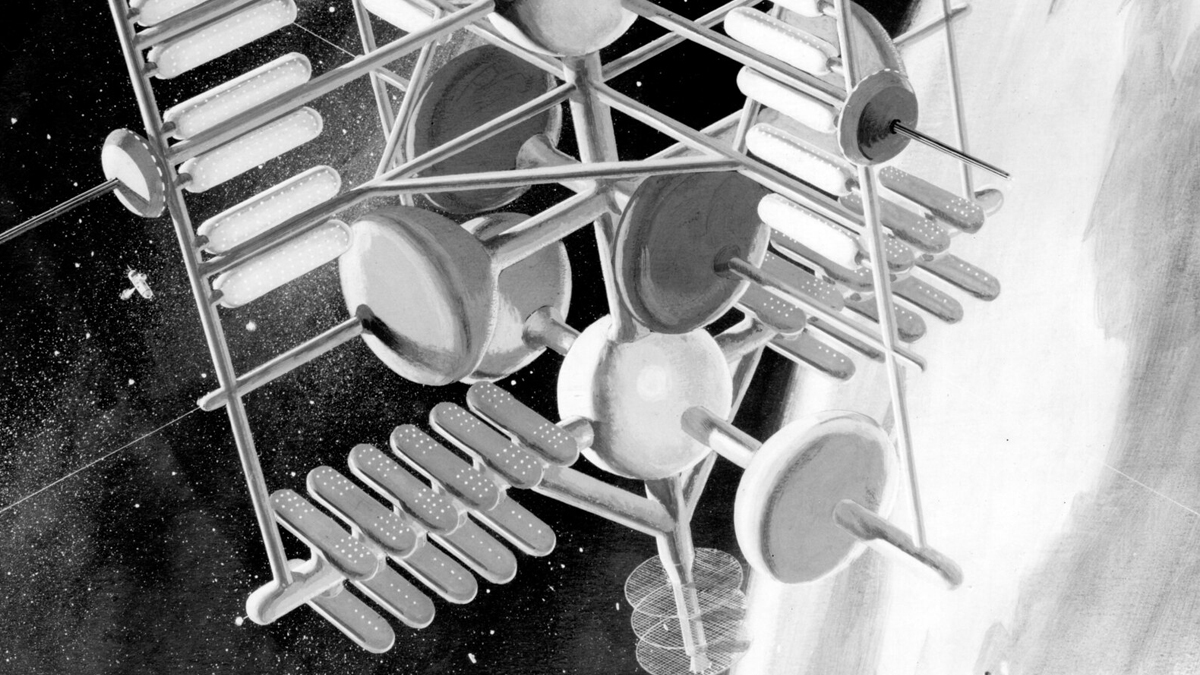
Austere Modular Space Station – 1975
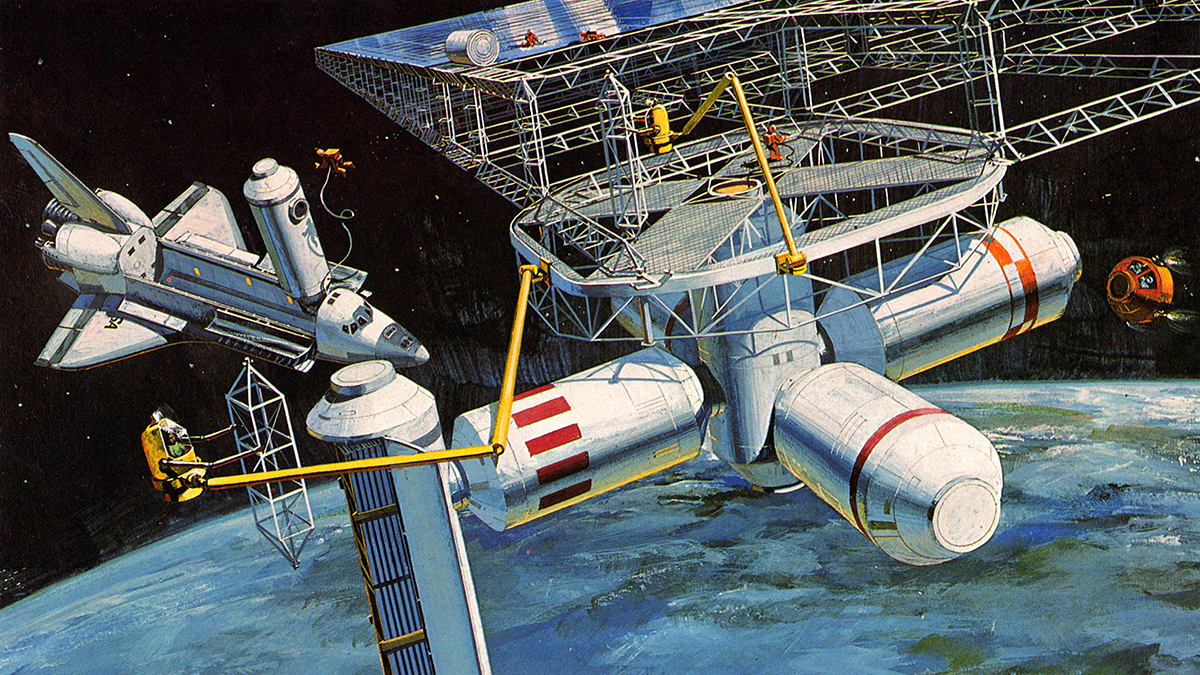
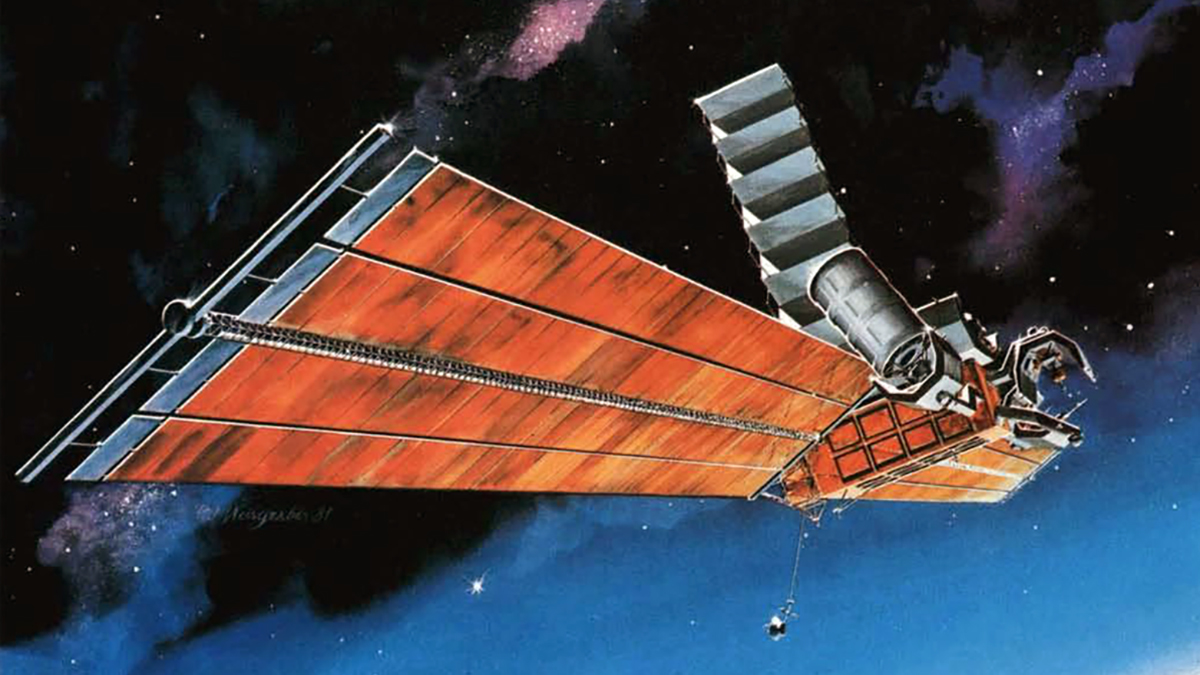
Boeing Solar Power Satellite
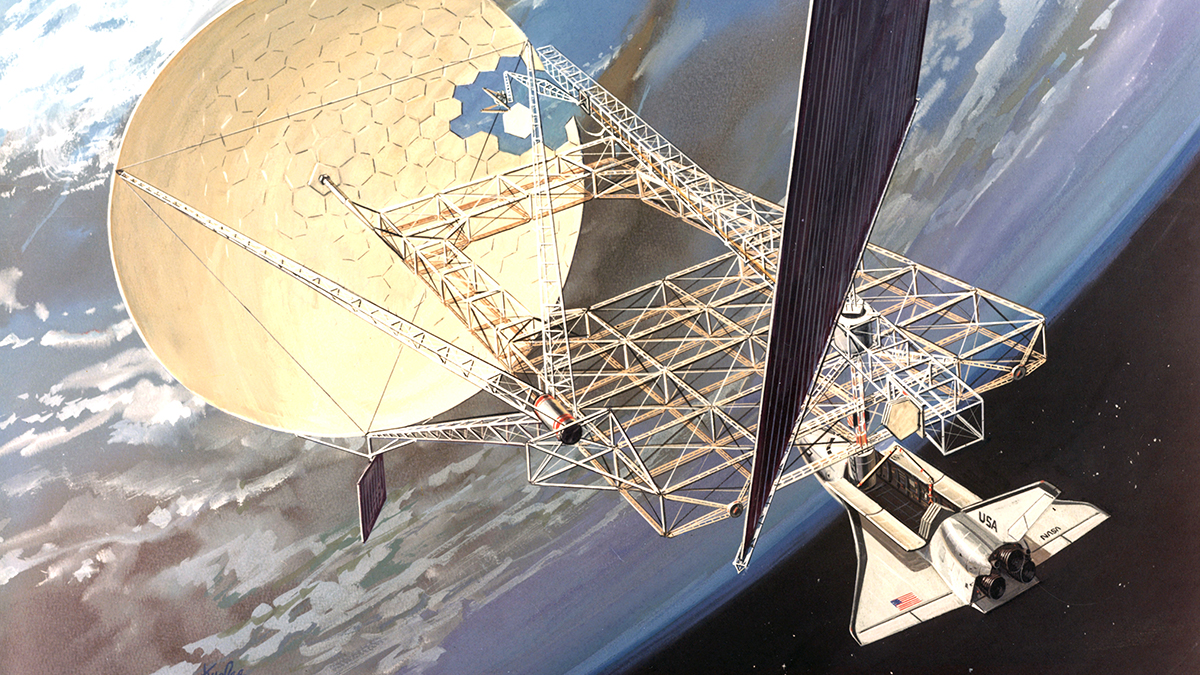
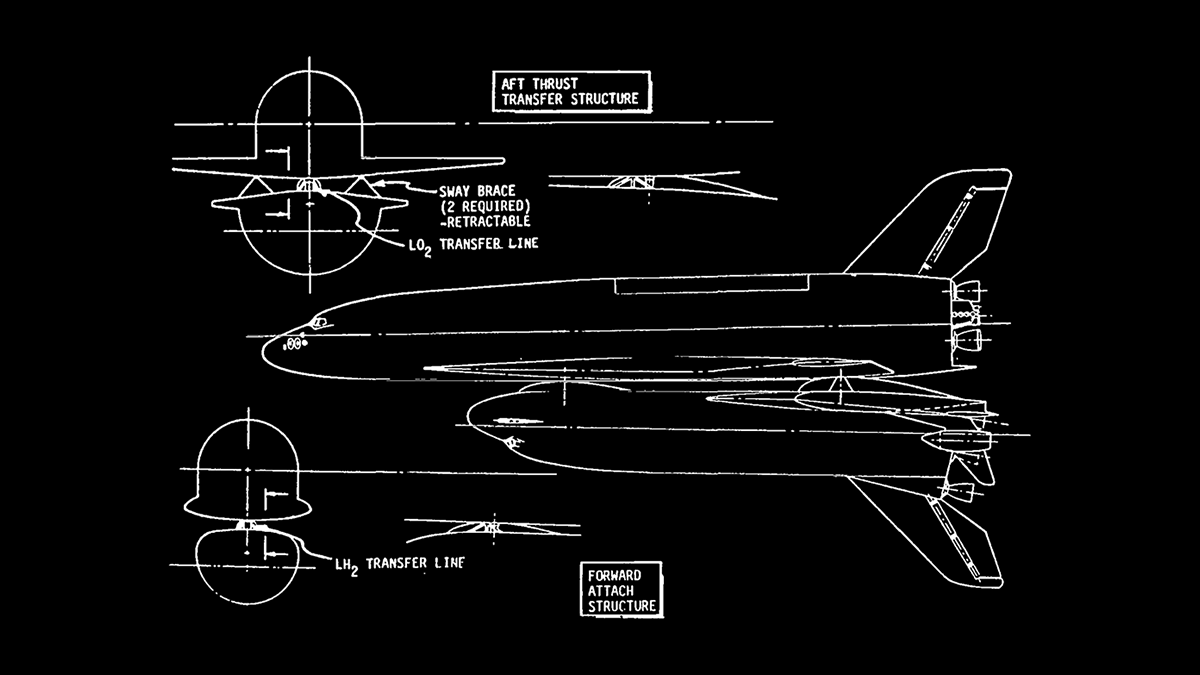
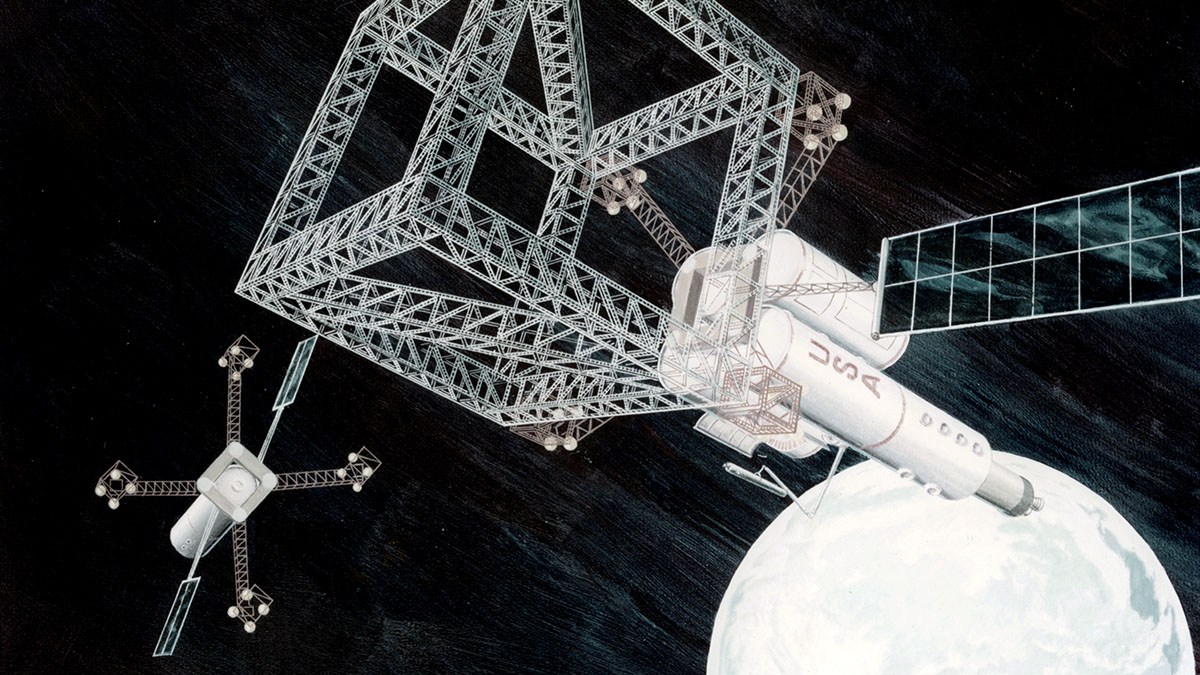
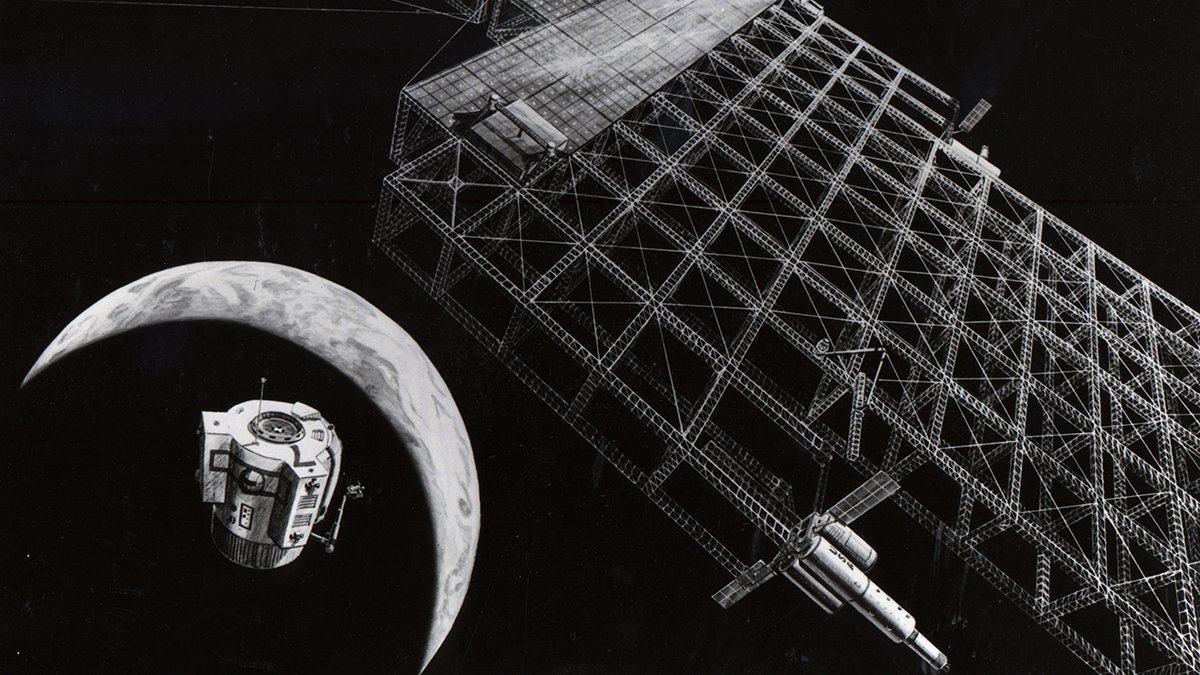
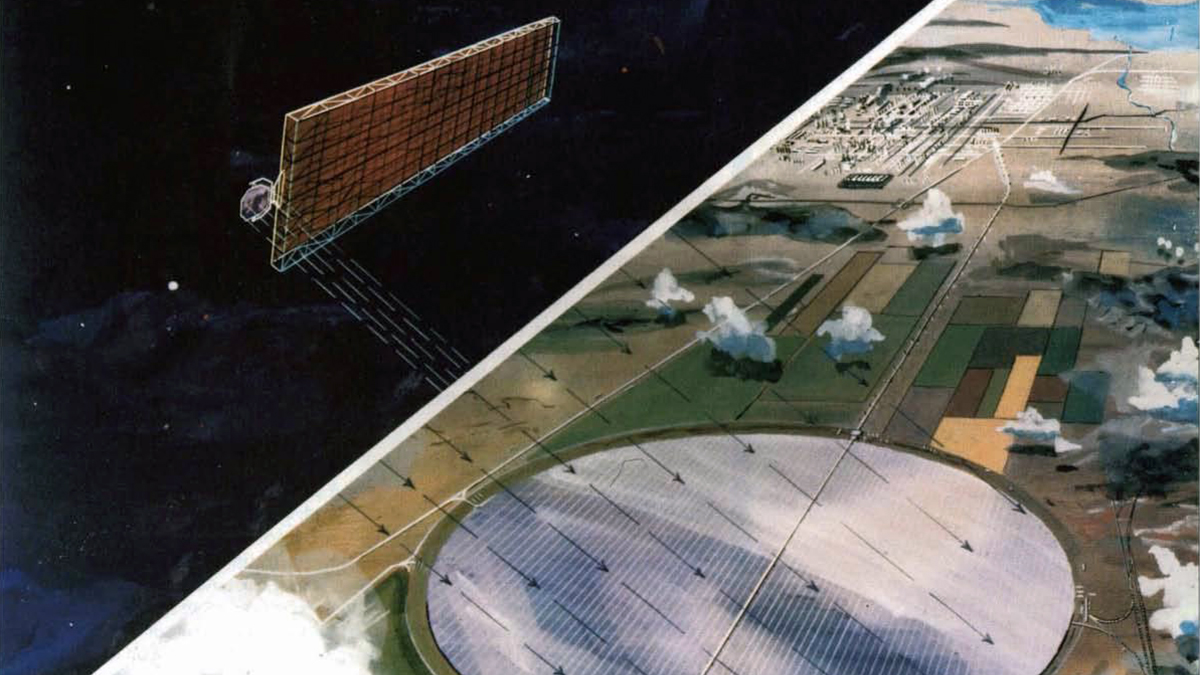
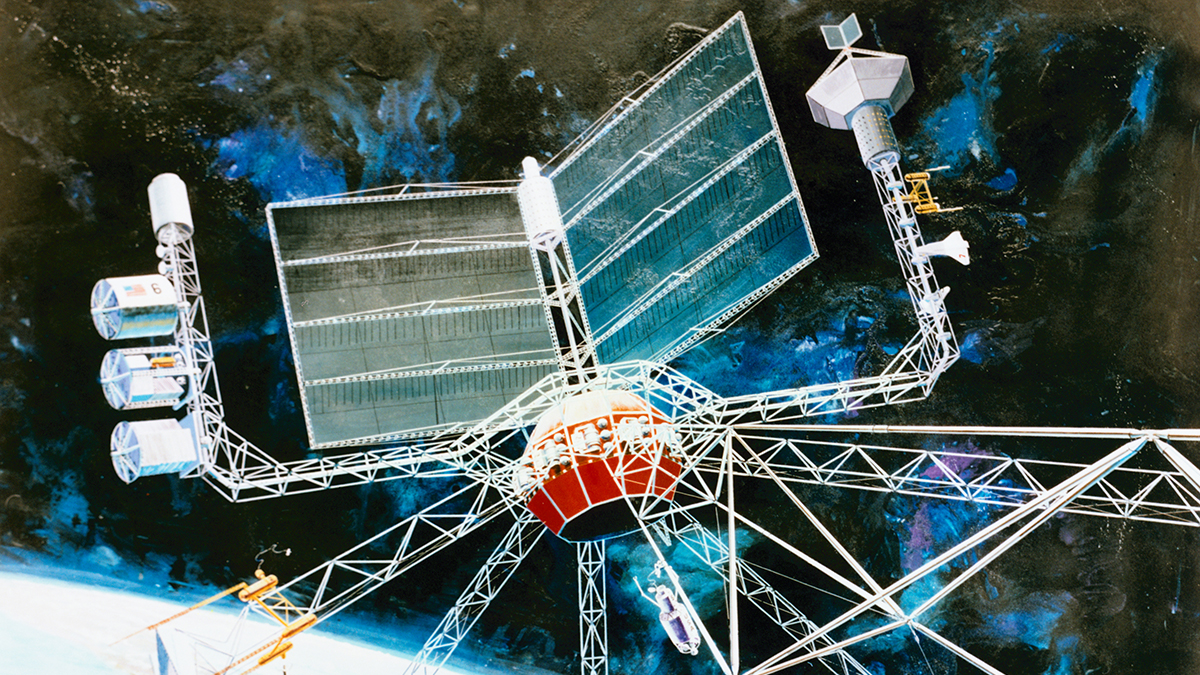
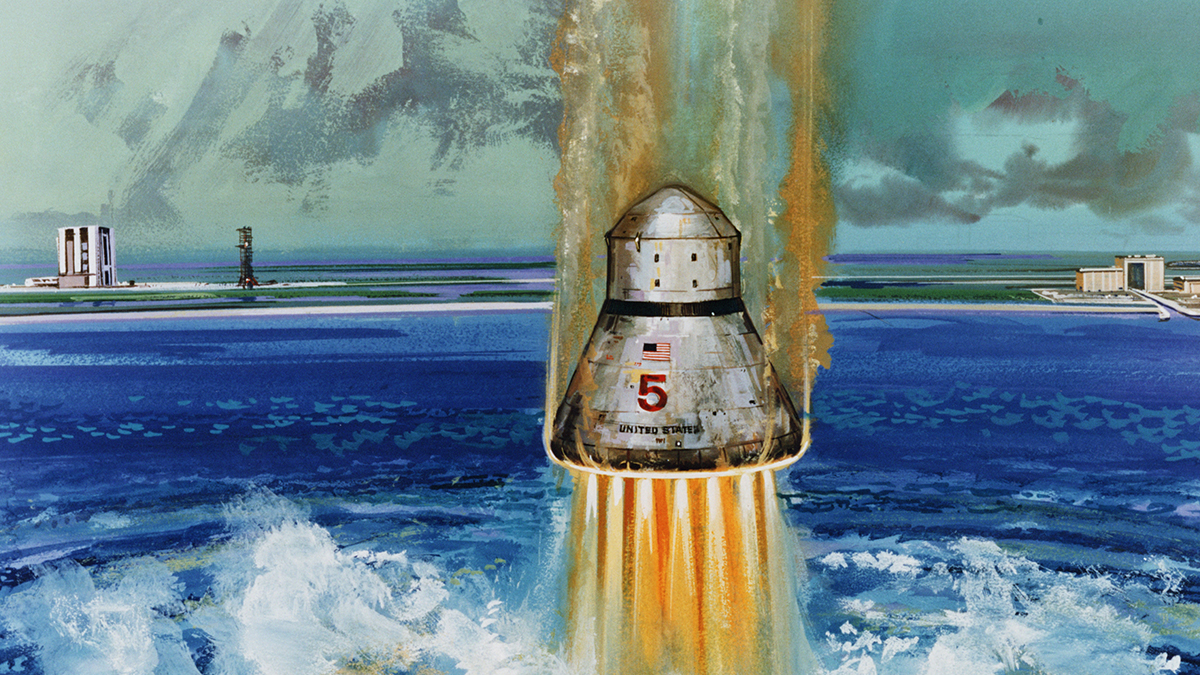
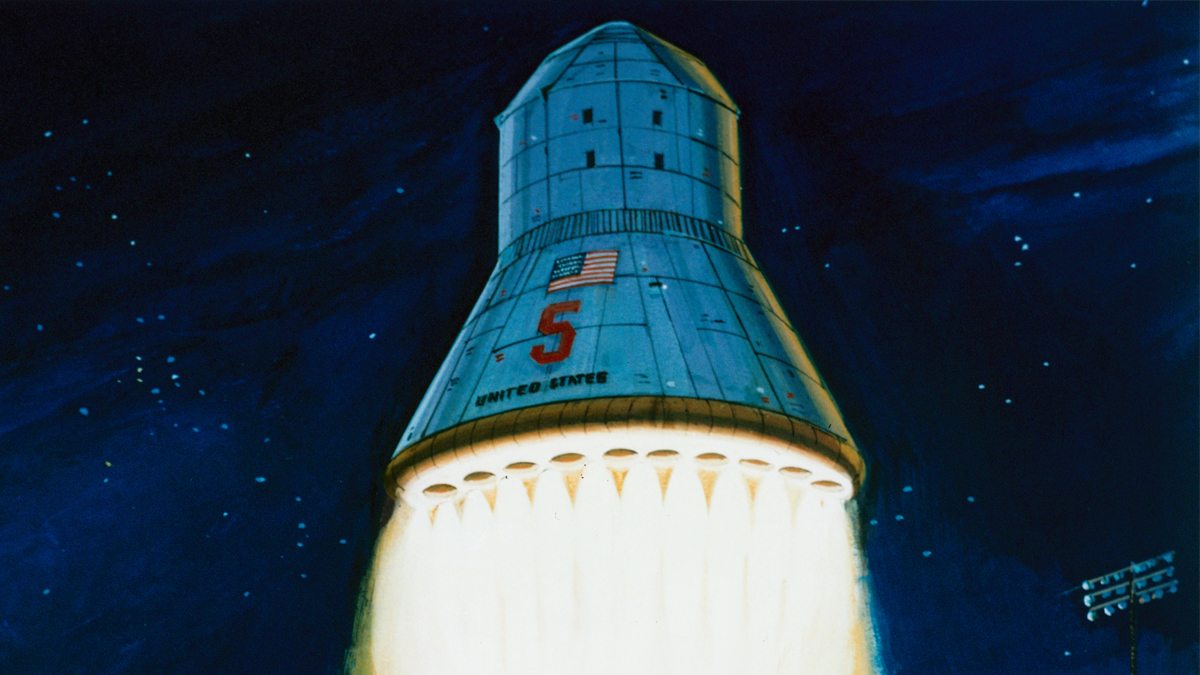
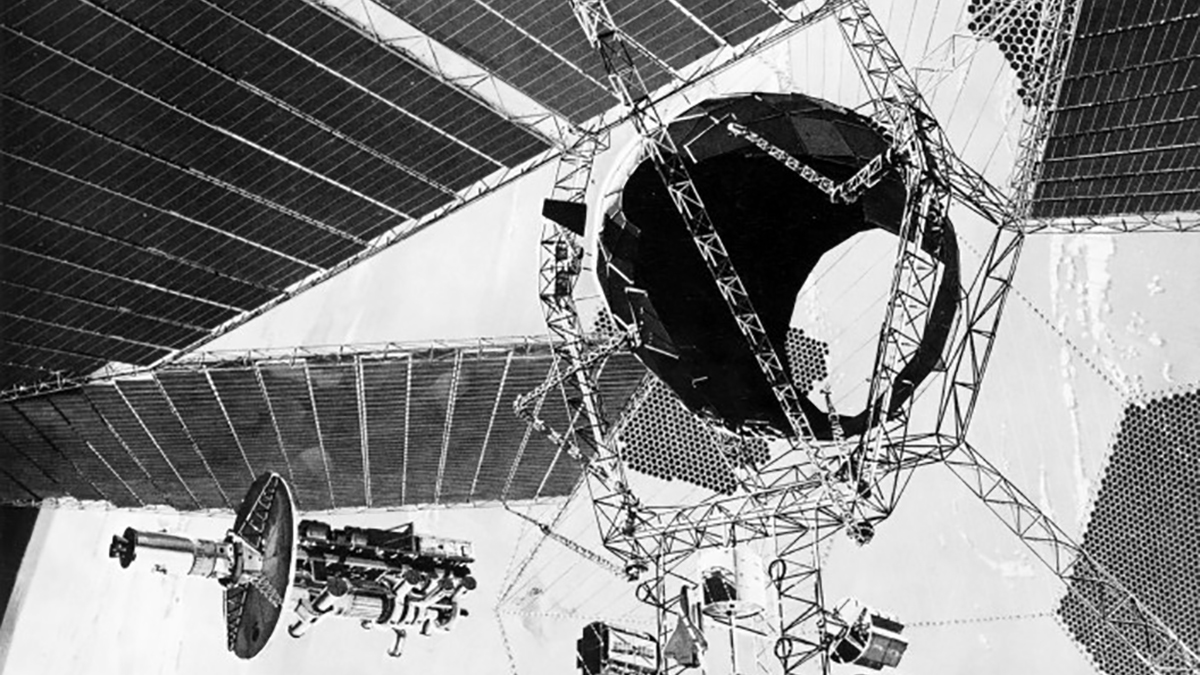
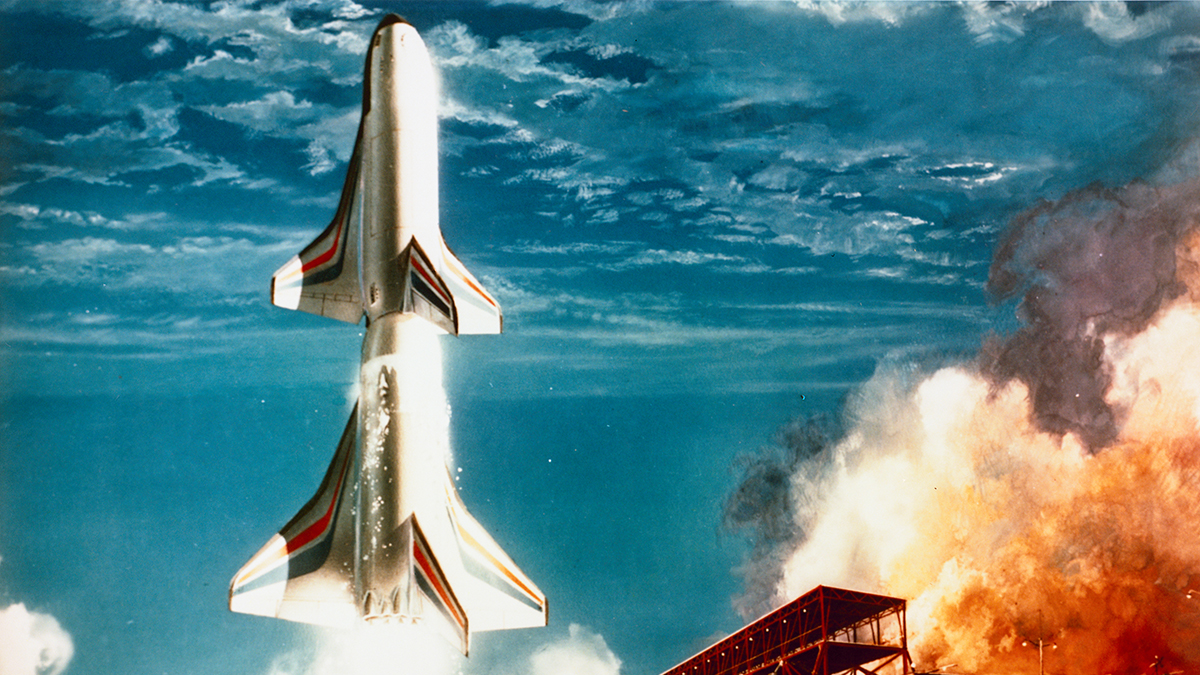
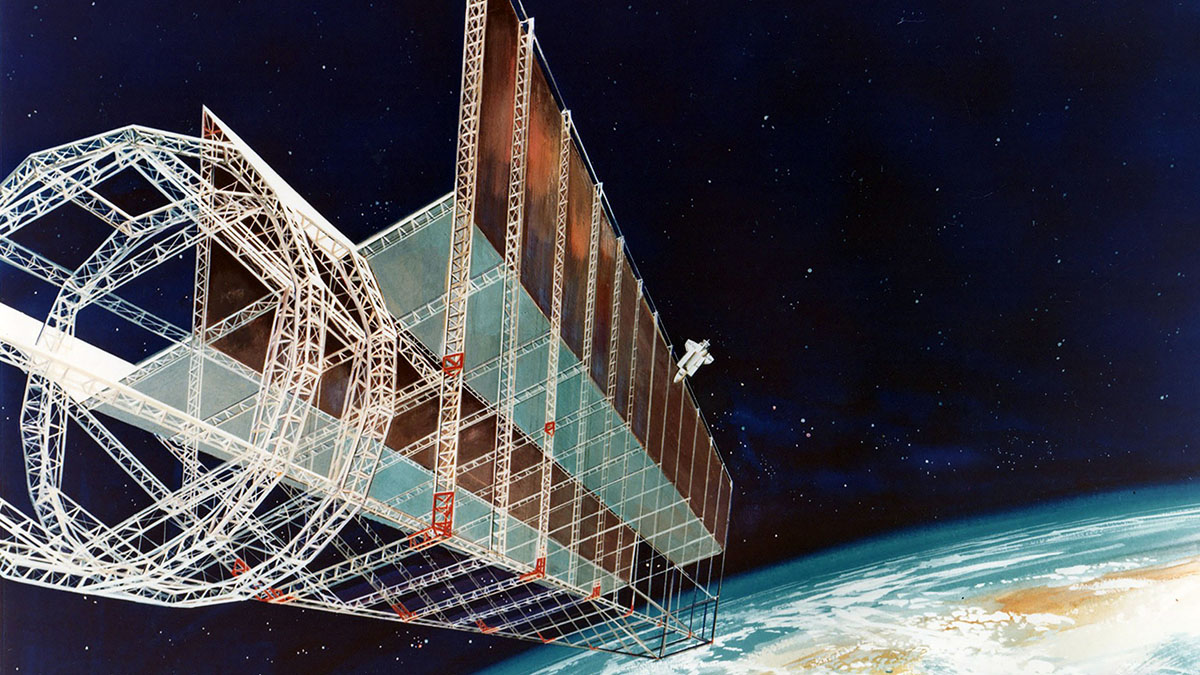
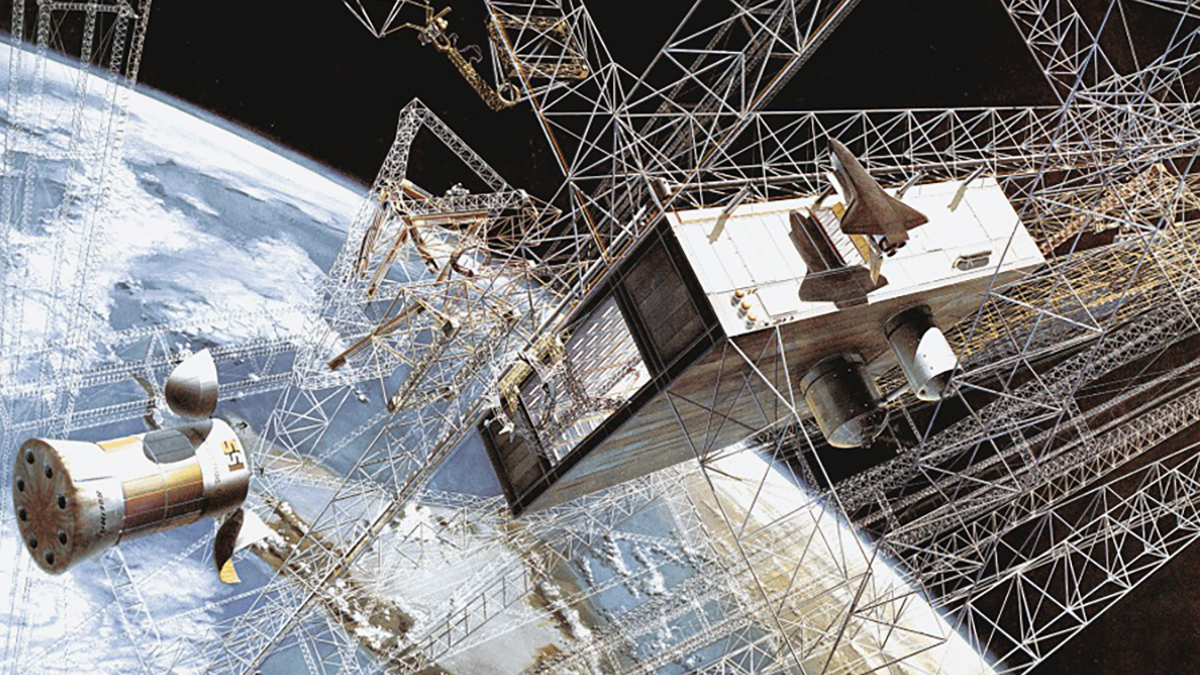

Convair Migrator
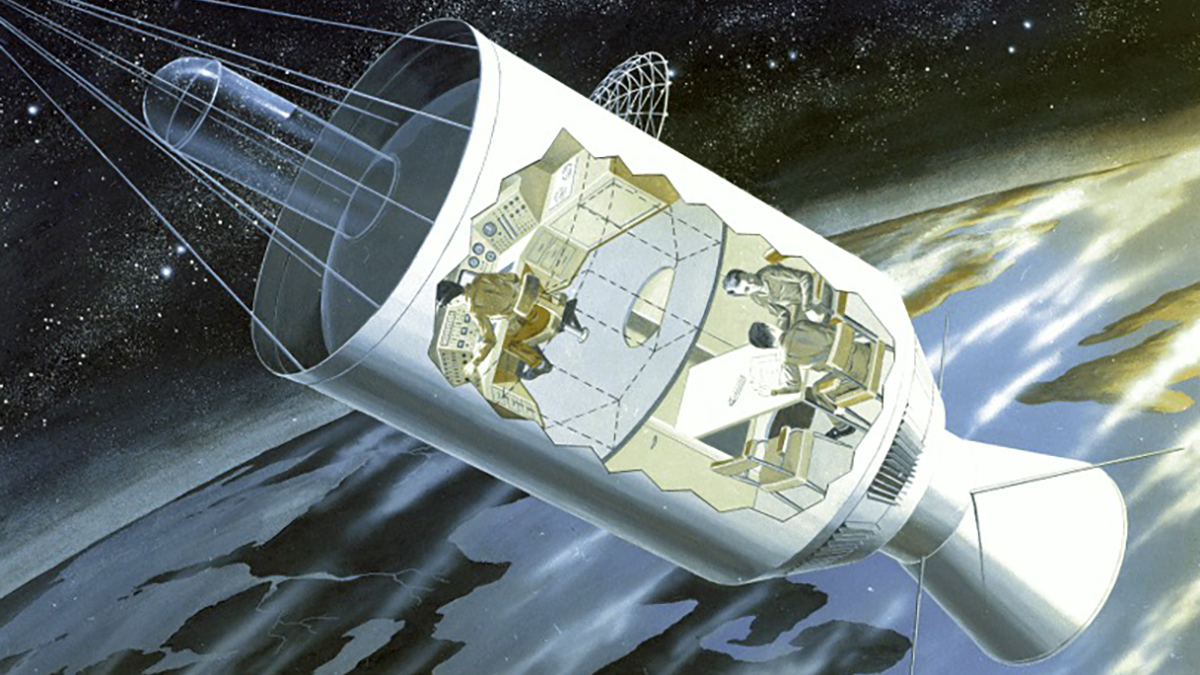
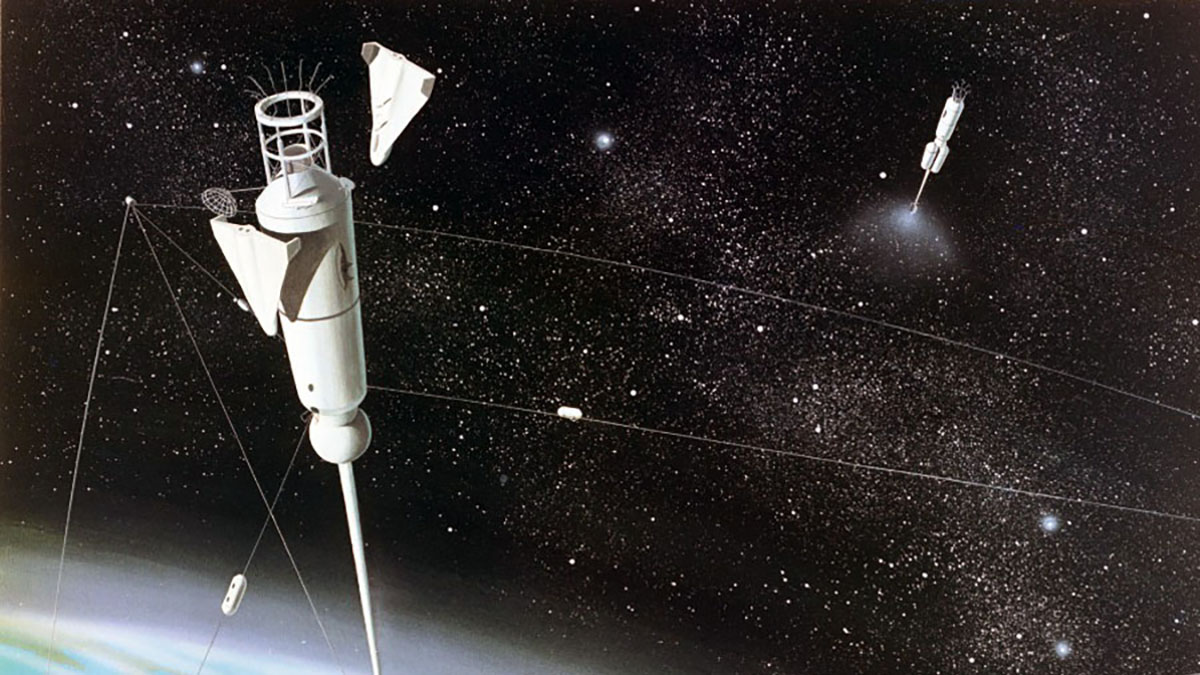
Convair Outpost
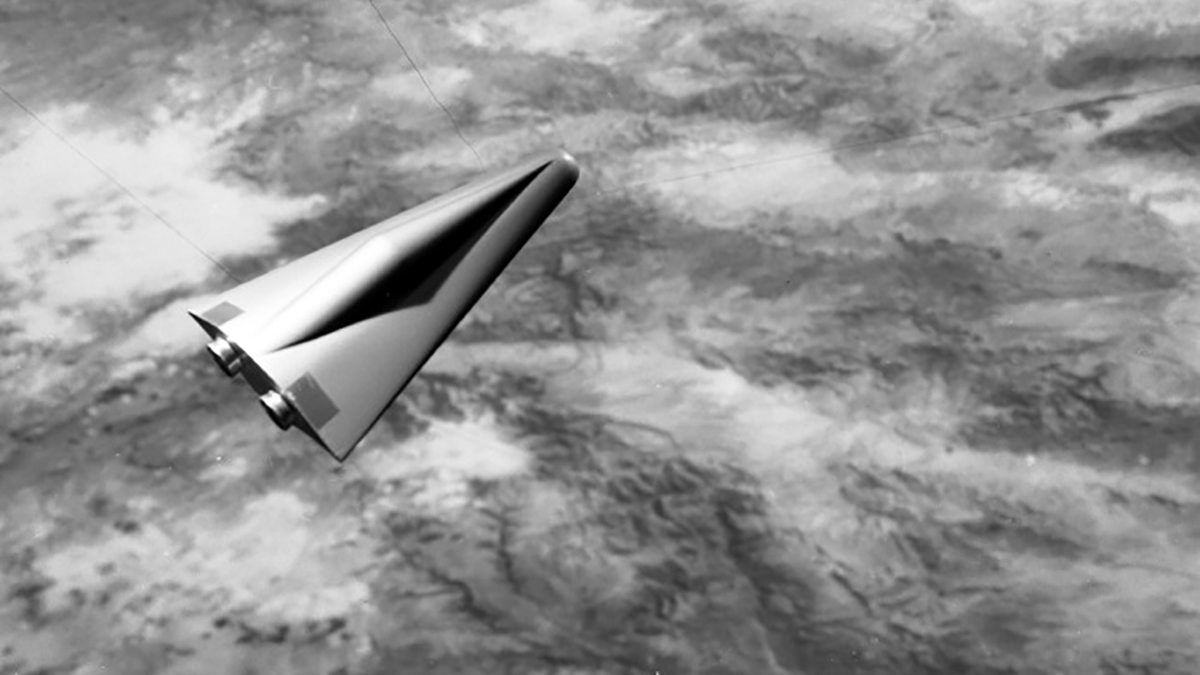
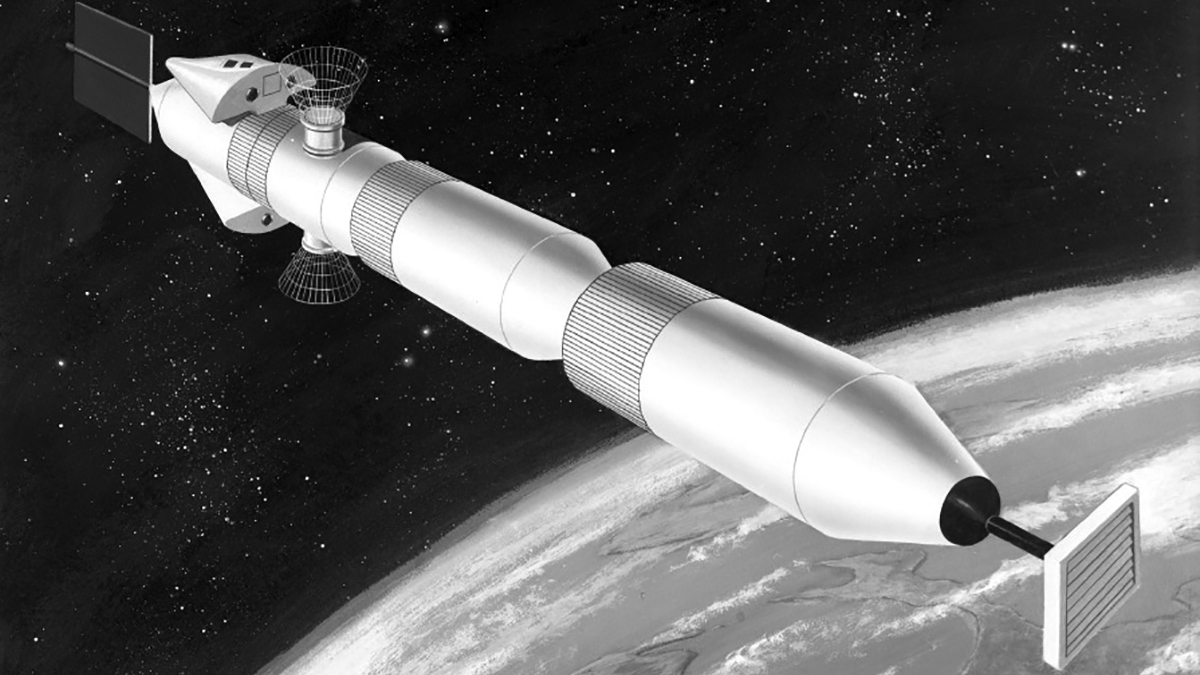
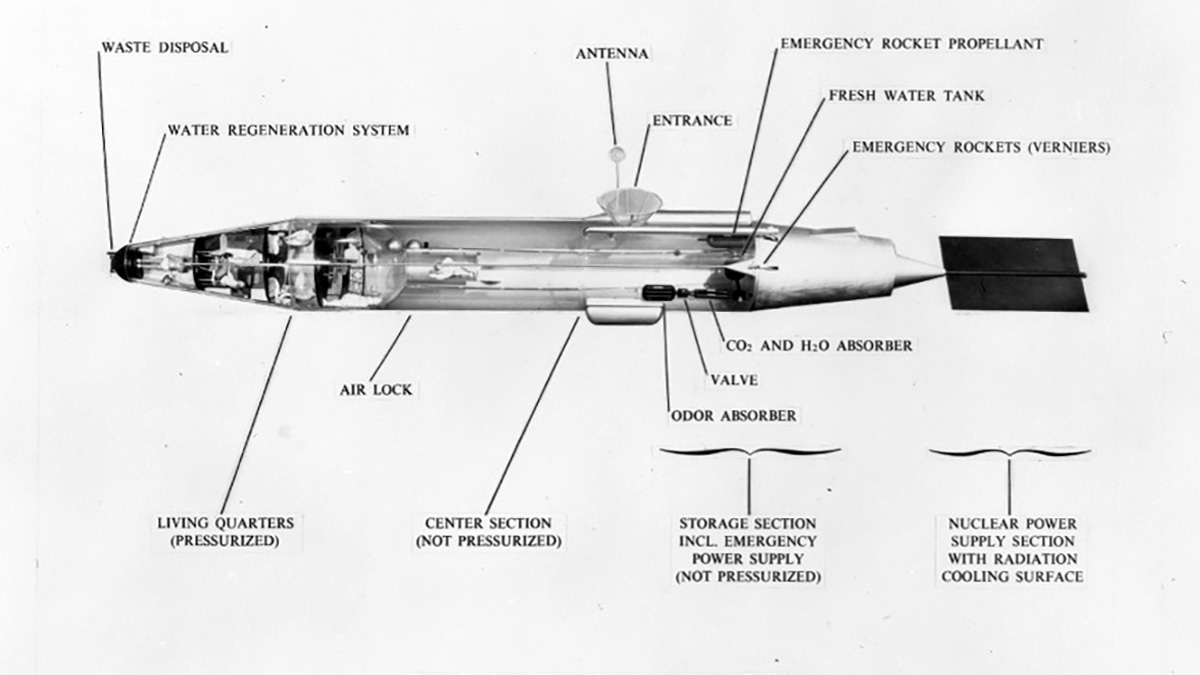
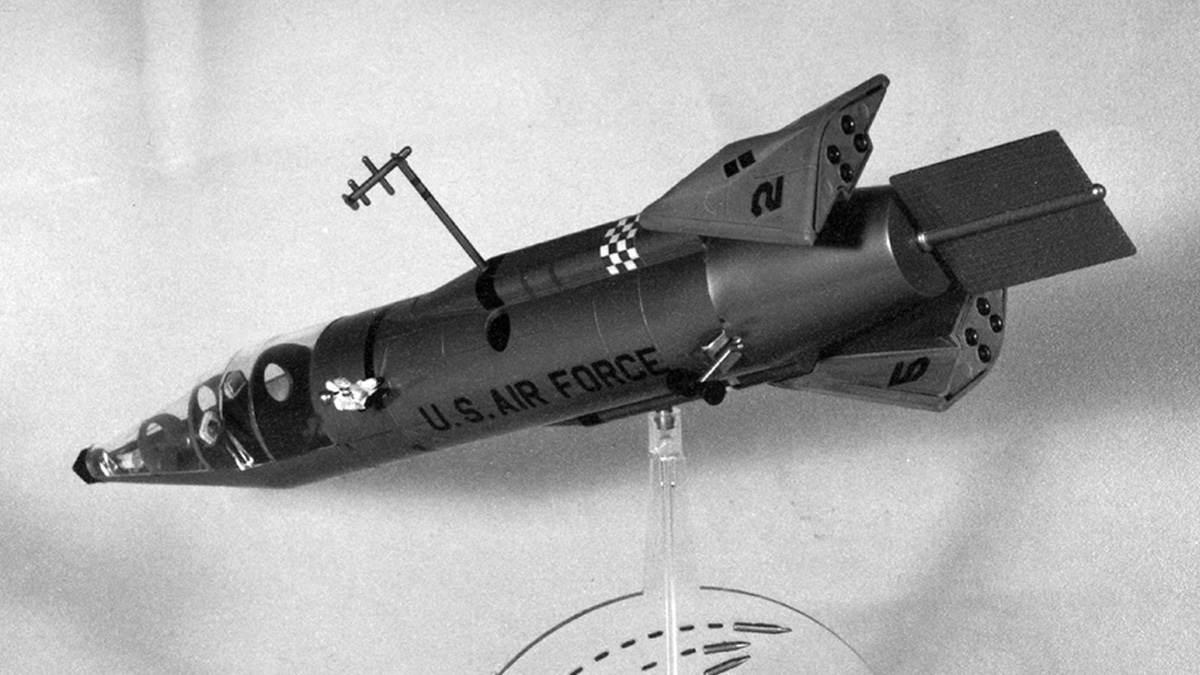
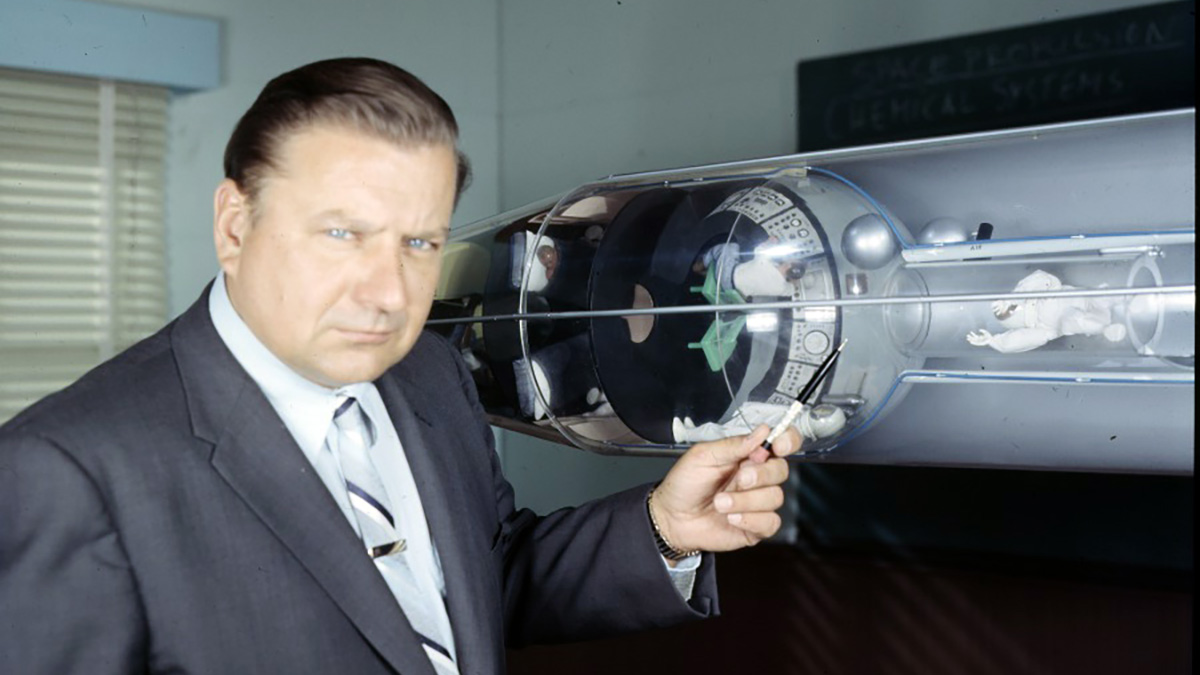
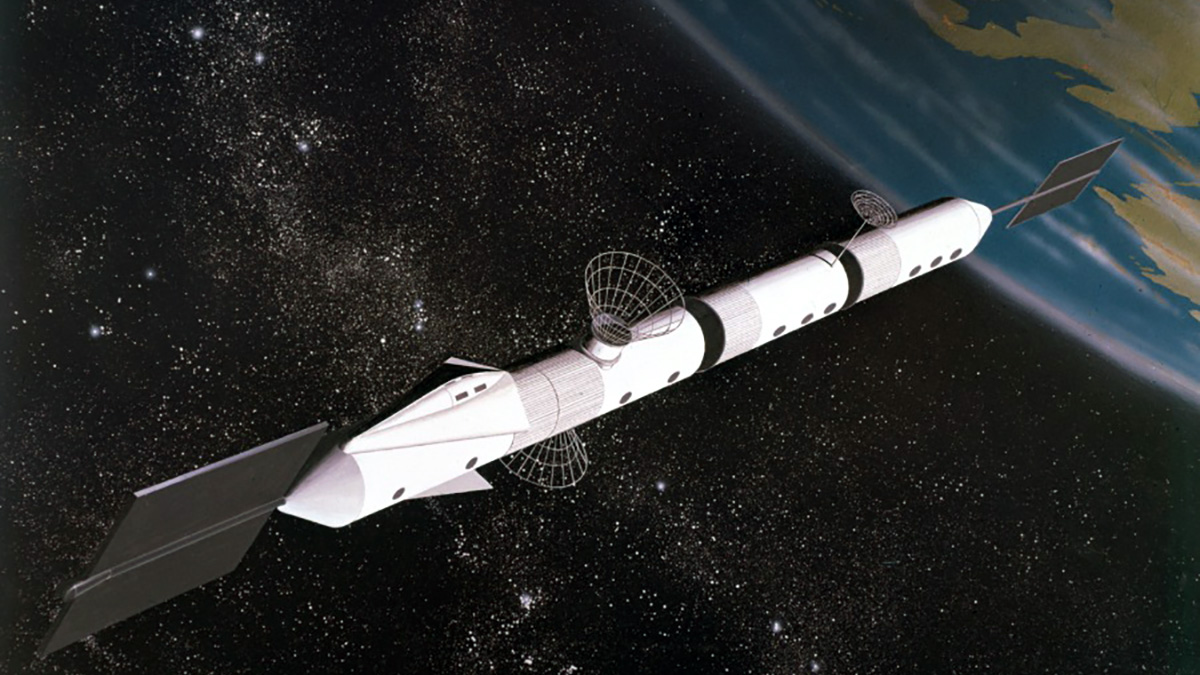
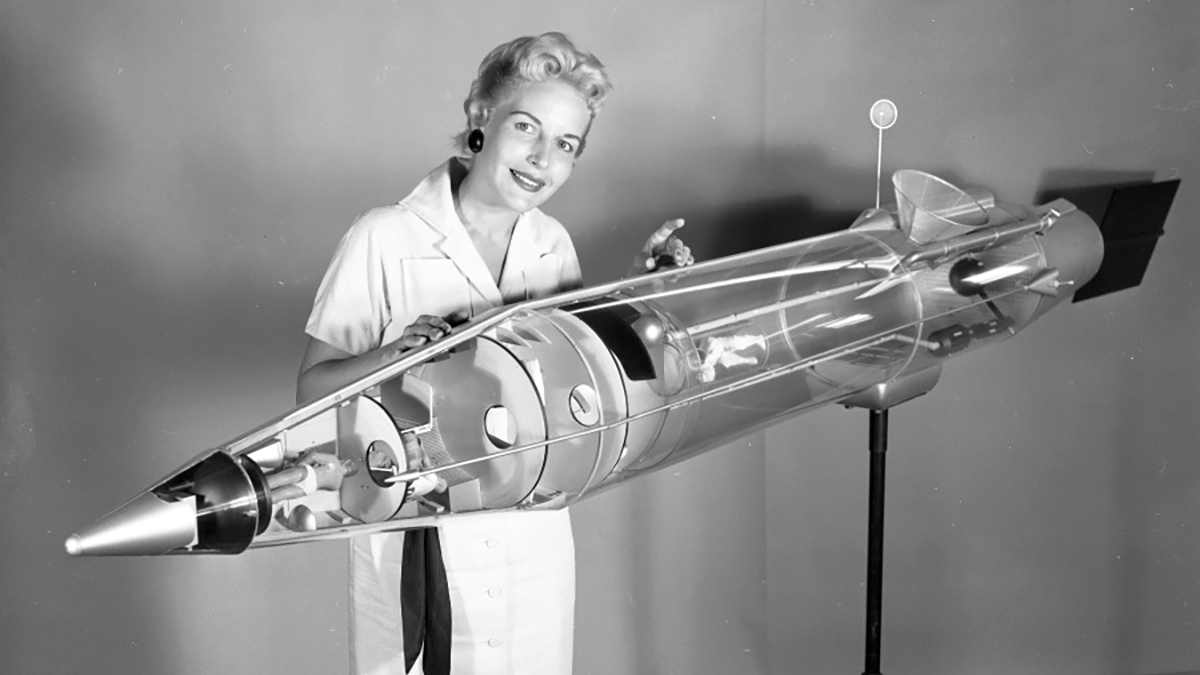
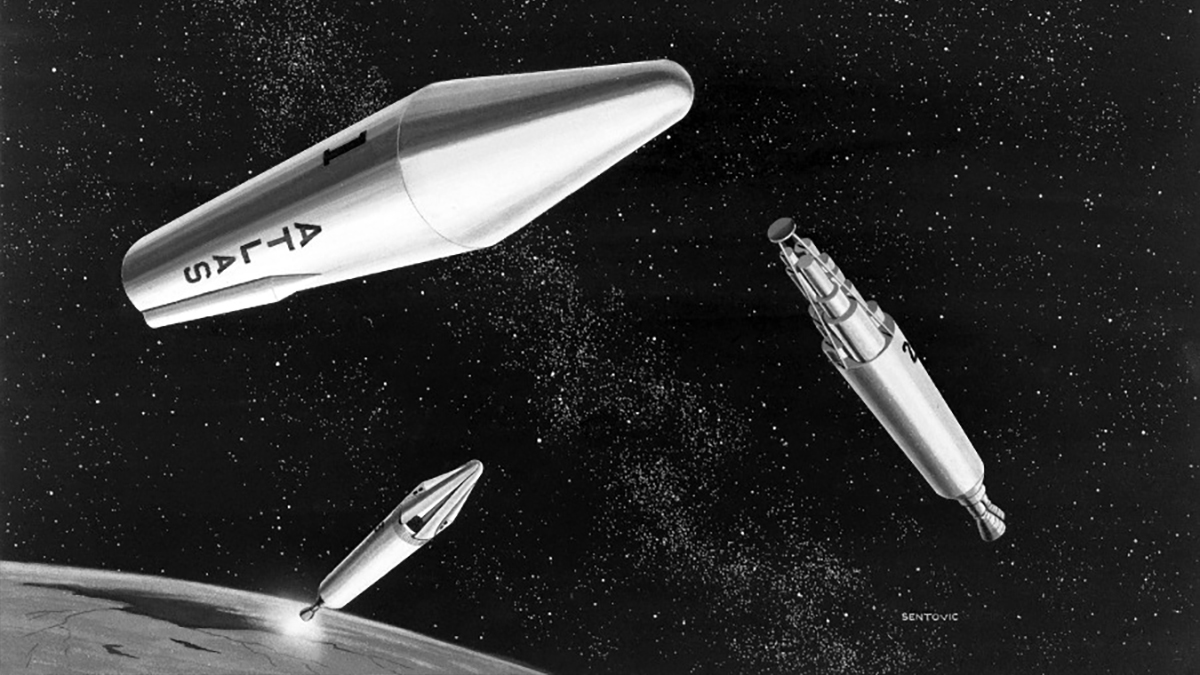
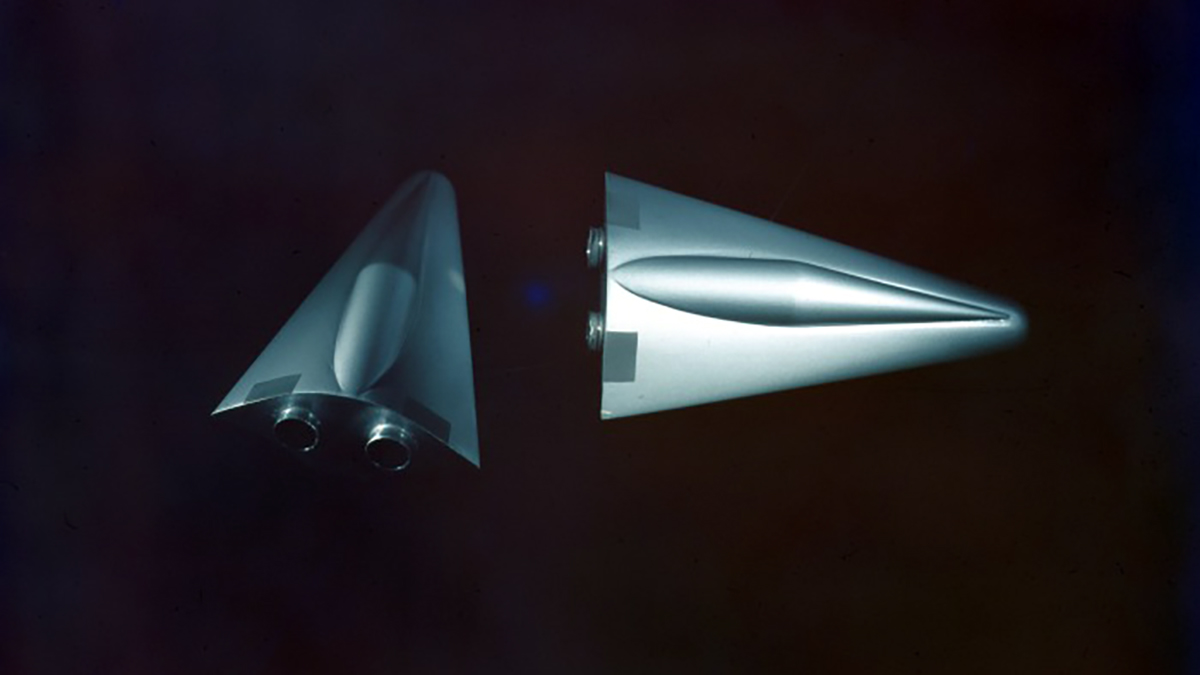
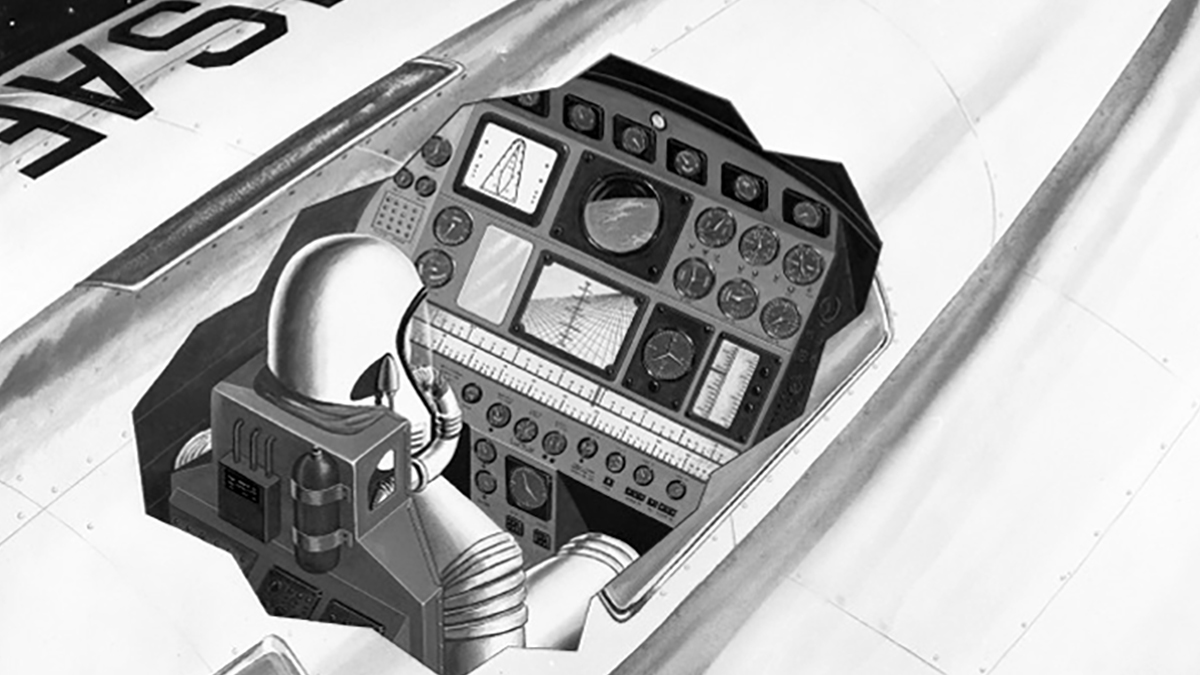
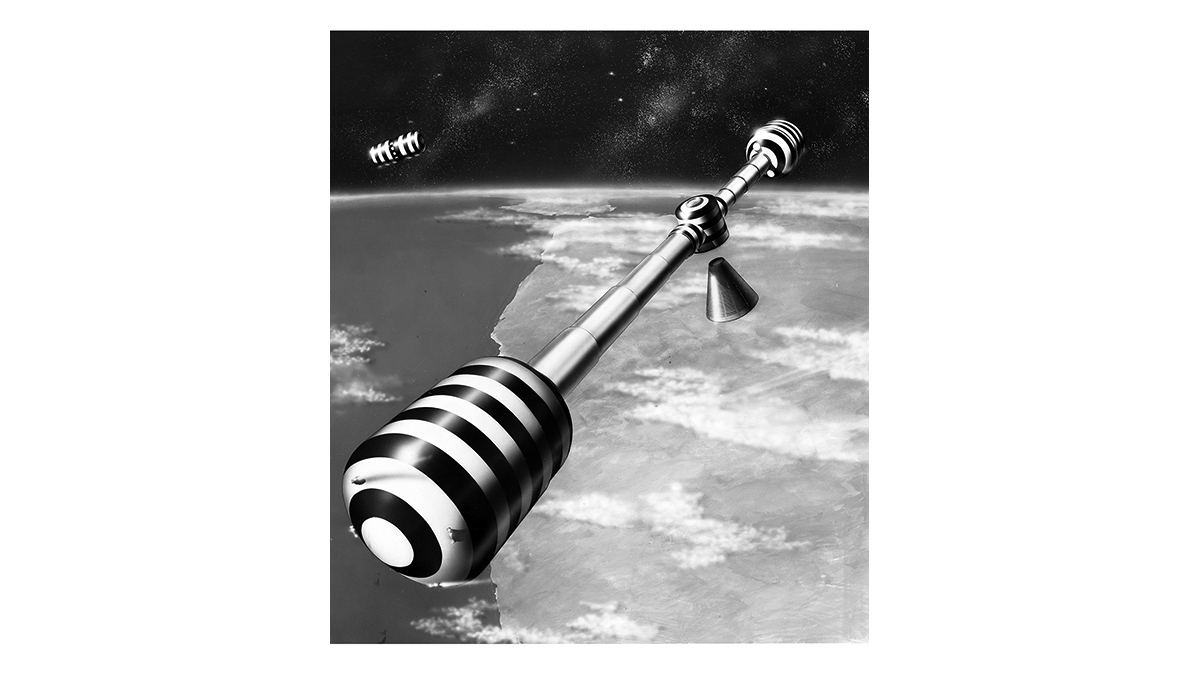
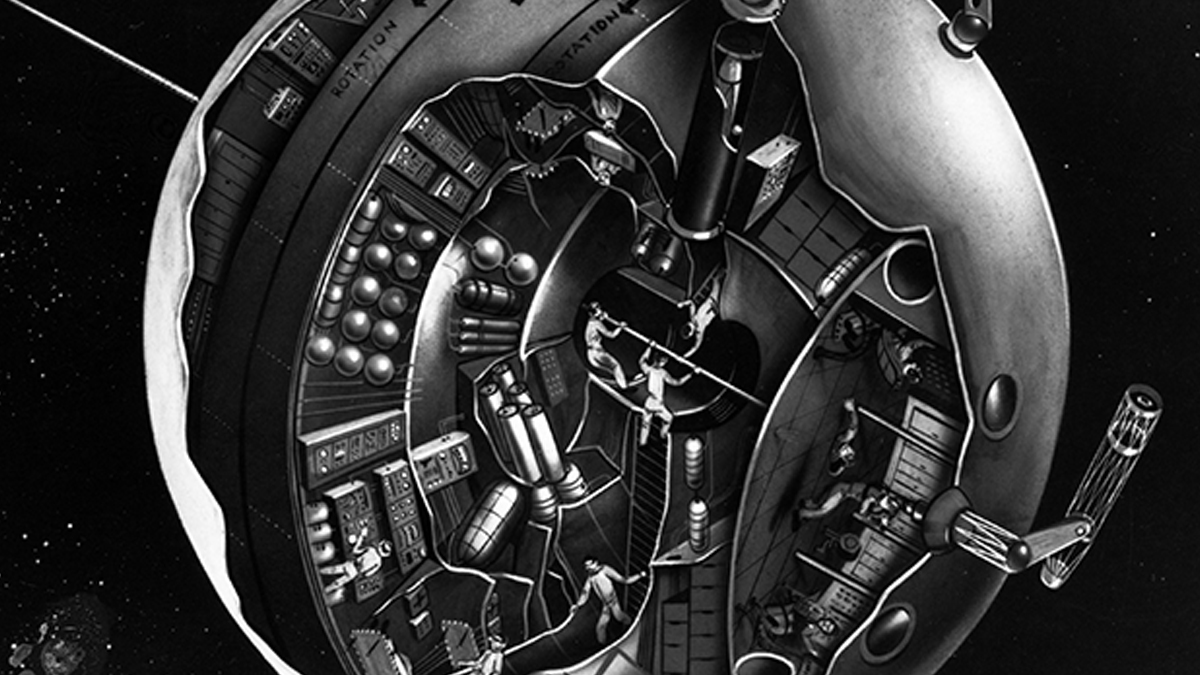
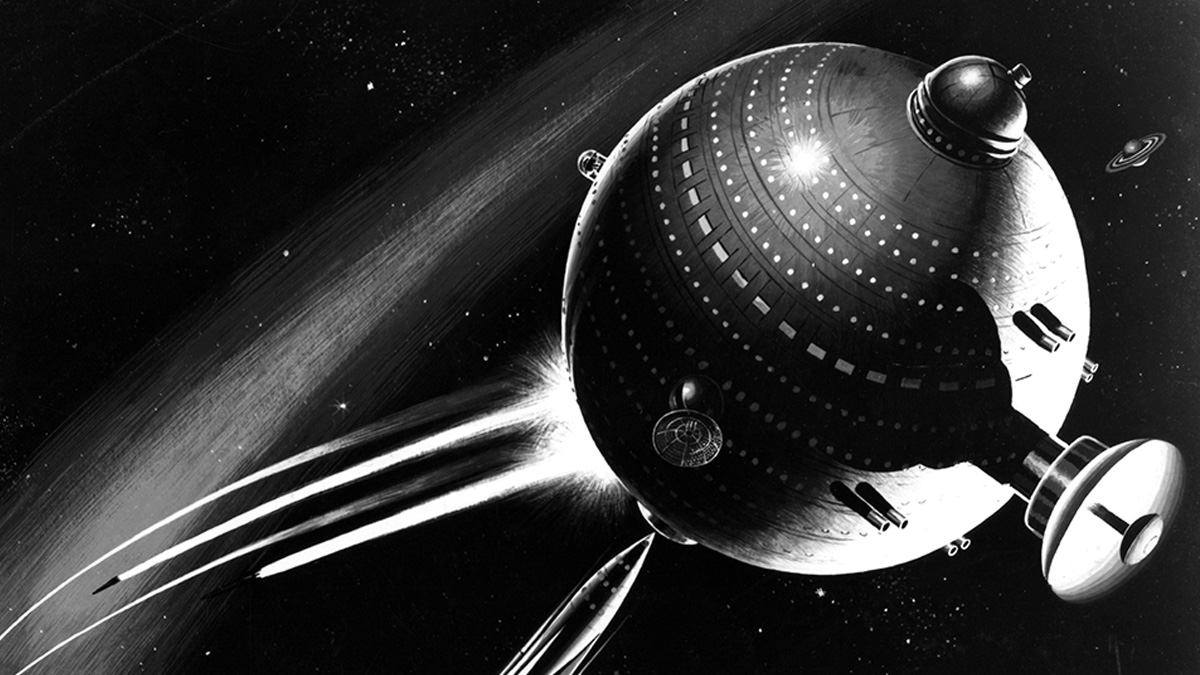
Douglas Spaceball – 1964
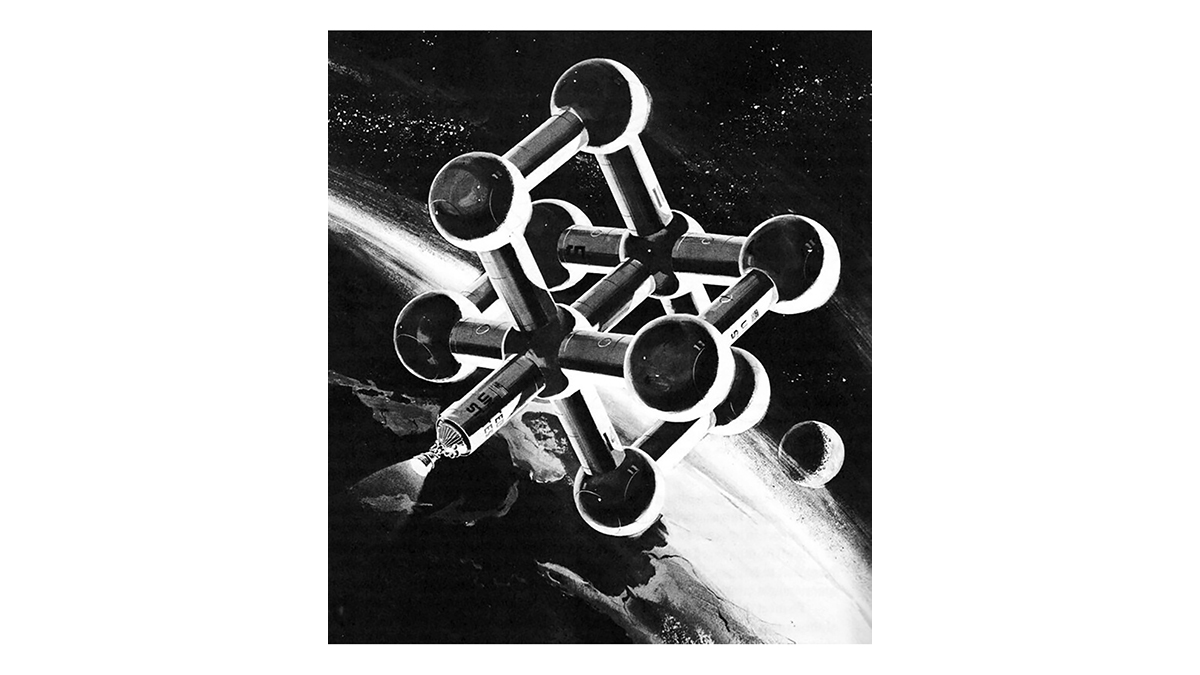
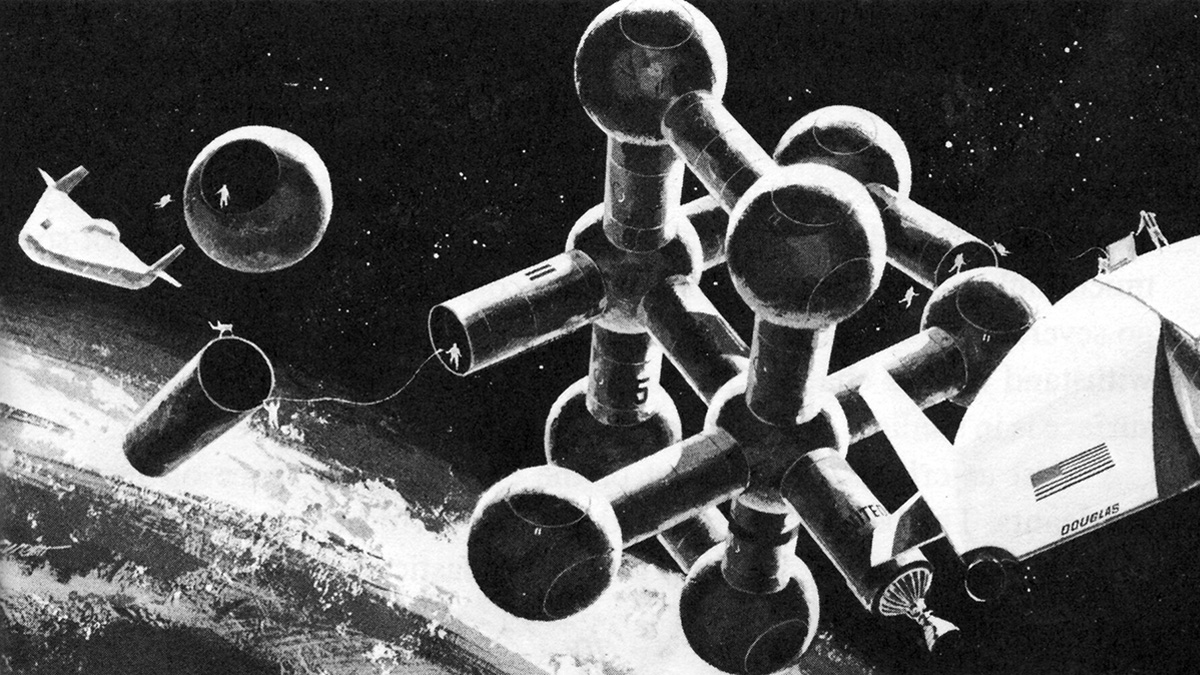
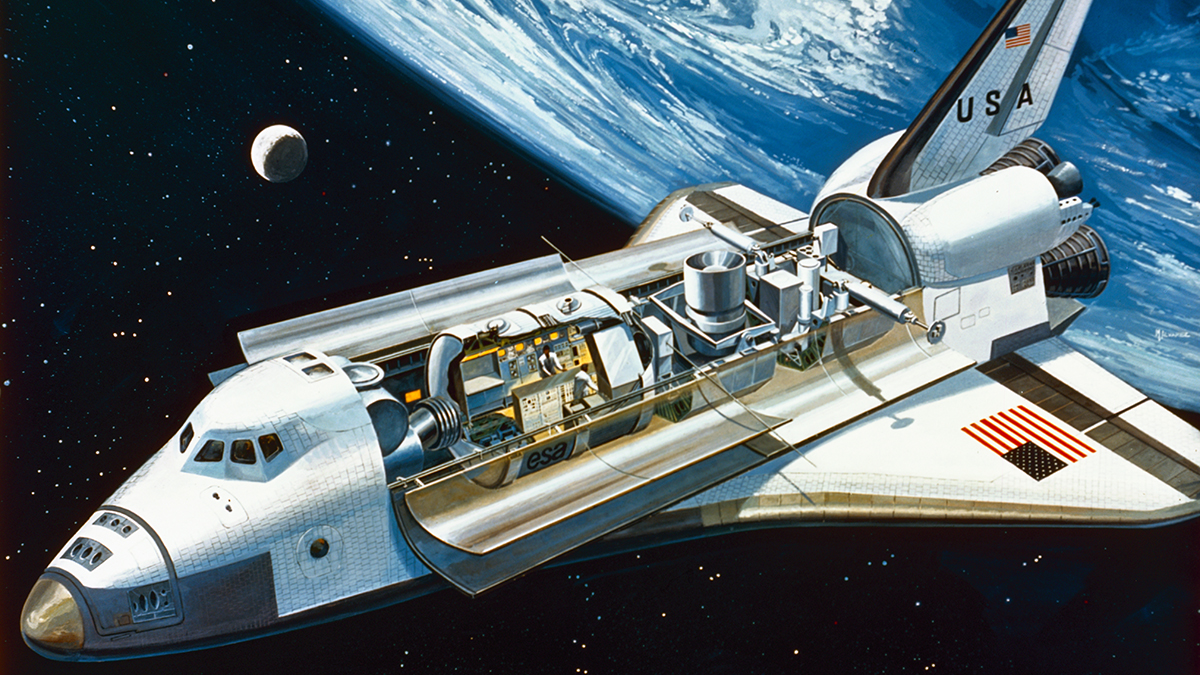
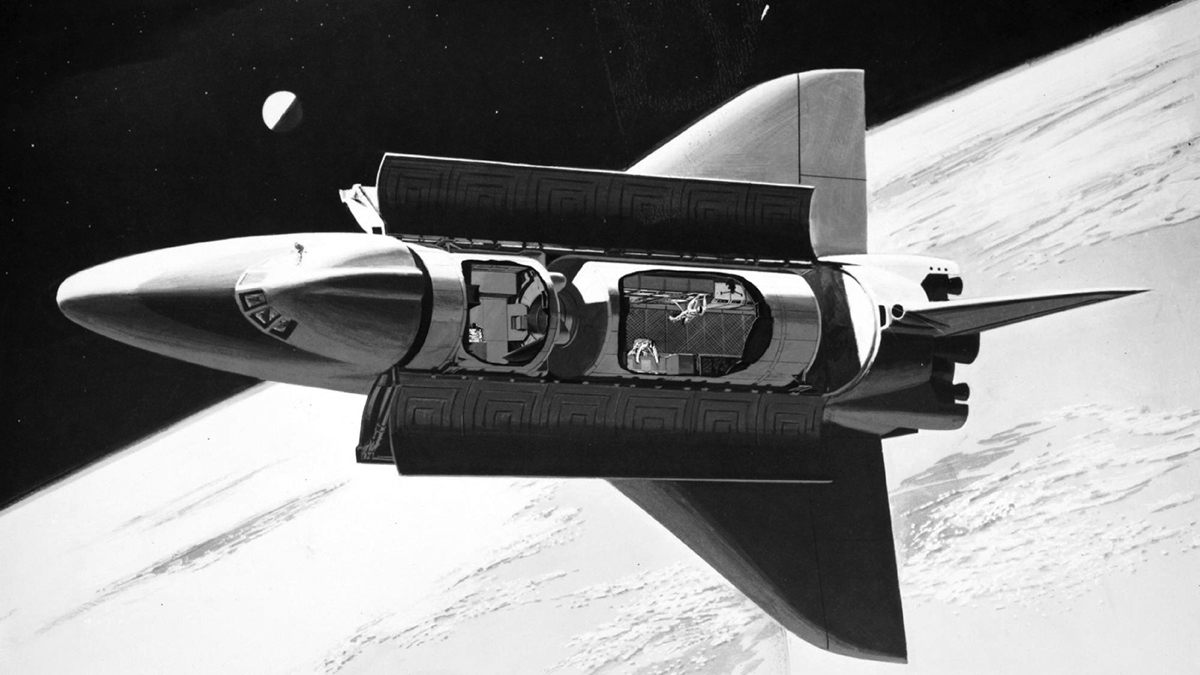
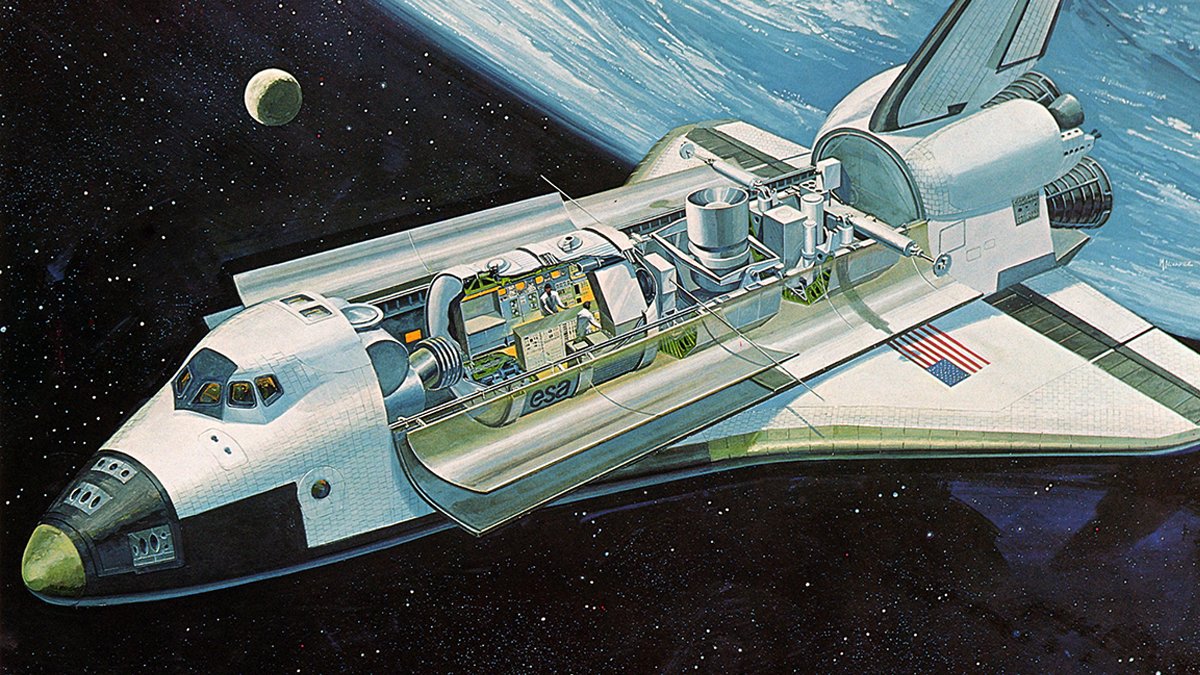
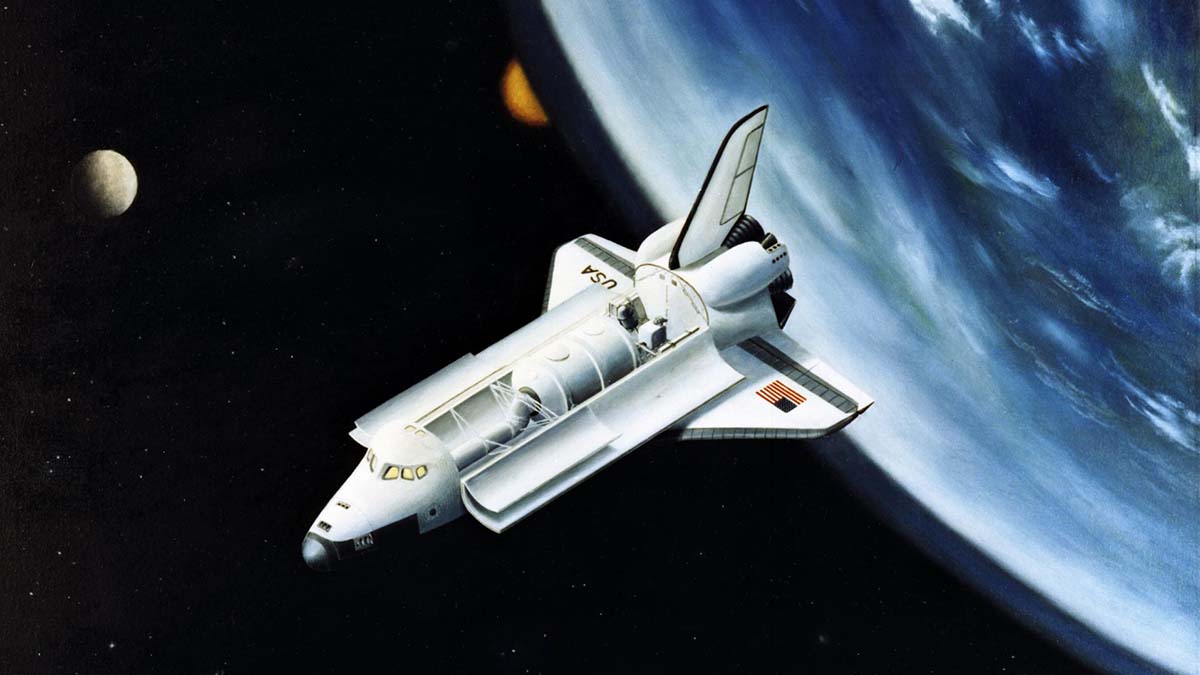
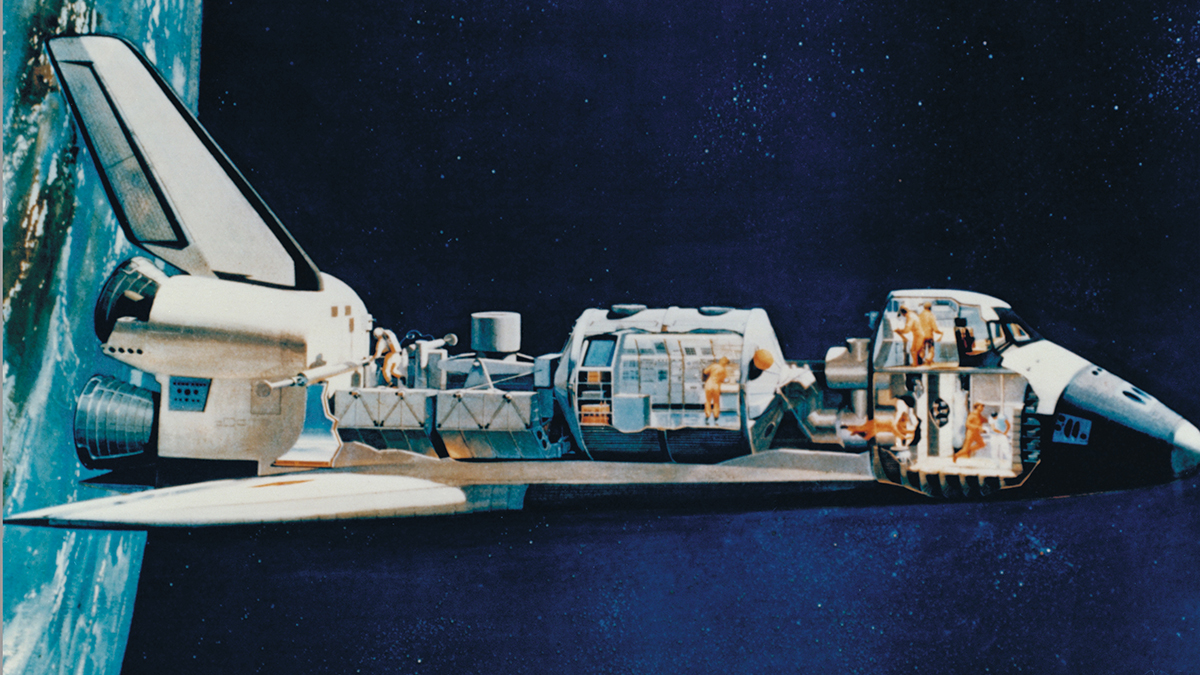
ESA Spacelab


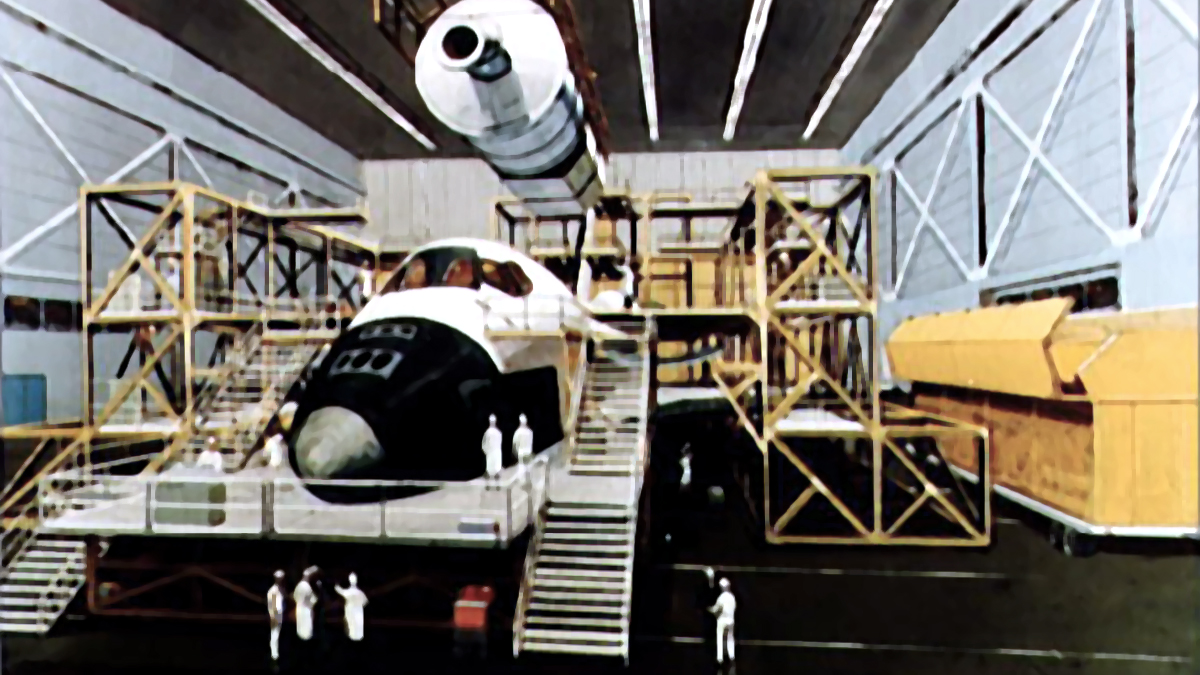
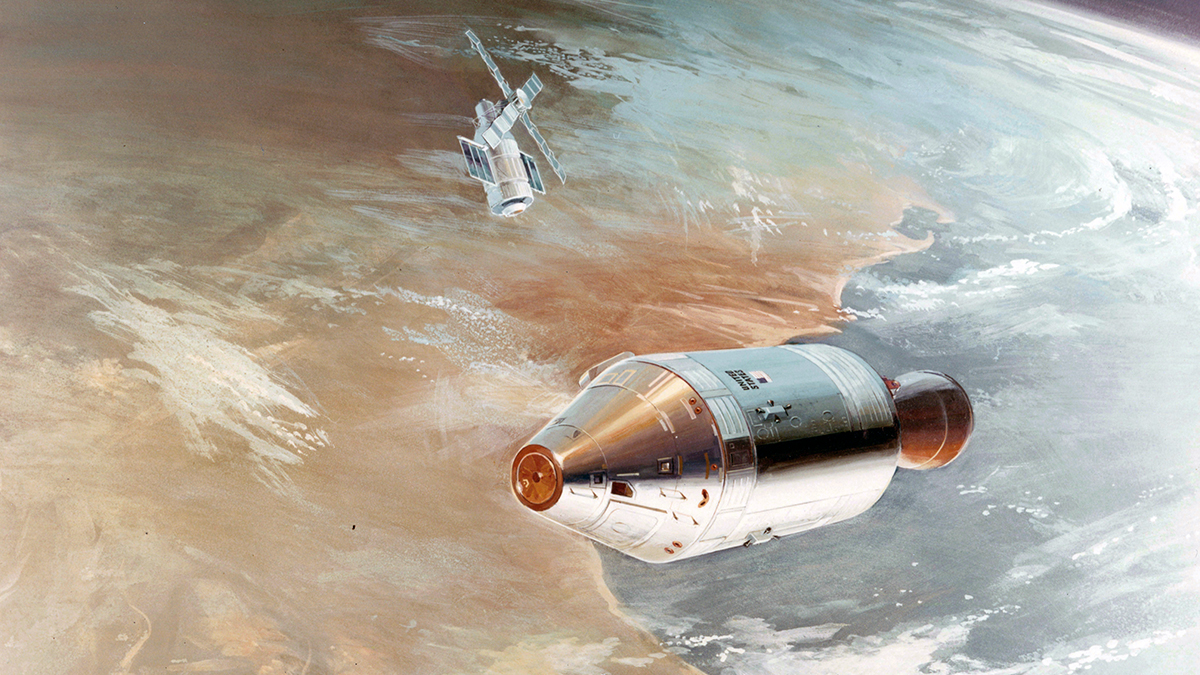
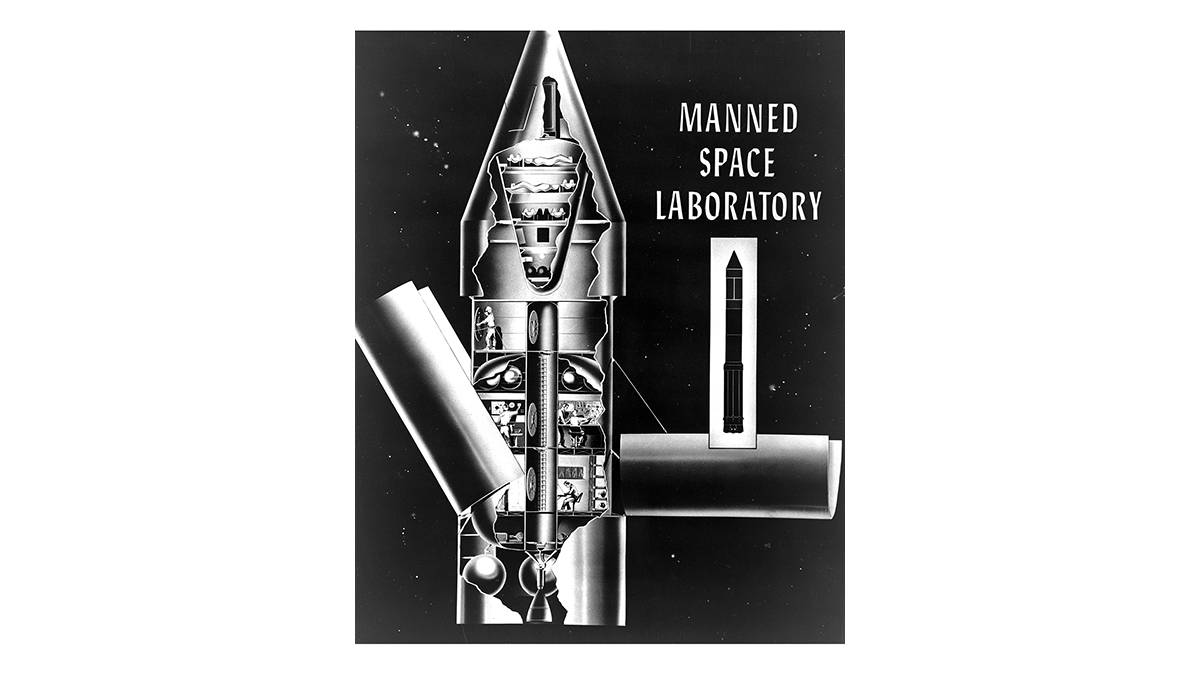
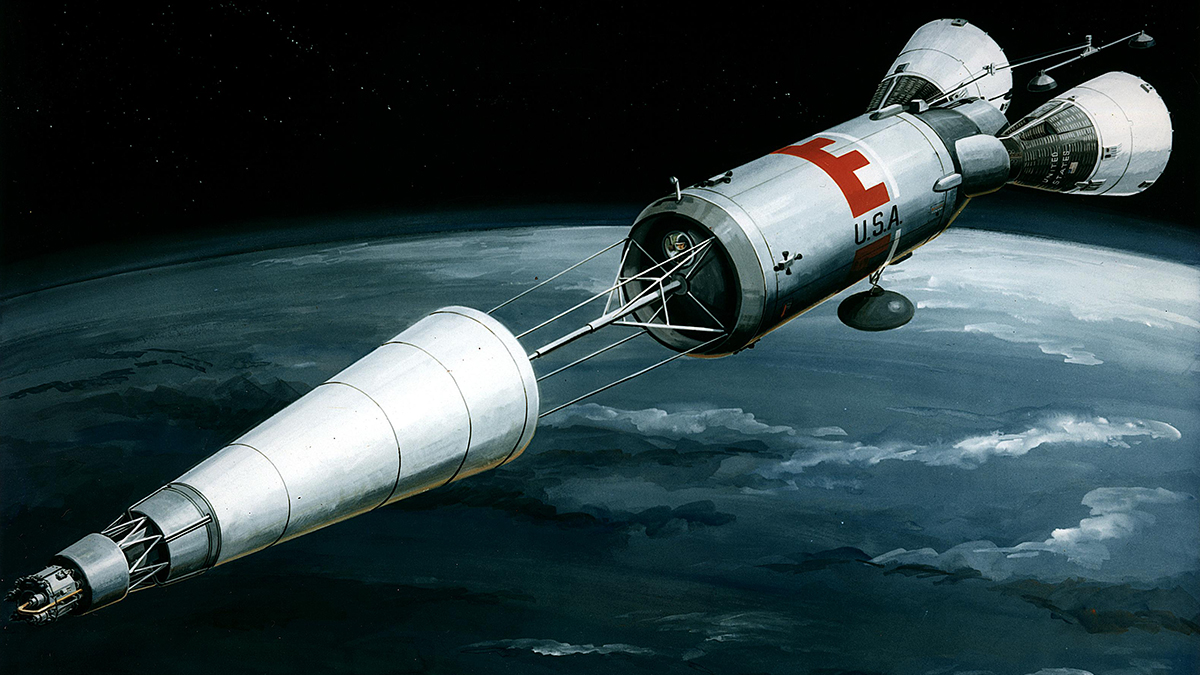
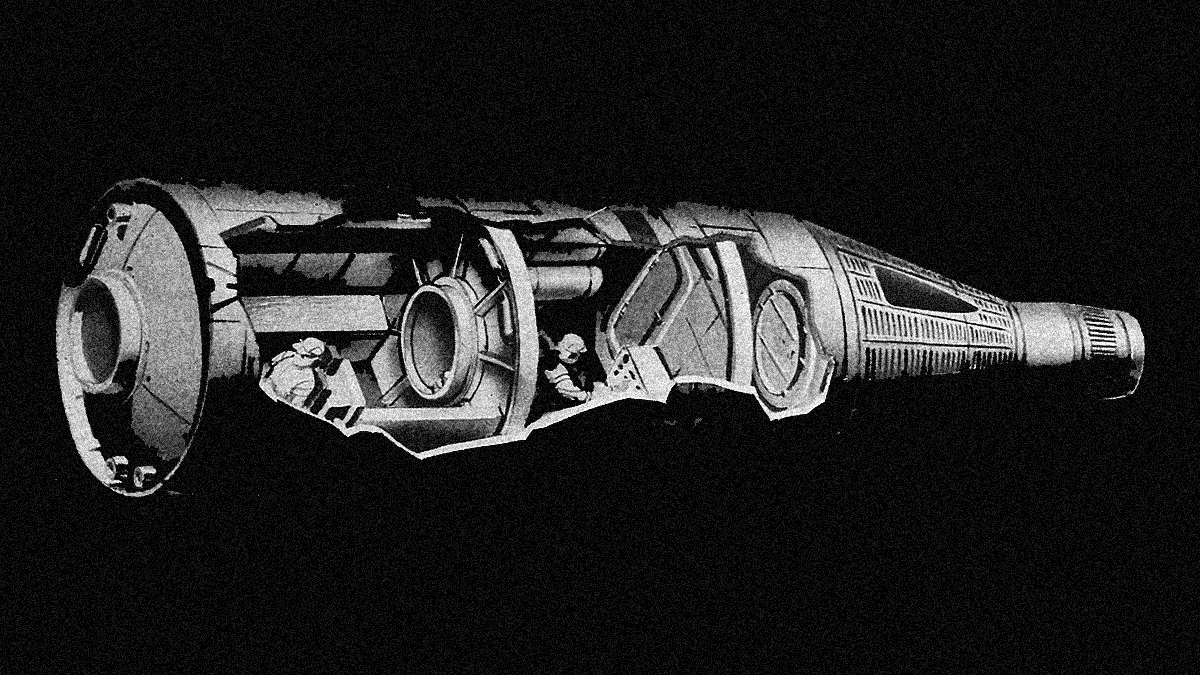
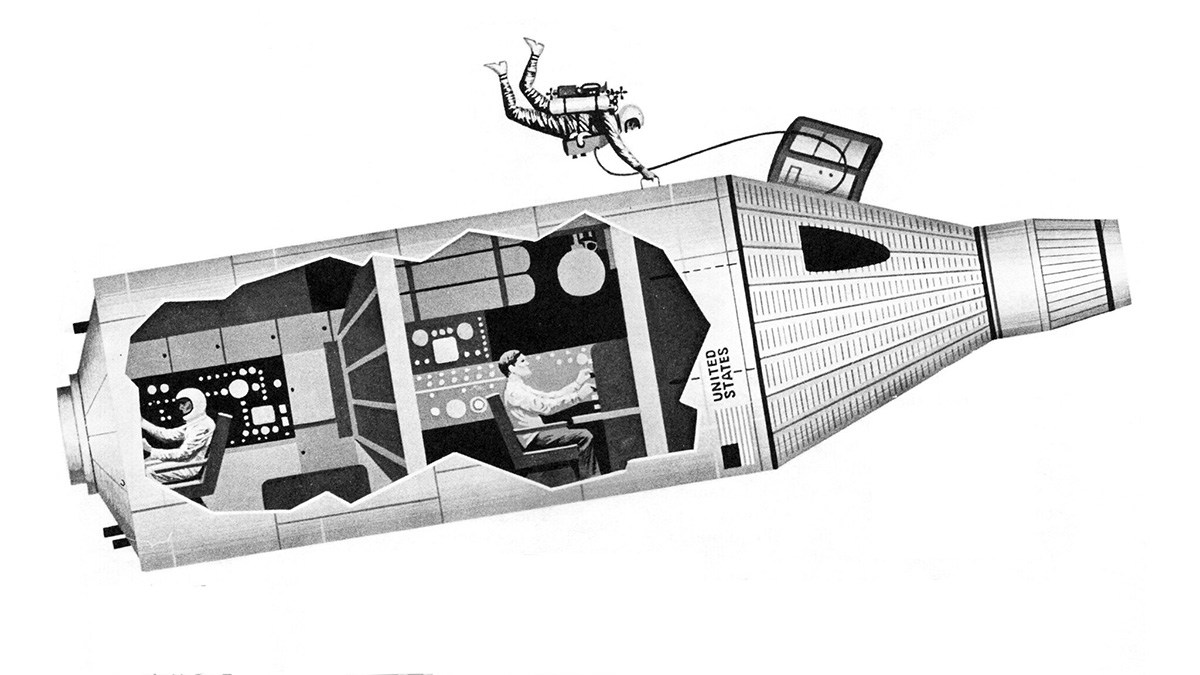
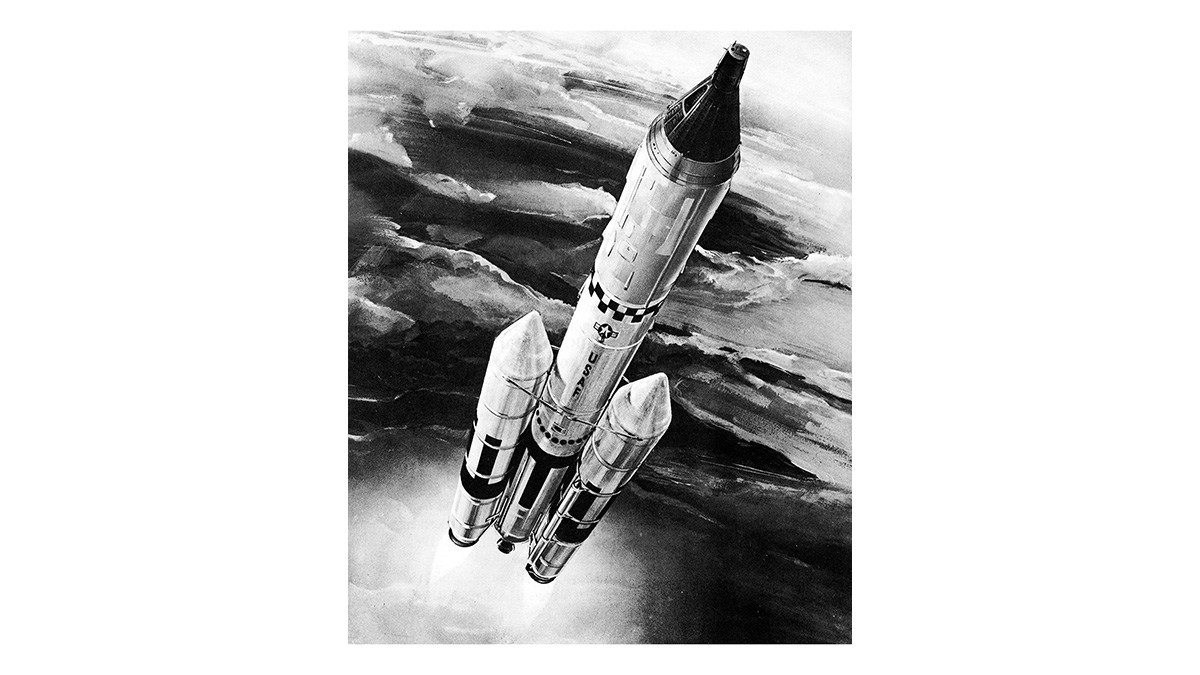
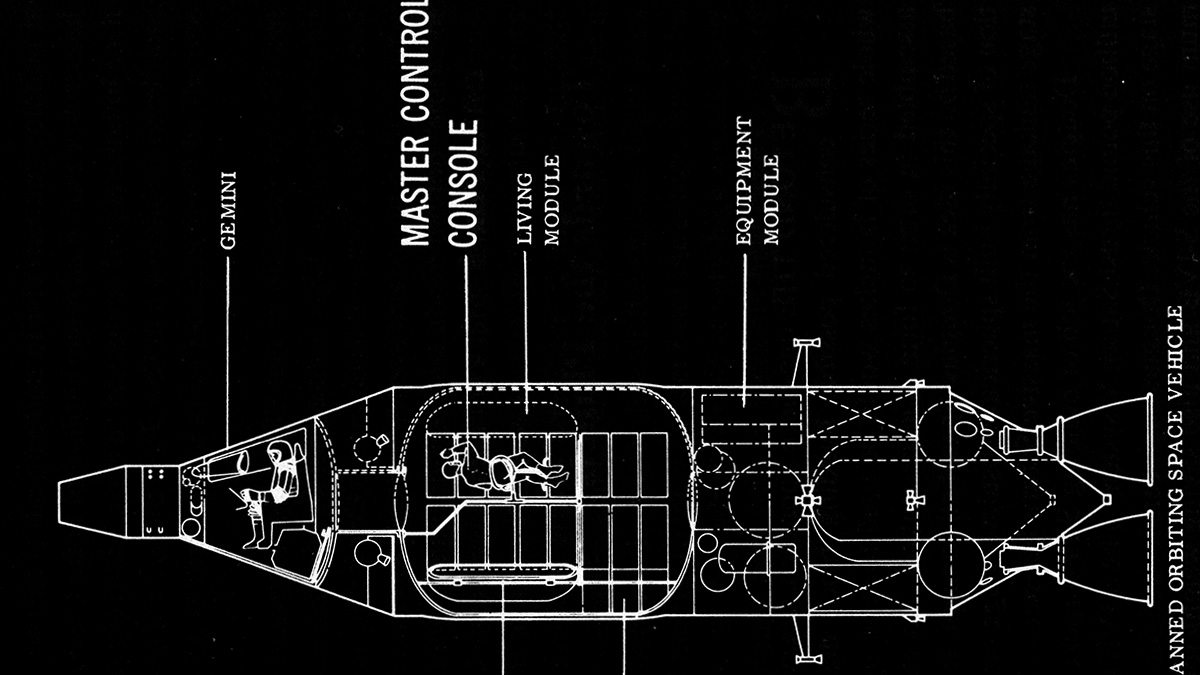
Gemini B / MOL
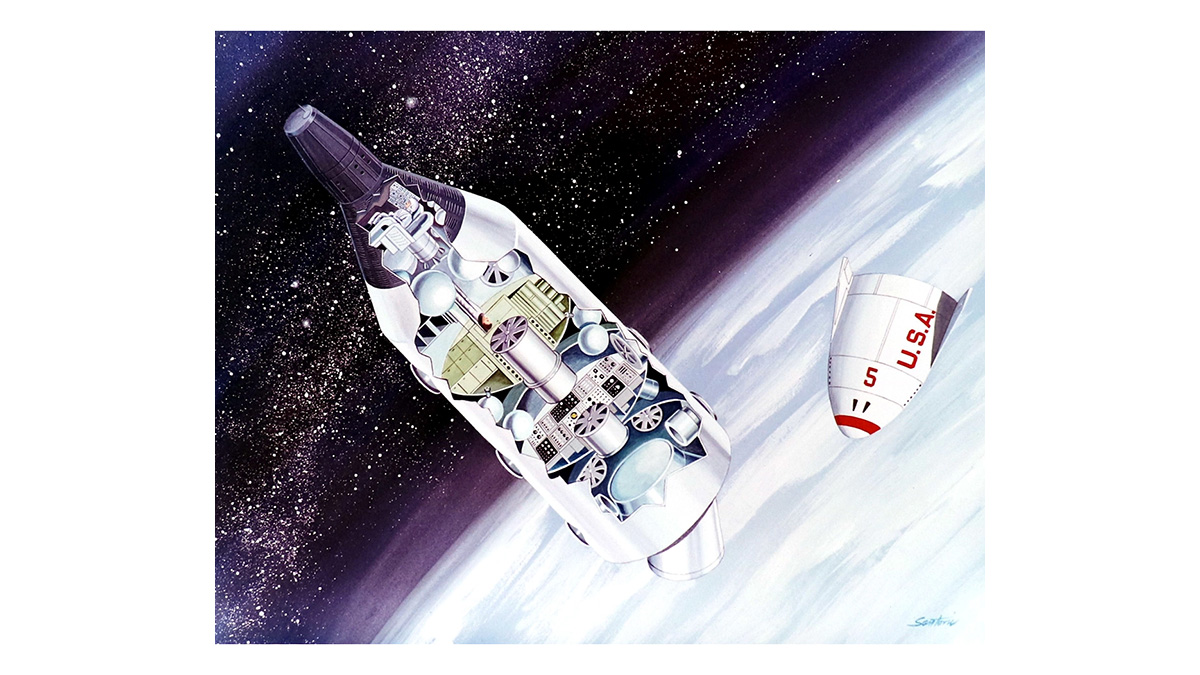
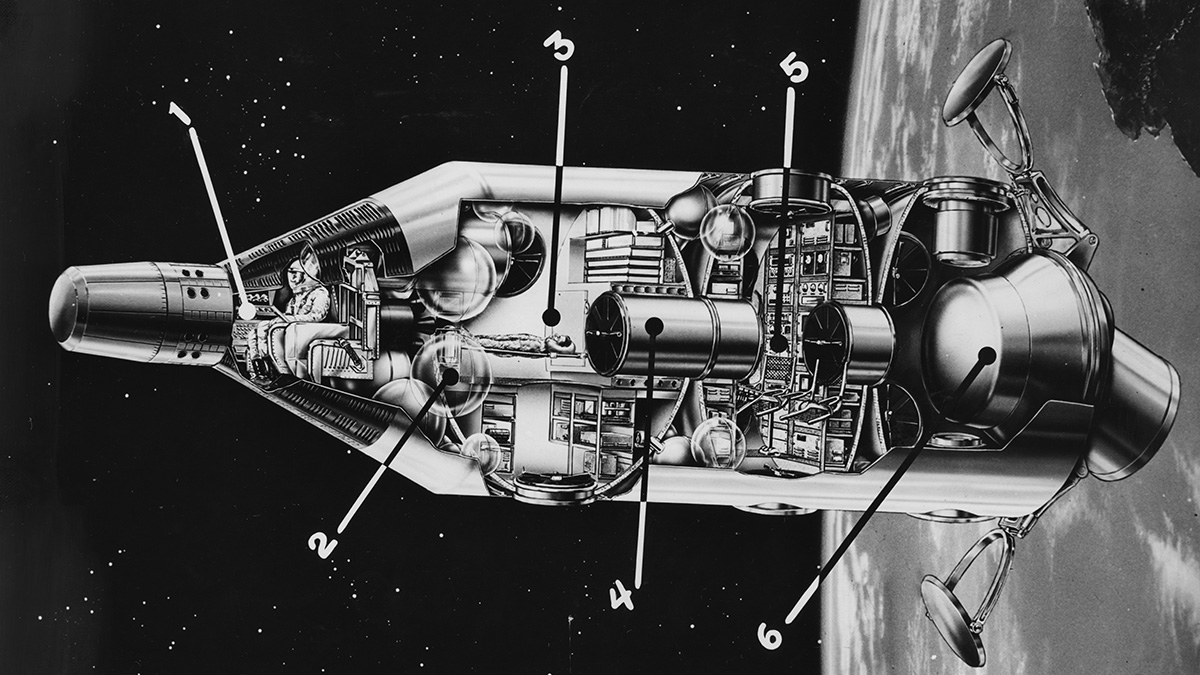
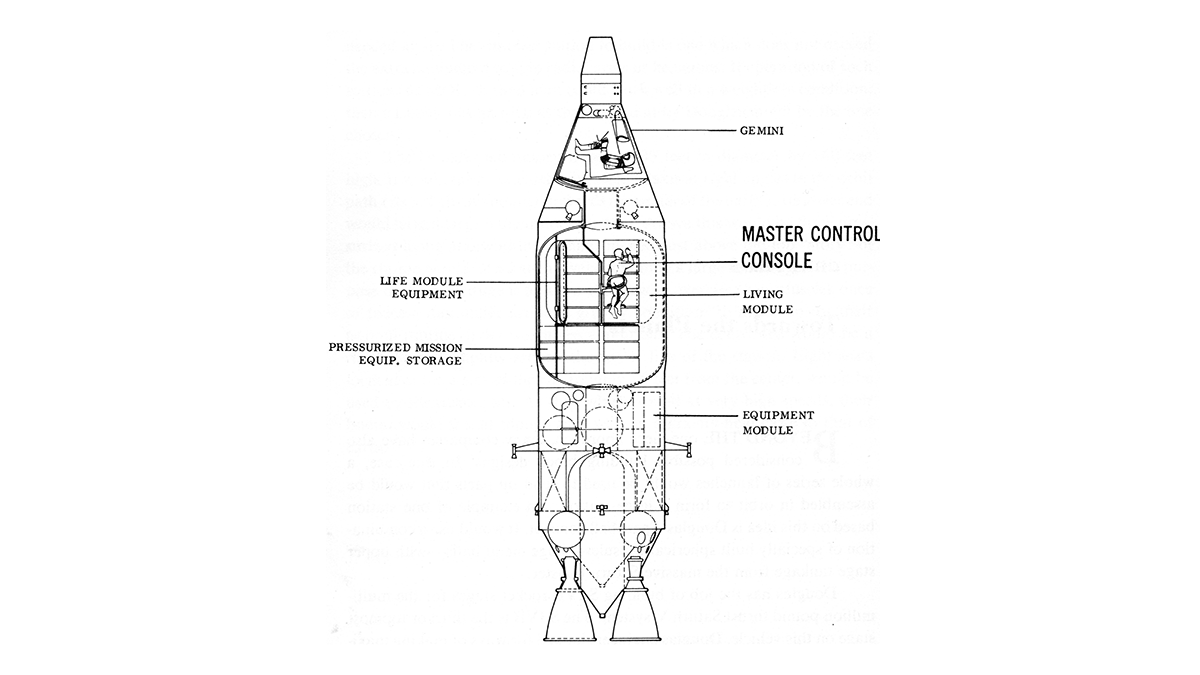

Horizon Station
International Space Station
After two years of lobbying by NASA, President Ronald Reagan approved a space station project for NASA in January 1984.
Space Station Designs – 1984
Space Station Designs – 1985
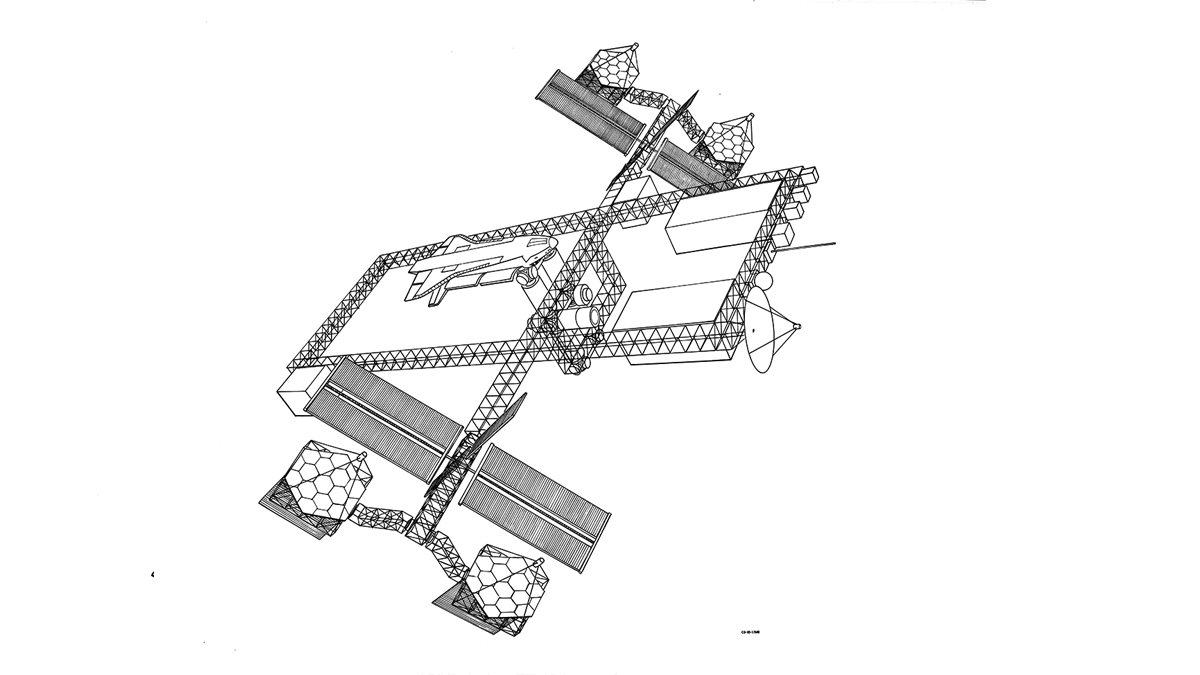
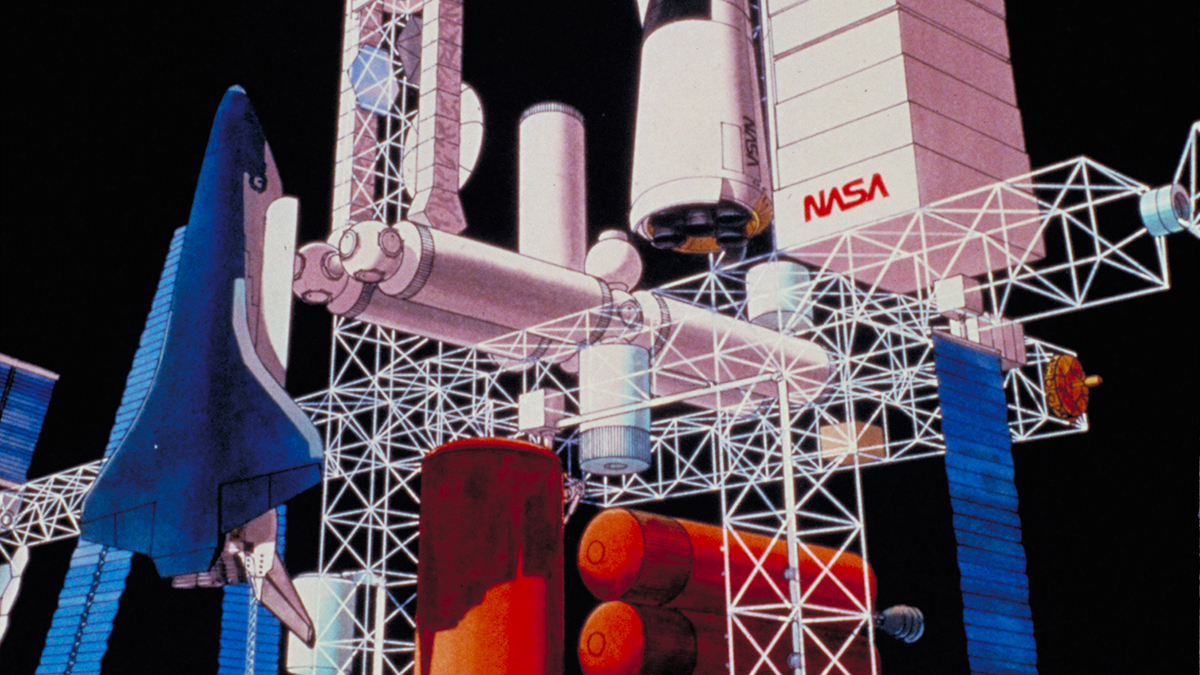
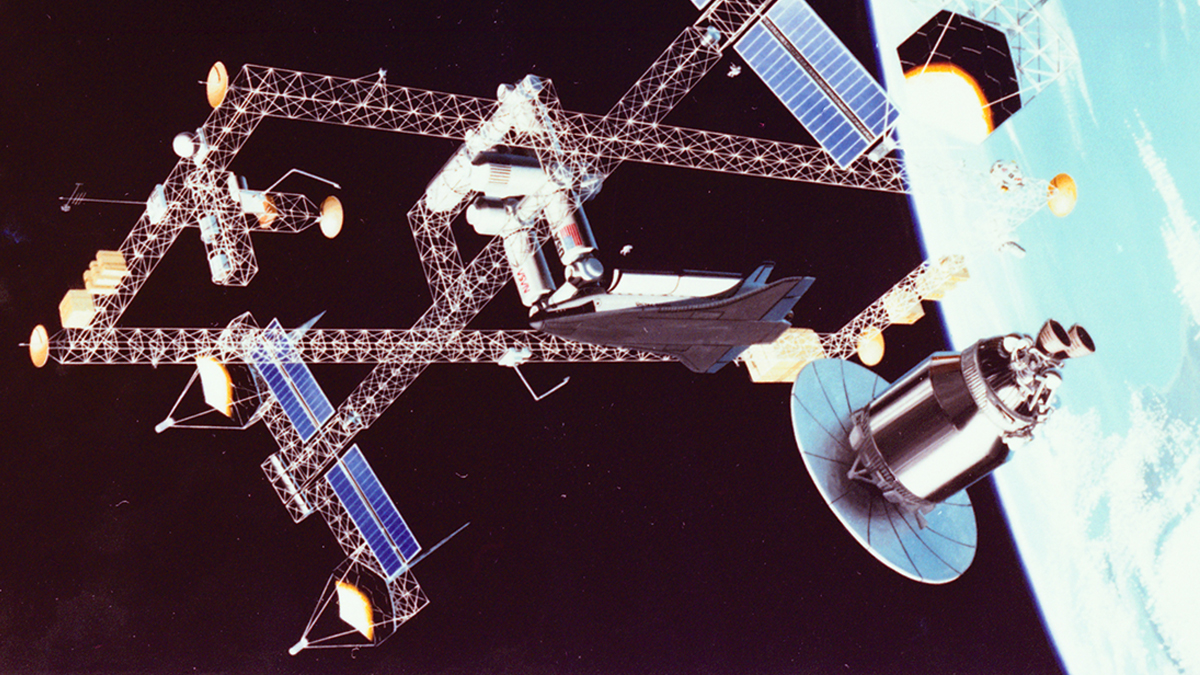
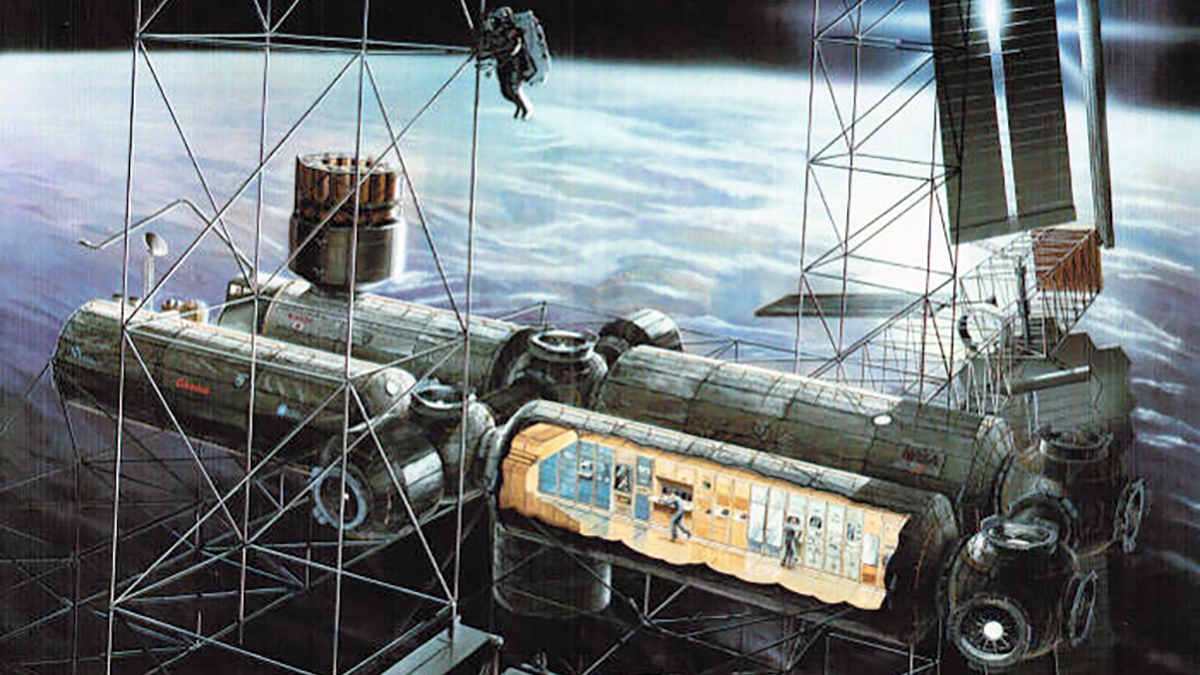
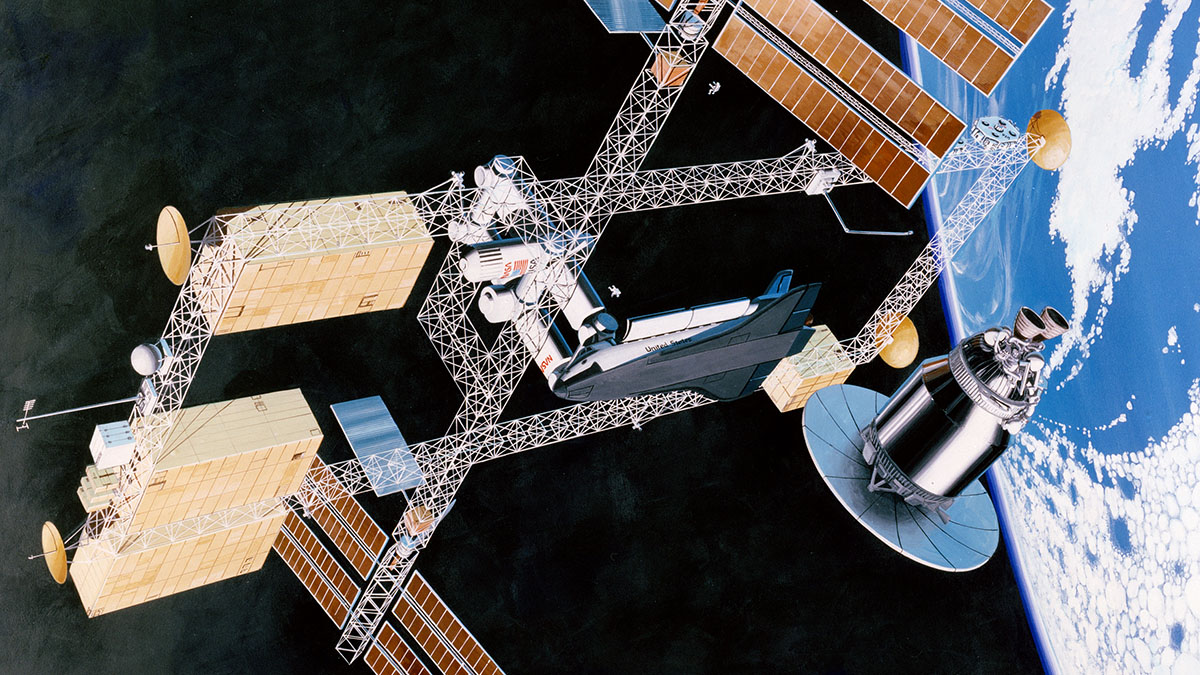
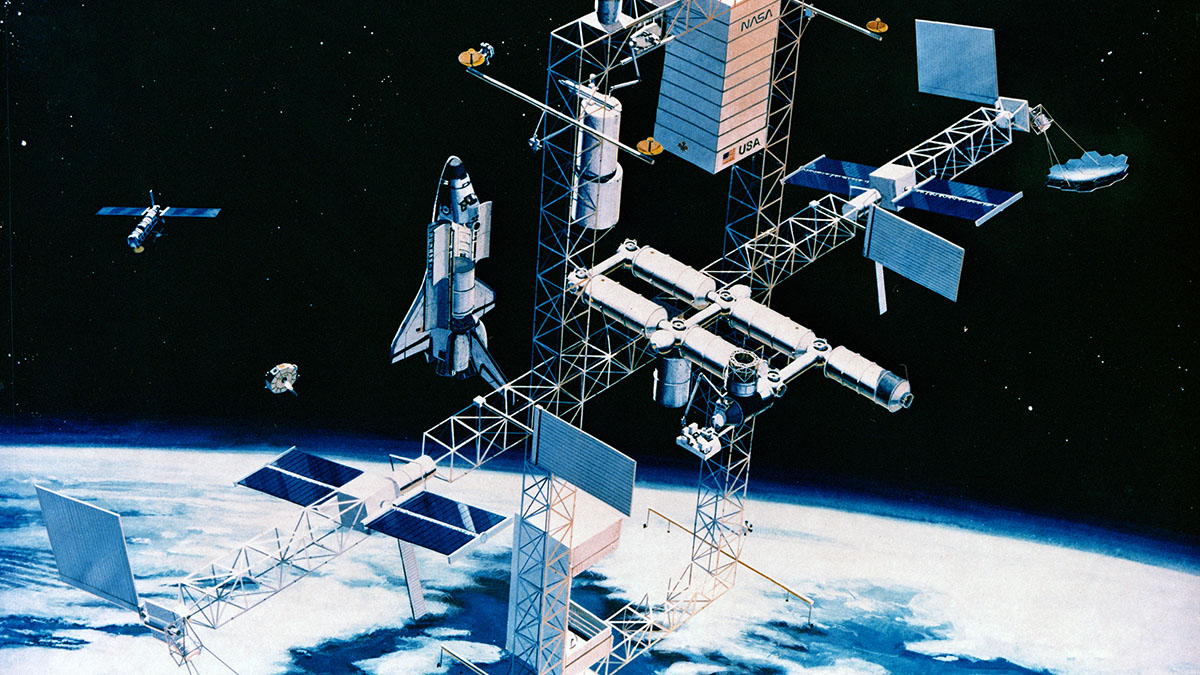
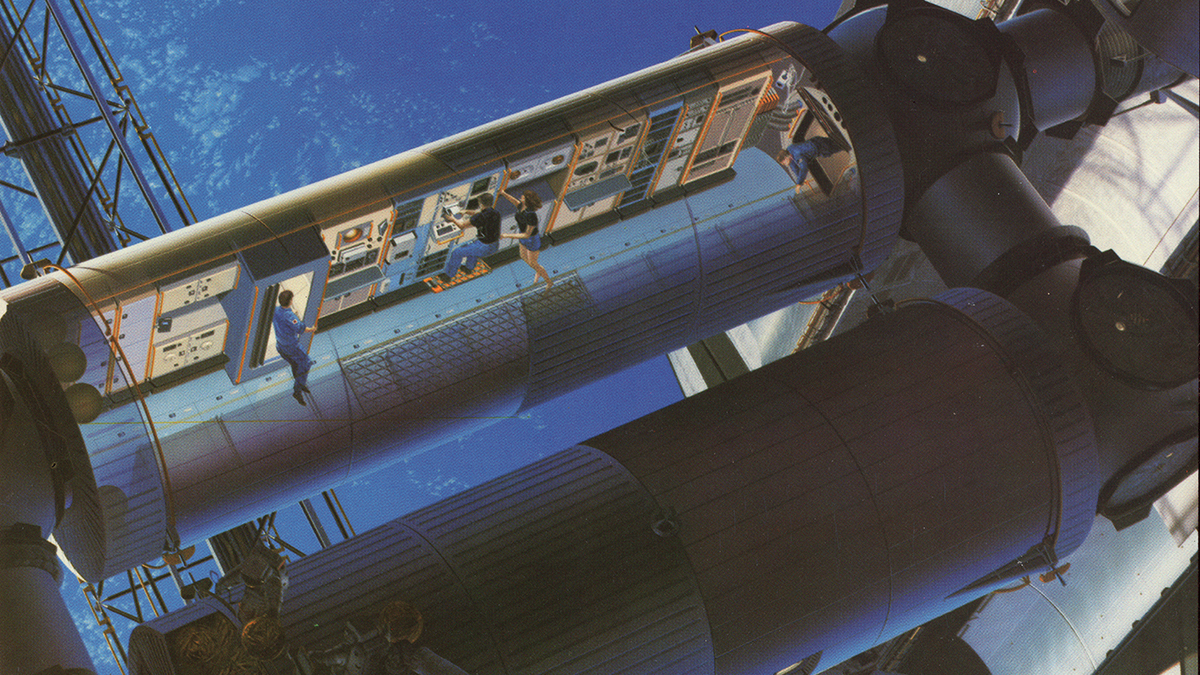
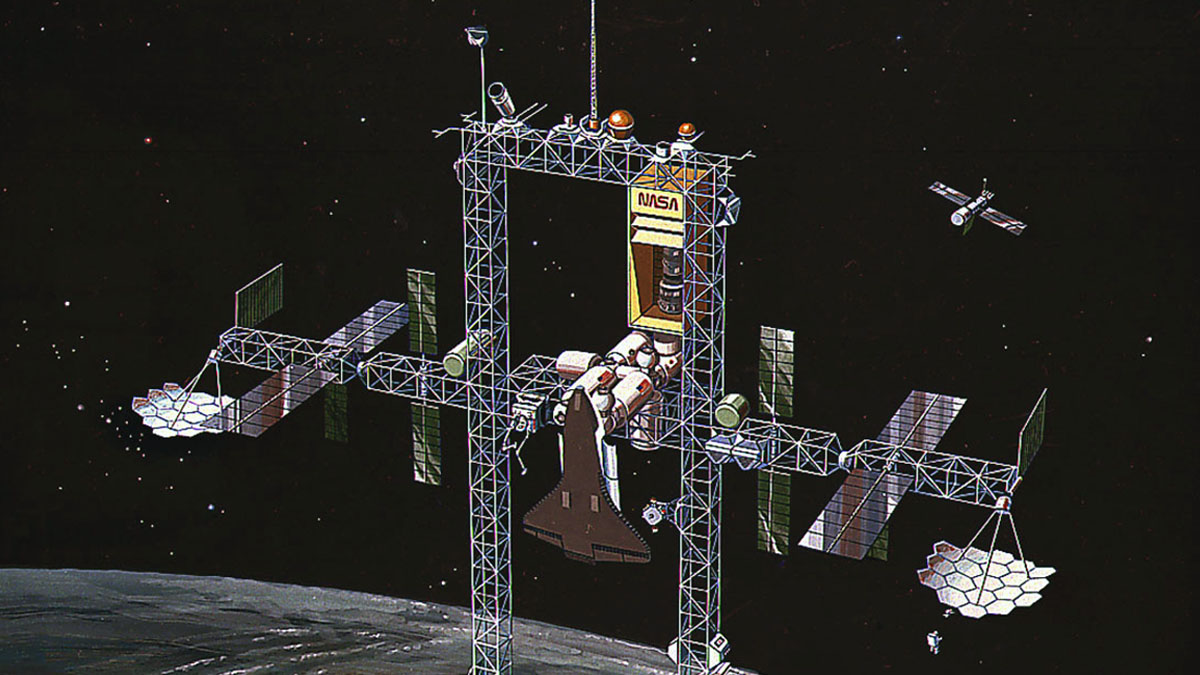
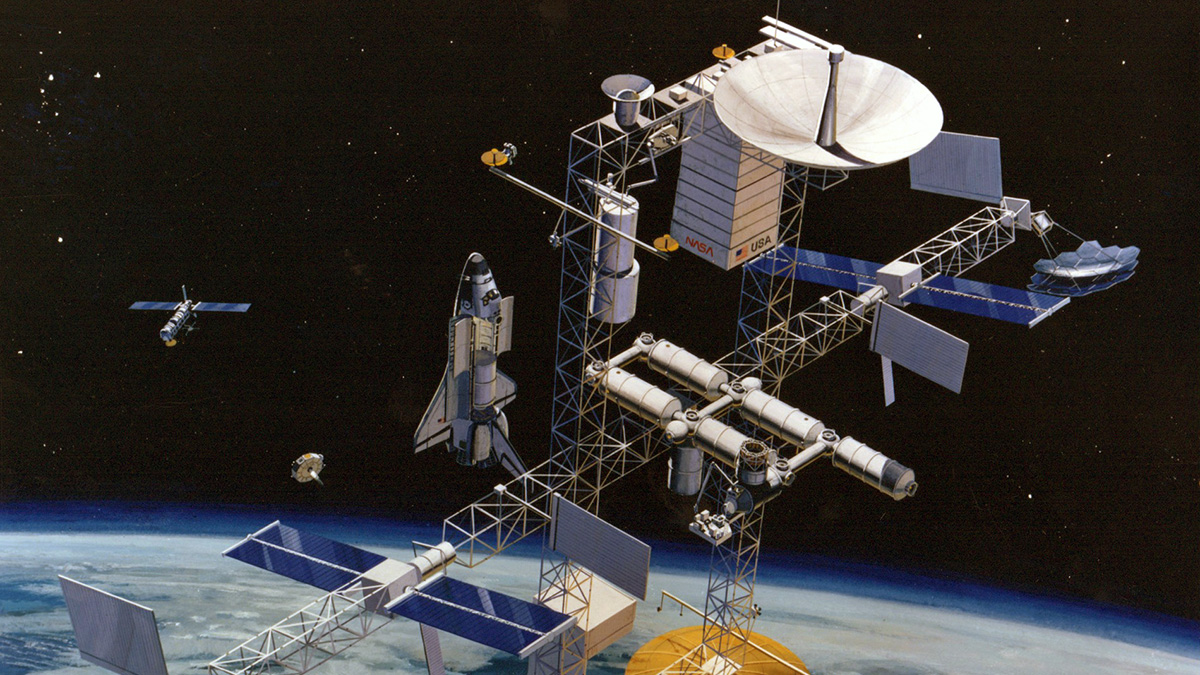
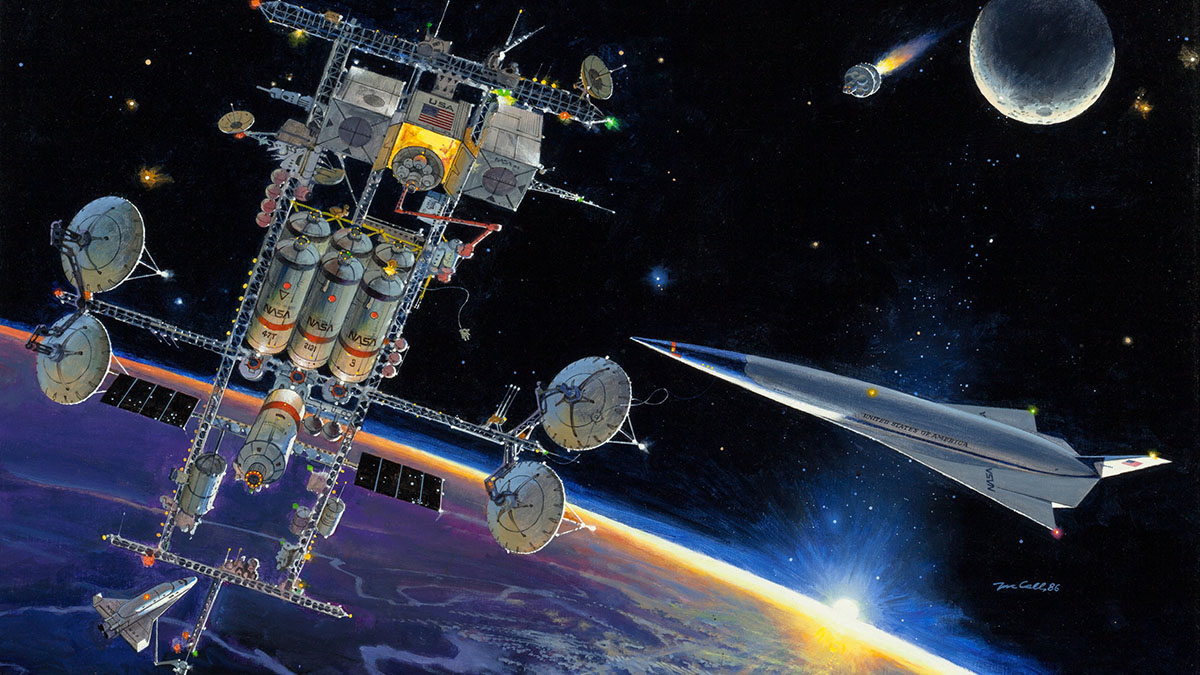
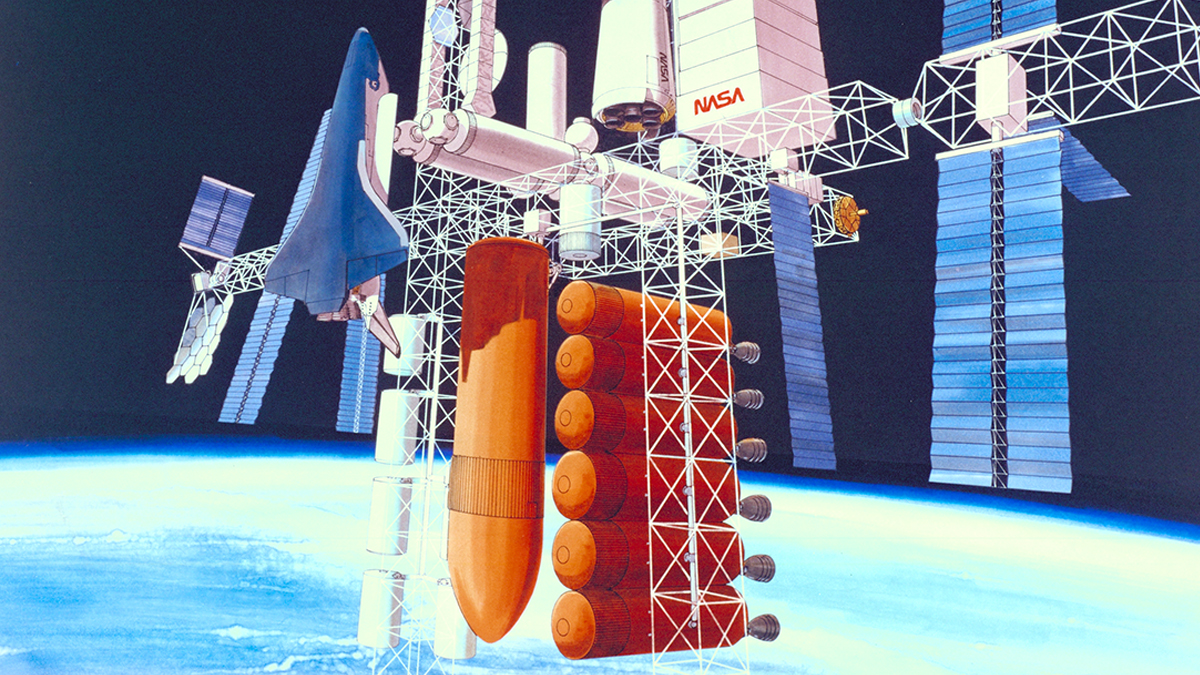
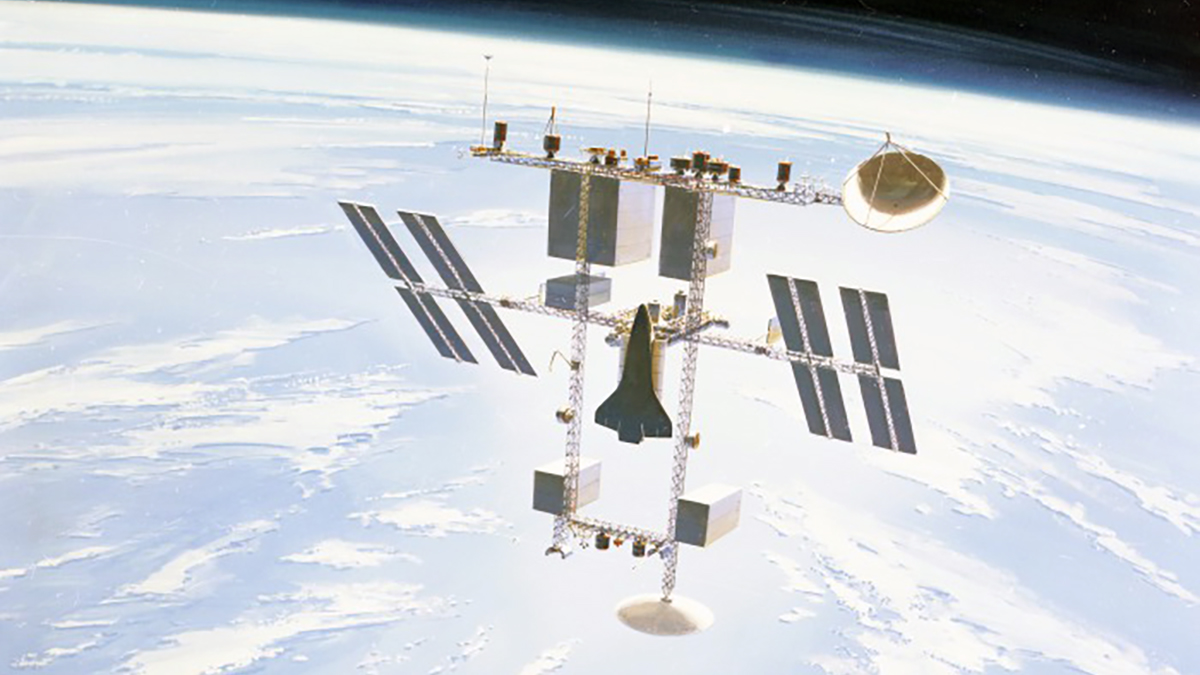
Space Station Freedom – 1988
After a detailed cost assessment, a compromise agreement was reached between NASA and the Reagan Administration in March 1987, allowing NASA to proceed with a cheaper Phase One Station. The ‘Dual Keel’ structure and half of the power generators were to be omitted. The new configuration was named ‘Freedom’ in 1988. Spiralling costs and an absence of political will threw these plans into doubt in the early 1990s, with Congress threatening to cancel the station outright. With Russia’s MIR-2 also in financial jeopardy, American and Russian officials met in March 1993 and proposed a joint venture. In September 1993, American Vice-President Al Gore and Russian Prime Minister Viktor Chernomyrdin announced plans for a new space station, which eventually became the International Space Station.
International Space Station
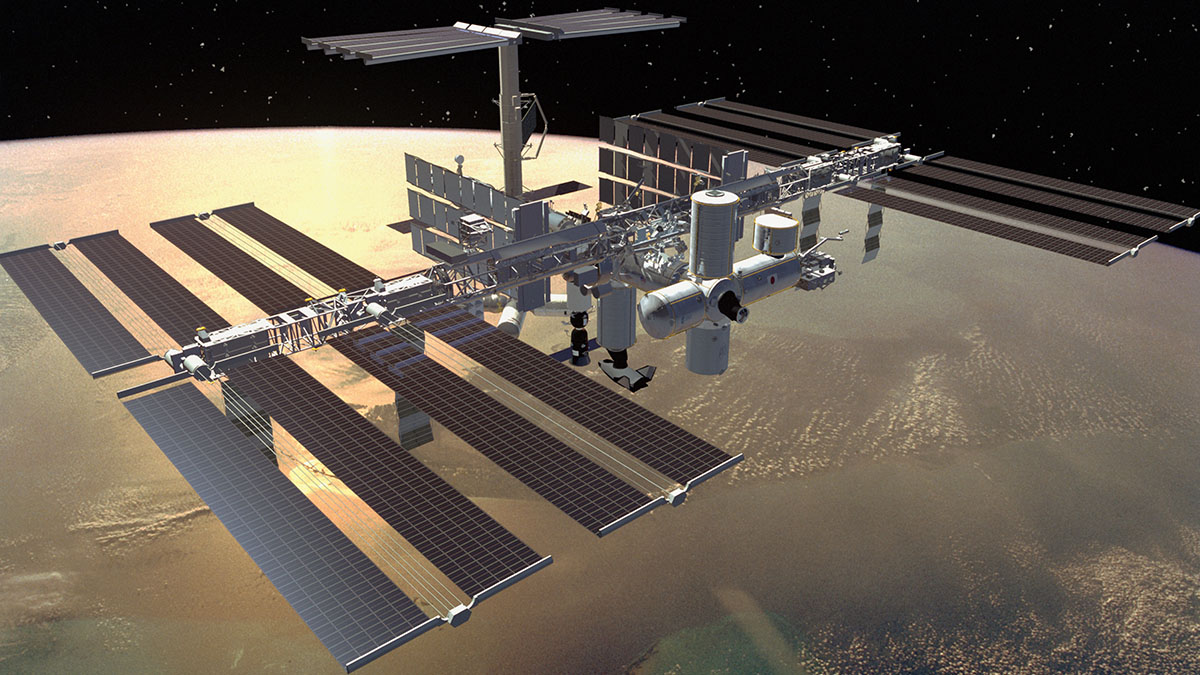
The International Space Station is a space station that was assembled and is maintained in low Earth orbit by a collaboration of five national space agencies and their contractors: CSA, ESA, JAXA, NASA, Roscosmos.

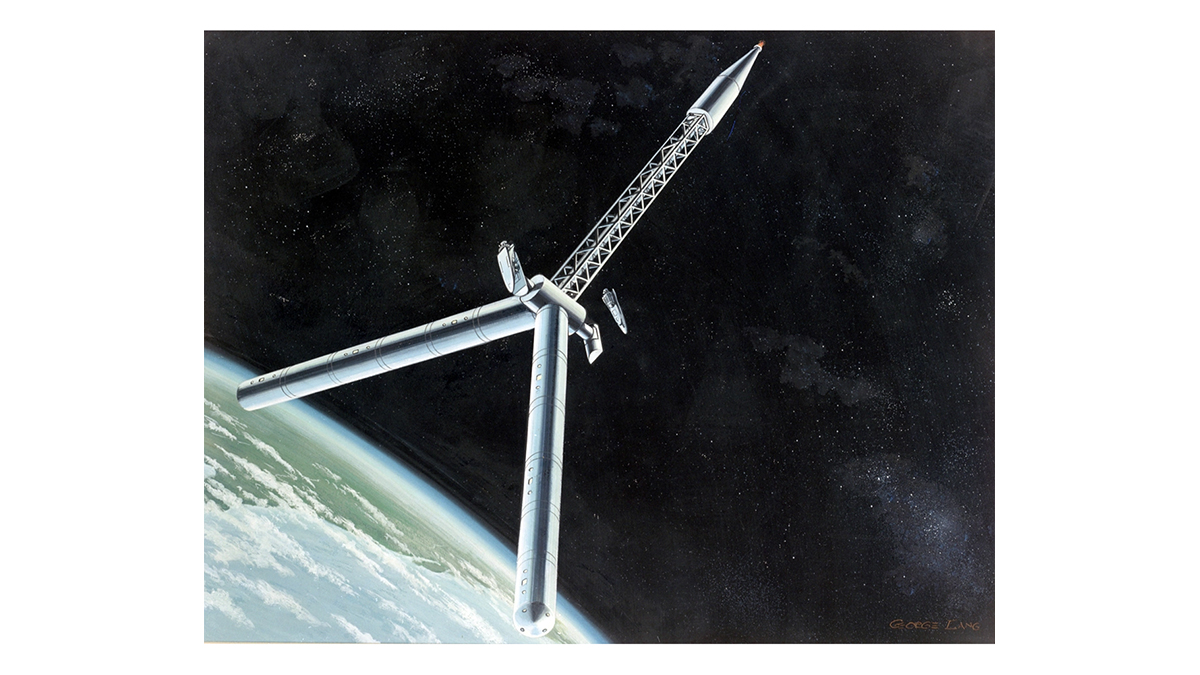
Lockheed Space Station – 1963
LORL
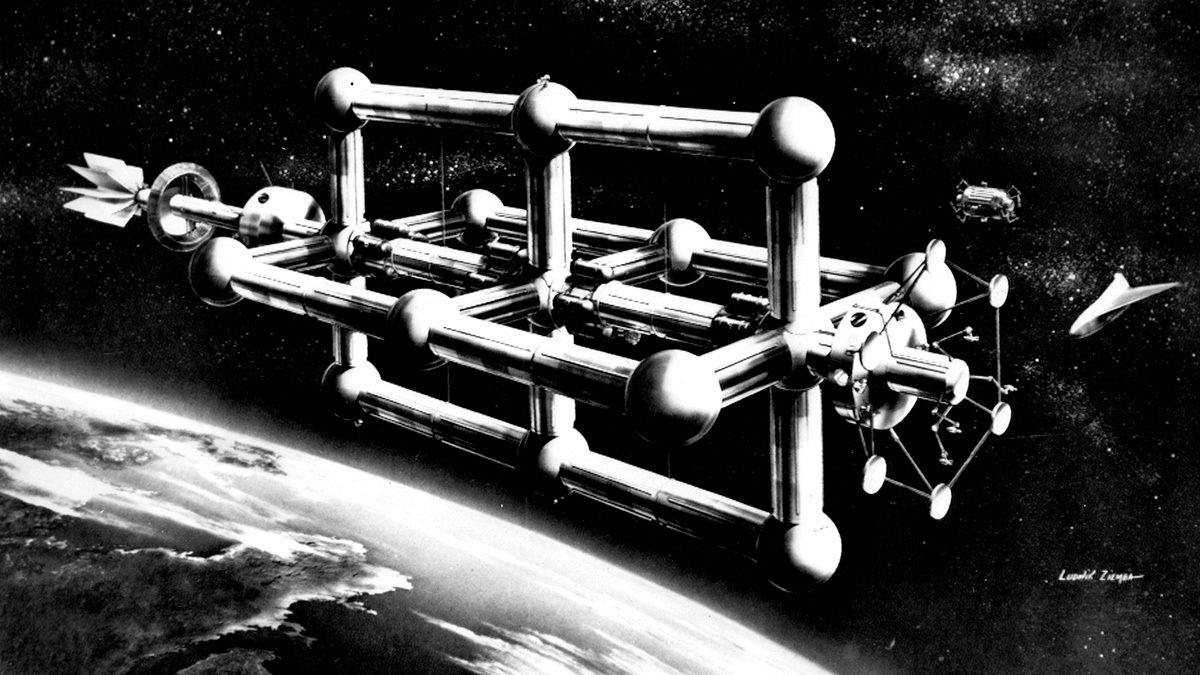
Large Orbiting Research Laboratory was a term applied to a number of NASA and USAF designs of the sixties.
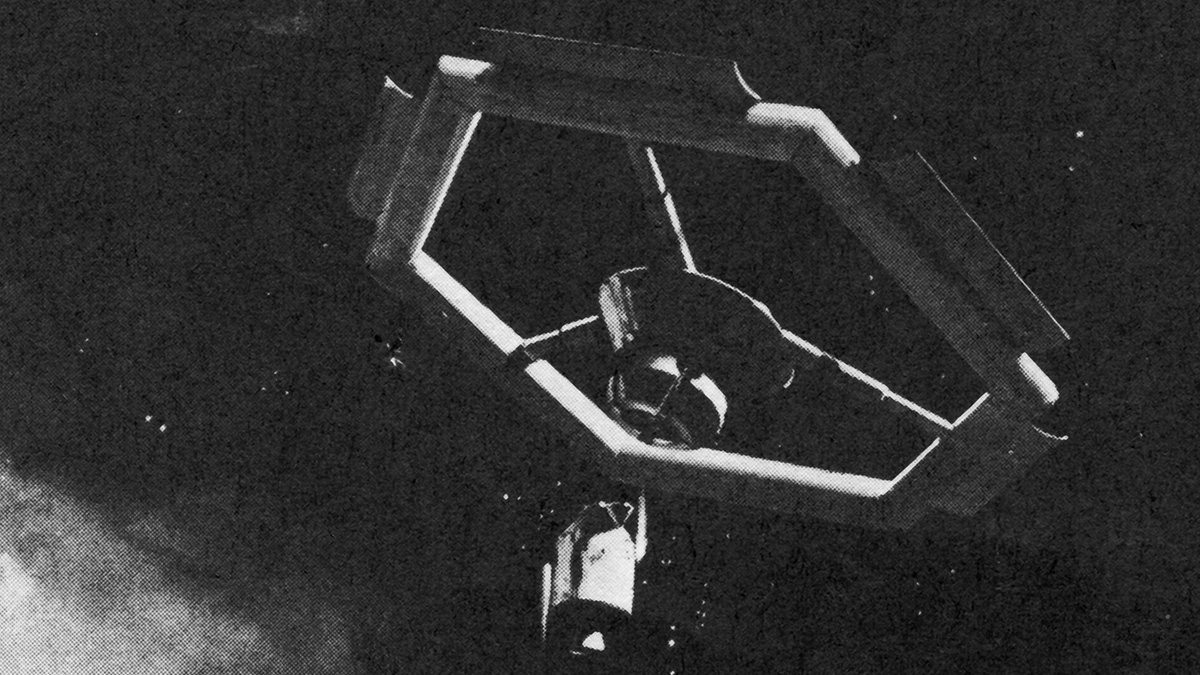
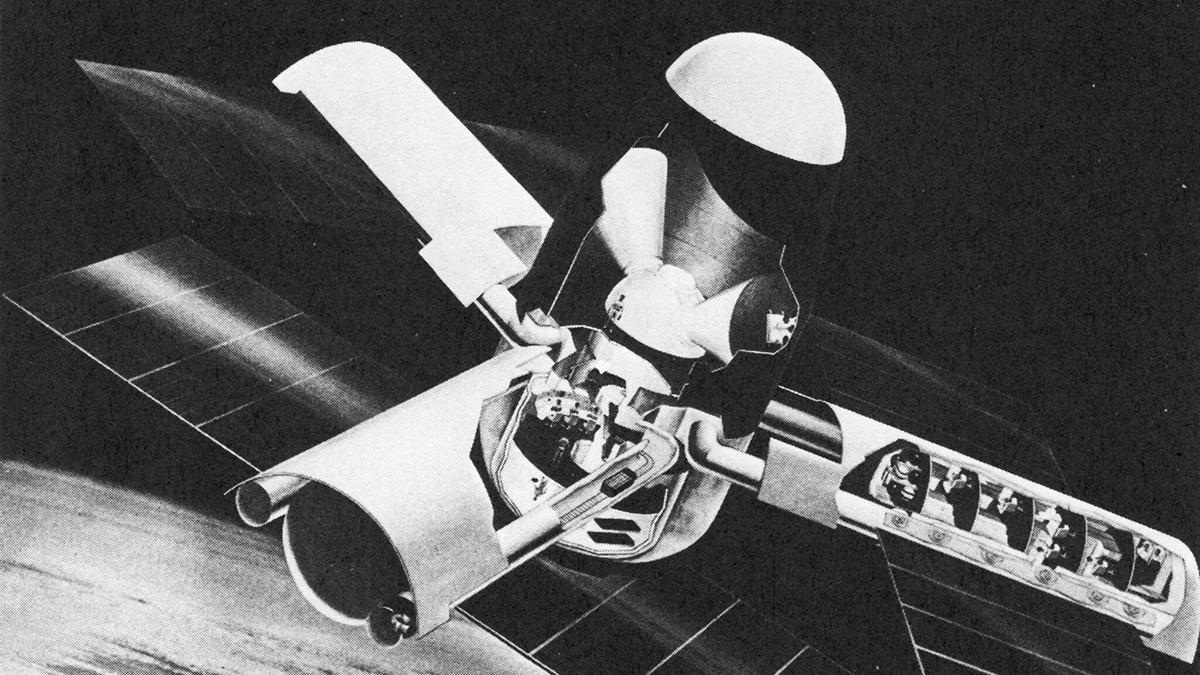
M.A.R.S.
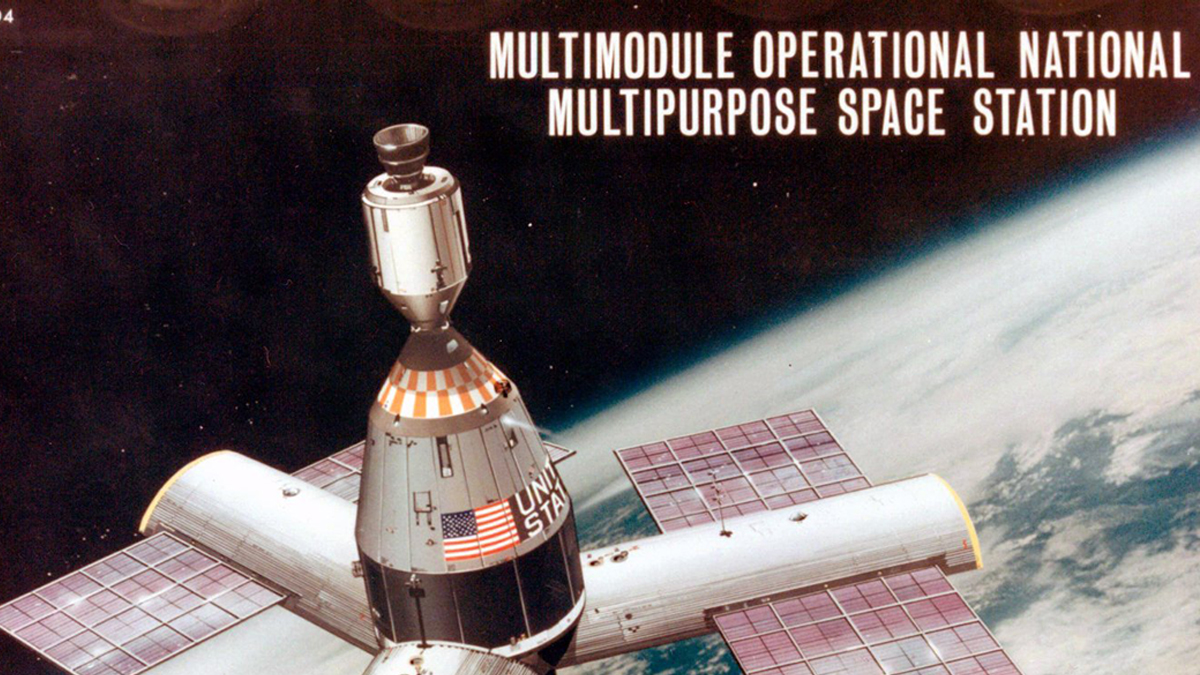
Manned Astronautical Research Station – 1964

Manned Orbiting Facility – 1974
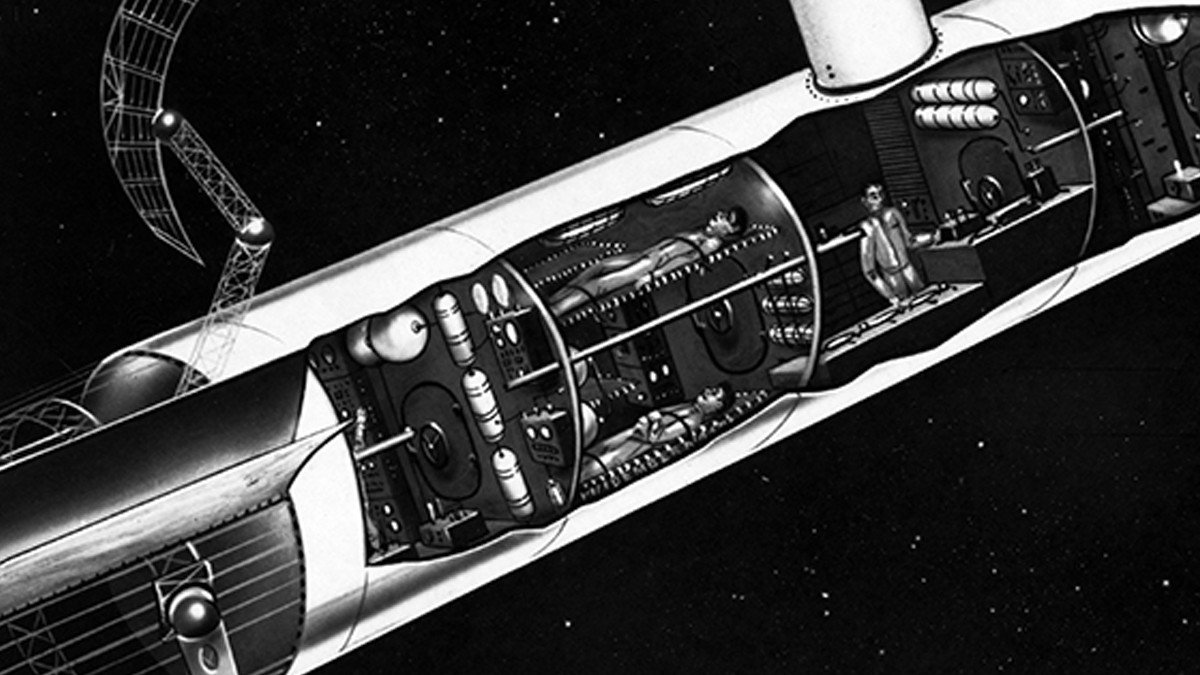
MORL
Manned Orbital Research Laboratory
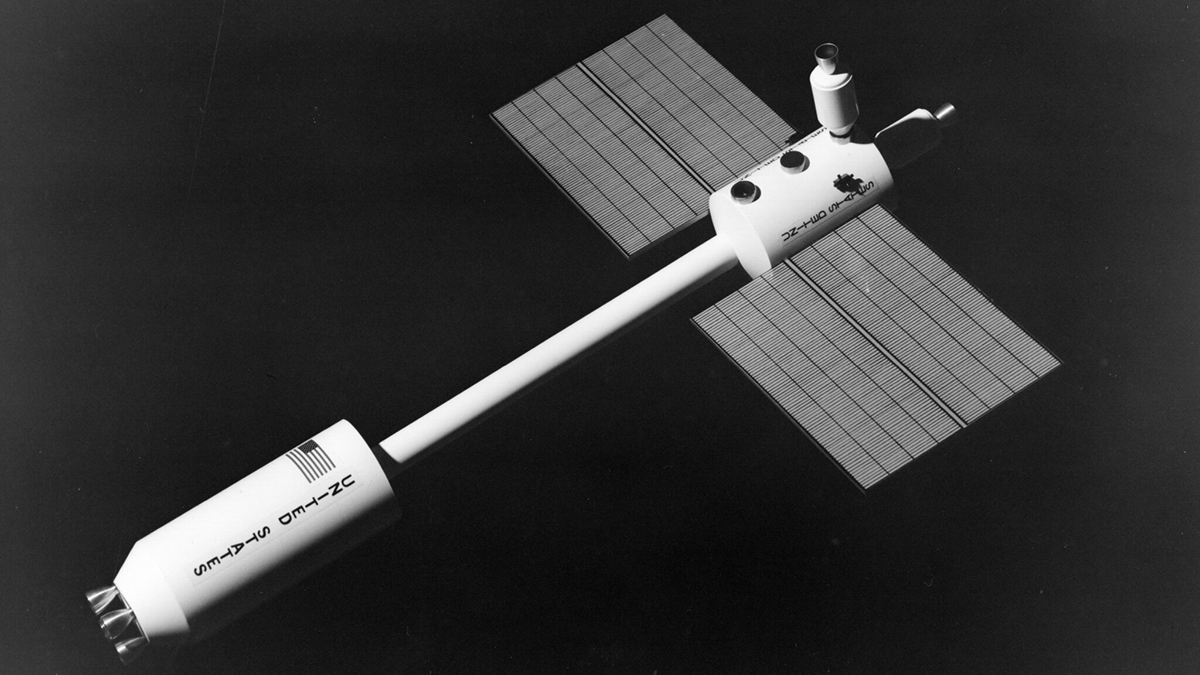
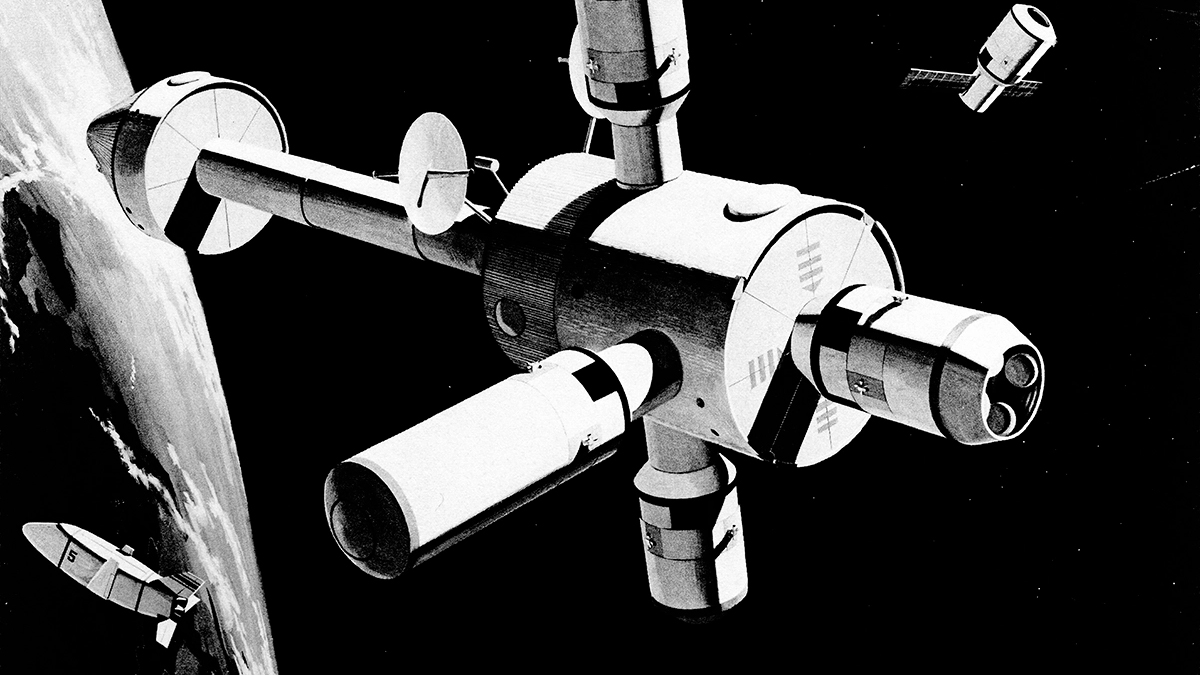
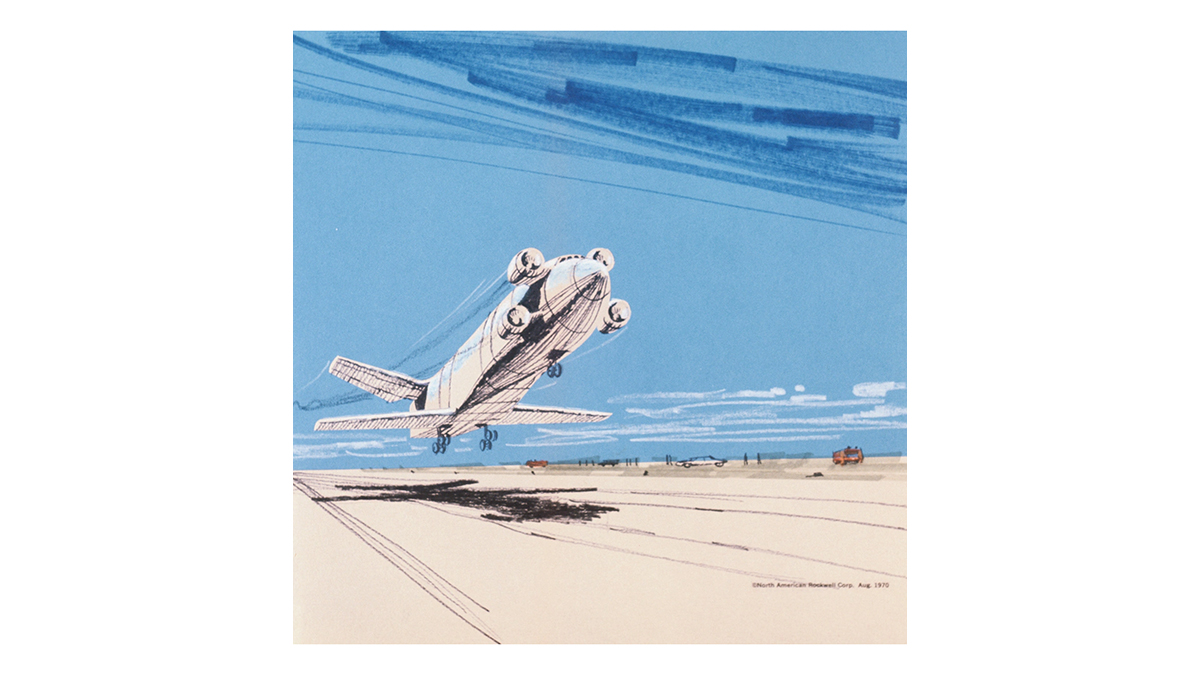
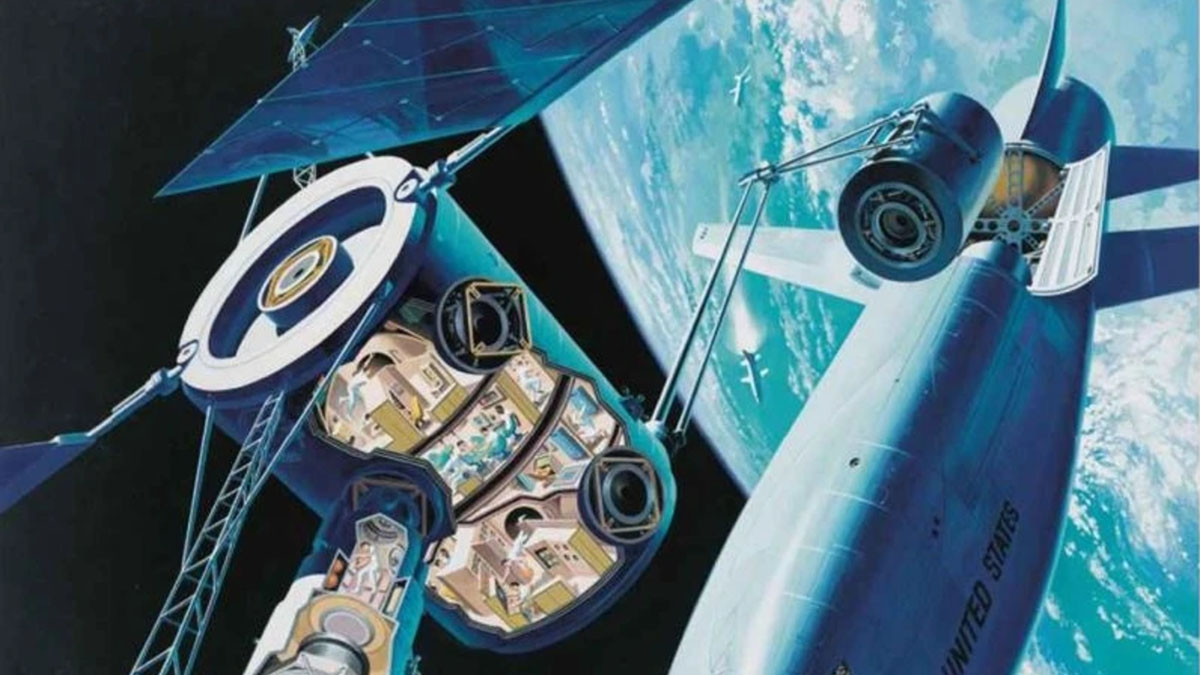
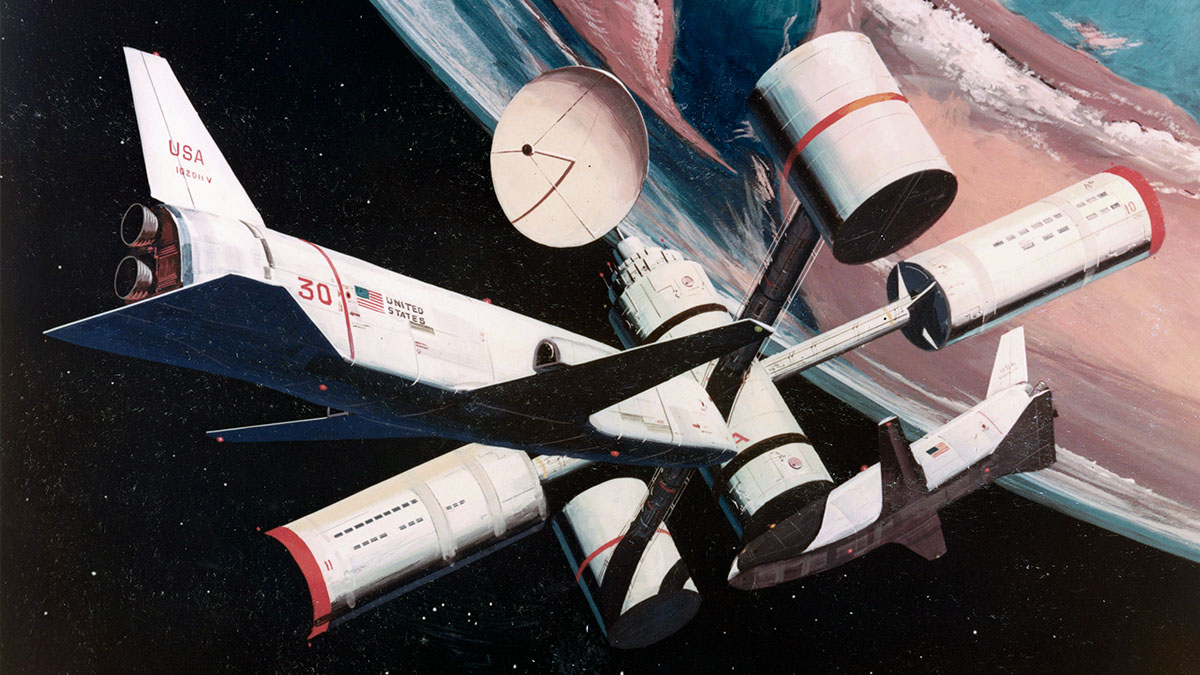
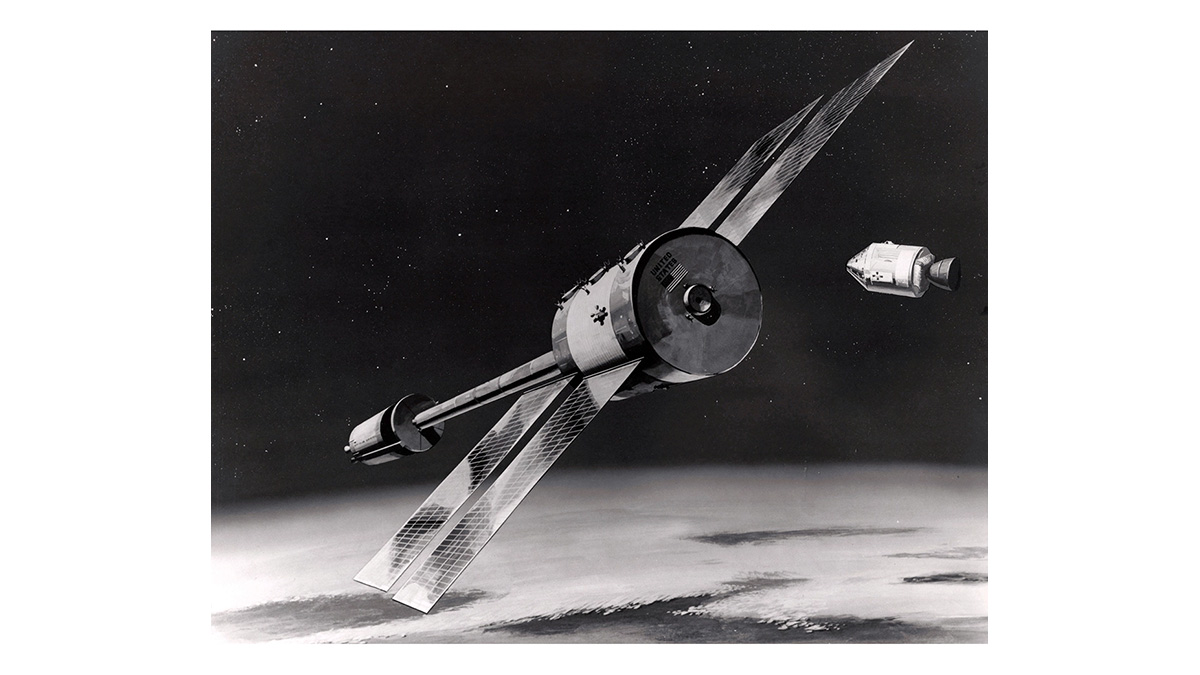
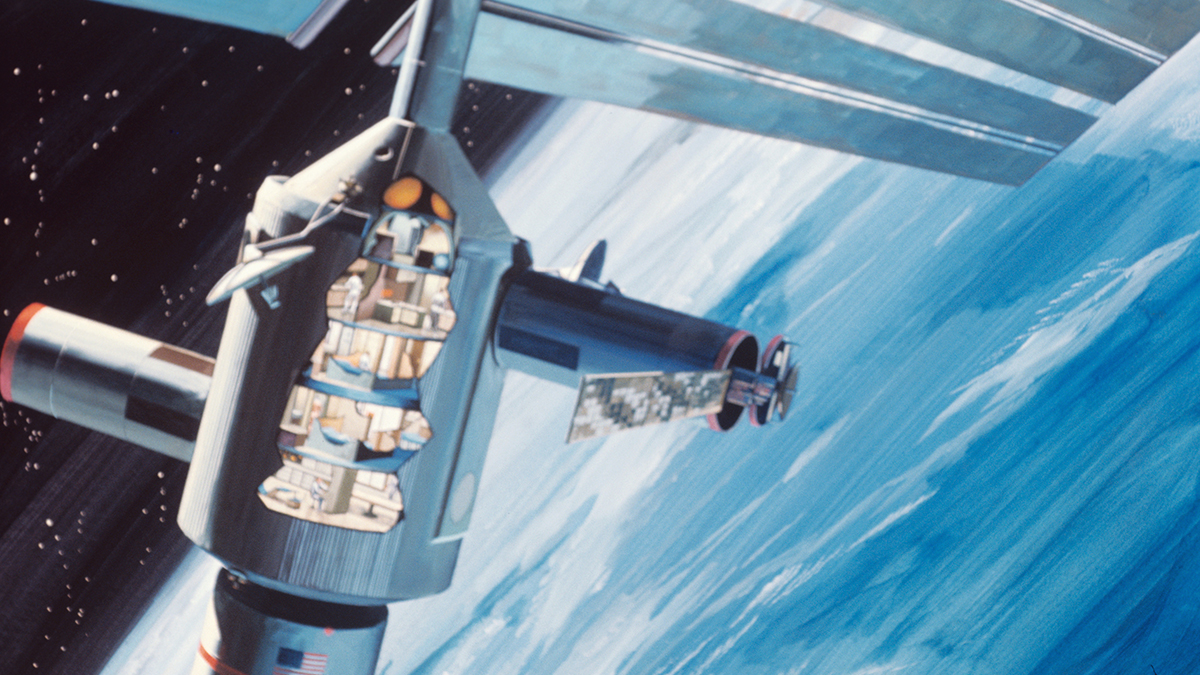
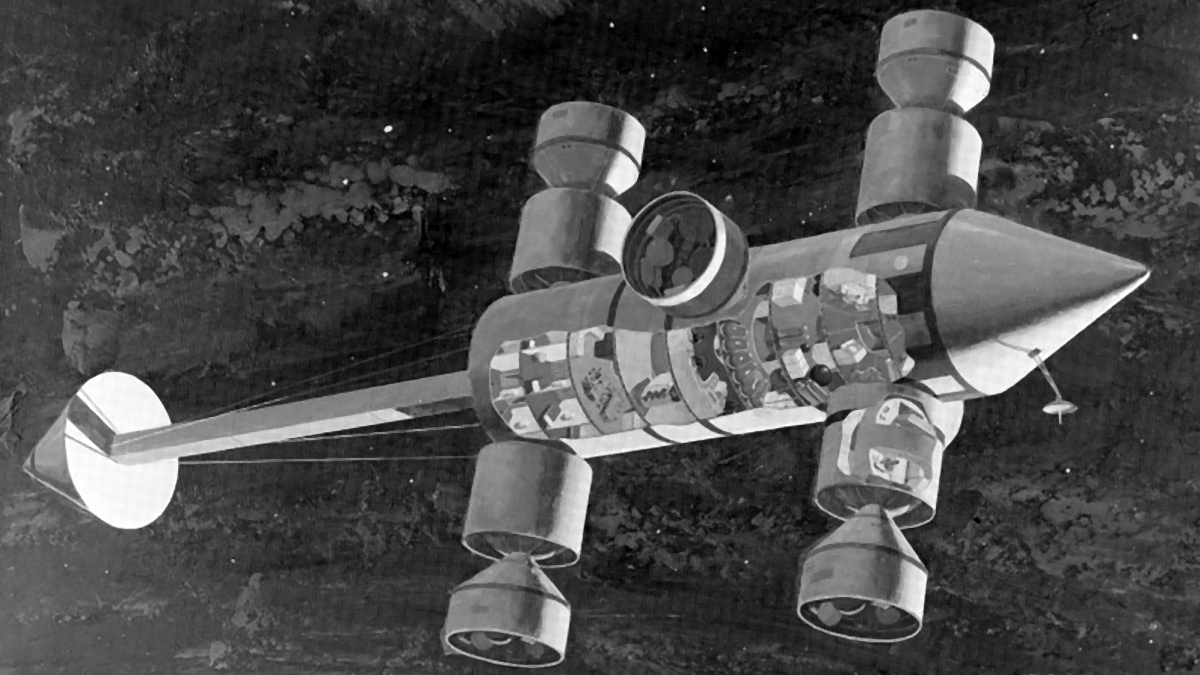
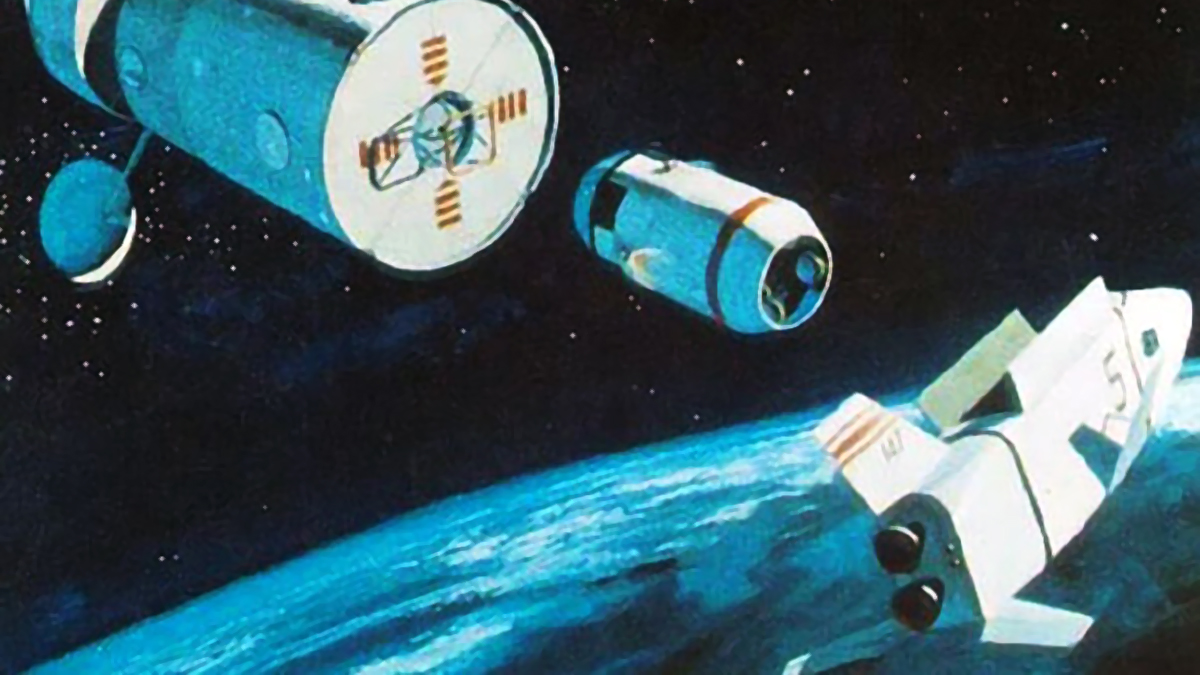
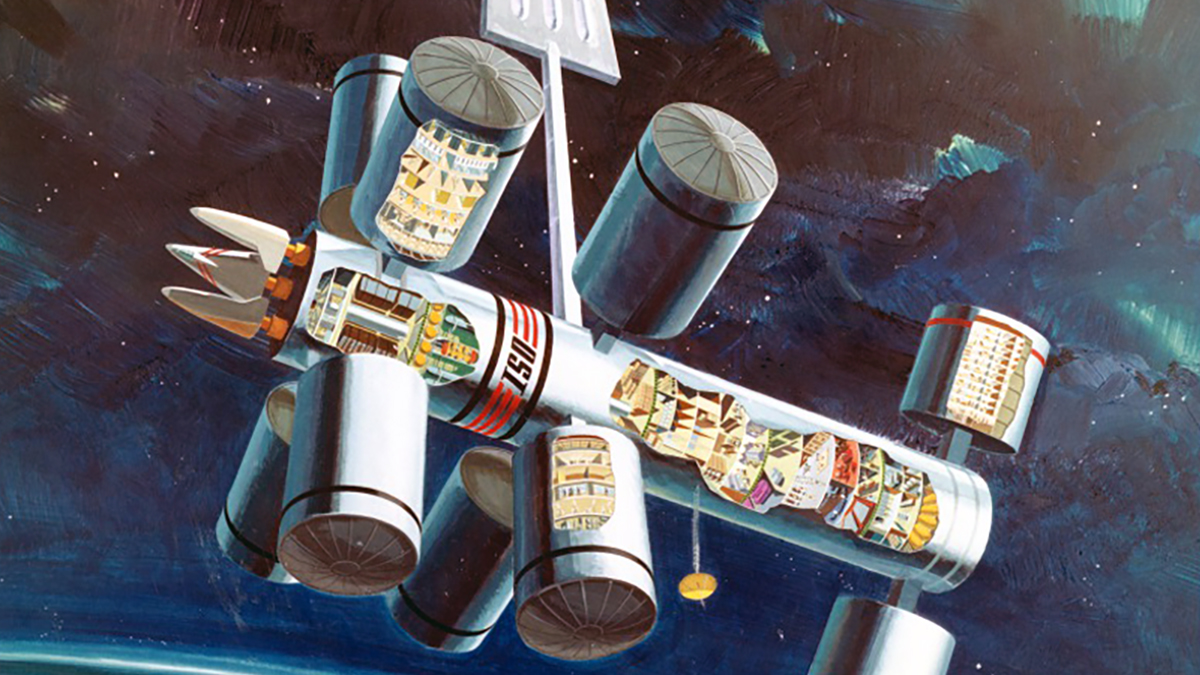
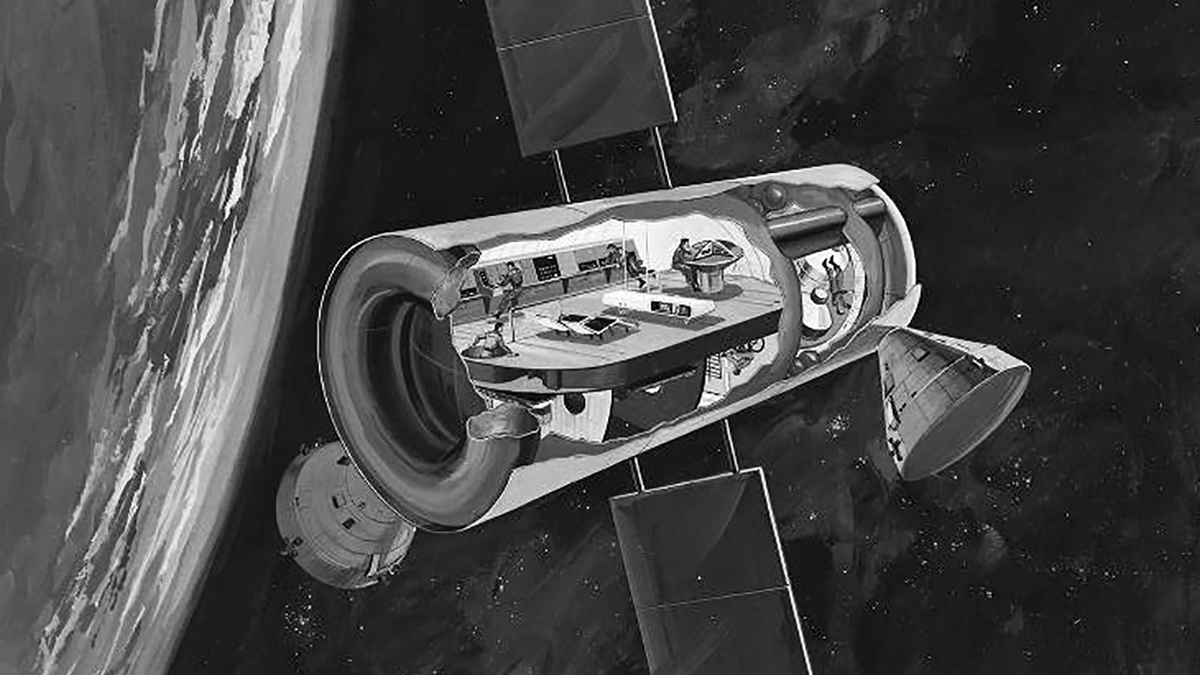
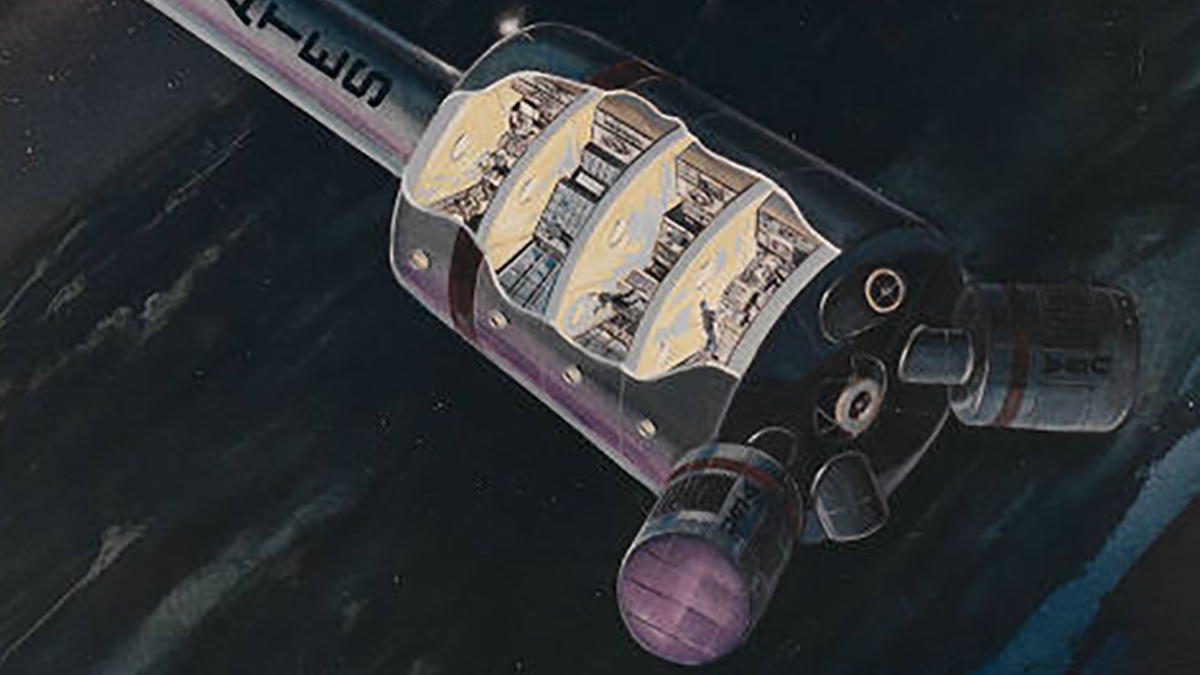
NASA Space Station / Space Base Studies
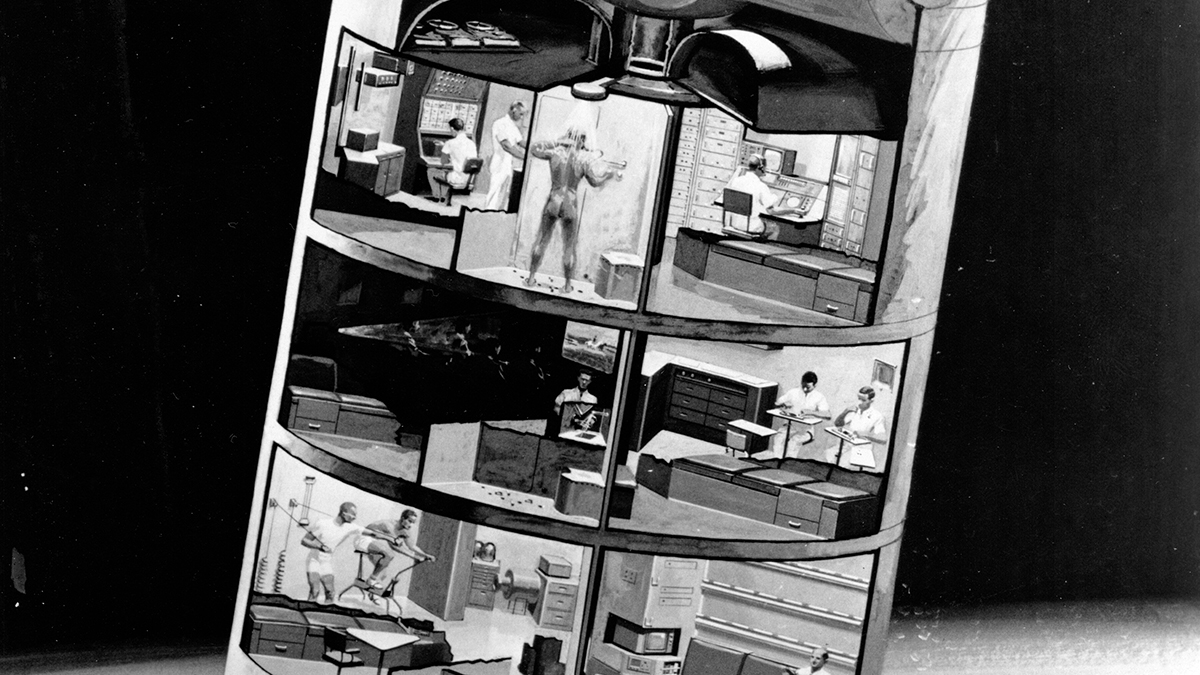
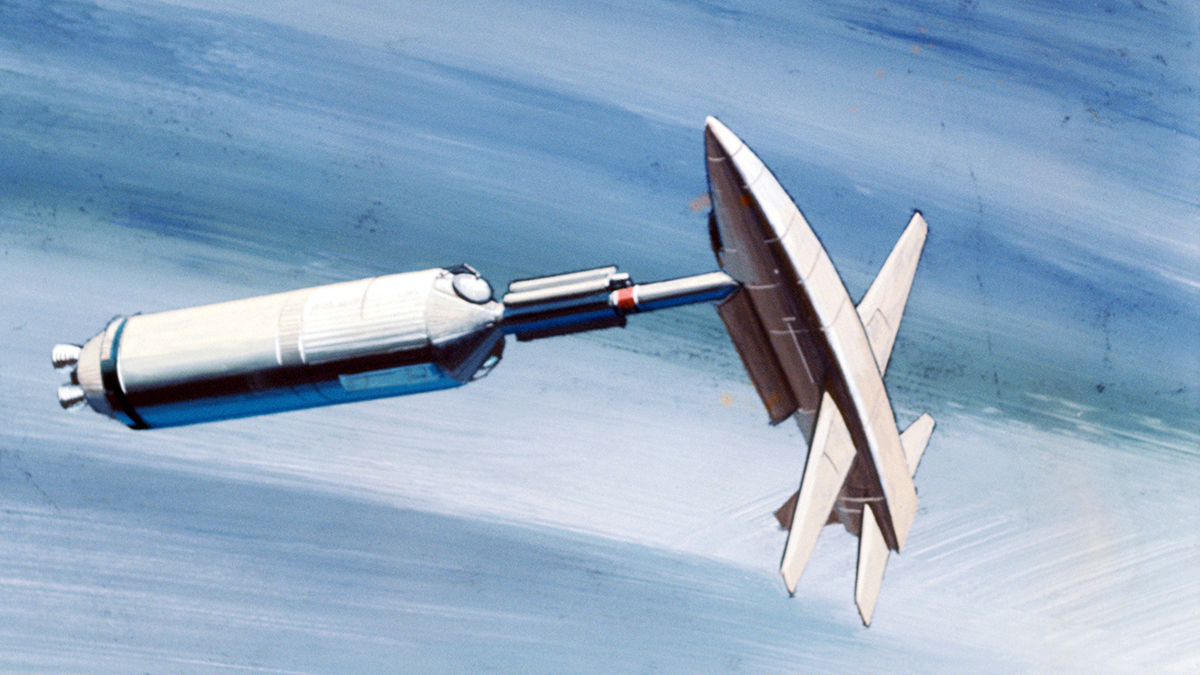
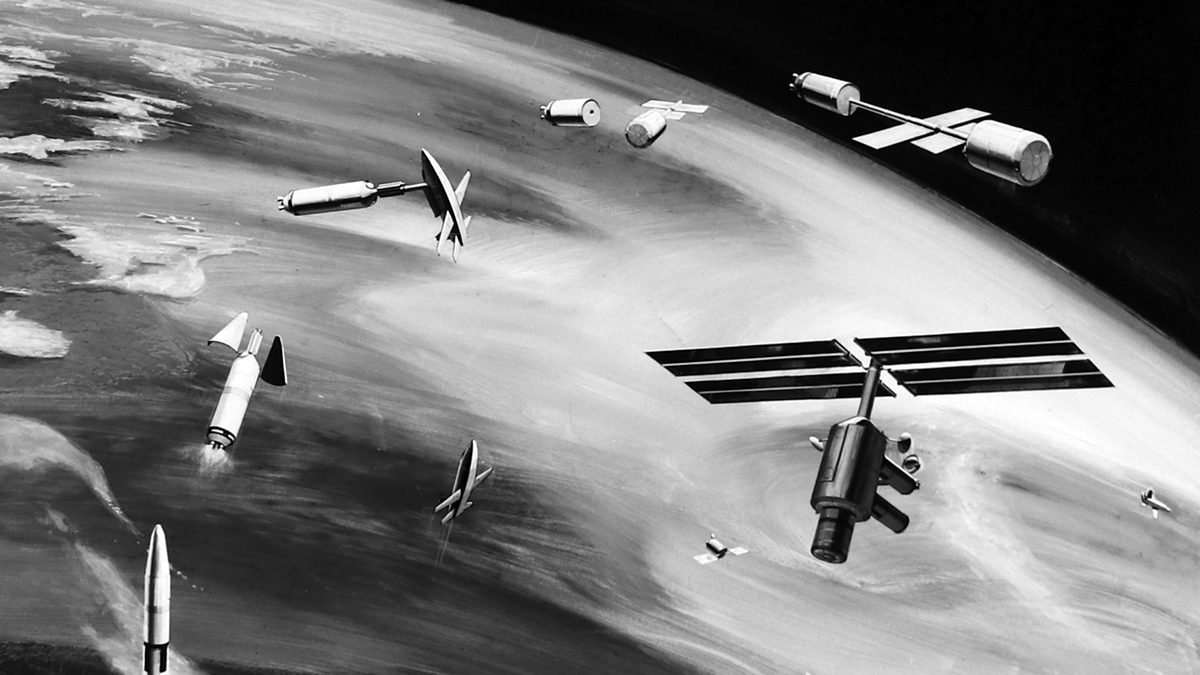
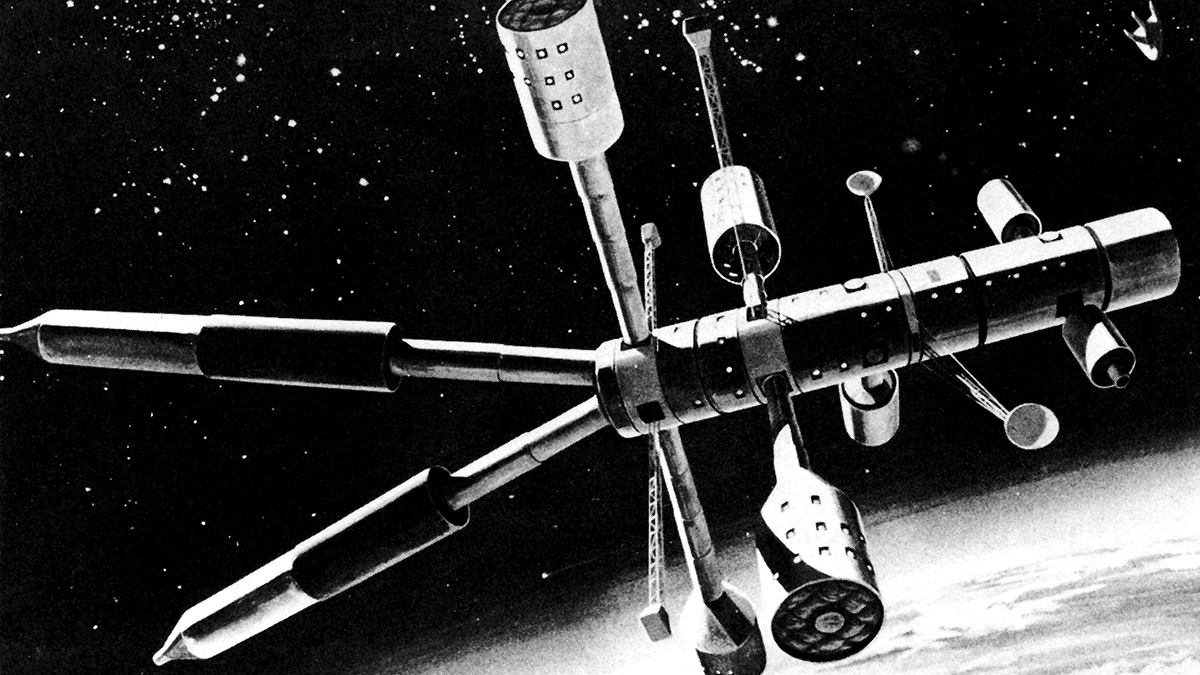
Phase B study contracts completed by NAR and MDAC between 1969 and 1972
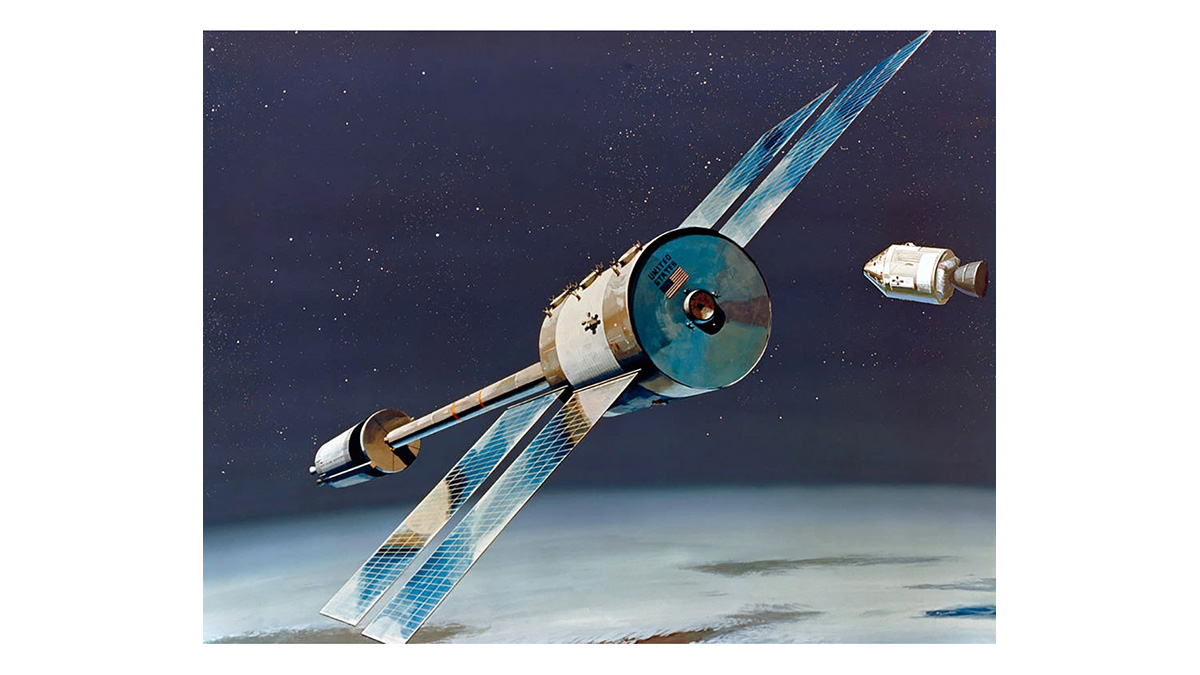
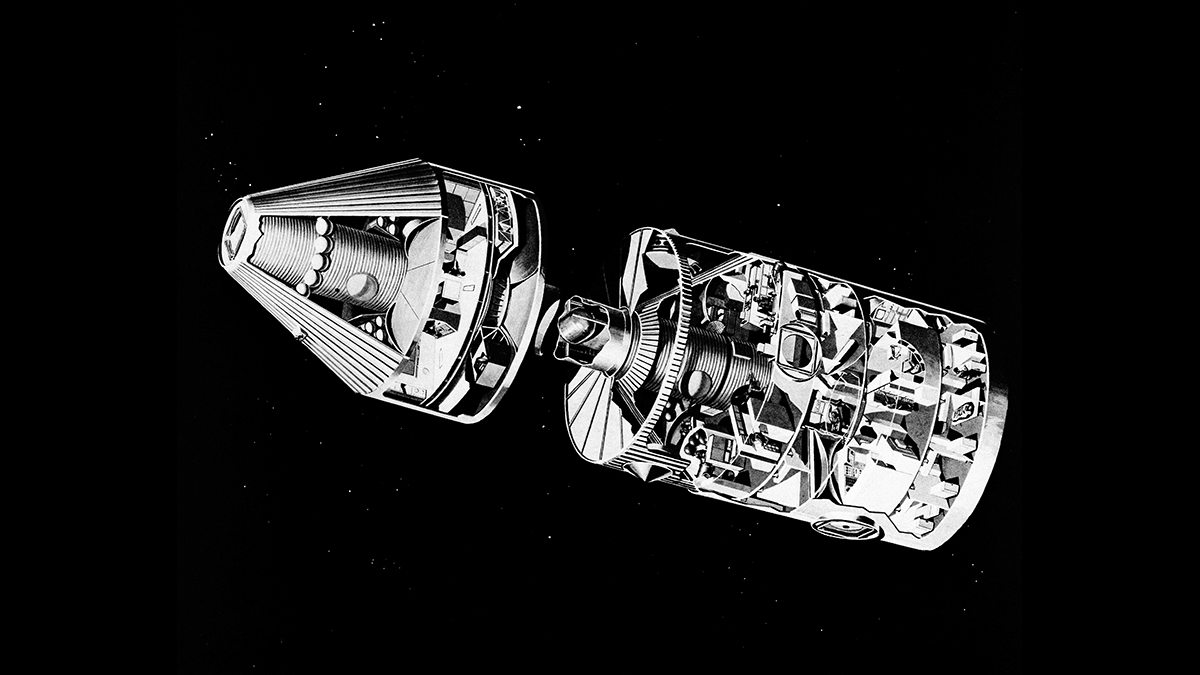
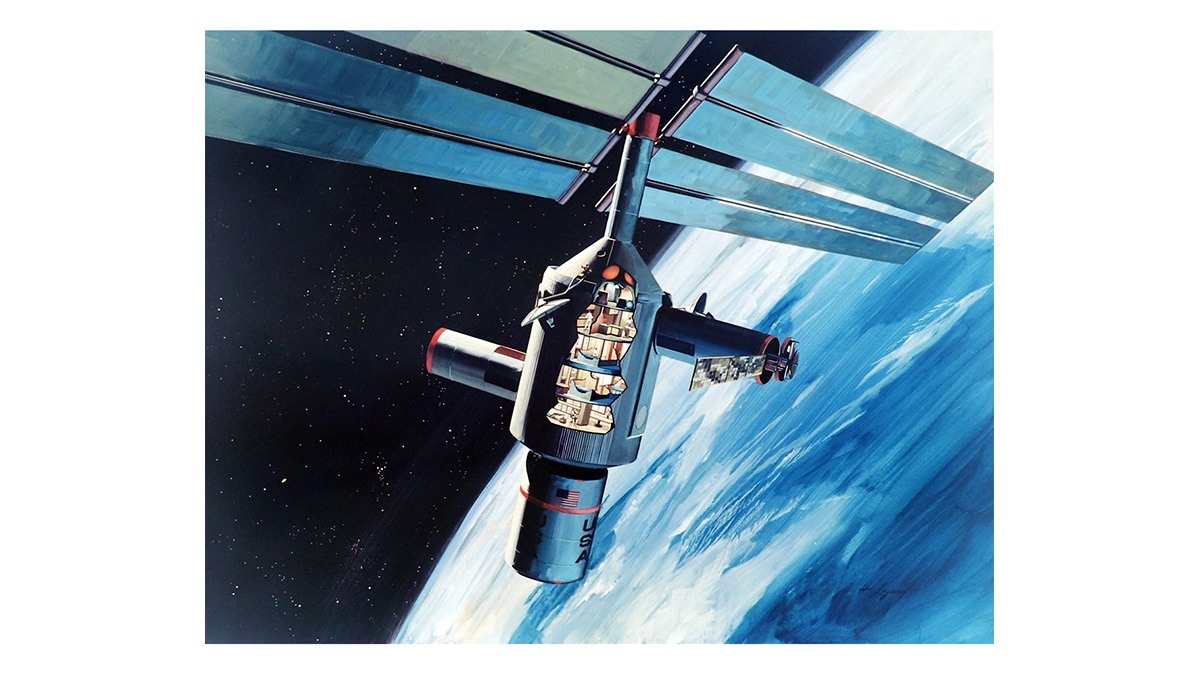
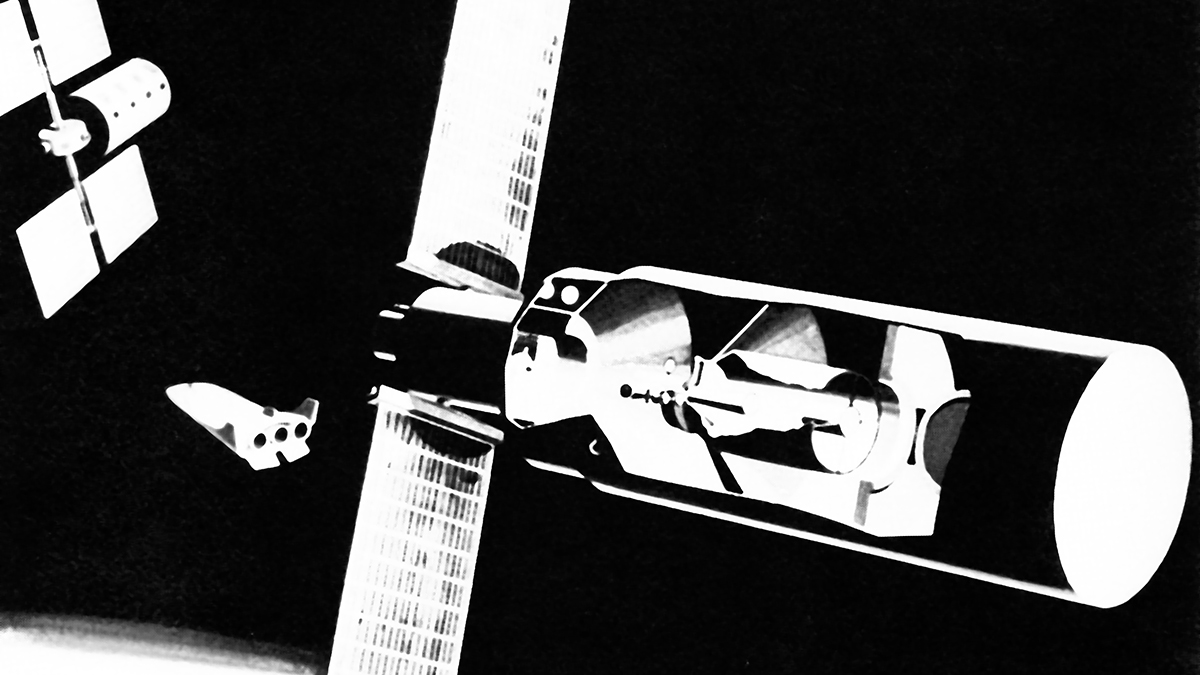
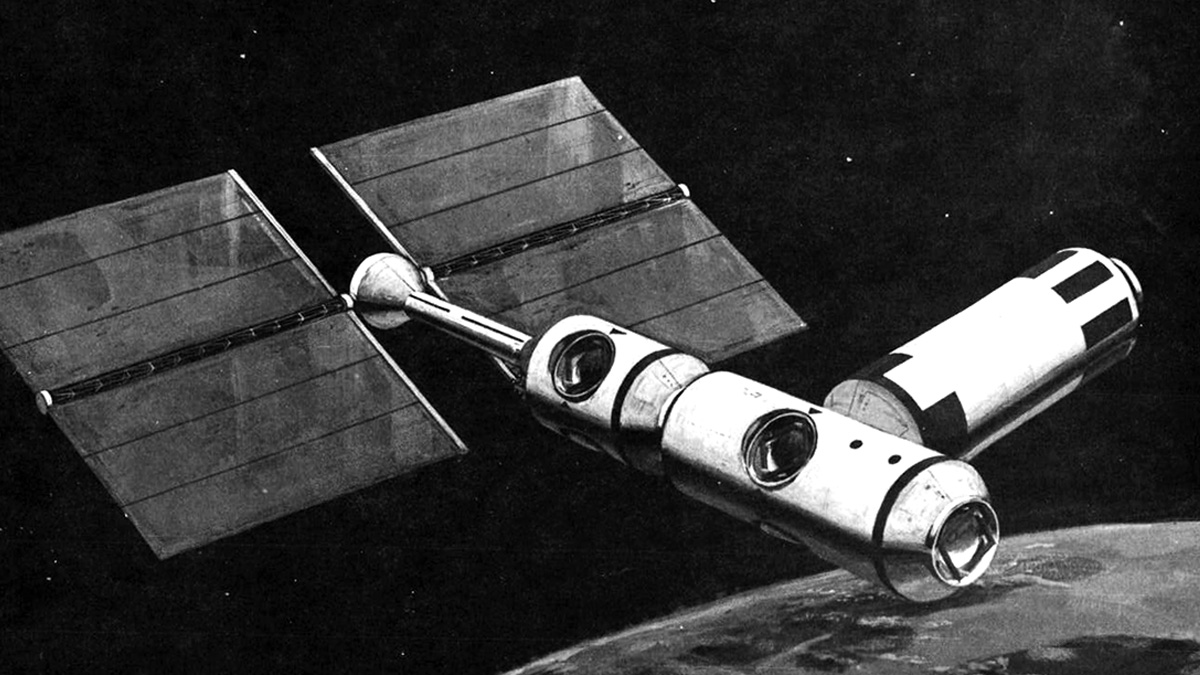
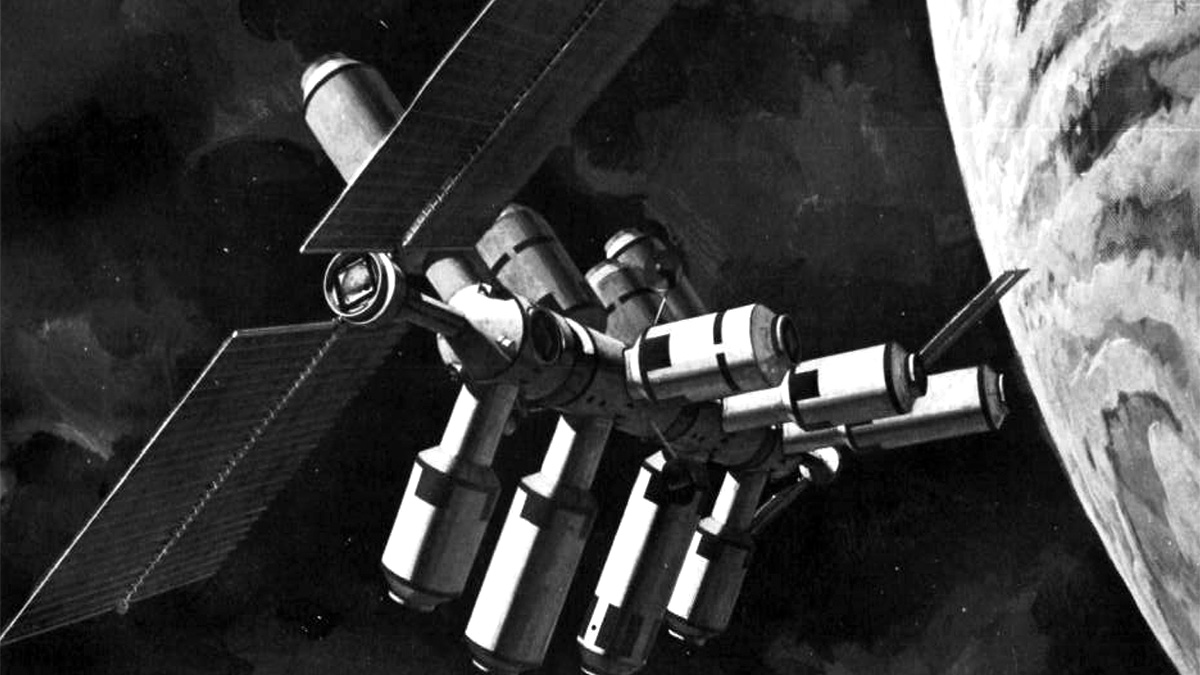
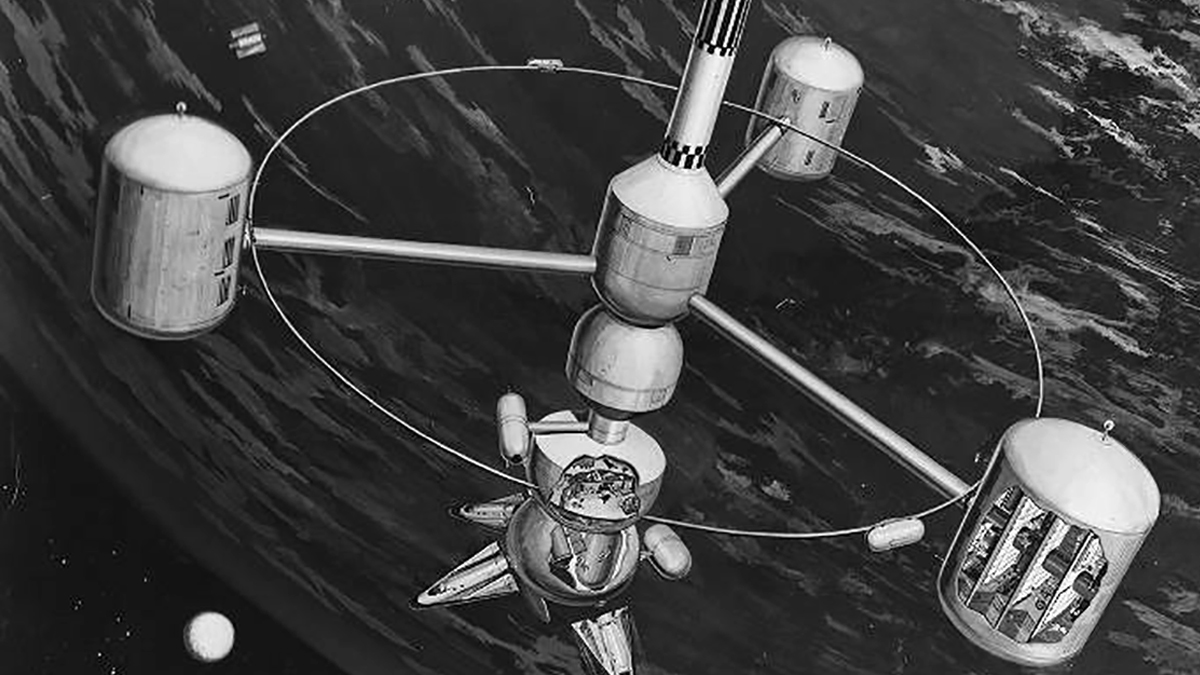
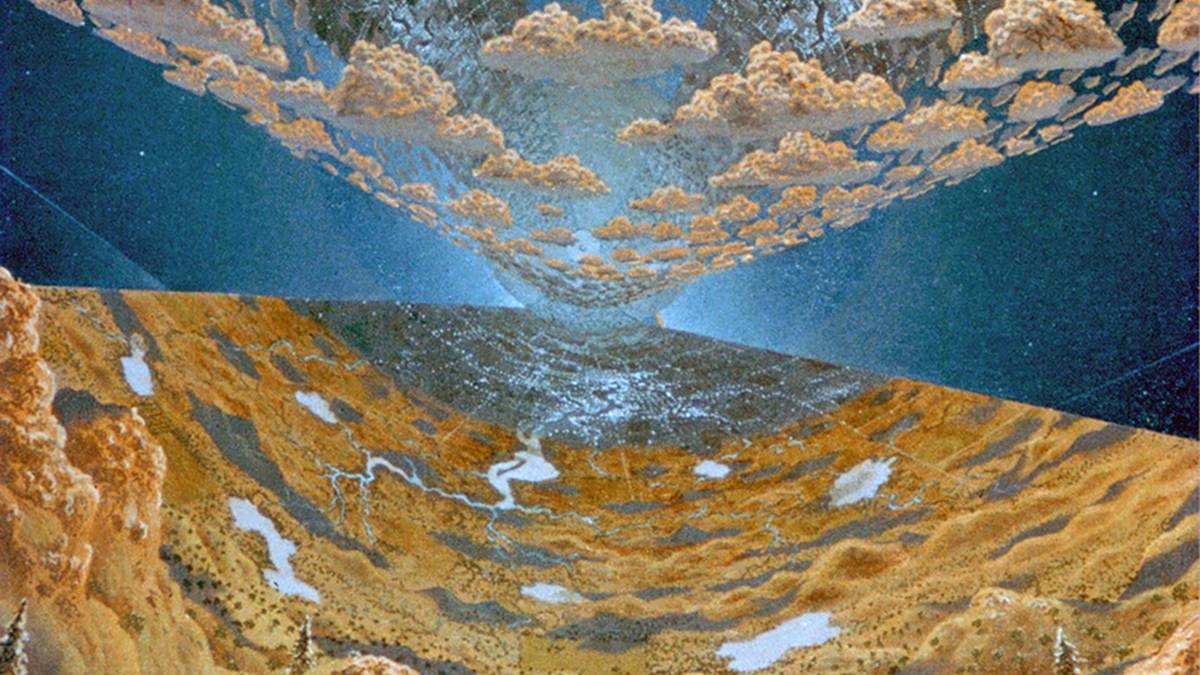
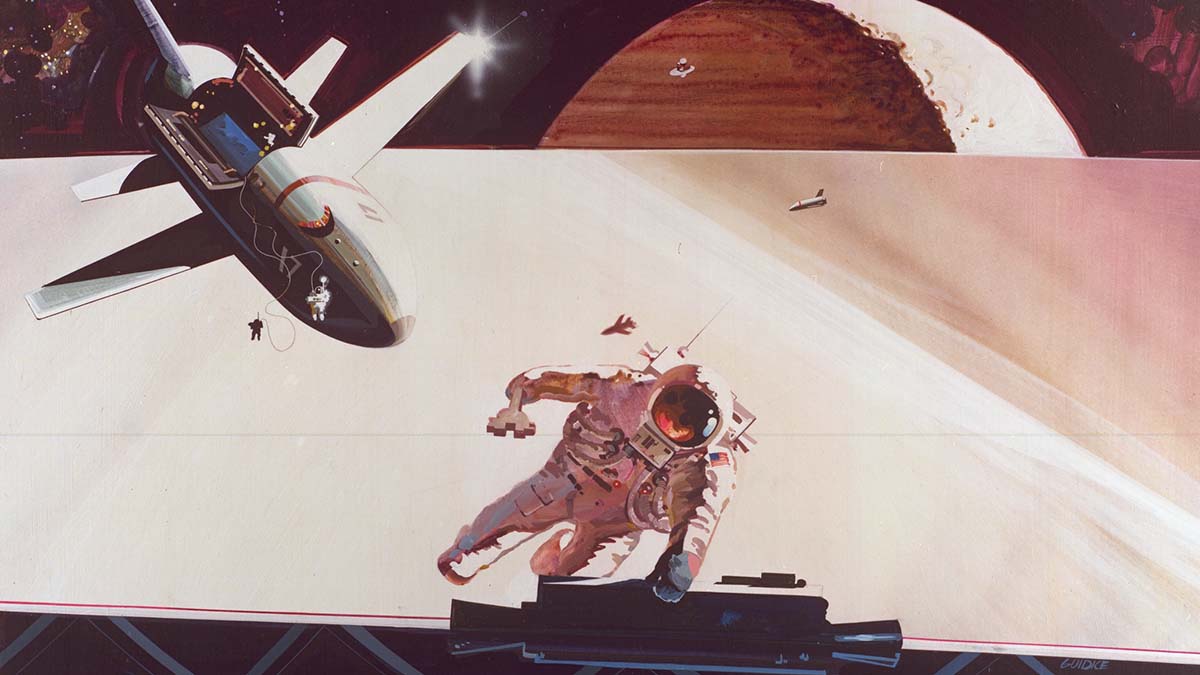
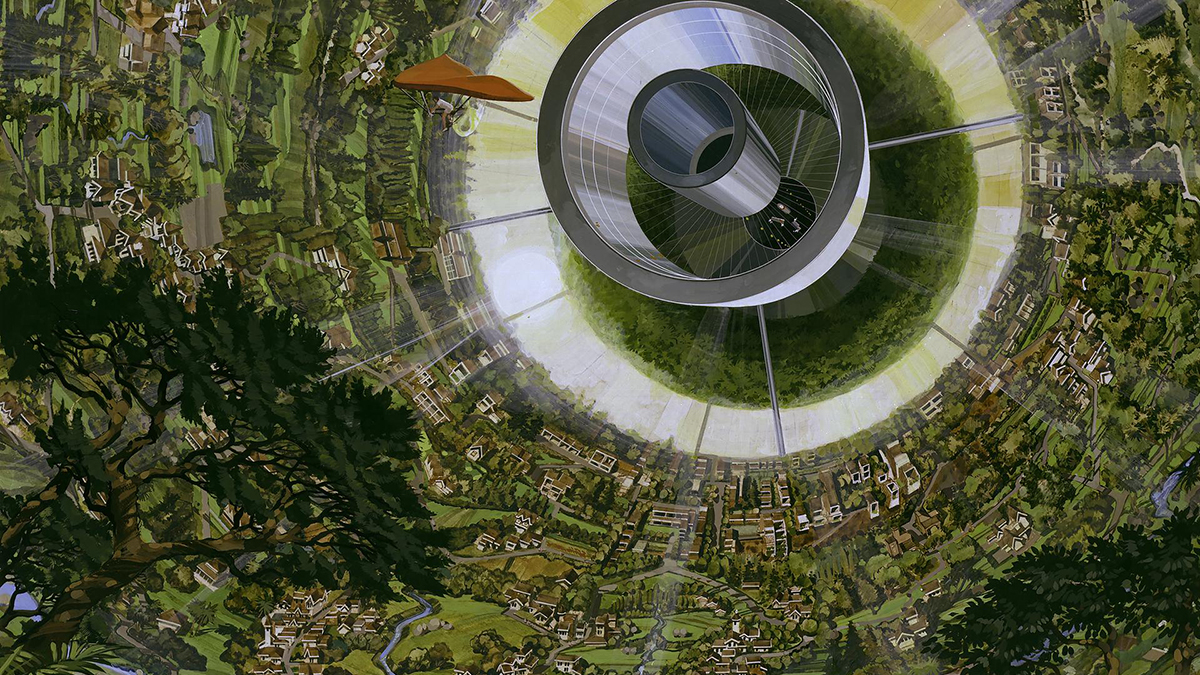
O’Neill Design Study – 1977

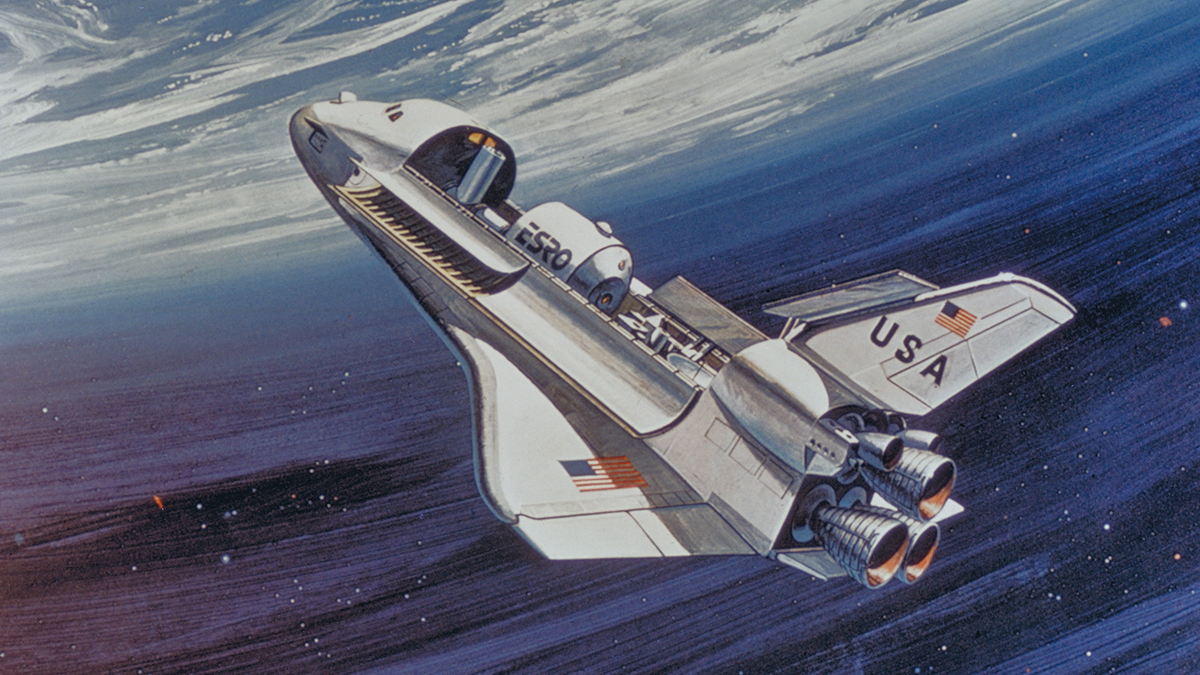
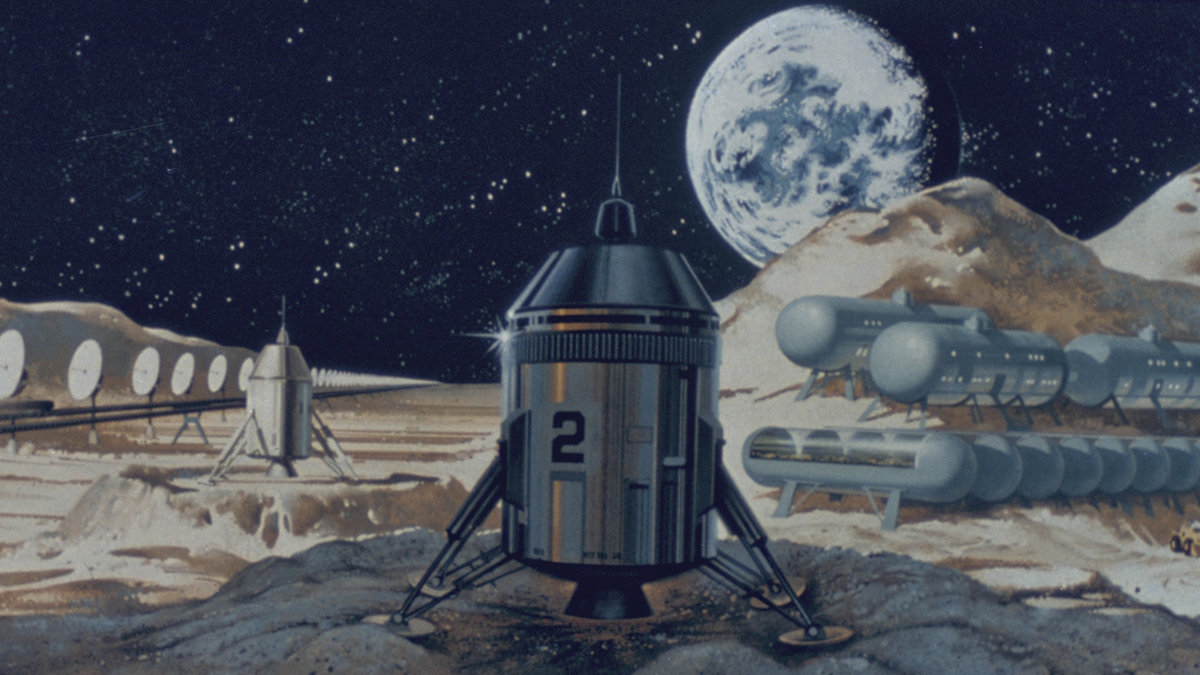
Science and Applications Manned Space Platform – 1980

Skylab
See: Apollo Applications
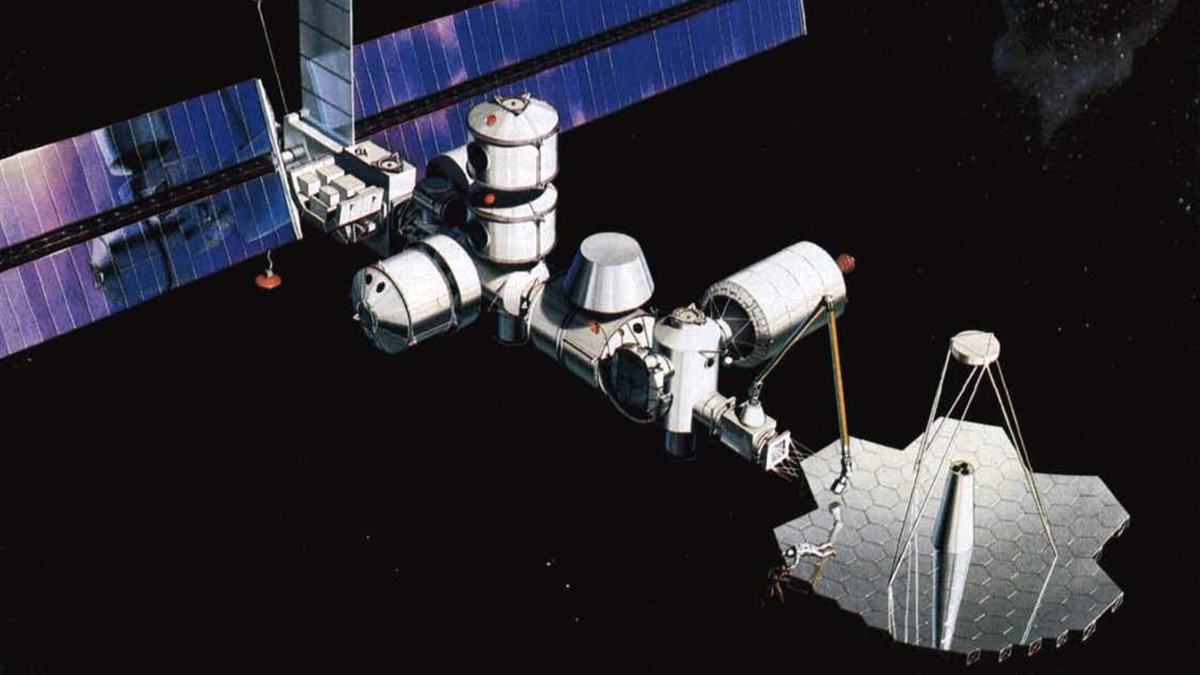
Space Operations Center
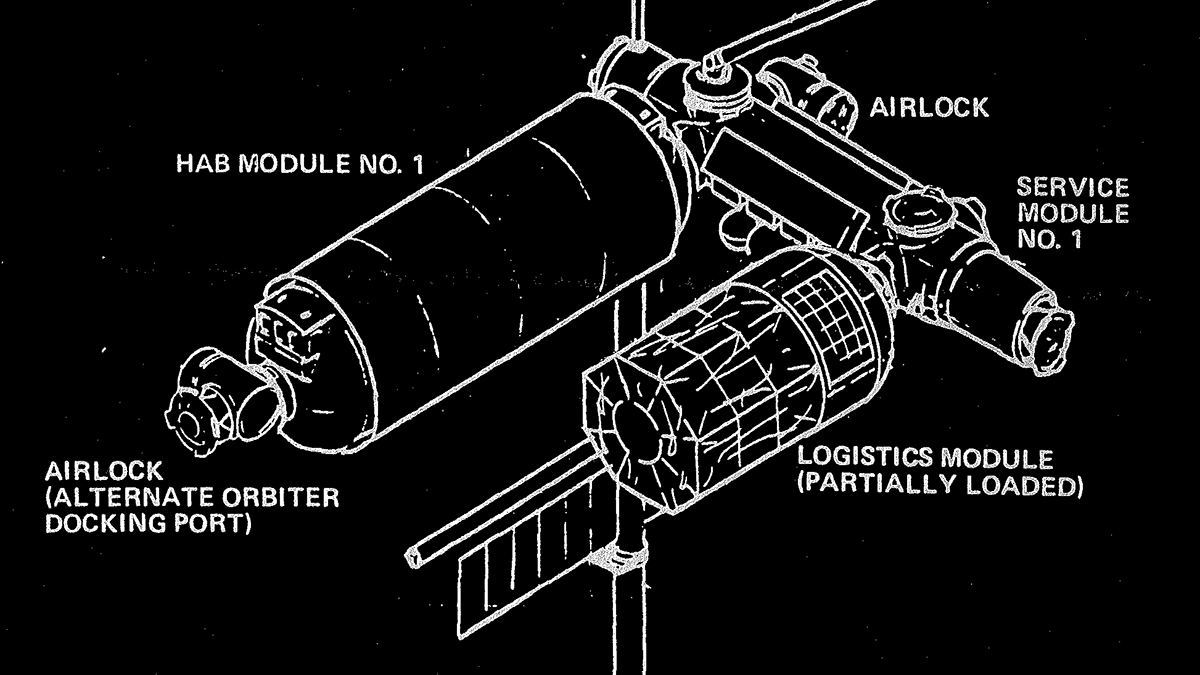
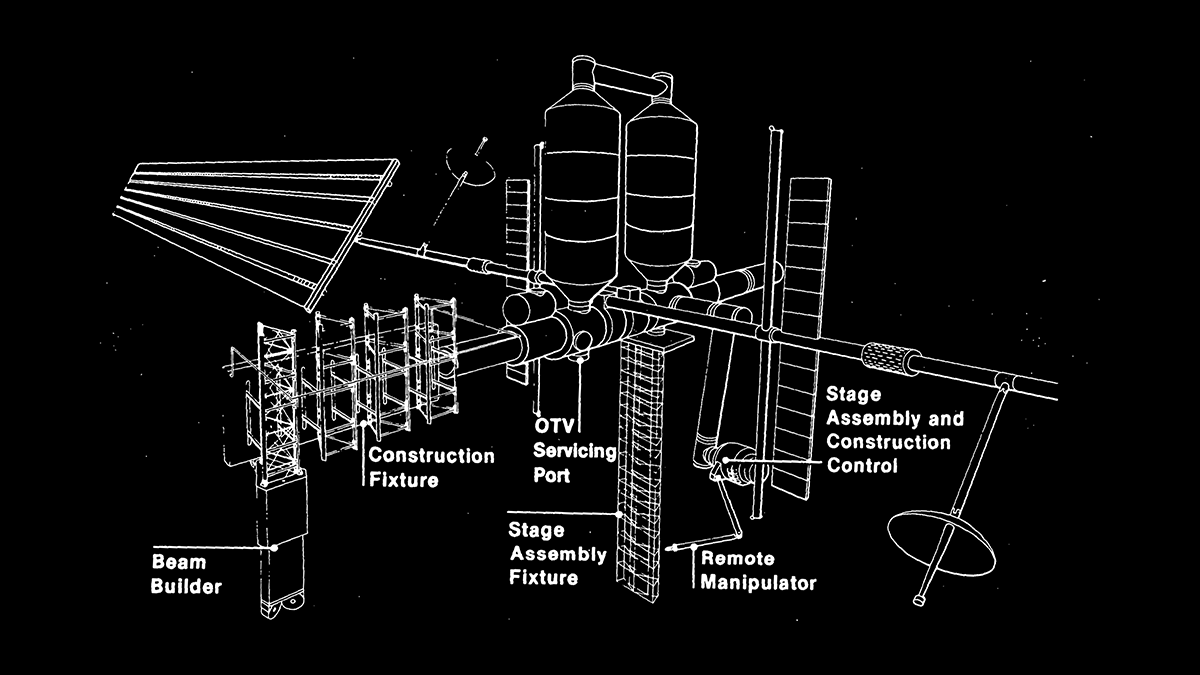
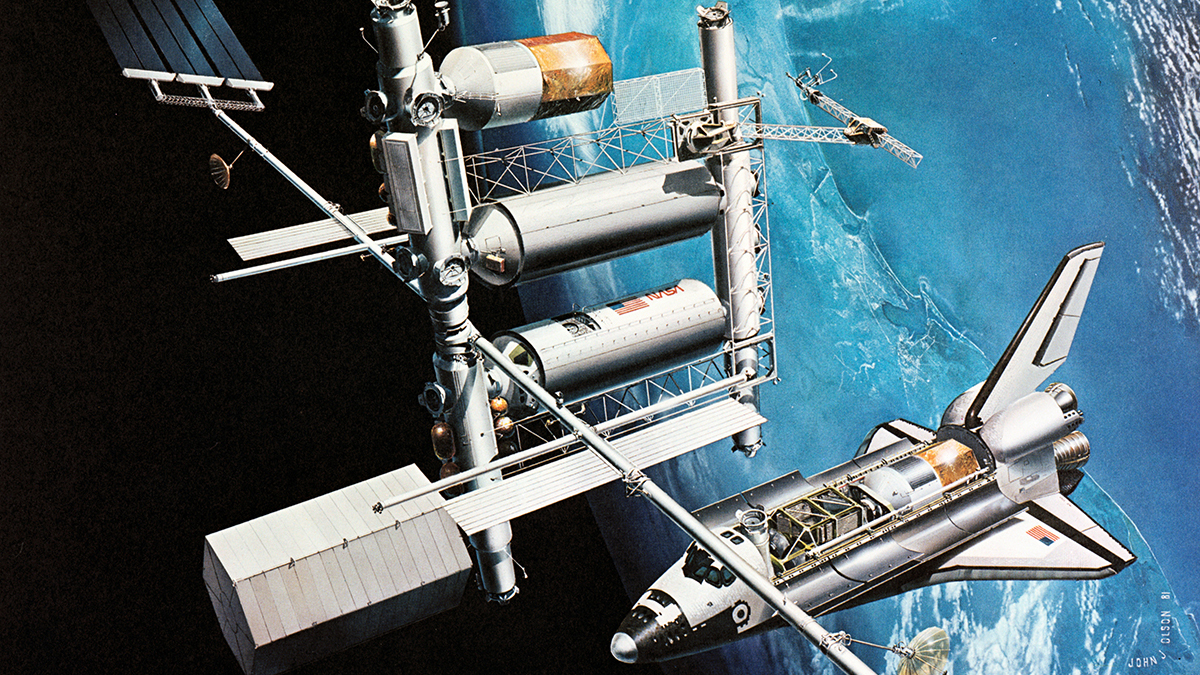
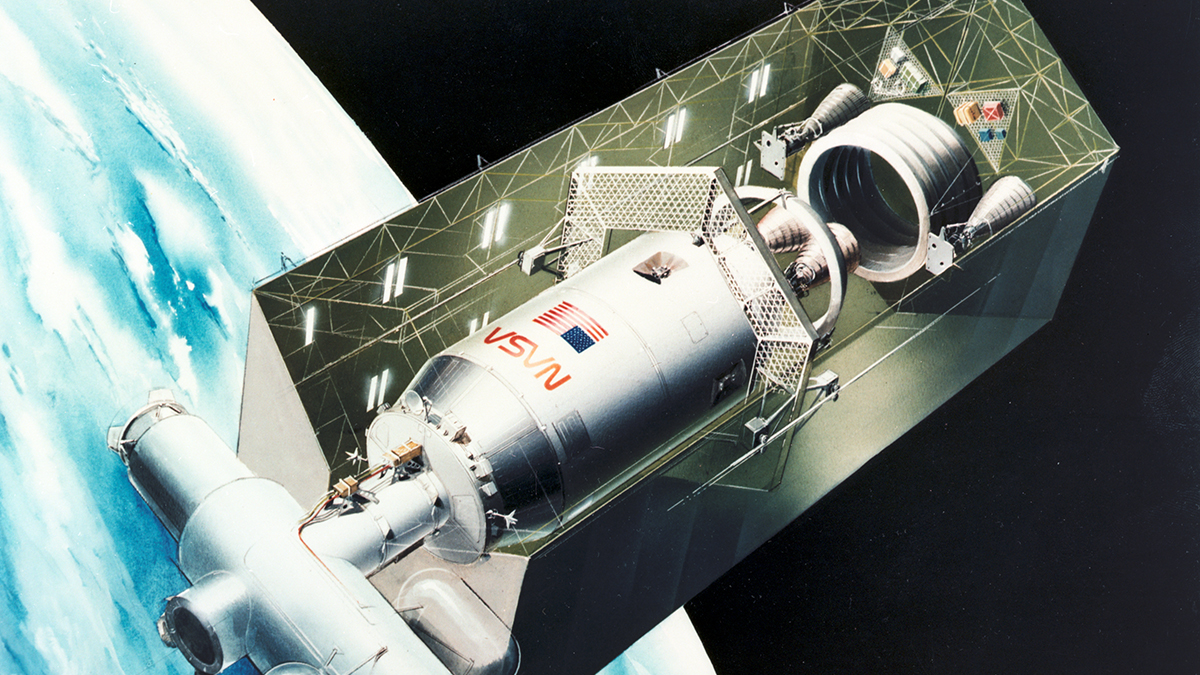
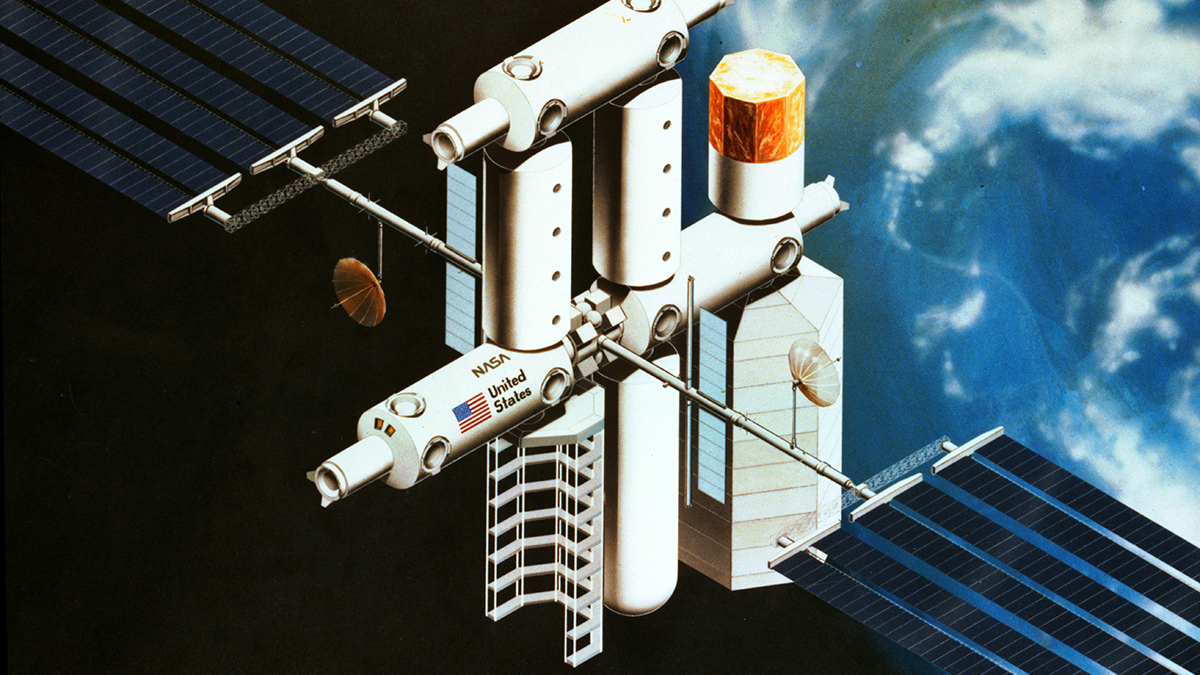
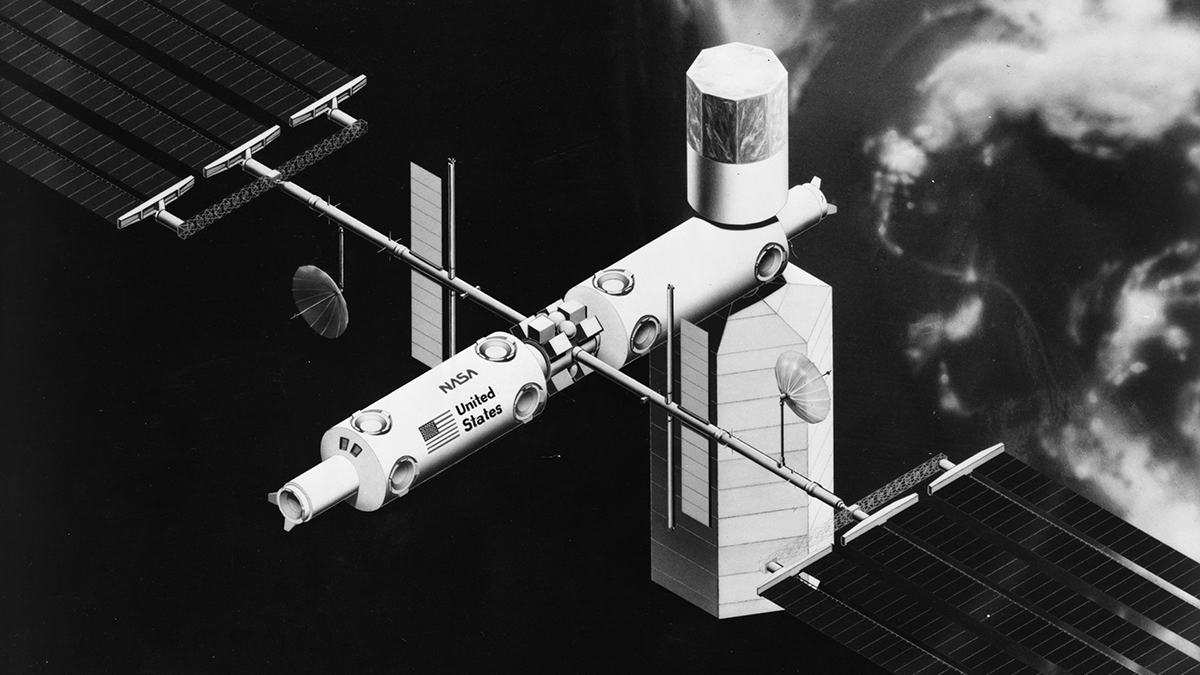

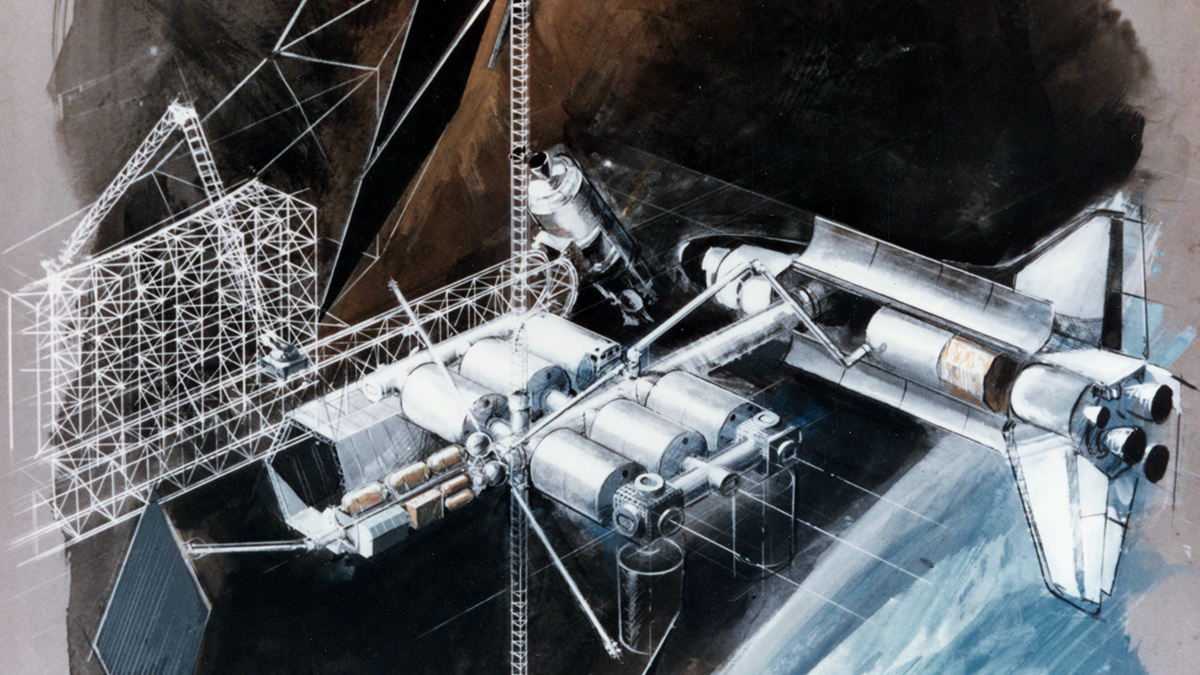
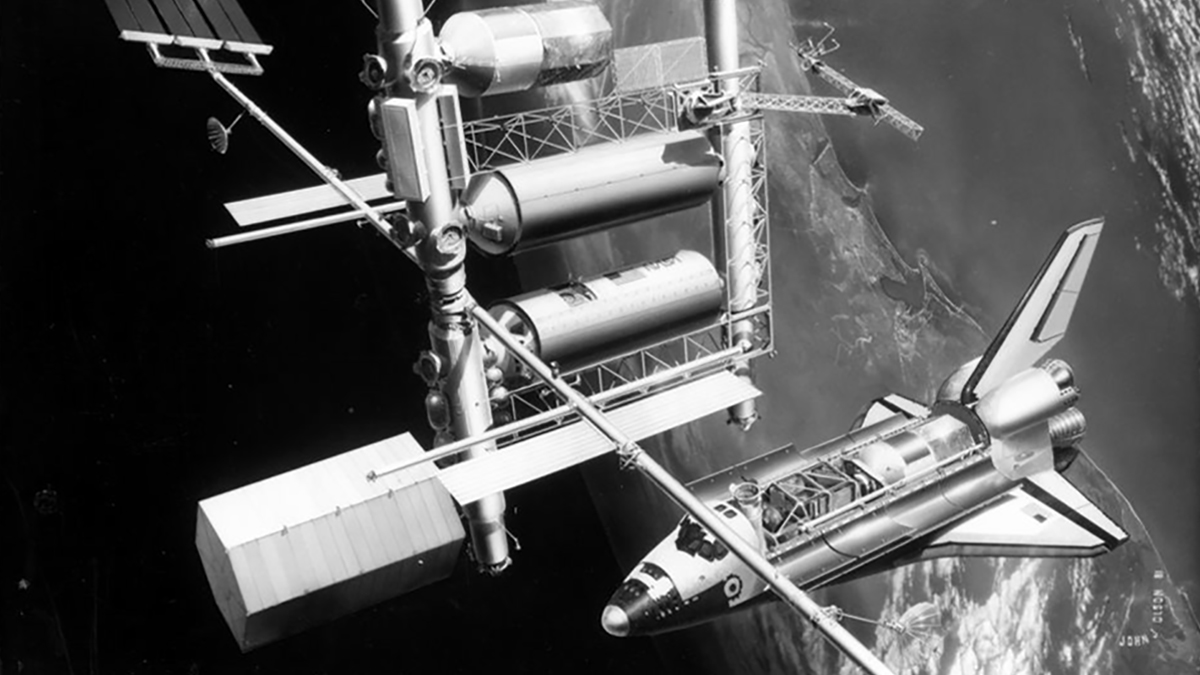
Space Station Designs – 1982
Space Station Designs – 1983

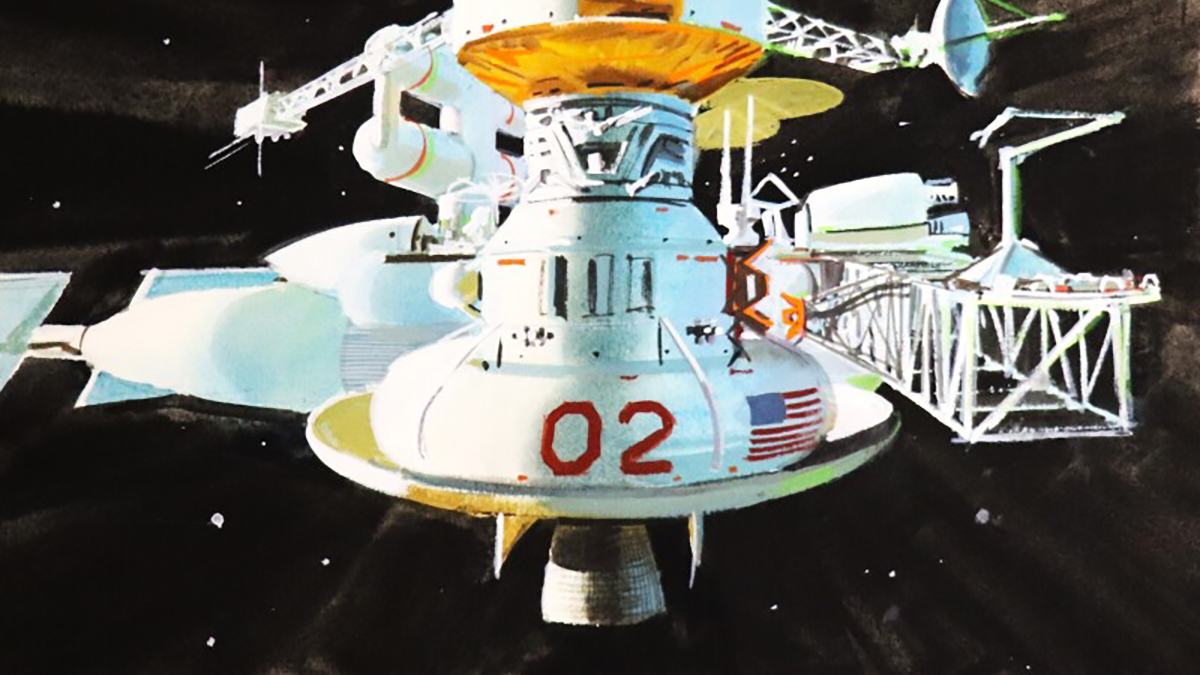
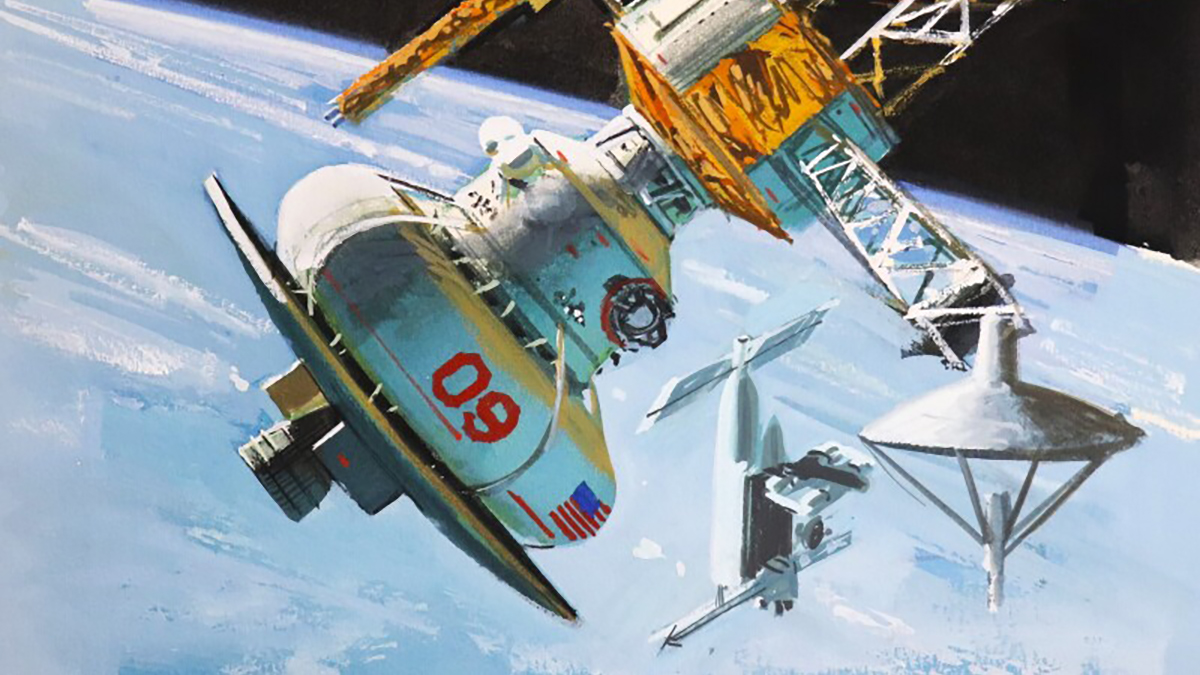
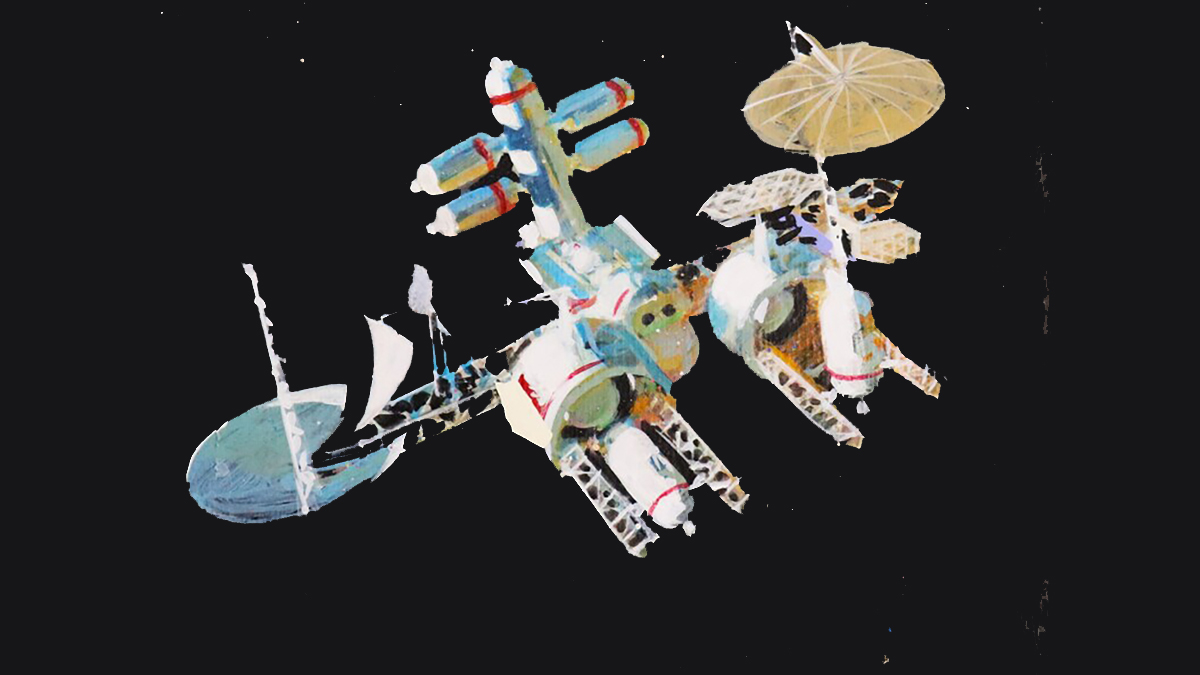
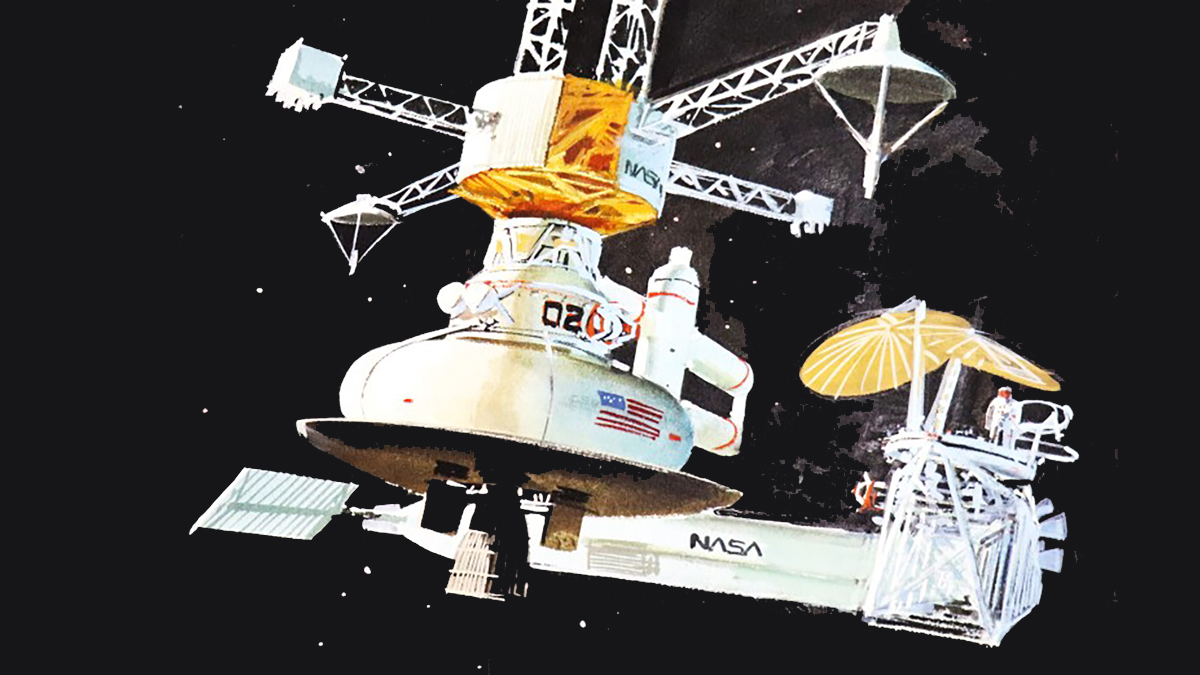
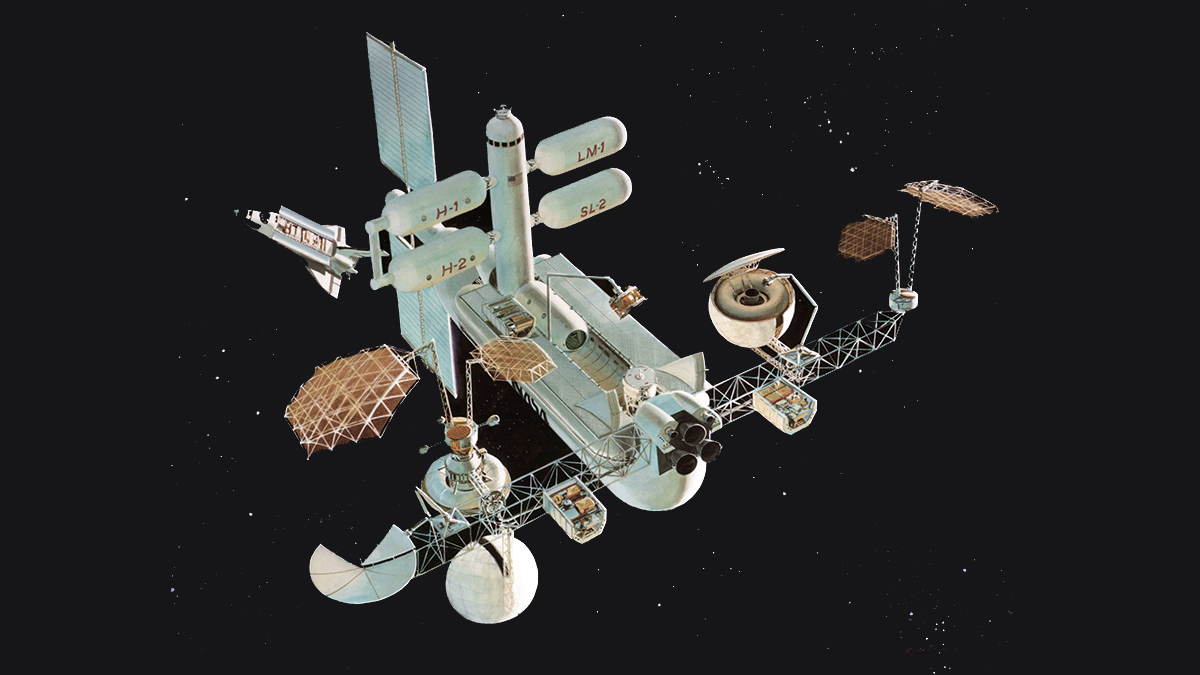
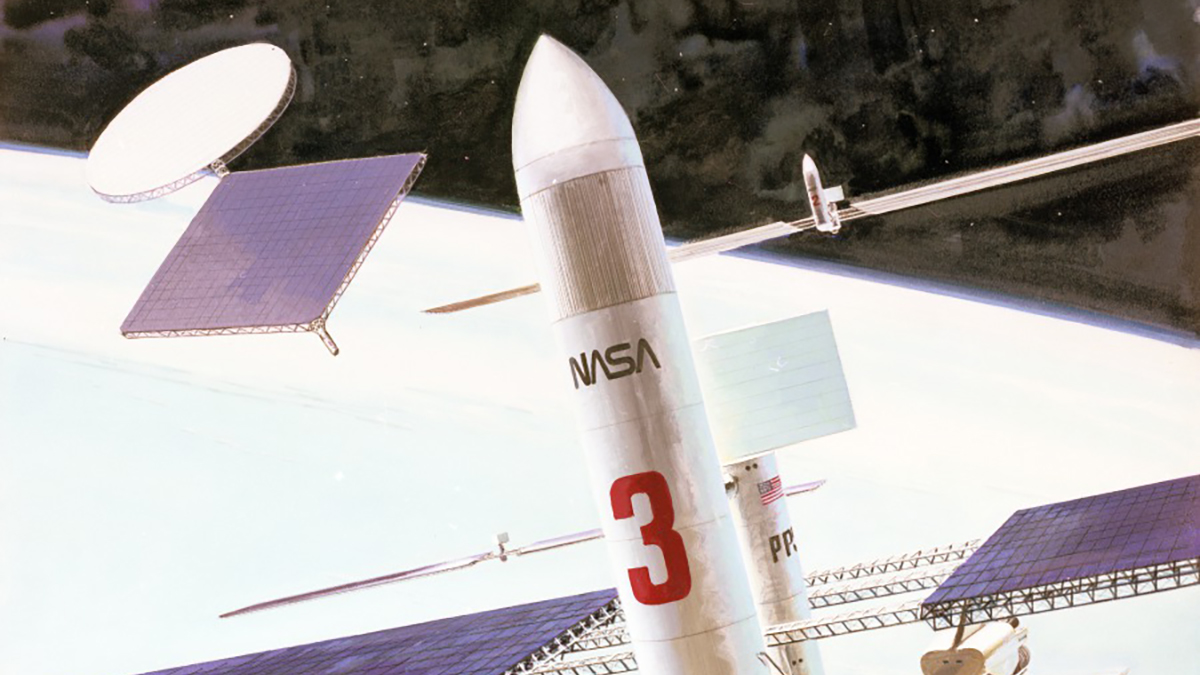
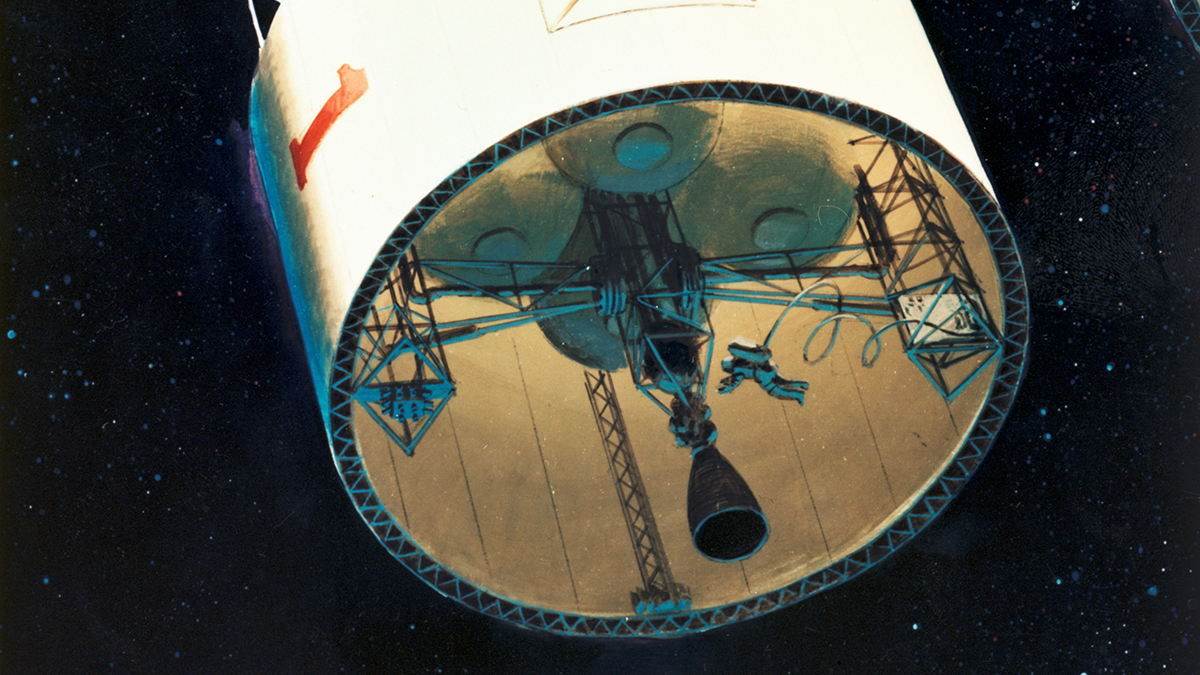
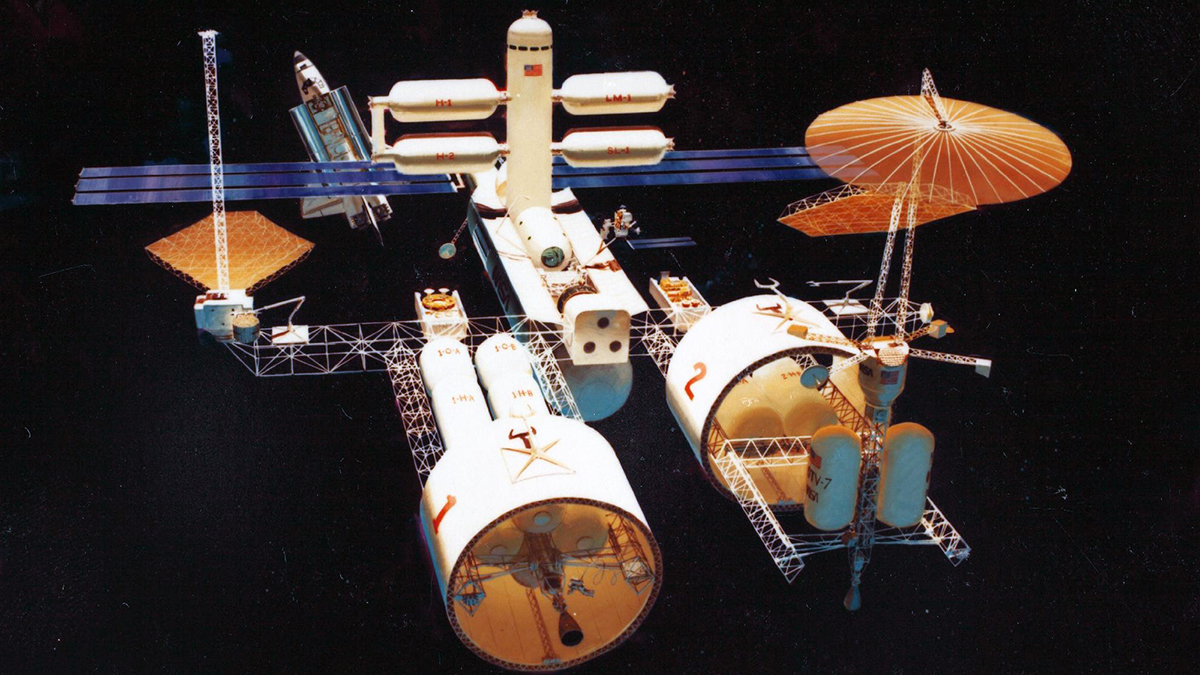
Space Station Systems Analysis Study – 1977
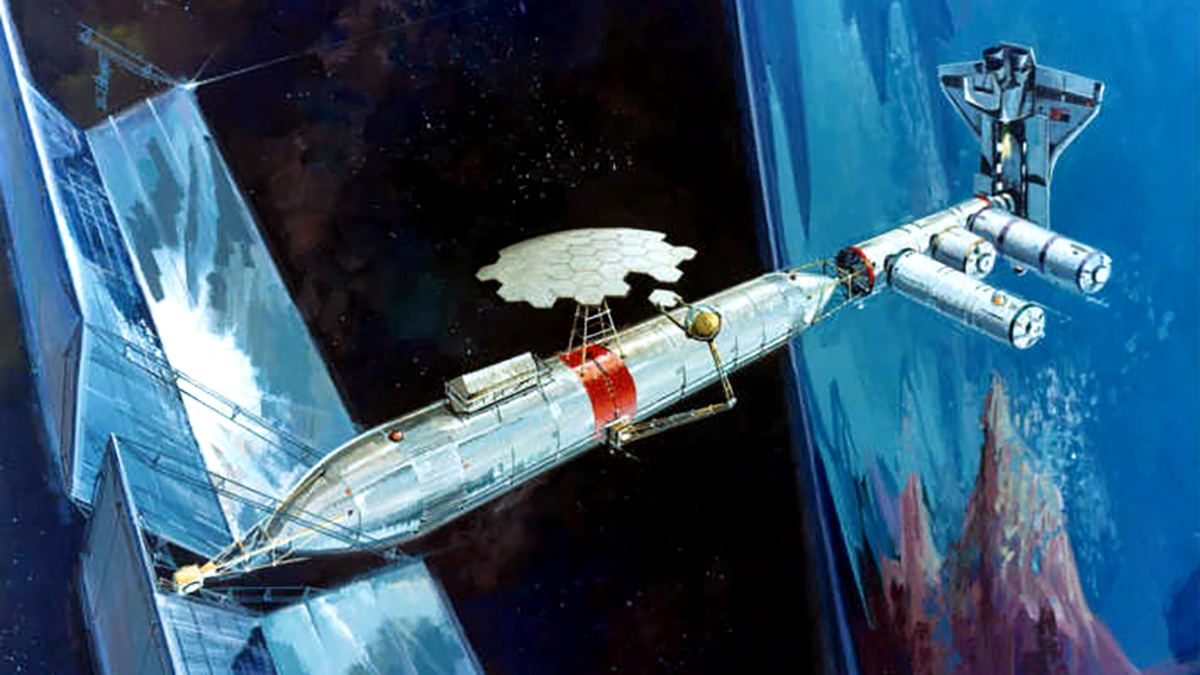
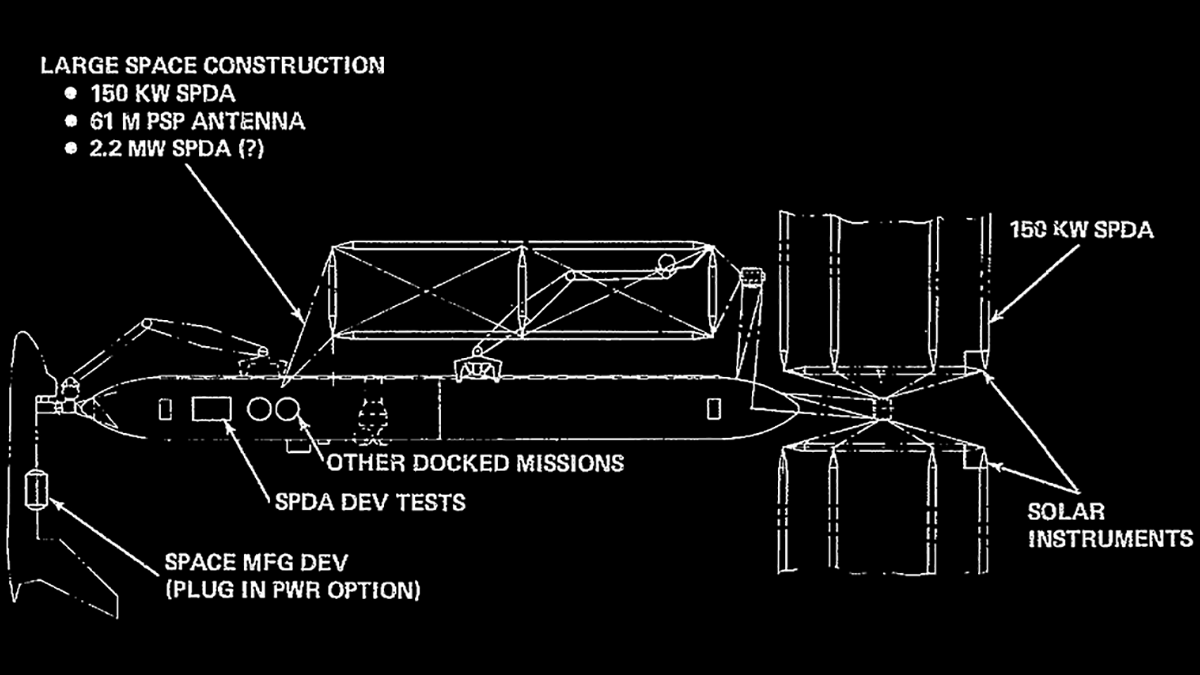
STS External Tank Station
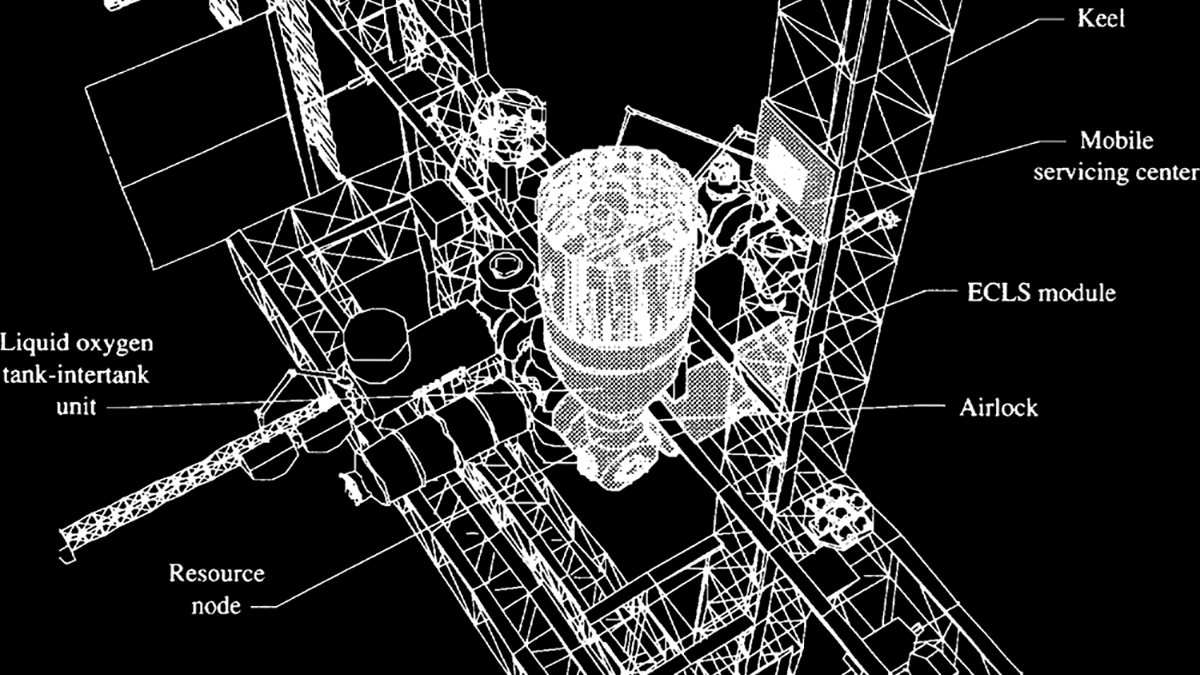
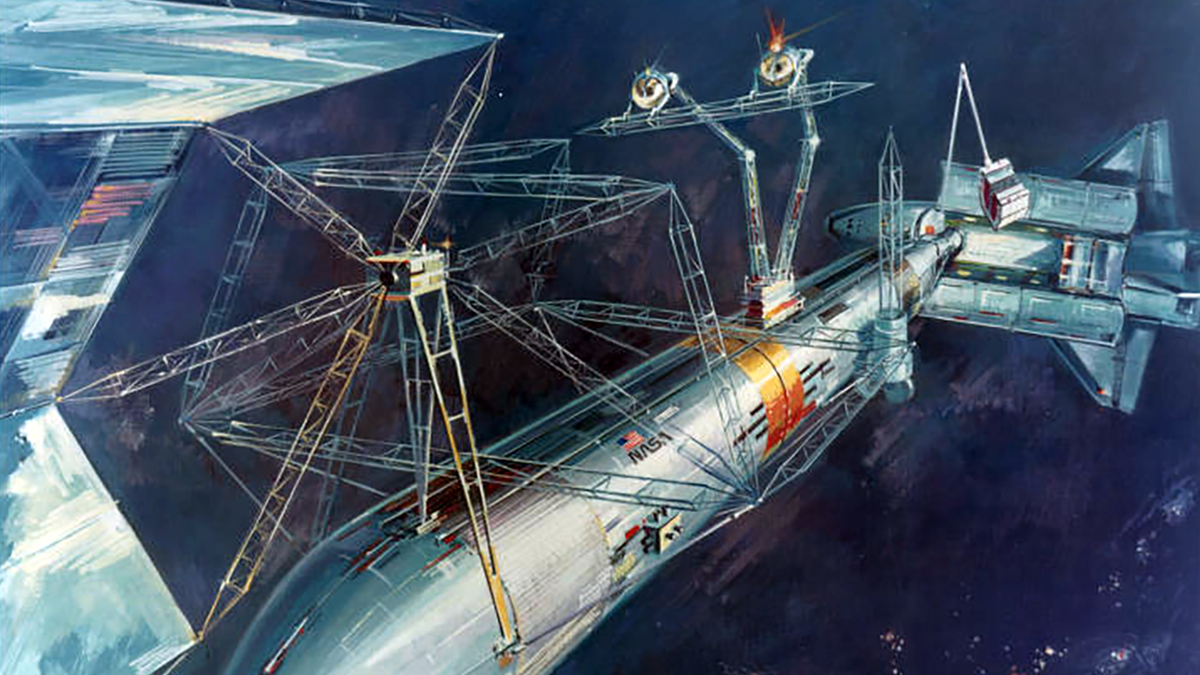
Space Station Construction
Beam Builder
Space Station Support
Bell Remora
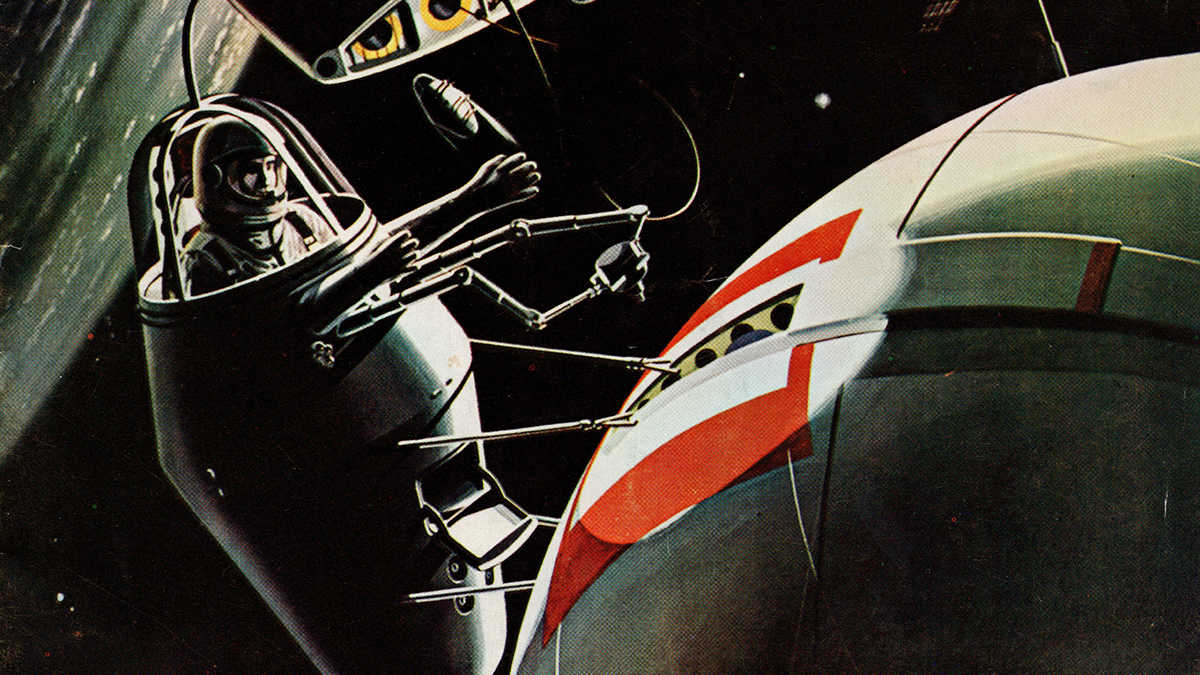
EVA Pod – 1968

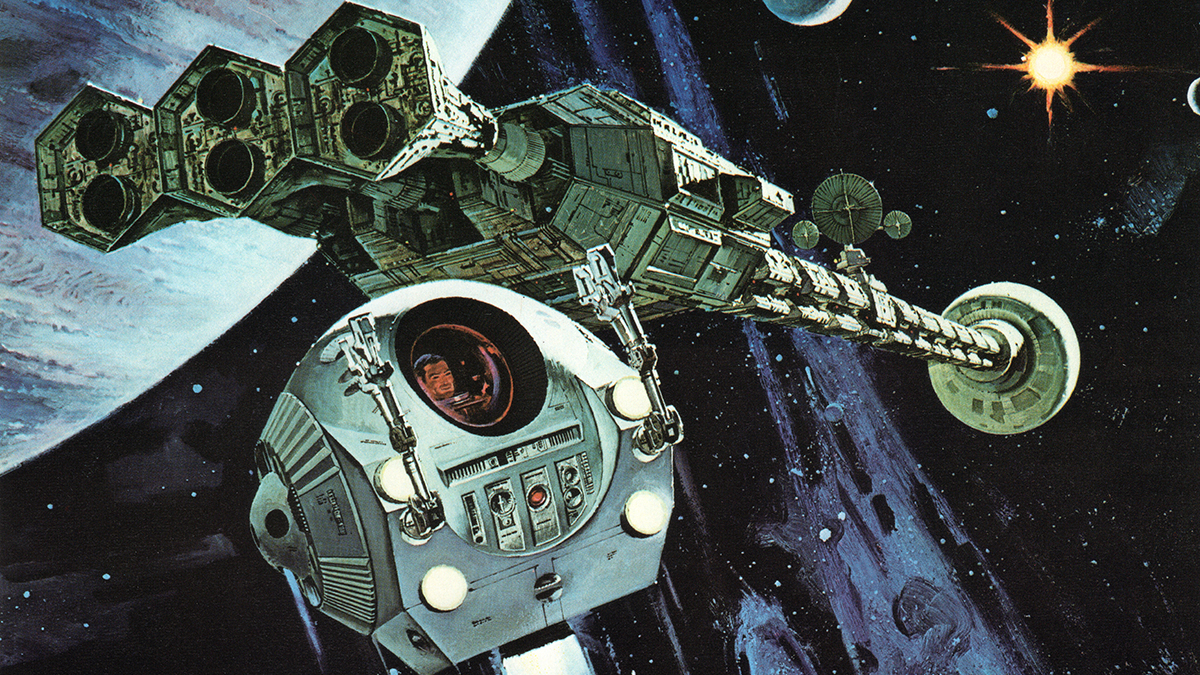
Grumman MRWS
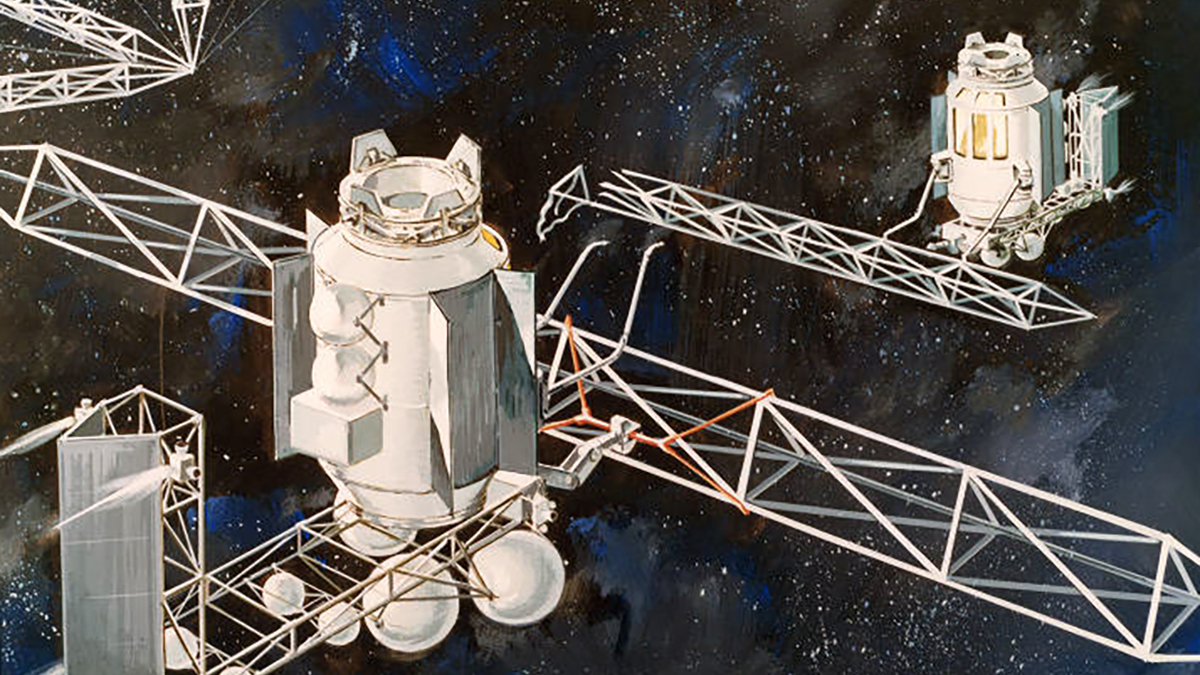
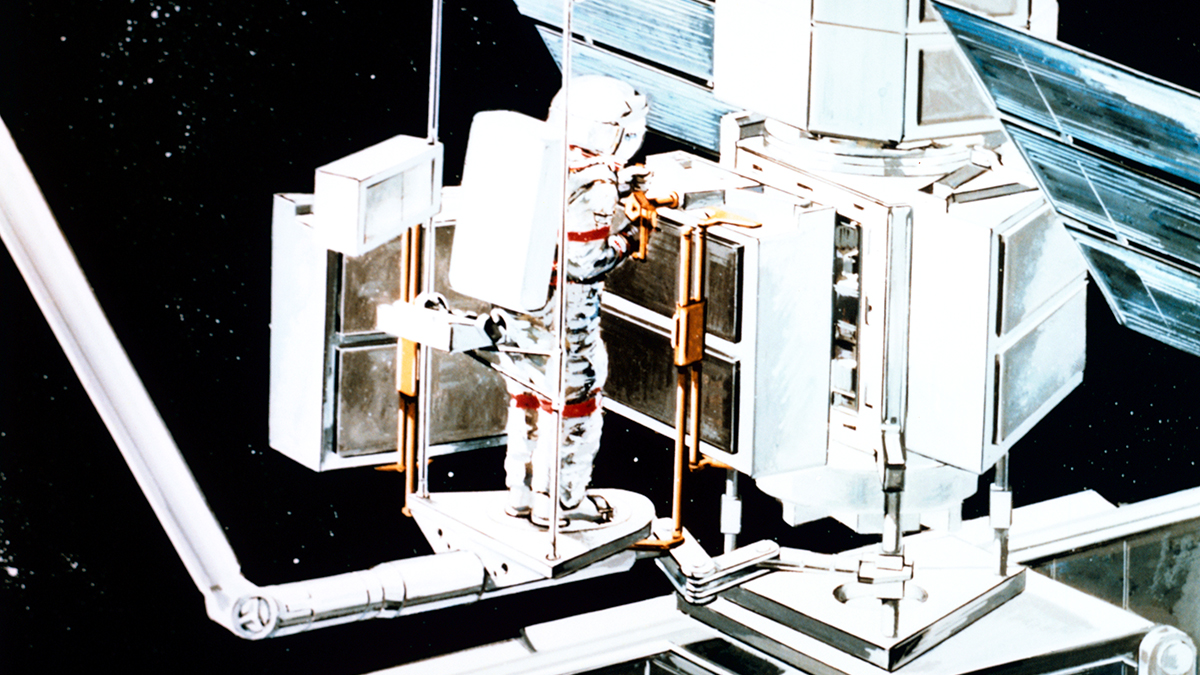
Von Braun Bottle Suit
Notes
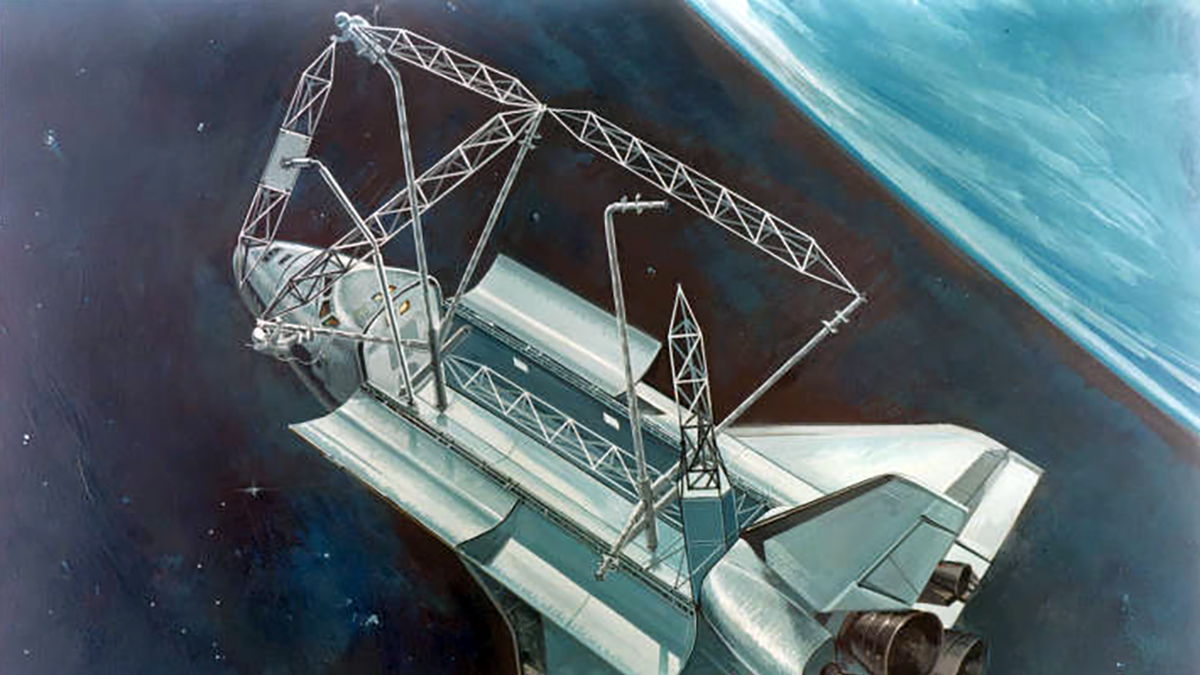
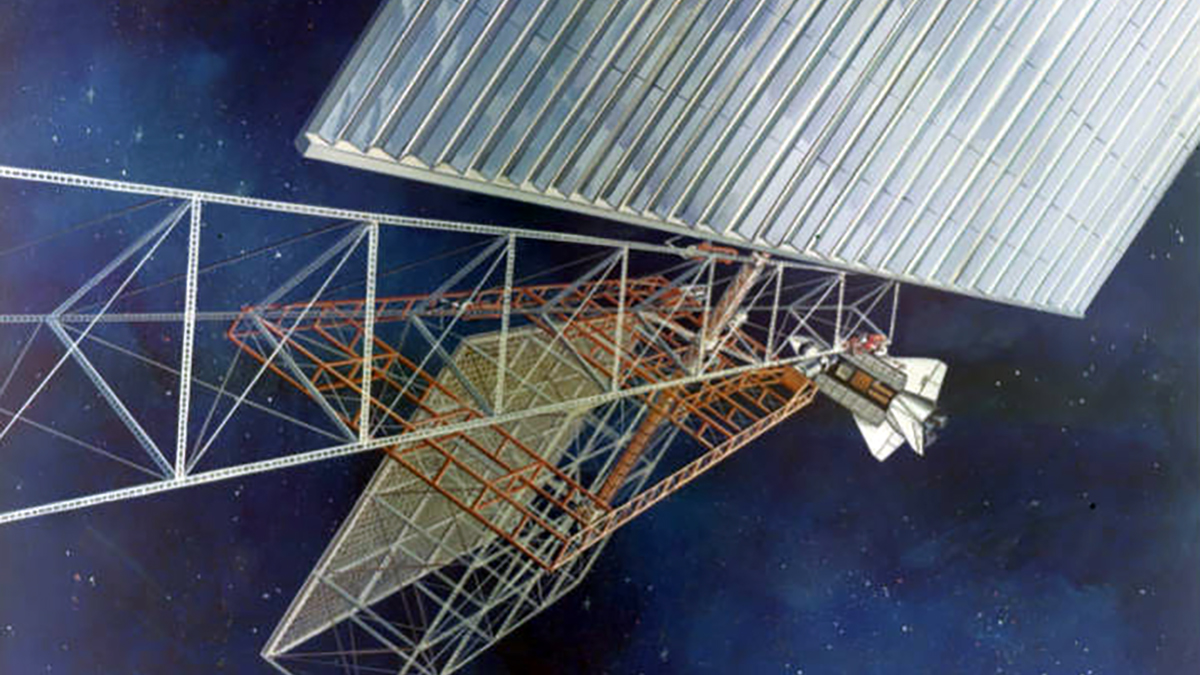
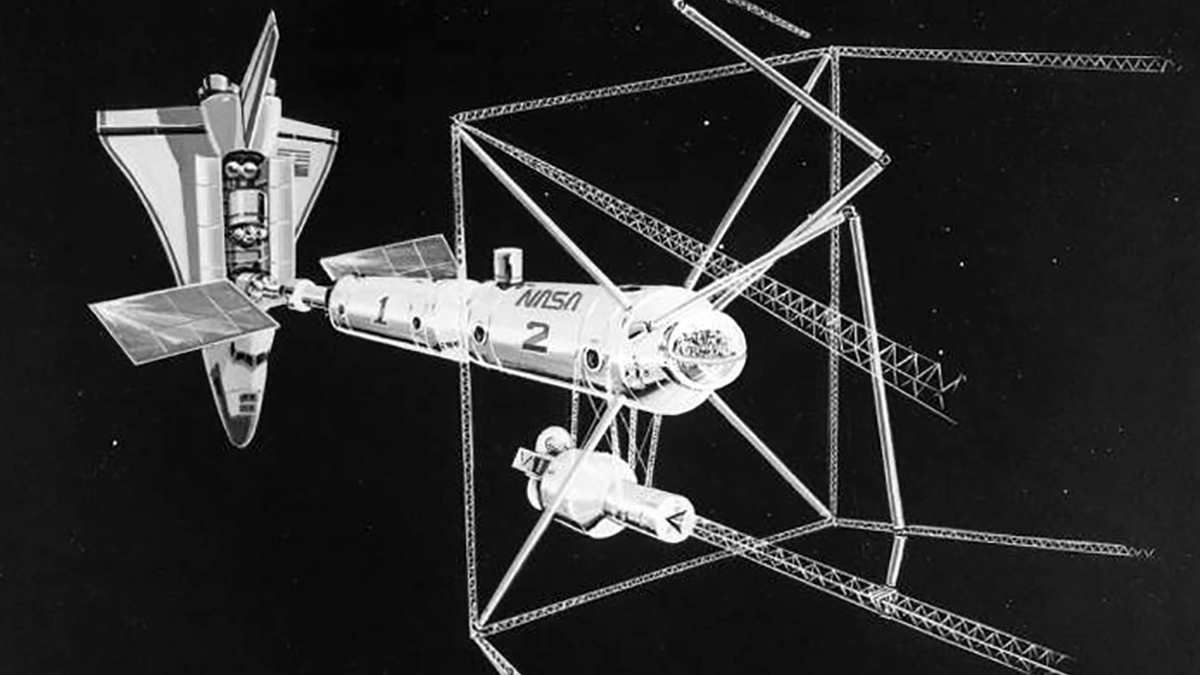
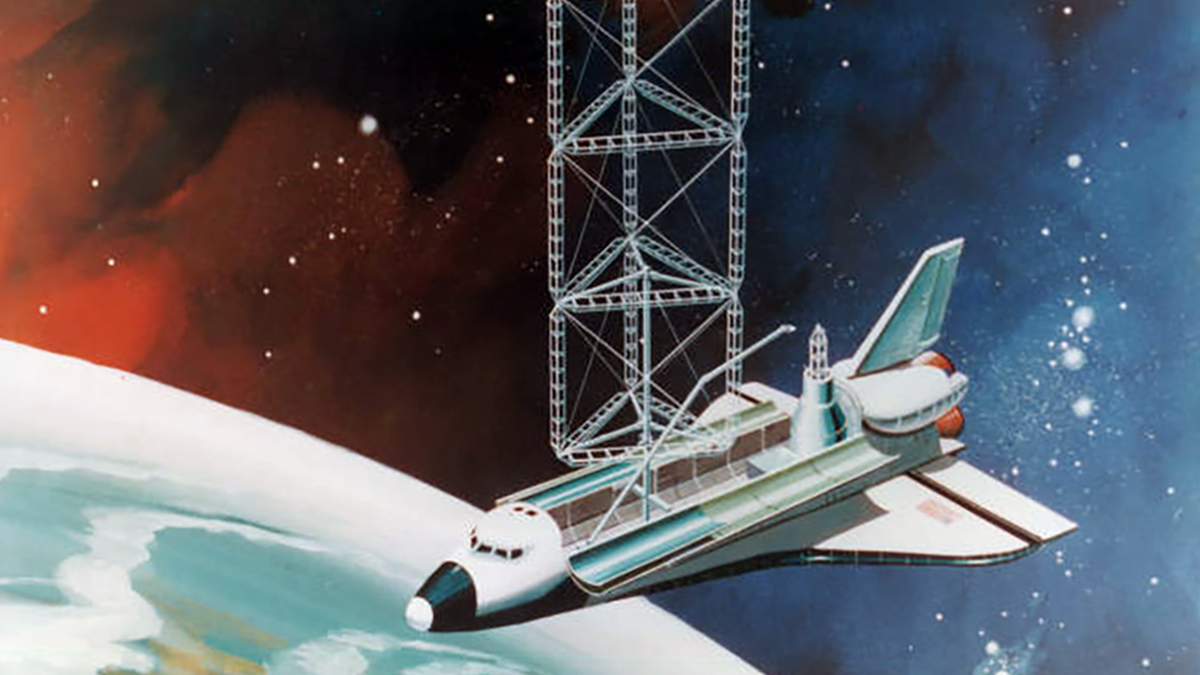
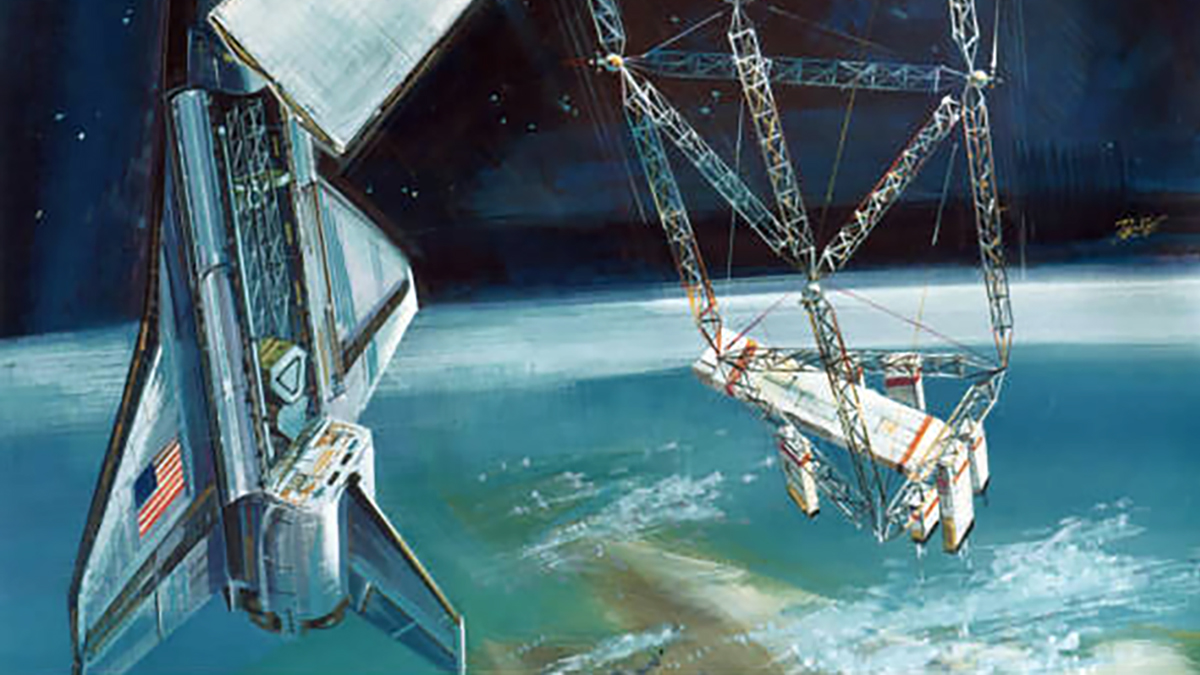
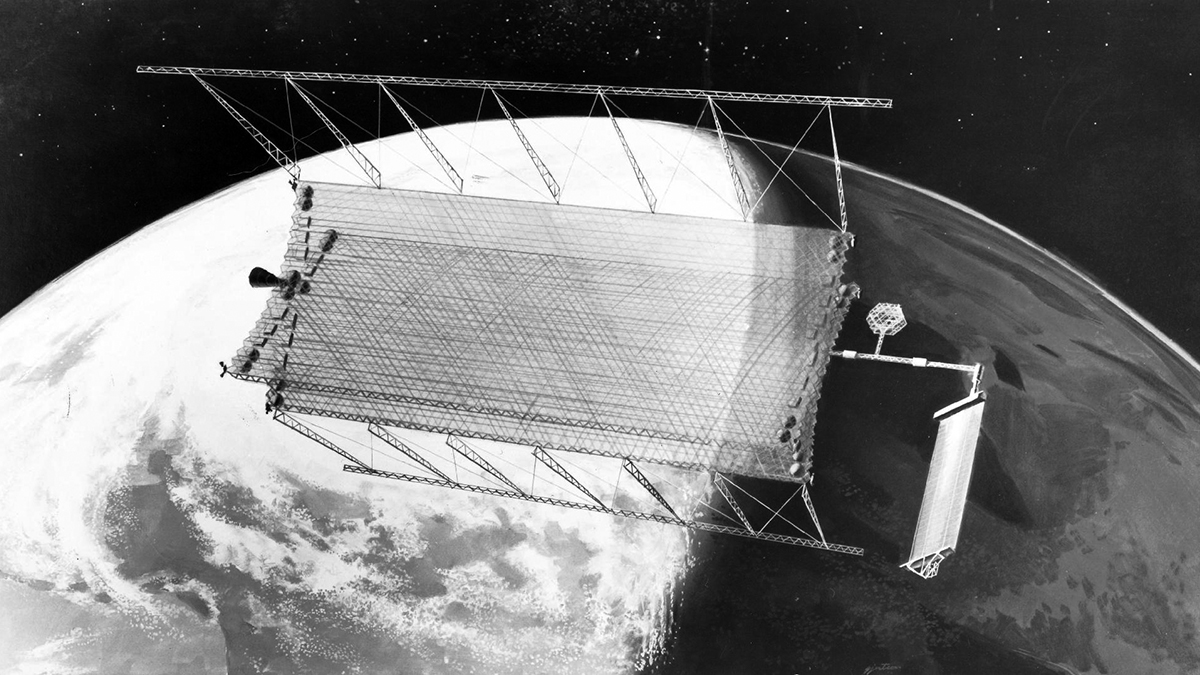
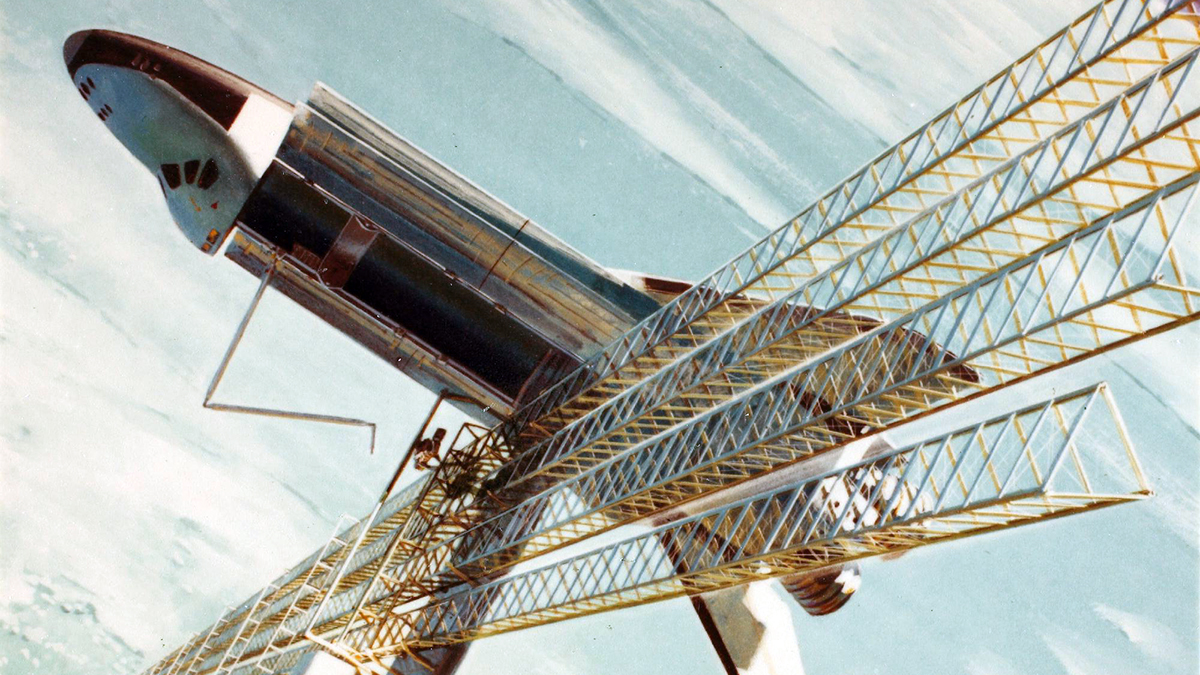
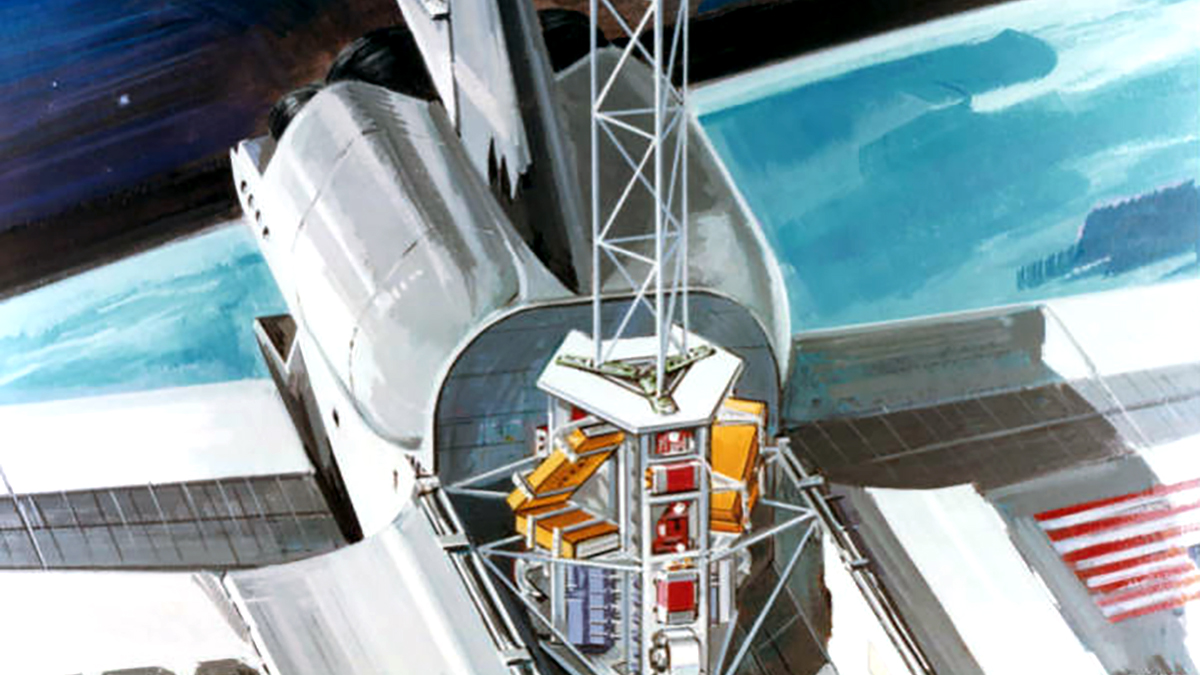
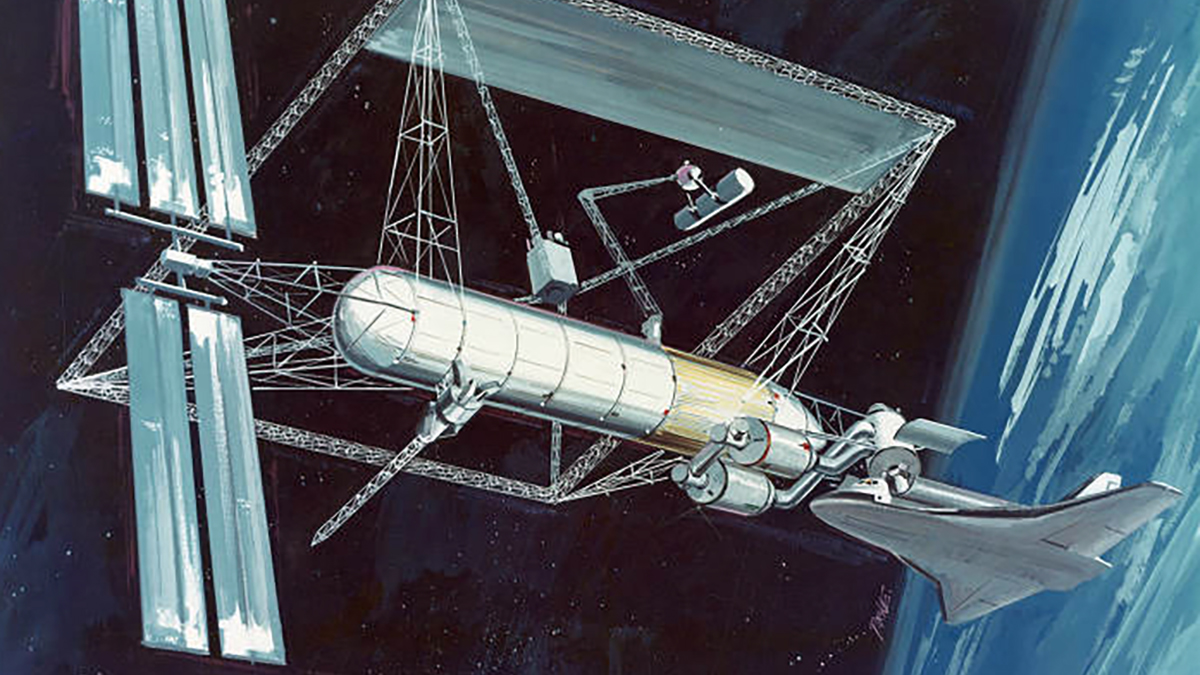
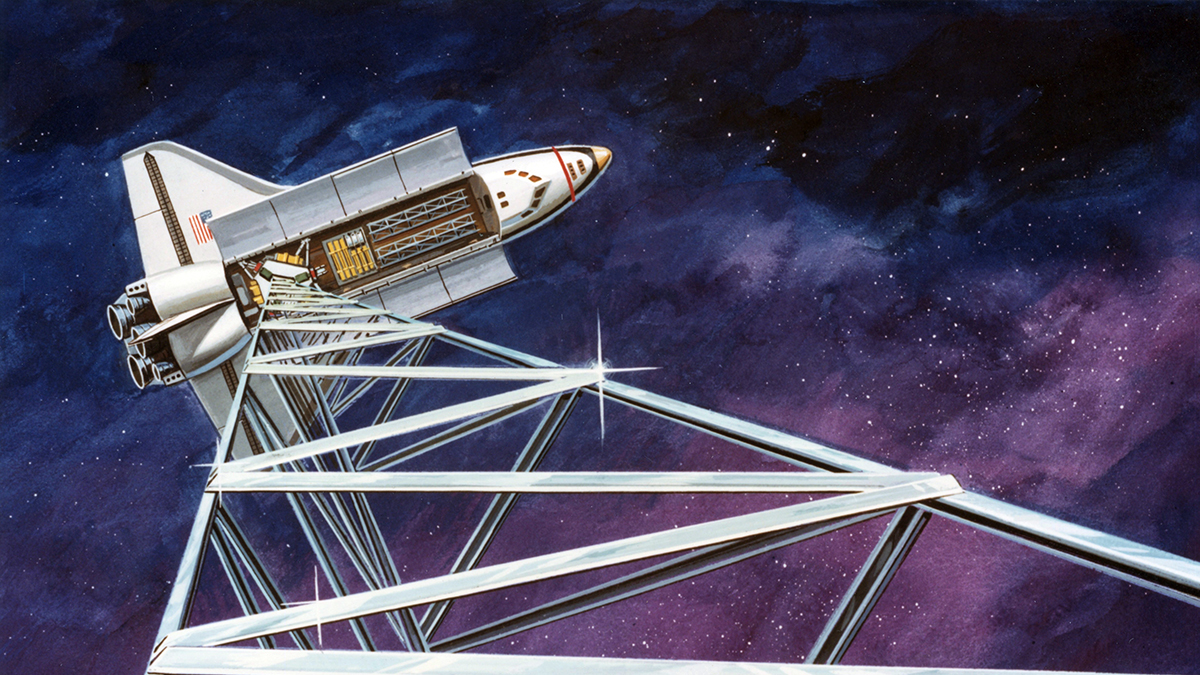
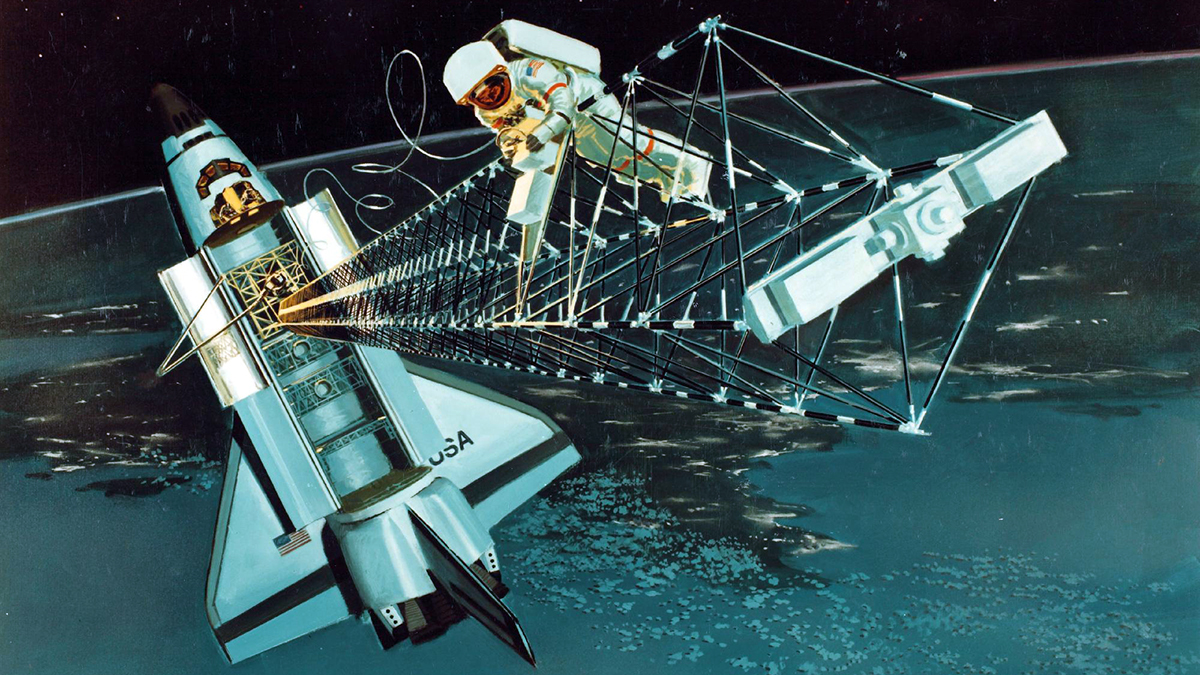
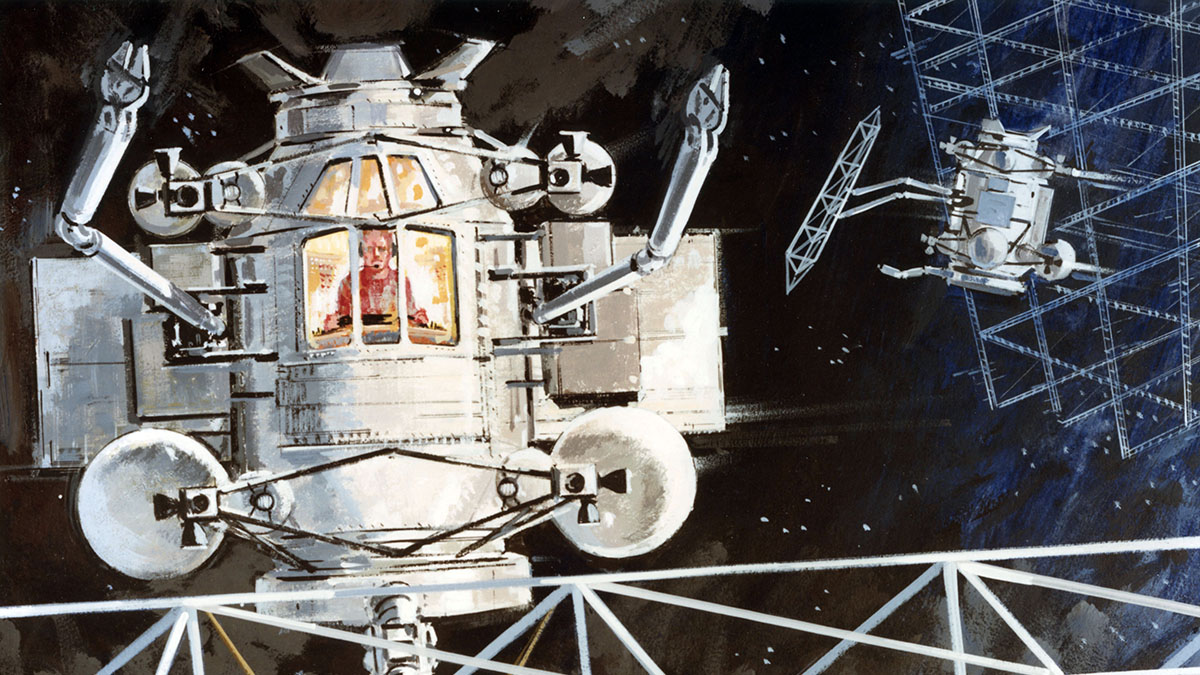
In-house study efforts at Grumman during the early 1970s indicated that a machine which could automatically produce beams in space would be a likely candidate requirement for construction of large space structures such as a solar power satellite. Further study under a seven-month contract with NASA indicated that near-term feasibility demonstration of such a machine which would produce aluminum beams was possible. Next, a competition was held to build such a machine, and Grumman was named the winner. The work performed included designing, developing, manufacturing, and testing of the first ground demonstration aluminum “beam builder”.
Additionally, a study was awarded to General Dynamics Convair Division under Contract NAS9-15310. The principal study results were developed from August 1978 through April 1979, followed by final documentation. Reviews were presented at JSC on 13 December 1978 and 24 April 1979, and at NASA Headquarters on 17 May 1979. McDonnell Douglas developed a composit geodetic structure under NAS9-1568.
References
Automated Beam Builder, NASA NTRS
Space Construction Automated Fabrication Experiment Definition Study (SCAFEDS) Part III, NASA NTRS
Space Solar Power Systems, NASA NTRS
McDonnell Douglas Phase B Space Station (1970), No Shortage of Dreams
