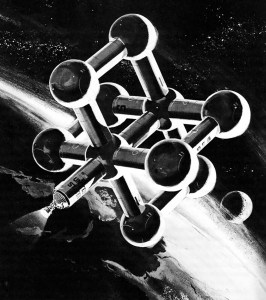
Orbiting Stations: Stopovers to Space Travel
Irwin Stambler
G.P. Putnam’s Sons, 1965
Image credit: Douglas
Image source: Numbers Station
Orbiting Stations: Stopovers to Space Travel
Irwin Stambler
G.P. Putnam’s Sons, 1965
Image credit: Douglas
Image source: Numbers Station
Image credit: Martin Marietta
File source: NASA NTRS
Image credit: NASA
Image source: Internet Archive
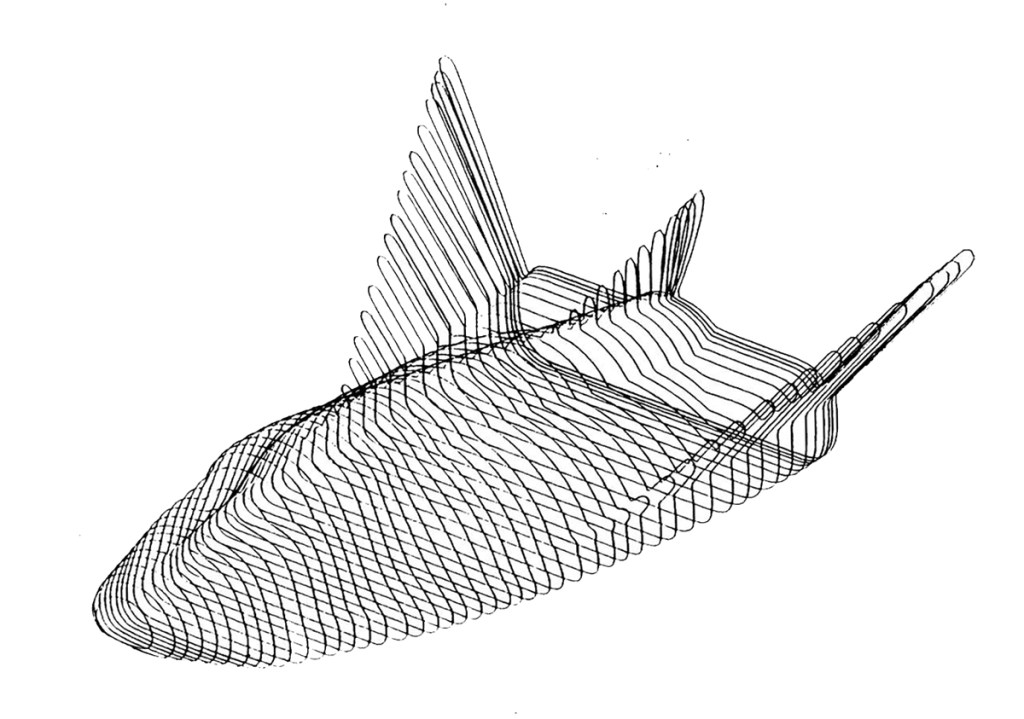
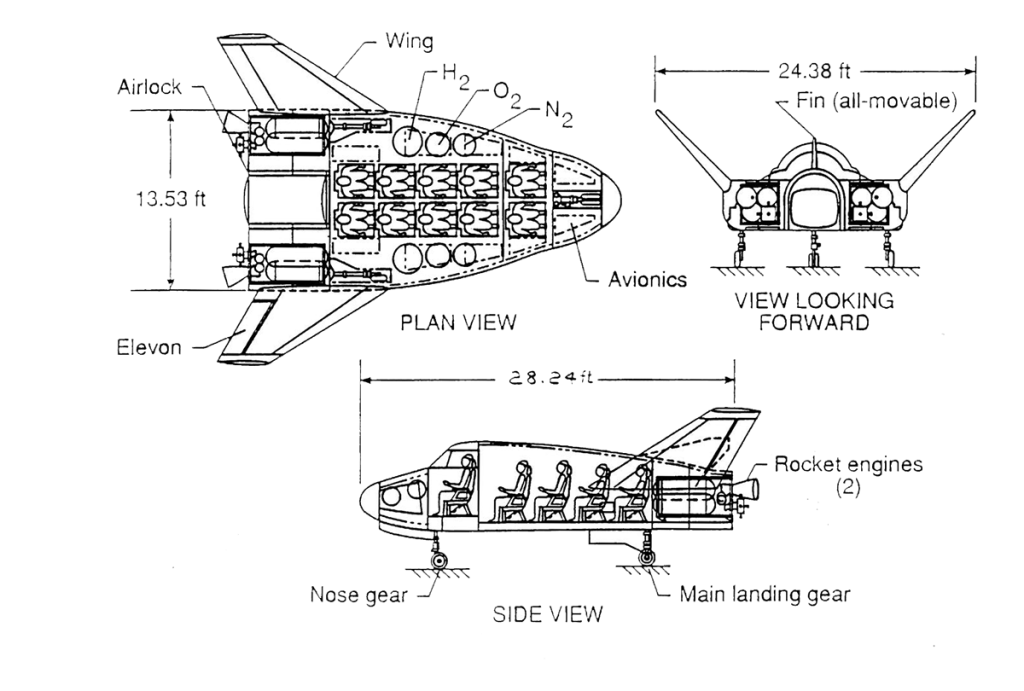
Image credit: NASA
Image source: NASA NTRS
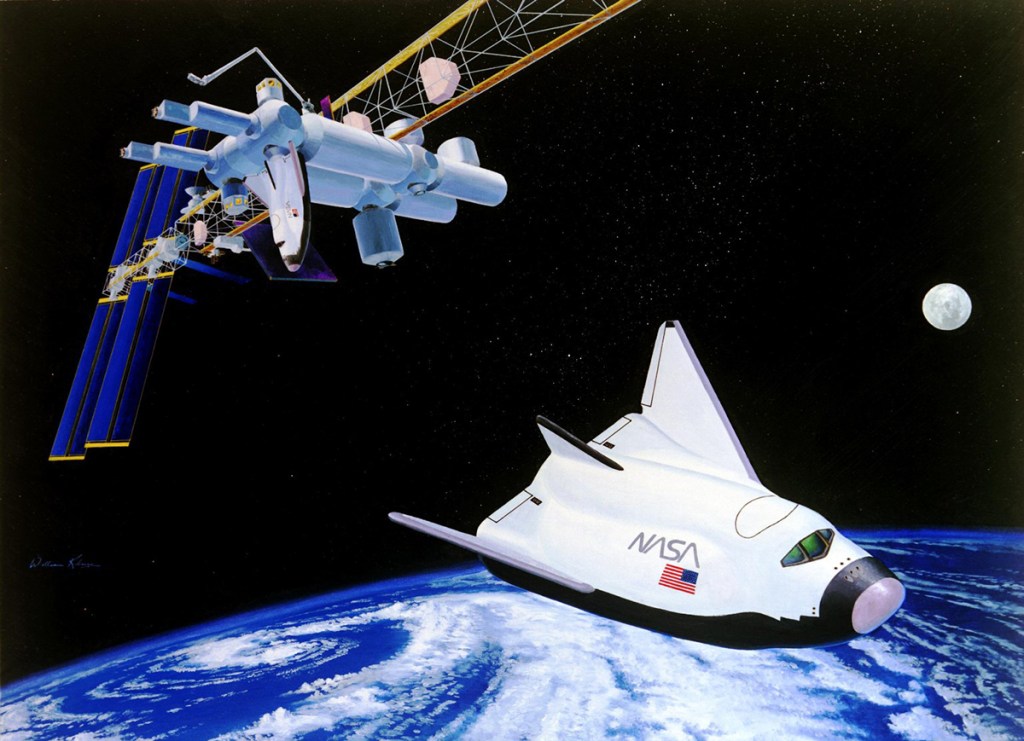
Image credit: NASA
Image source: Internet Archive
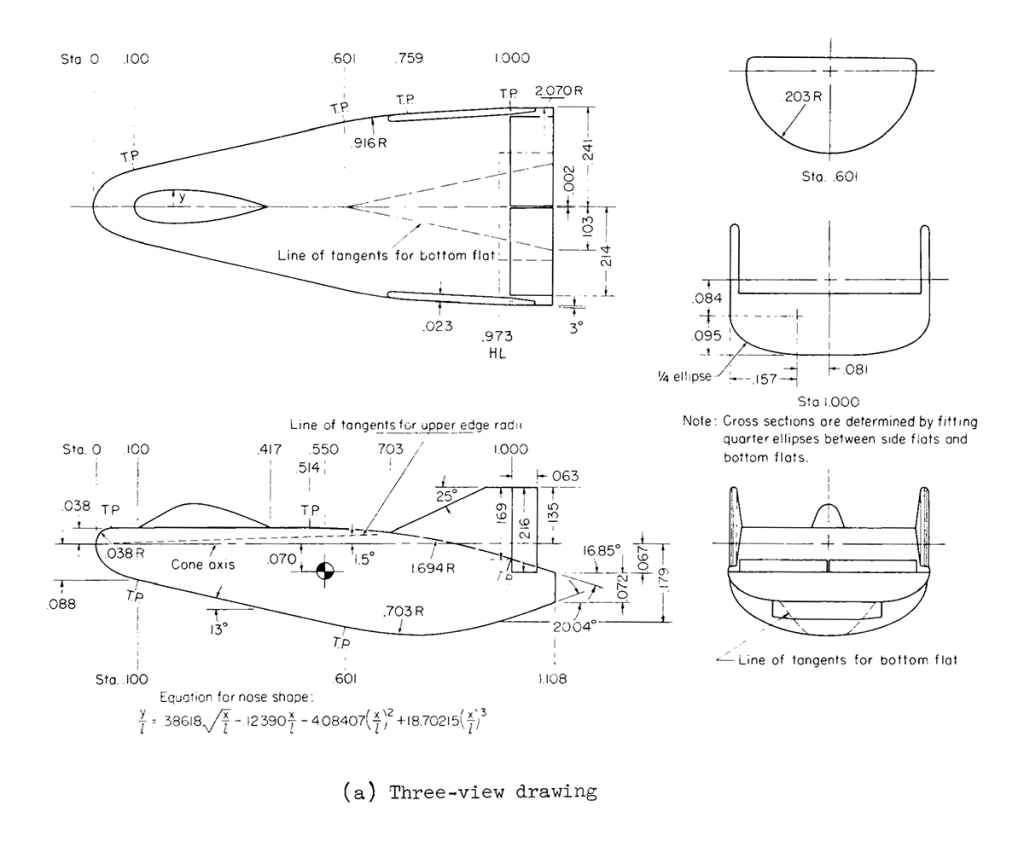
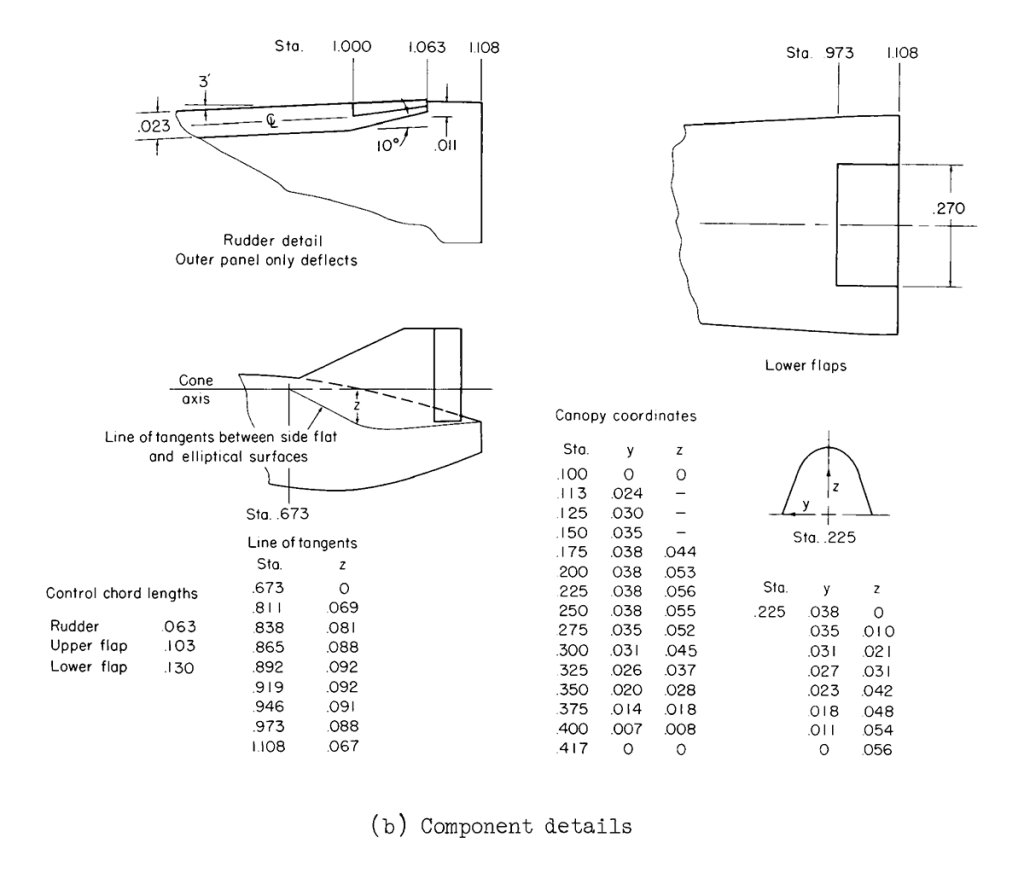
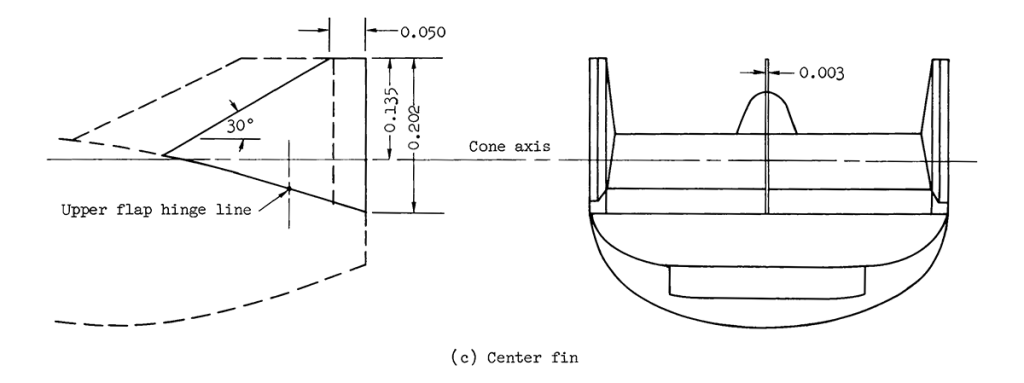
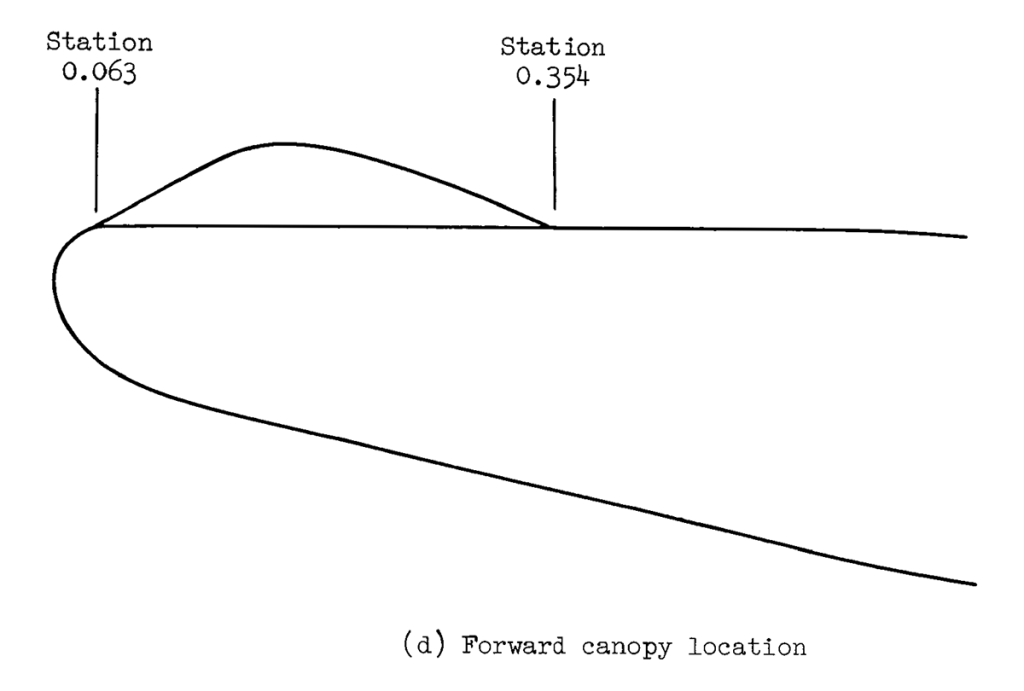
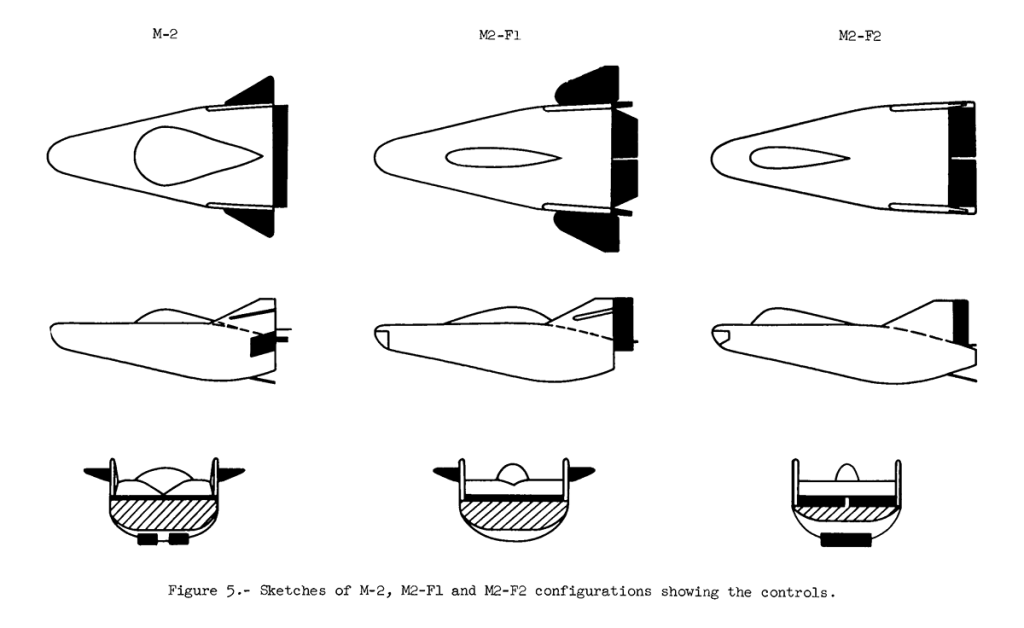
Image credit: NASA
File source: NASA NTRS
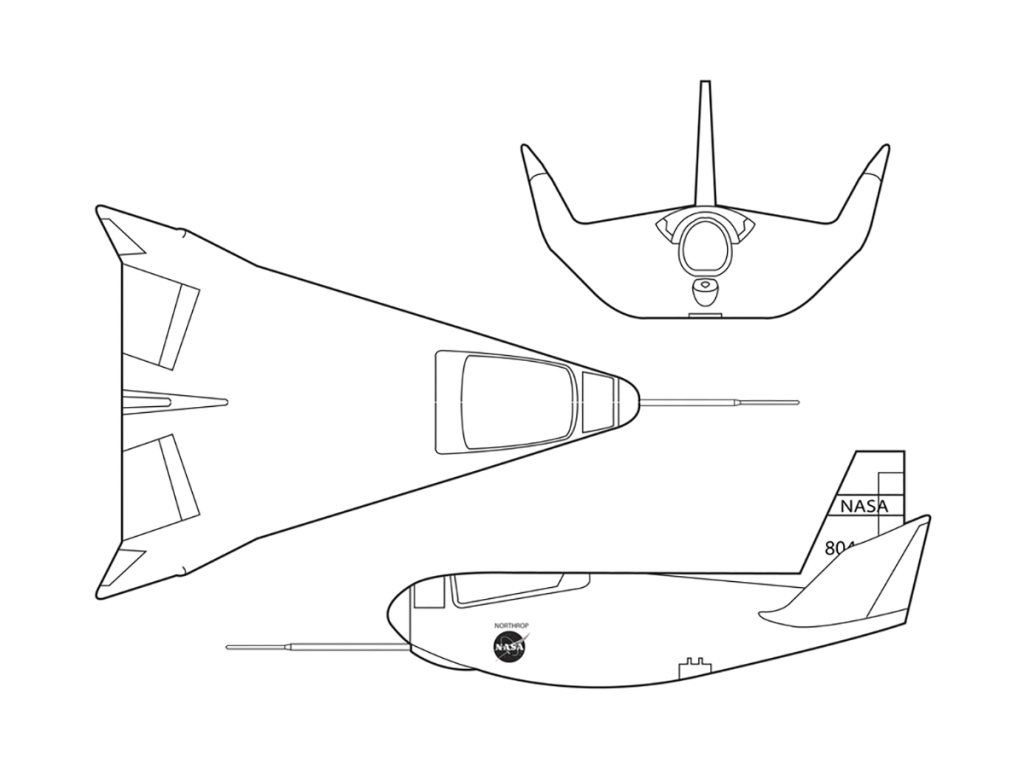
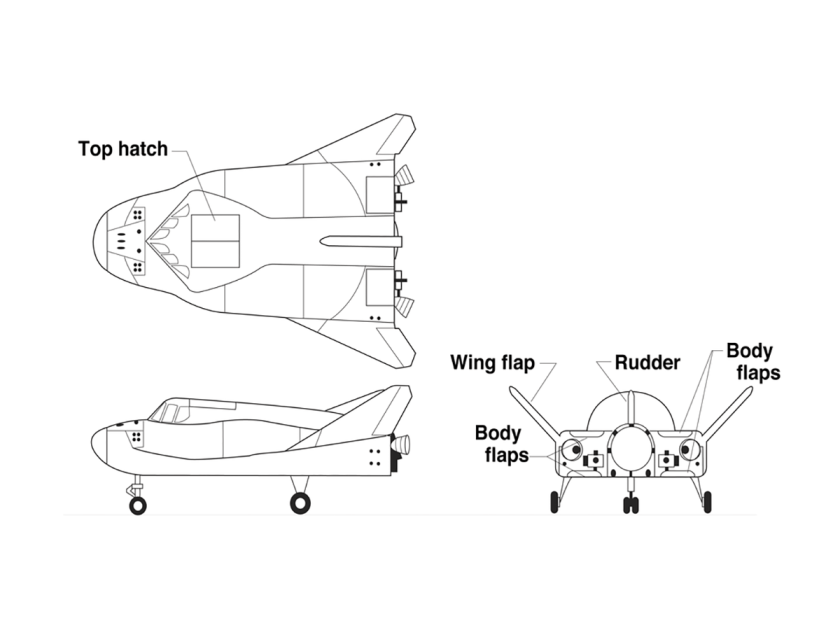
The HL-10 was one of five aircraft built in the Lifting Body Research Program. It was a NASA design and was built to evaluate an inverted airfoil lifting body with a delta planform. The HL-10 was flown 37 times during the program and logged the highest altitude and fastest speed.
EG-0053-01
The HL-10 was one of five aircraft built in the Lifting Body Research Program. It was a NASA design and was built to evaluate an inverted airfoil lifting body with a delta planform. The HL-10 was flown 37 times during the program and logged the highest altitude and fastest speed.
The other lifting body designs were the M2-F2, M2-F3 (rebuilt M2-F2 following a landing accident), X-24A and X-24B (the rebuilt X-24A with a different aerodynamic shape).
The HL-10 was flown 37 times during the lifting body research program and logged the highest altitude and fastest speed in the Lifting Body program. On Feb. 18, 1970, Air Force test pilot Peter Hoag piloted the HL-10 to Mach 1.86 (1,228 mph). Nine days later, NASA pilot Bill Dana flew the vehicle to 90,030 feet, the highest altitude reached in the program.
Some new and different lessons were learned through the successful flight testing of the HL-10. These lessons, when combined with information from it’s sister ship, the M2-F2/F3, provided one option for designers of future atmospheric re-entry vehicles.
Image credit: NASA FRC
Image source: NASA
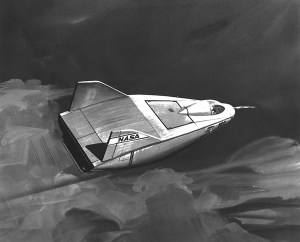
This artist’s conception shows how the NASA M2 lifting body research vehiCLe will look to viewers from the B52 ‘mother” ship that will drop it for glide tests. The M2 is being fabricated by Northrop Corp’s Norair Division at Hawthorne, Calif. It’s a forerunner of “shuttle” vehicles expected to supply orbiting manned spacecraft.
The Plain Dealer Library
May 4 ’65 PD
Image credit: Northrop
Image source: Numbers Station

Artist’s concept of the pre-Shuttle Lockheed-sponsored Star Clipper stage-and-one-half lifting body configuration ascending from a desert launching base – circa 1968.
Lockheed Horizons, Number 13, 1983
Image credit: Lockheed Martin
Image source: The Portal to Texas History

Final evolution of the Lockheed LS-200-5 lifting body stage-and-one-half configuration under NASA Space Shuttle Alternate Concepts contracts in December 1970.
Lockheed Horizons, Number 13, 1983
Image credit: Lockheed Martin
Image source: The Portal to Texas History