Image credit: Convair
Image source: SDASM Archives
Image credit: Convair
Image source: SDASM Archives
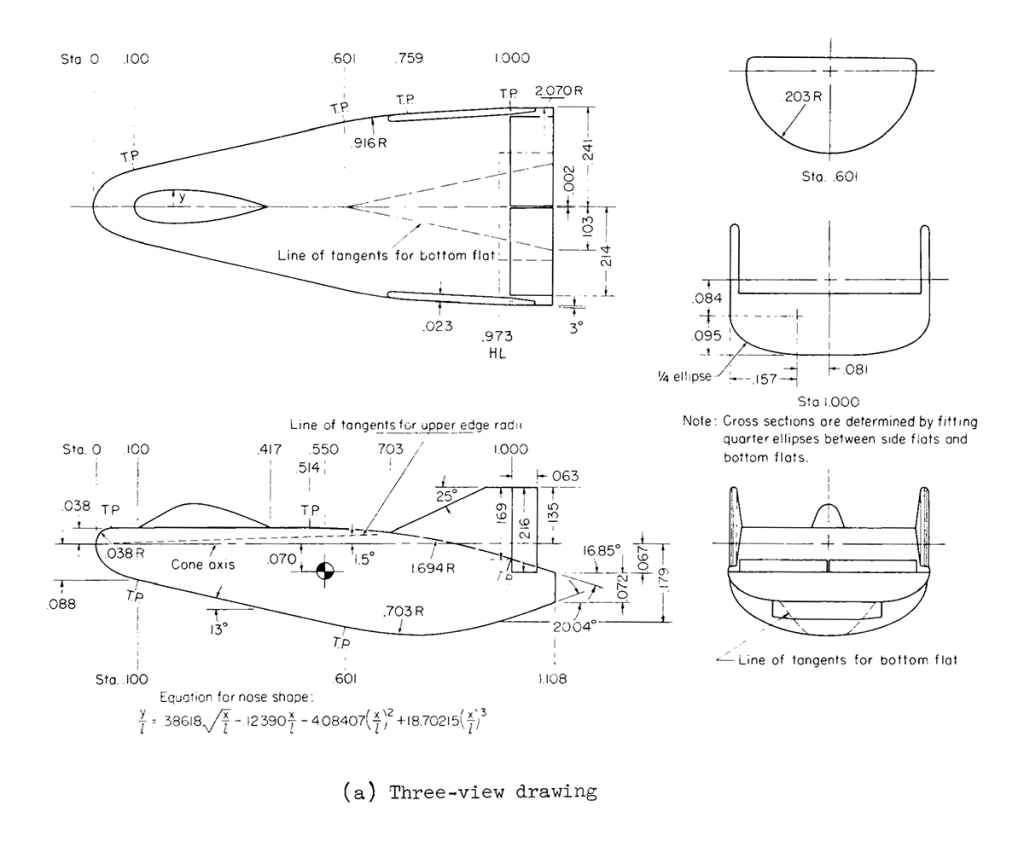
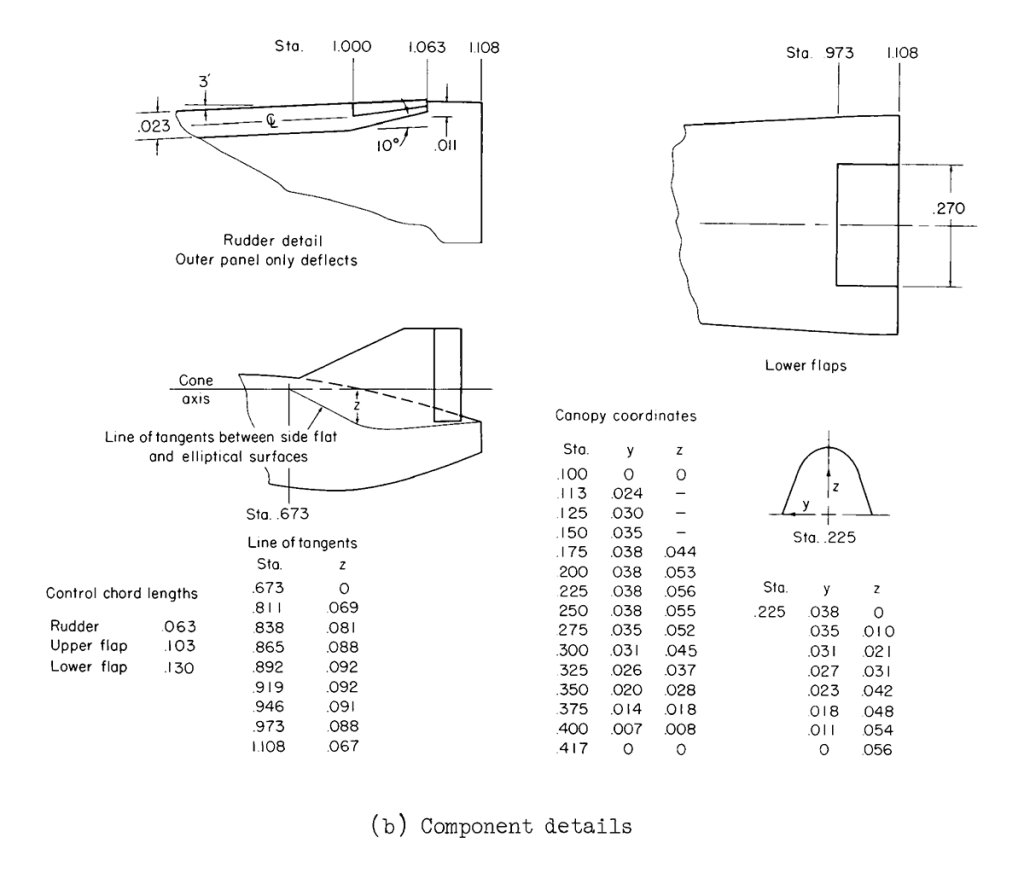
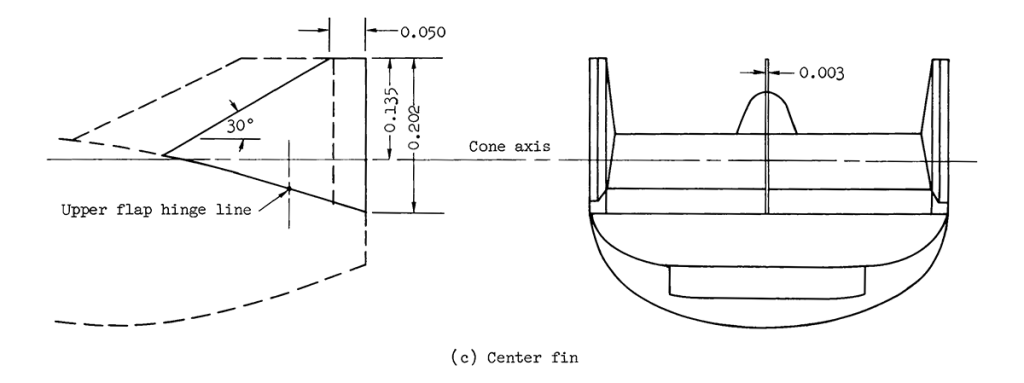
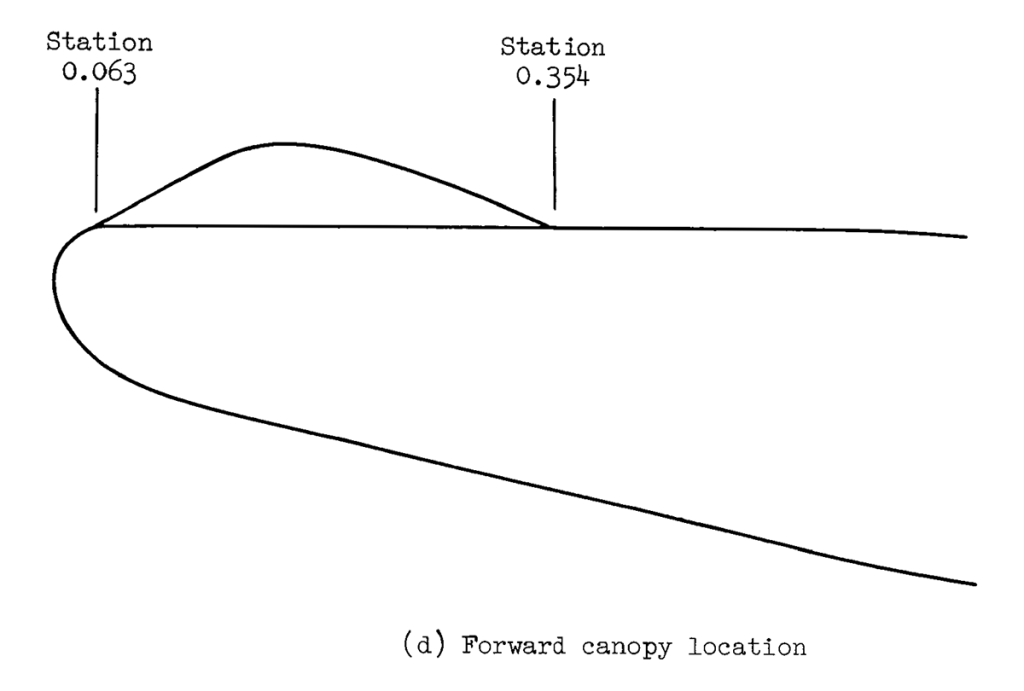
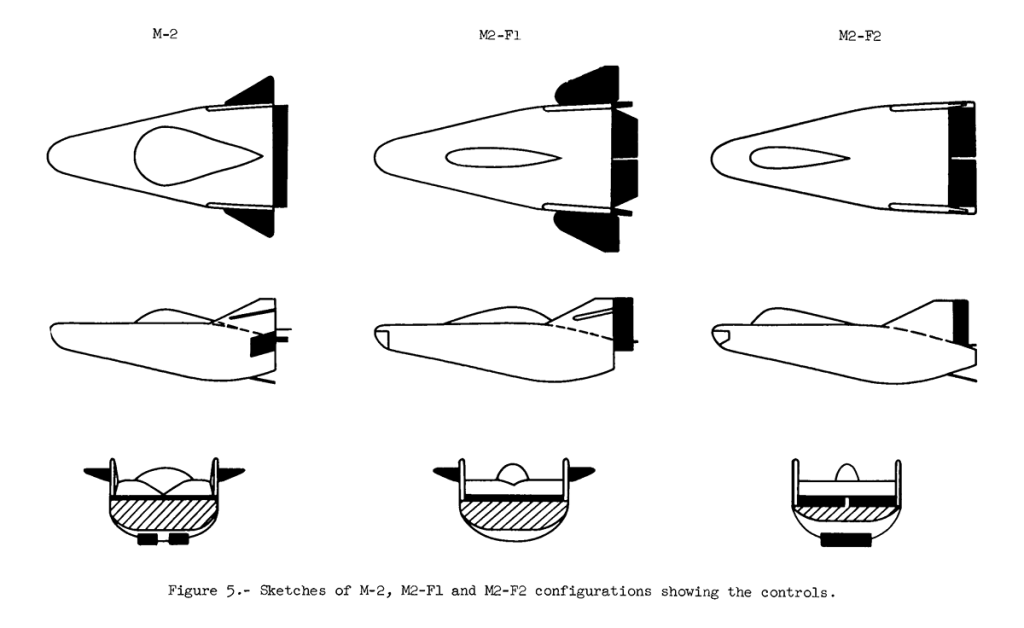
Image credit: NASA
File source: NASA NTRS
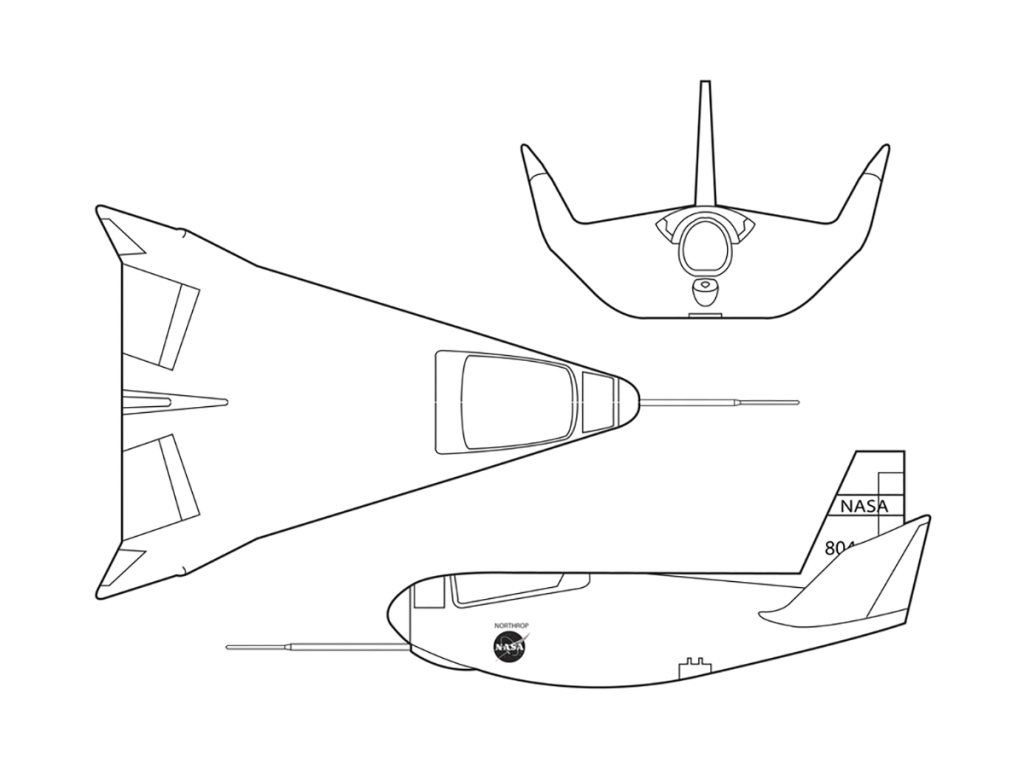
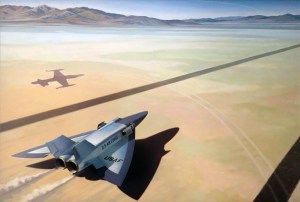
The HL-10 was one of five aircraft built in the Lifting Body Research Program. It was a NASA design and was built to evaluate an inverted airfoil lifting body with a delta planform. The HL-10 was flown 37 times during the program and logged the highest altitude and fastest speed.
EG-0053-01
The HL-10 was one of five aircraft built in the Lifting Body Research Program. It was a NASA design and was built to evaluate an inverted airfoil lifting body with a delta planform. The HL-10 was flown 37 times during the program and logged the highest altitude and fastest speed.
The other lifting body designs were the M2-F2, M2-F3 (rebuilt M2-F2 following a landing accident), X-24A and X-24B (the rebuilt X-24A with a different aerodynamic shape).
The HL-10 was flown 37 times during the lifting body research program and logged the highest altitude and fastest speed in the Lifting Body program. On Feb. 18, 1970, Air Force test pilot Peter Hoag piloted the HL-10 to Mach 1.86 (1,228 mph). Nine days later, NASA pilot Bill Dana flew the vehicle to 90,030 feet, the highest altitude reached in the program.
Some new and different lessons were learned through the successful flight testing of the HL-10. These lessons, when combined with information from it’s sister ship, the M2-F2/F3, provided one option for designers of future atmospheric re-entry vehicles.
Image credit: NASA FRC
Image source: NASA
Image credit: Convair
Image source: SDASM Archives
