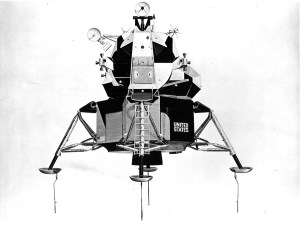
Image credit: NASA
Image source: Mike Acs
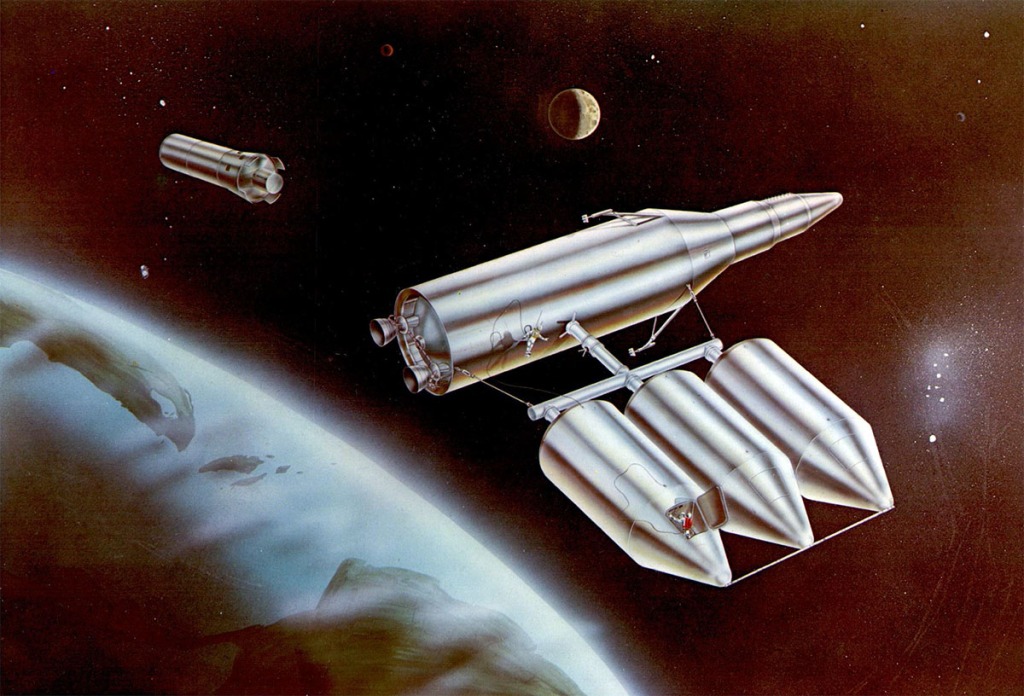
Conceptual view of the operations in the equatorial earth orbit. The operation in orbit is principally one of propellant transfer and it not an assembly job. The vehicle being fueled is the third stage of a SATURN II with a lunar landing and return vehicle attached. The third stage of the SATURN II was used in the combination into orbit and has thus expended its propellants. This stage is fueled into orbit by a detachment of approximately ten men after which the vehicle then proceeds on the moon.
Image credit: United States Army
Image source: NASM
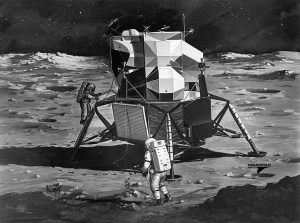
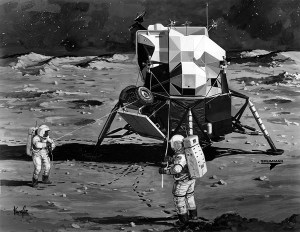
Image credit: NASA
Image source: Ed Dempsey
Image credit: NASA
Image source: Mike Acs
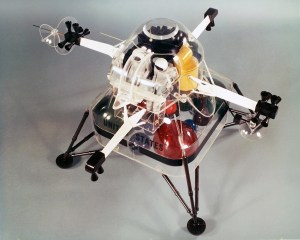
Image credit: Convair
Image source: SDASM Archives
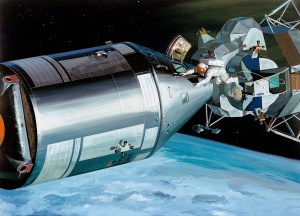
S69-18547 (1969) — North American Rockwell artist’s concept illustrating a part of the planned Apollo 9 extravehicular activity on the fourth day of the mission as the Command and Service Modules are docked to the Lunar Module. The figure performing the EVA represents astronaut Russell L. Schweickart, Apollo 9 lunar module pilot.
Image credit: NASA Johnson
Image source: NASA Images
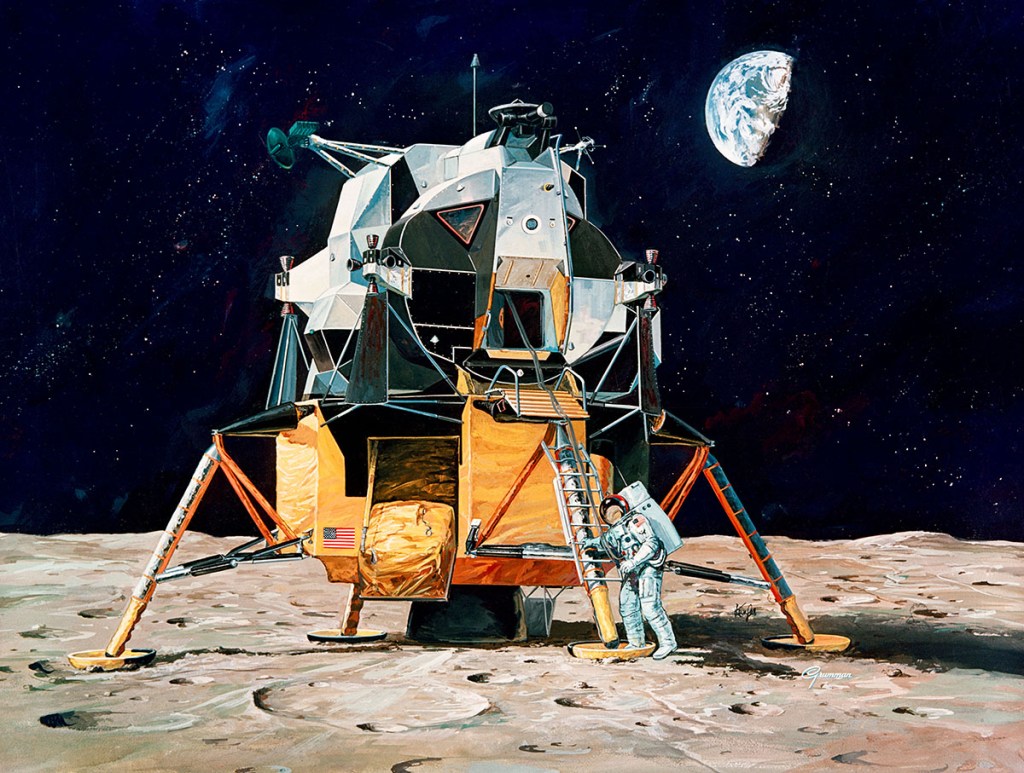
S69-38662 (July 1969) — A Grumman Aircraft Engineering Corporation’s artist concept depicting mankind’s first walk on another celestial body. Here astronaut Neil A. Armstrong, Apollo 11 commander, is making his first step onto the surface of the Moon. Armstrong has just egressed Lunar Module (LM) 5. Still inside the LM is astronaut Edwin E. Aldrin Jr., lunar module pilot. Astronaut Michael Collins, command module pilot, remains with the Command and Service Modules (CSM) in lunar orbit. In the background is the Earth, some 240,000 miles away.
Image credit: NASA Johnson
Image source: NASA Images
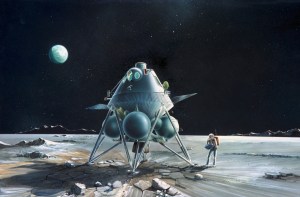
Image credit: North American
Image source: Paul Carsola