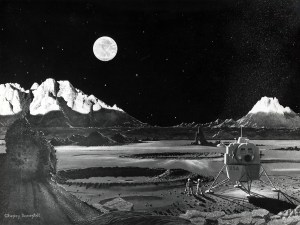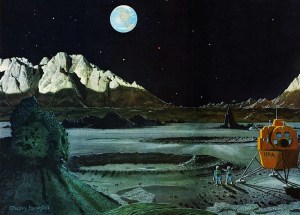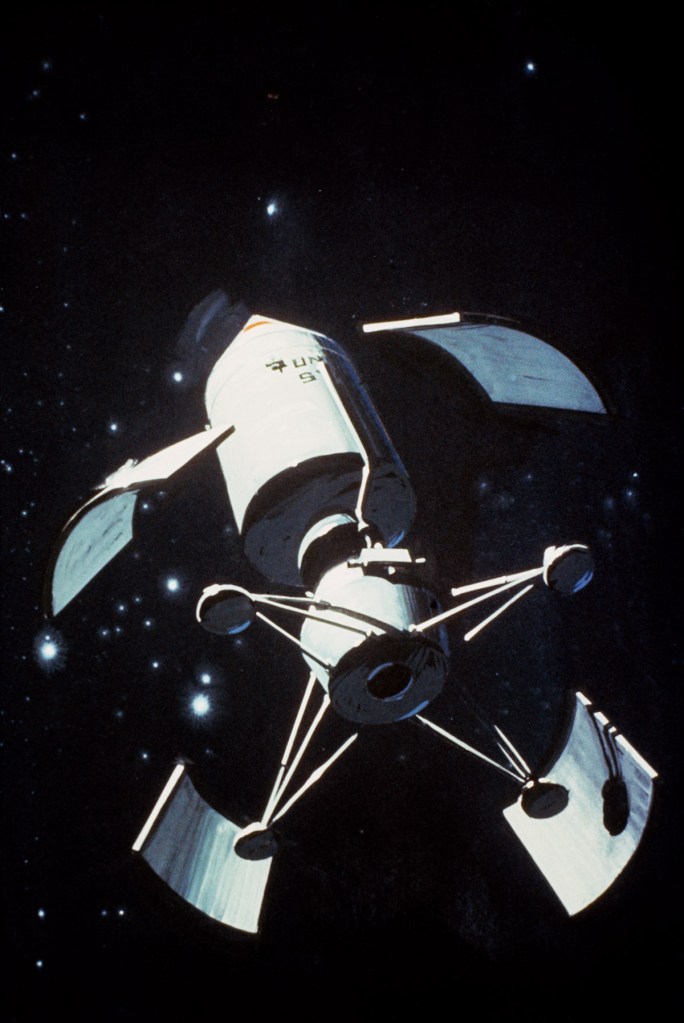
Image credit: NASA
Image source: Internet Archive
Image credit: NASA
Image source: Internet Archive
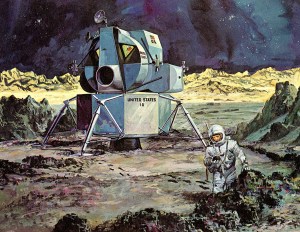
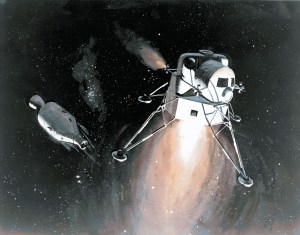
From Drew Granston‘s collection: a beautiful early rendering of Grumman’s LM by Craig Kavafes.
Image credit: NASA
Image source: Drew Granston
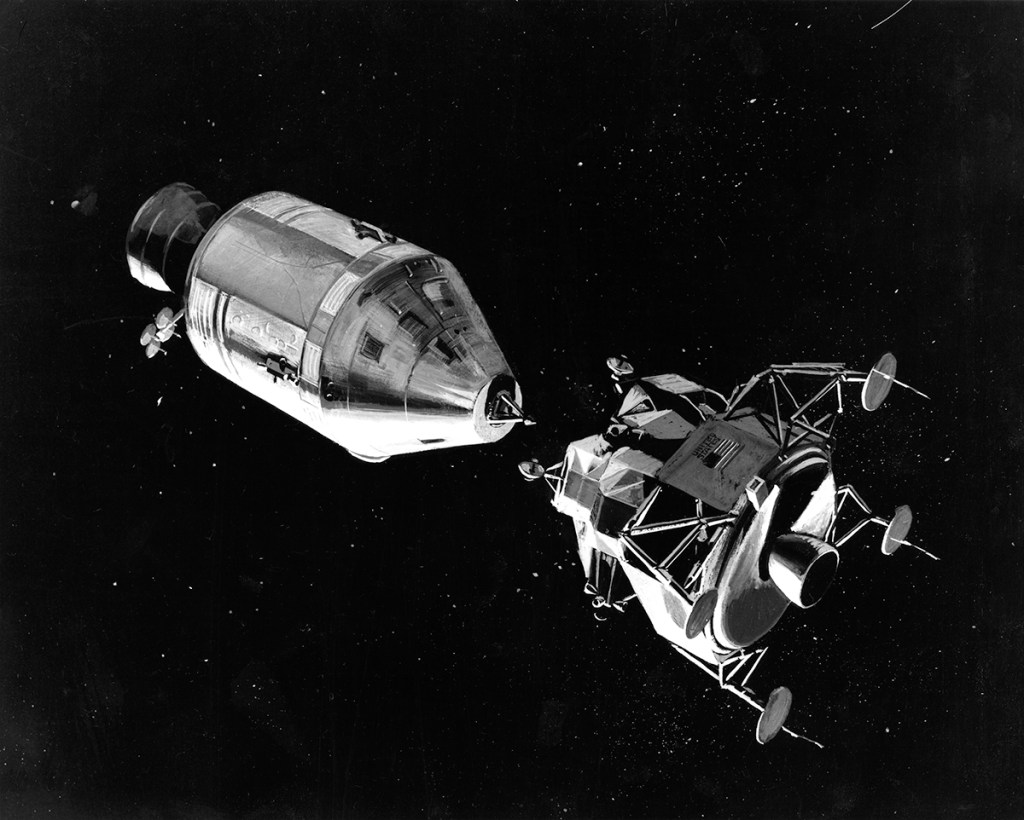
Image credit: NASA
Image source: Numbers Station
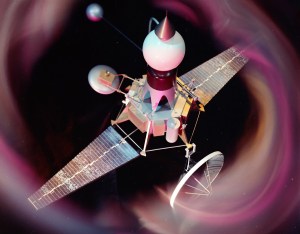
Image credit: NASA
Image source: SDASM Archives

Image credit: NASA
Image source: Numbers Station
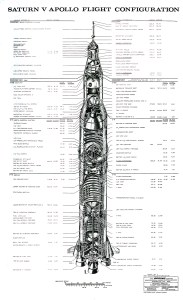
The Saturn V configuration is shown in inches and meters as illustrated by the Boeing Company. The Saturn V vehicle consisted of three stages: the S-IC (first) stage powered by five F-1 engines, the S-II (second) stage powered by five J-2 engines, the S-IVB (third) stage powered by one J-2 engine. A top for the first three stages was designed to contain the instrument unit, the guidance system, the Apollo spacecraft, and the escape system. The Apollo spacecraft consisted of the lunar module, the service module, and the command module. The Saturn V was designed perform lunar and planetary missions and it was capable of placing 280,000 pounds into Earth orbit.
Image credit: NASA MSFC
Image source: NASA Images
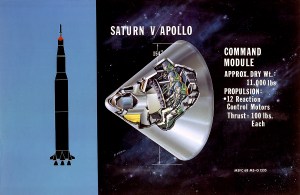
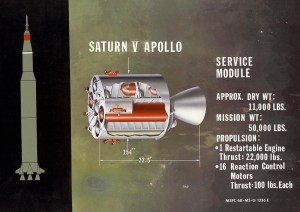
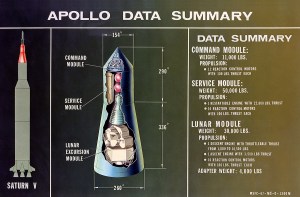
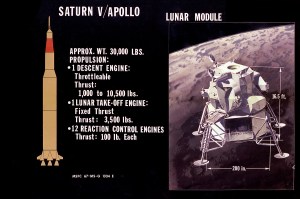
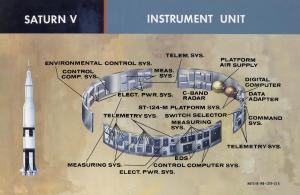
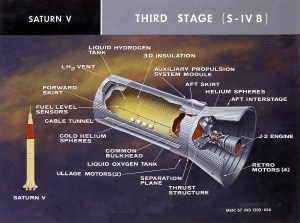
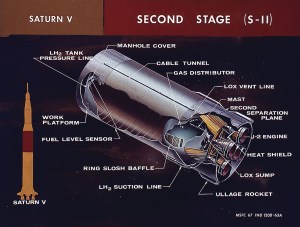
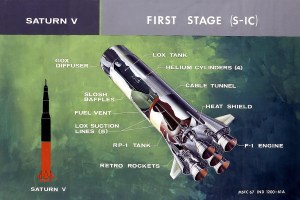
Image credit: NASA MSFC
Image source: NASA Images
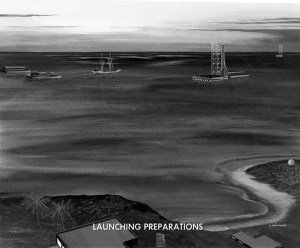
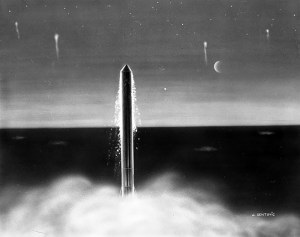
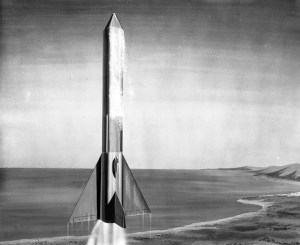

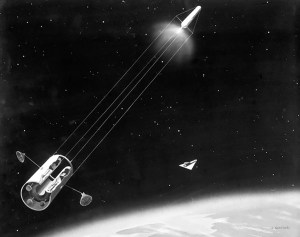
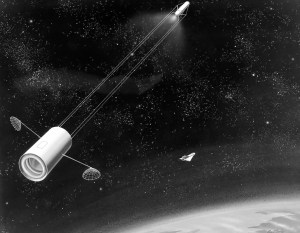
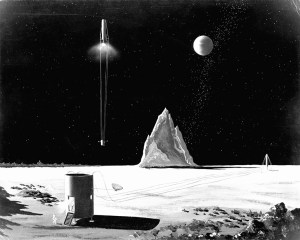
Image credit: Convair
Image source: SDASM Archives

Oil on panel by Robert McCall. The Apollo 8 spacecraft fires it’s engines to propel it out of lunar orbit and the return trip to Earth.
This is NASA, EP 22, 1971
Image credit: NASA
Image source: Numbers Station