Image credit: NASA GRC
Image source: National Archives
Image credit: NASA GRC
Image source: National Archives
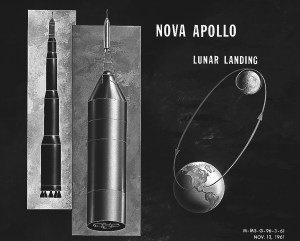
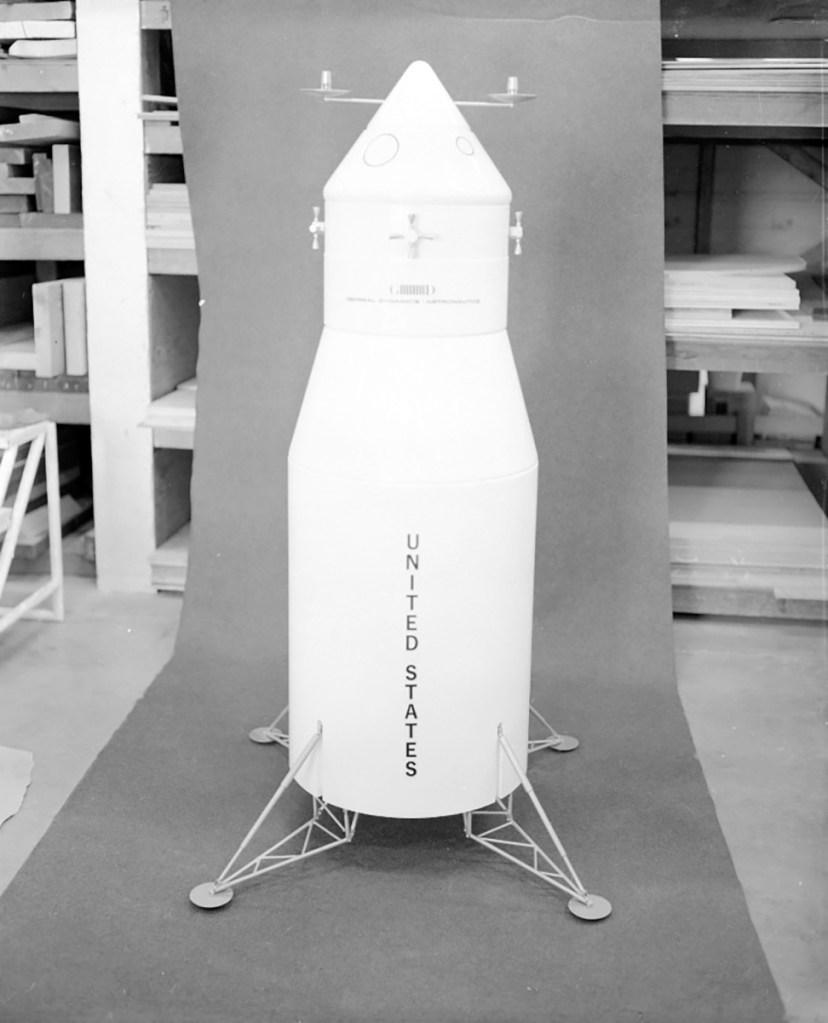
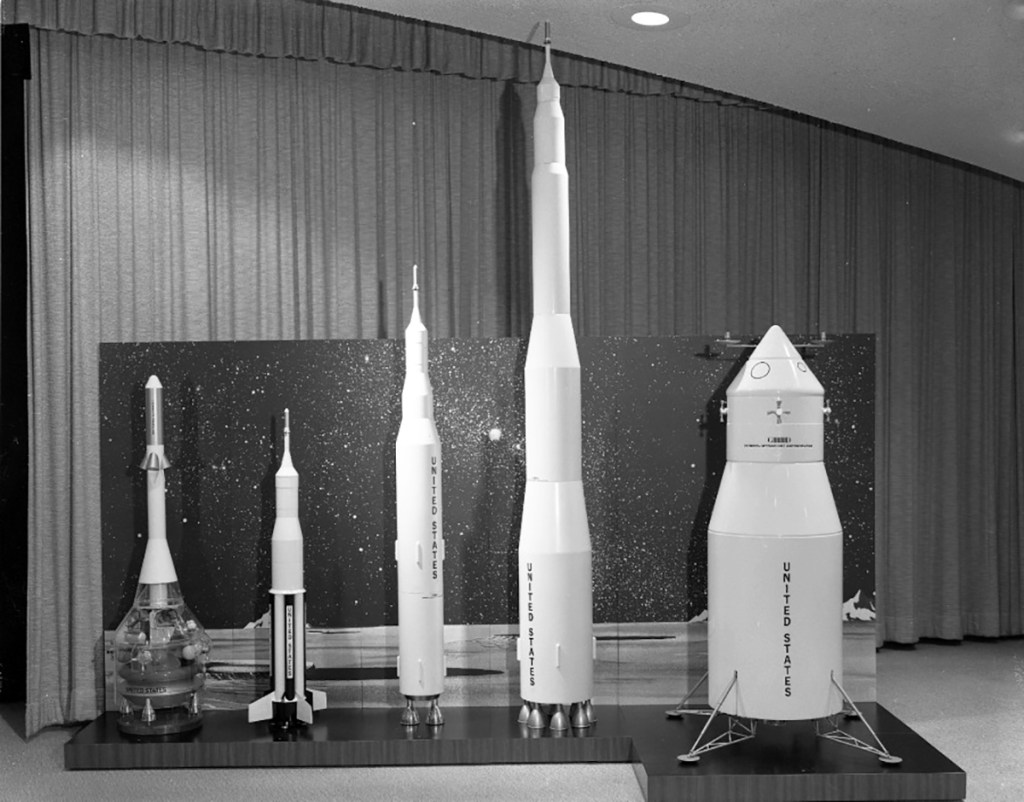
This artist’s concept illustrates the Module Nova concept – Solid C-3 Basis. From 1960 to 1962, the Marshall Space Flight Center considered the Nova launch vehicle as a means to achieve a marned lunar landing with a direct flight to the Moon. Various configurations of the vehicle were examined. The latest configuration was a five-stage vehicle using eight F-1 engines in the first stage. Although the program was canceled after NASA planners selected the lunar/orbital rendezvous mode, the proposed F-1 engine would eventually be used in the Apollo Program to propel the first stage of the Saturn V launch vehicle.
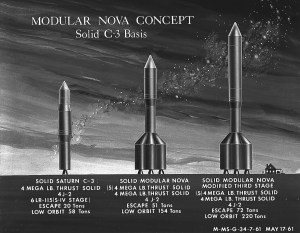
This artist’s concept illustrates the Module Nova concept – Solid C-3 Basis. From 1960 to 1962, the Marshall Space Flight Center considered the Nova launch vehicle as a means to achieve a marned lunar landing with a direct flight to the Moon. Various configurations of the vehicle were examined. The latest configuration was a five-stage vehicle using eight F-1 engines in the first stage. Although the program was canceled after NASA planners selected the lunar/orbital rendezvous mode, the proposed F-1 engine would eventually be used in the Apollo Program to propel the first stage of the Saturn V launch vehicle.
Image credit: NASA MSFC
Image source: NASA Images
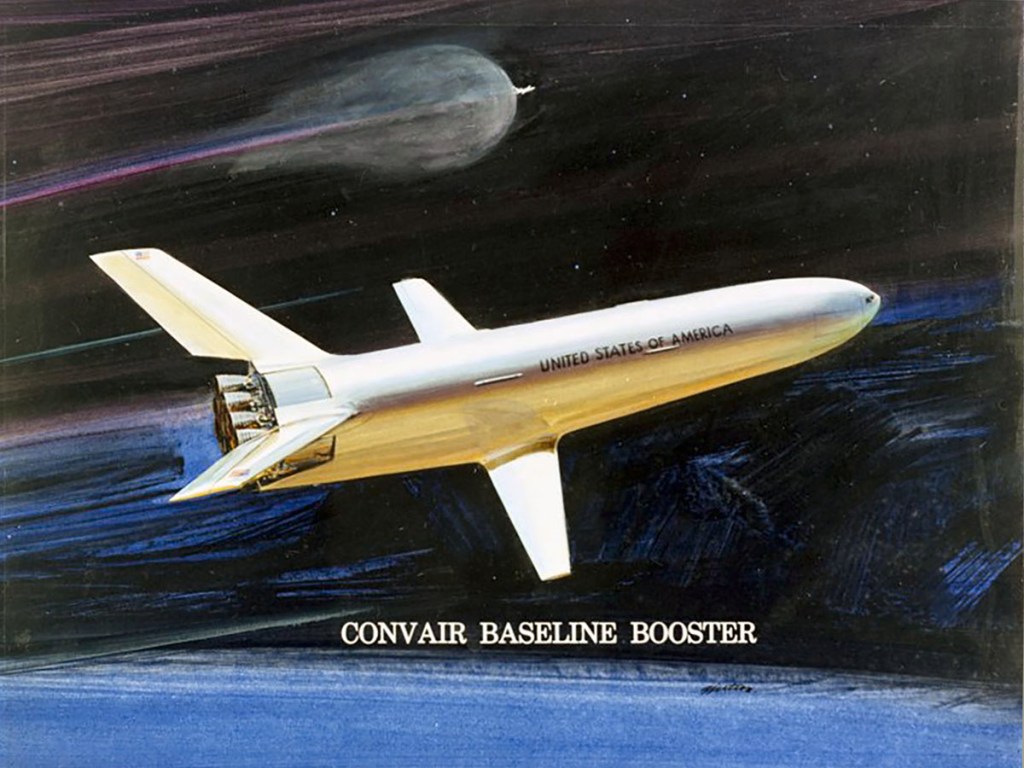
Image credit: Convair
Image source: SDASM Archives
Image credit: Convair
Image source: SDASM Archives
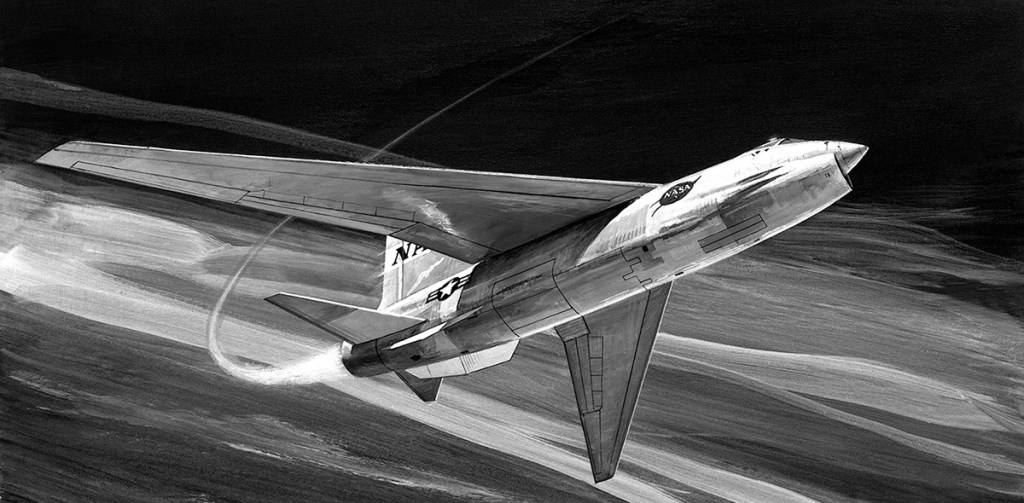
Image credit: USAF
Image source: National Archives
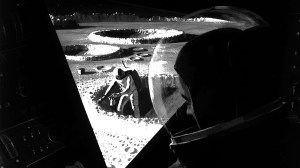
Mar 17 1969
When America’s first two-man team lands on the moon, one of their first tasks will be to obtain a sample of lunar material as quickly as possible in event they have to make an emergency takeoff. If things go well, they will spend 25 hours on the surface, gathering up to 80 pounds of rocks, dust and other material to be put into vacuum-sealed containers. This sketch shows one astronaut gathering samples from a crater while his companion watches from the lunar module. Later, the two will roam up to 300 feet from the craft, working on a “buddy” system, to plant several measuring devices on the surface which will radio information to earth.
MAR 17 1969 COPYRIGHT, SEATTLE TIMES CO.
Image credit: NASA
Image source: Numbers Station

Image credit: Lockheed
Image source: Drew Granston
Image credit: Lockheed
Image source: Mike Acs