Image credit: Boeing / Chicago Daily News
Image source: Numbers Station
Image credit: Boeing / Chicago Daily News
Image source: Numbers Station
It’s January 1972.
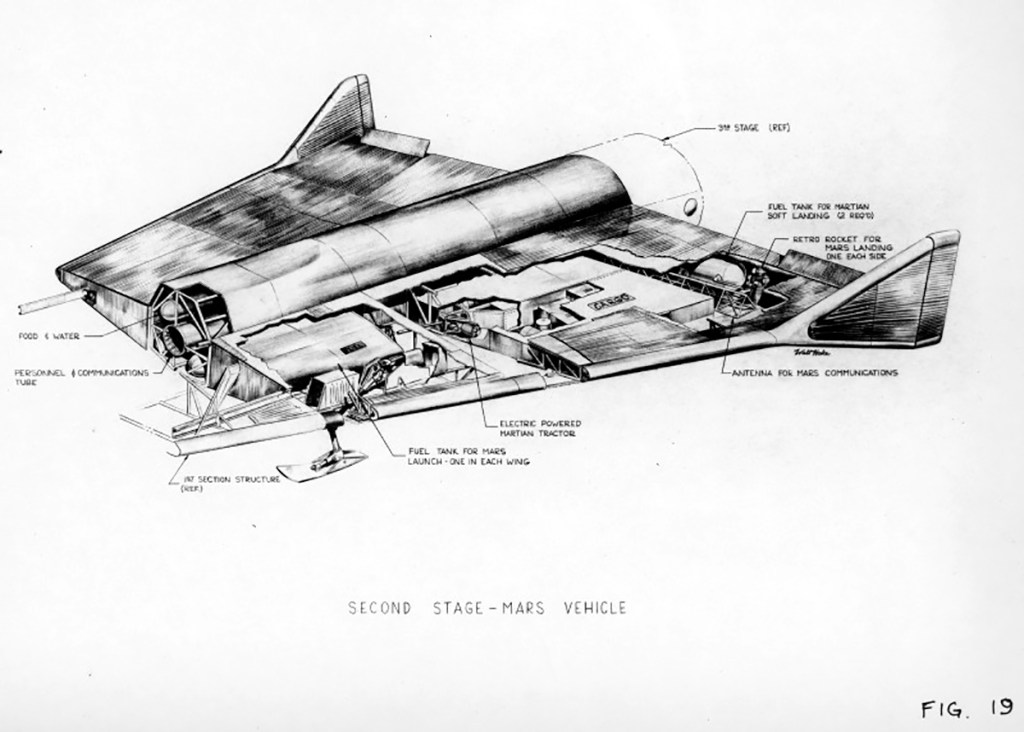
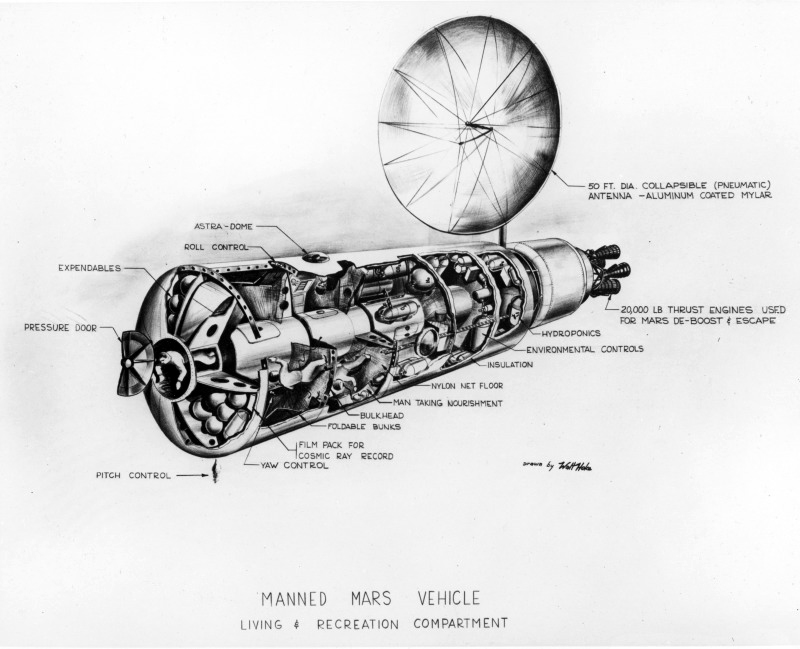
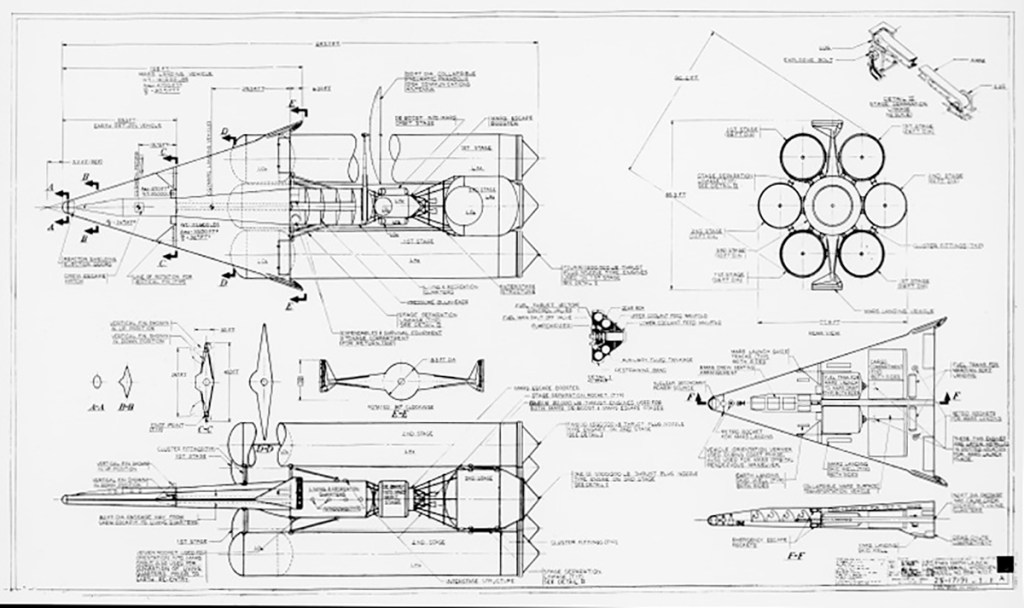
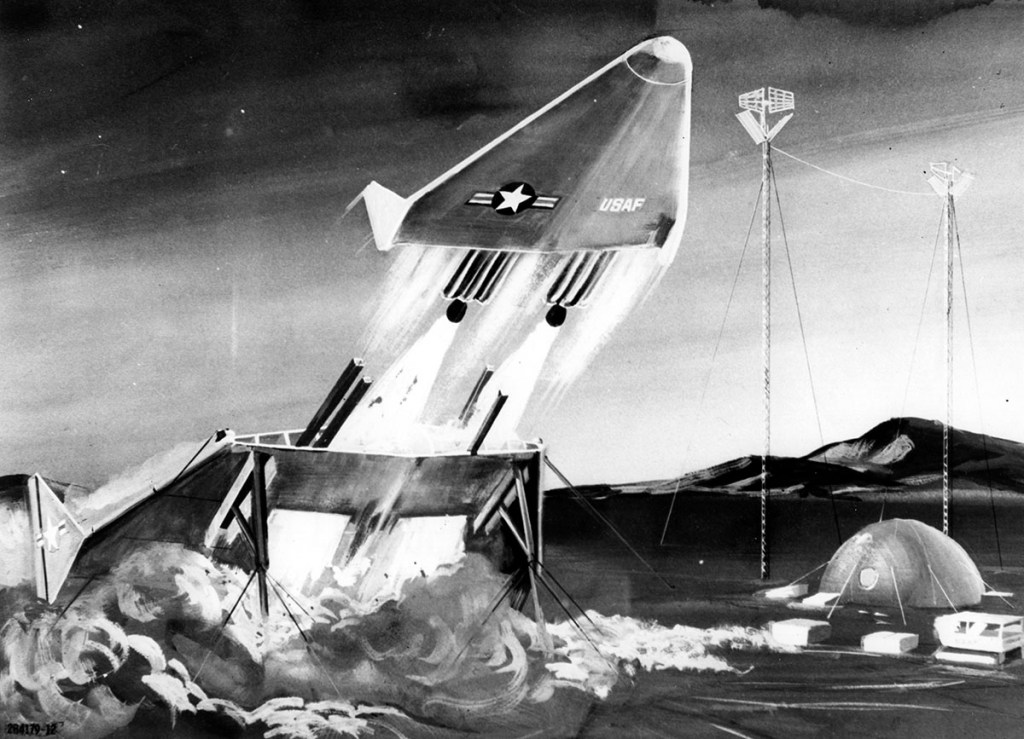
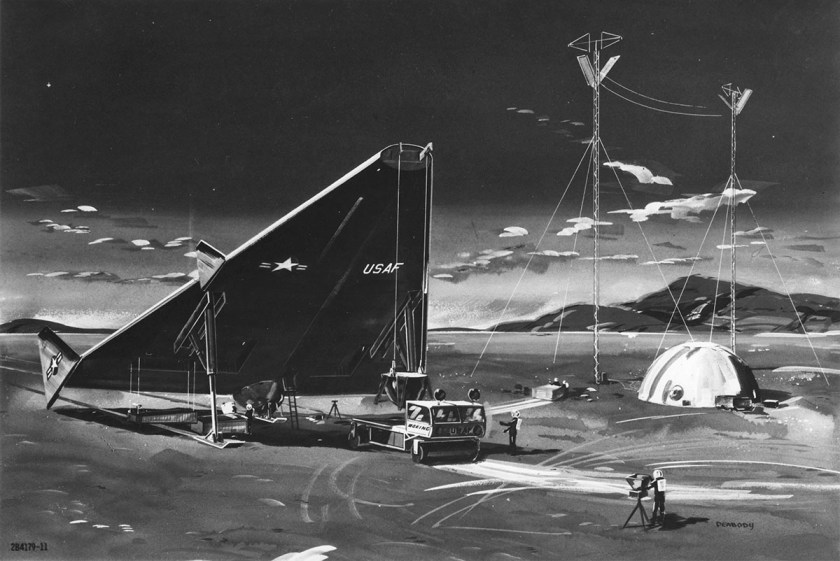
Having safely glided to a stop on a Martian plateau, this illustration depicts the Operational Phase of the mission. The crew have already inflated their six meter habitat (it’s a tent), assembled the flat-pack steamroller and are shown removing the nuclear reactor so it can be dragged at least a kilometer from base camp so it won’t kill them.
With the reactor at a safe distance, the crew of eight have 479 days to explore the surface of Mars and maybe do a spot of gardening.
You can read more about this fascinating 1960 Boeing Study here.
Image credit: Boeing / Chicago Daily News
Image source: Numbers Station
Image credit: United States Air Force
Image source: Wikipedia
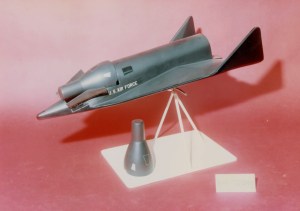
Image credit: USAF
Image source: US Woof
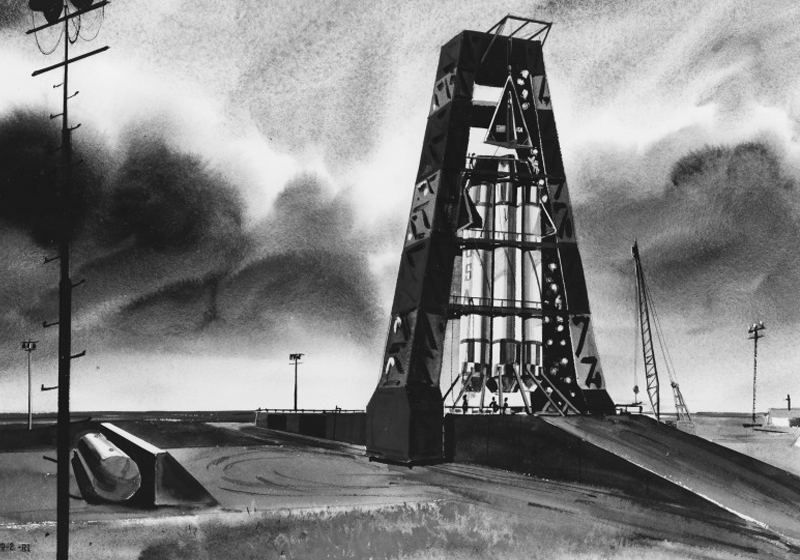
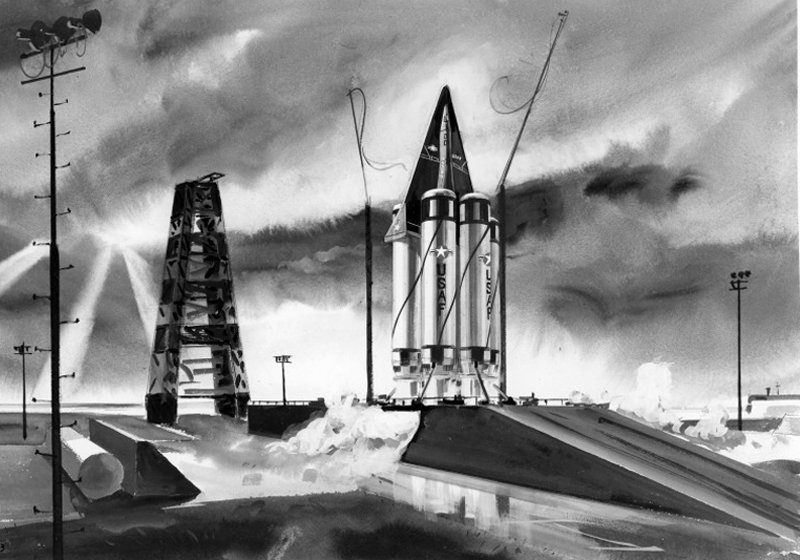
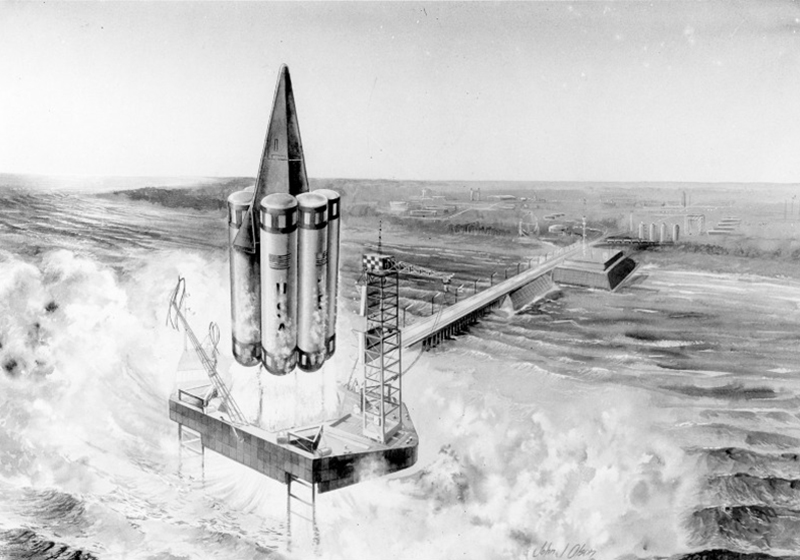
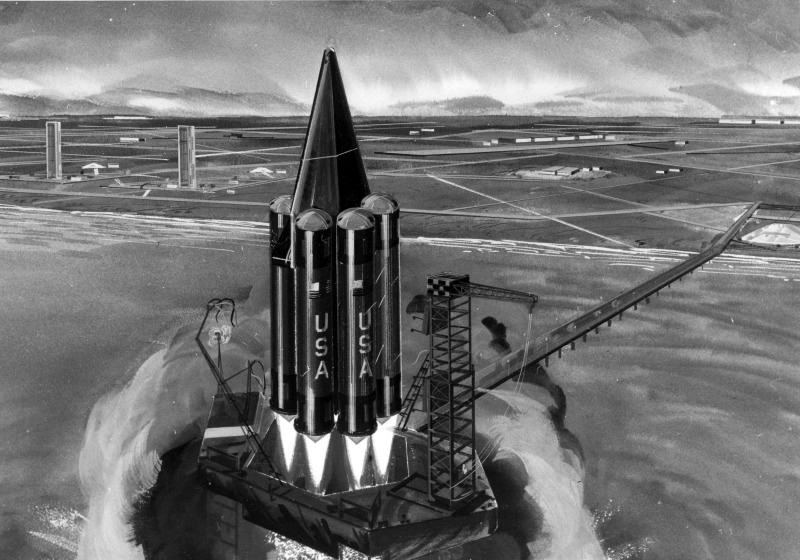
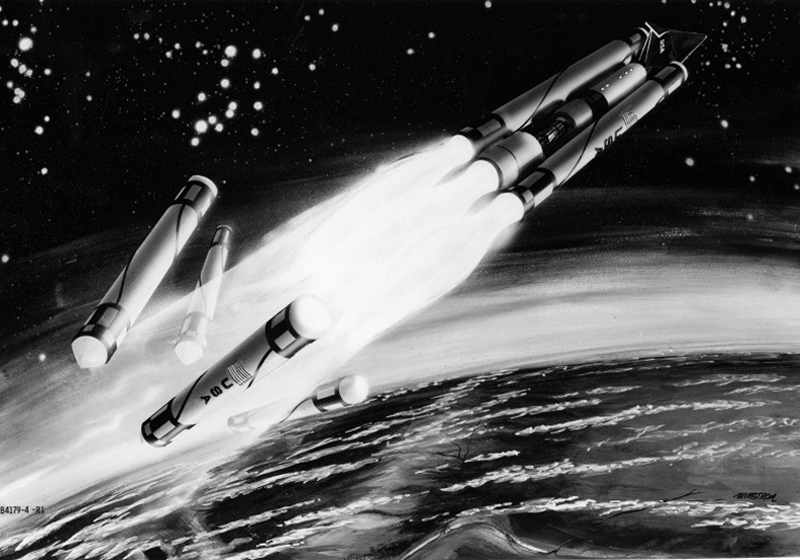
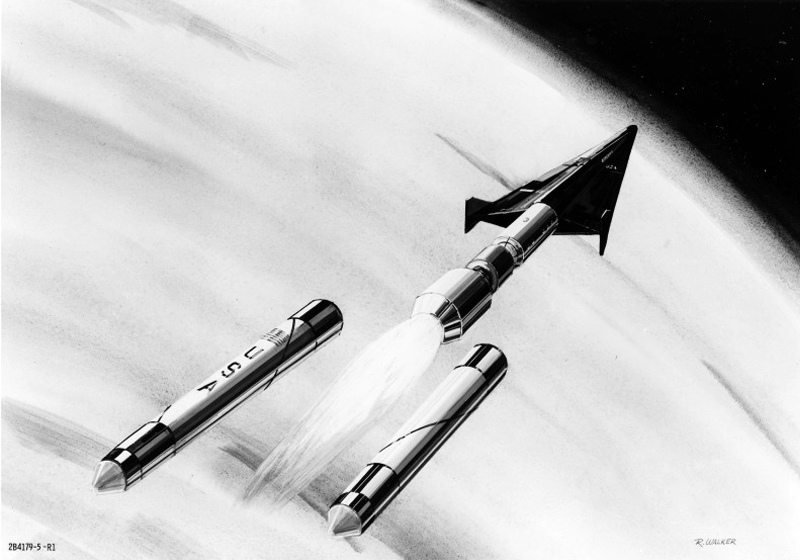
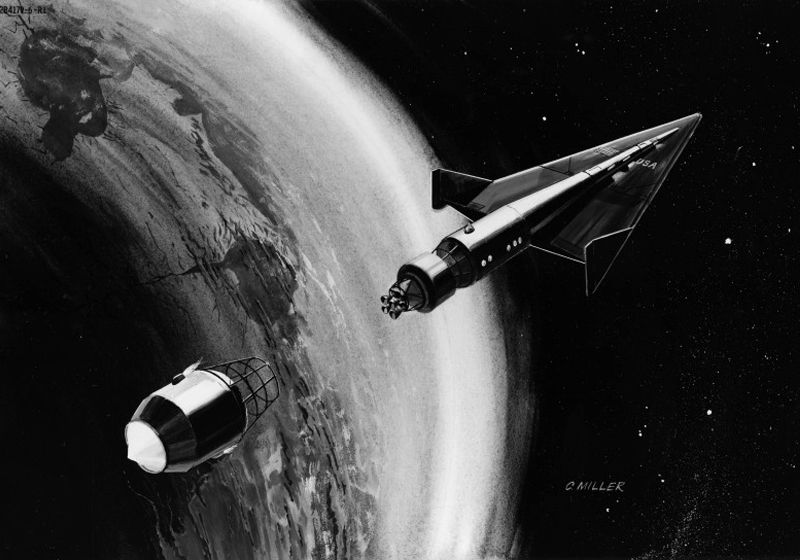
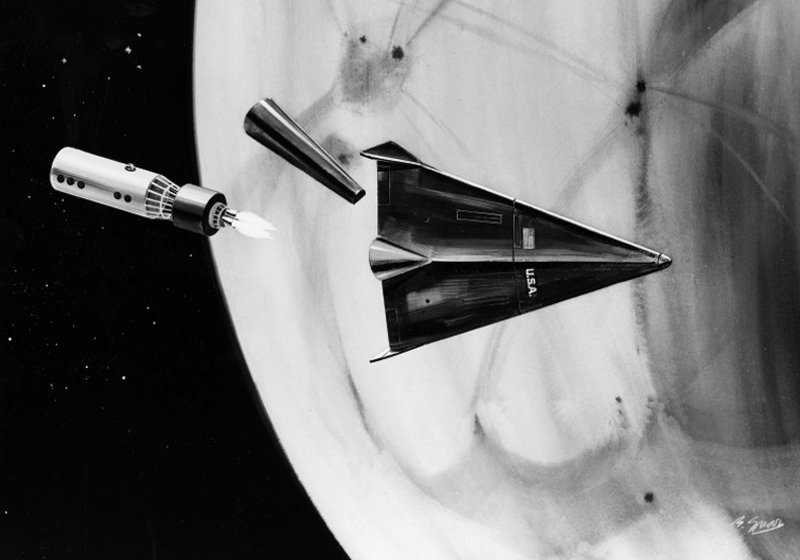
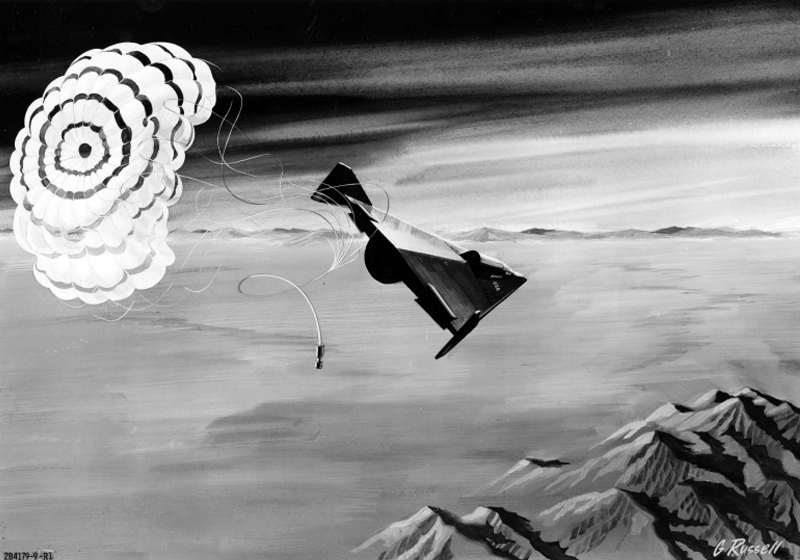
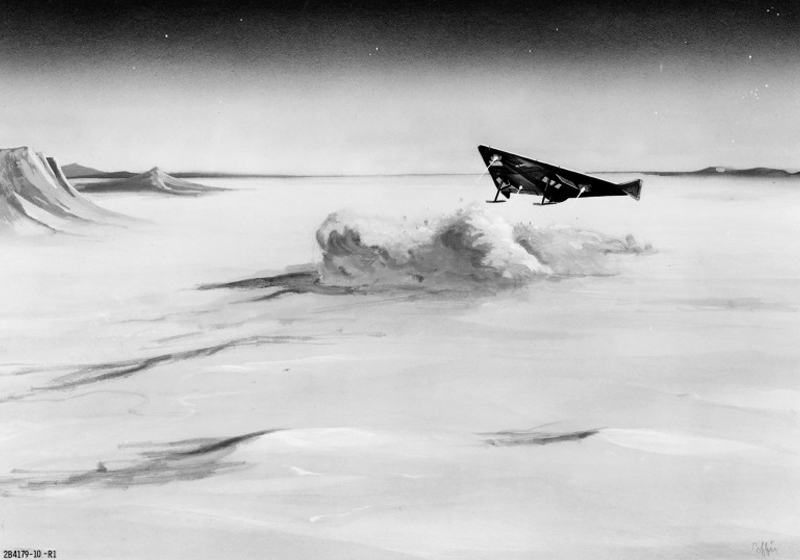
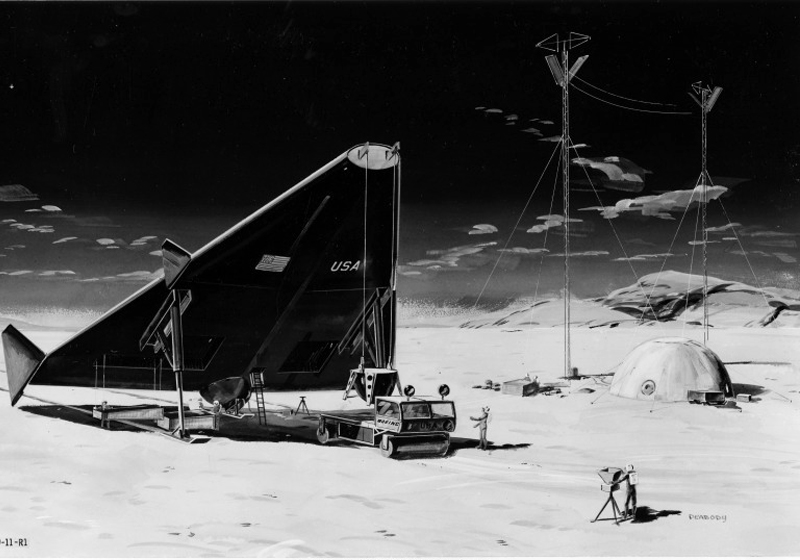
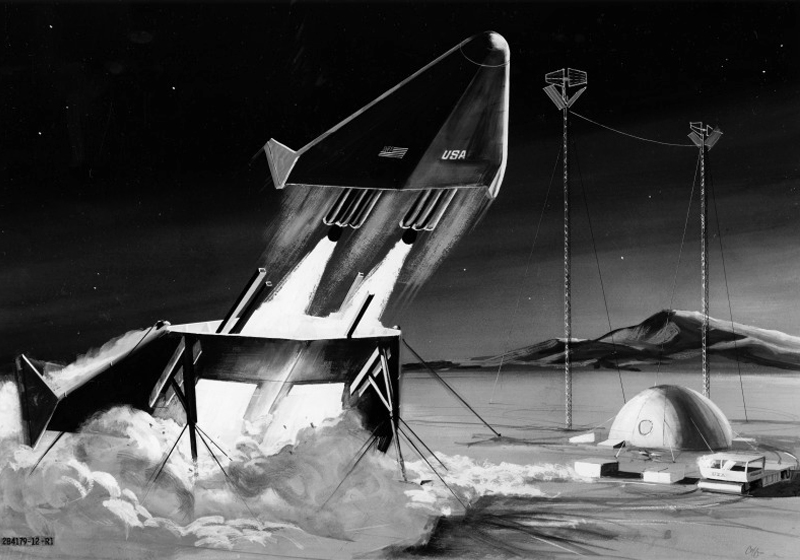
Image credit: Boeing
Image source: SDASM Archives

Image credit: Boeing
Image source: Numbers Station

Image credit: Liebig
Image source: Numbers Station
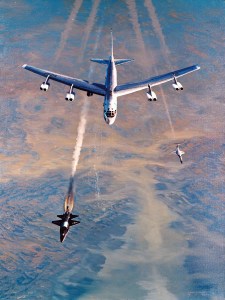
Image credit: USAF
Image source: NASA Images
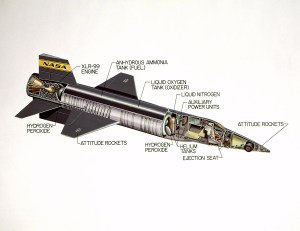
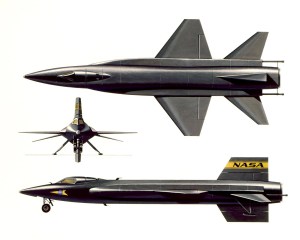
In addition to Mercury, Gemini, and Apollo, the U.S. is working on two other manned aerospace programs. The first is using the X-15, a piloted research vehicle, which flies as high as 50 miles above the Earth and at about 4,000 miles an hour, It is powered by a rocket engine but has wings and a tail, and can be controlled like an airplane. While the X-15 does not actually operate in space, vehicles similar to it will.
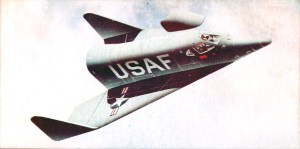
The other program is based on Project Dyna Soar. Dyna Soar will be launched like a missile, orbit the earth as a controlled satellite, and return through the atmosphere like an airplane. It is so named because it is expected that in the sky it will achieve boost-glide flight – also known as dynamic soaring. In space, the Dyna Soar pilot will be able to use rocket power to maneuver left or right thousands of miles in any flight path.
In the artist’s concept of the craft, the pilot of the Dyna Soar discards the no-longer need cockpit heat shield in order to land.
Image credit: Boeing
Image source: Numbers Station
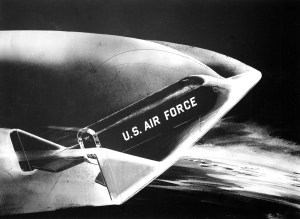
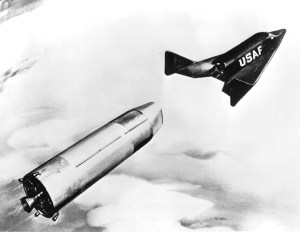
(BA2-Sept.22) SPACE GLIDER–Air Force developers of the proposed Dyna-Soar space glider project released this artist’s conception of the manned glider separating from it’s Titan intercontinental ballistic missile booster, as planned in experimental test flights beginning within three years. The sketch was released in connection with a speech by Lt. Gen. R.C. Wilson Air Force deputy chief of staff for development, before the annual convention of the Air Force Association at San Francisco. (U.S. Air Force PHOTO VIA APWIREPHOTO) (was5141Oho) 60
Image credit: Boeing
Image source: Numbers Station