255-GRC-1983-C-03832

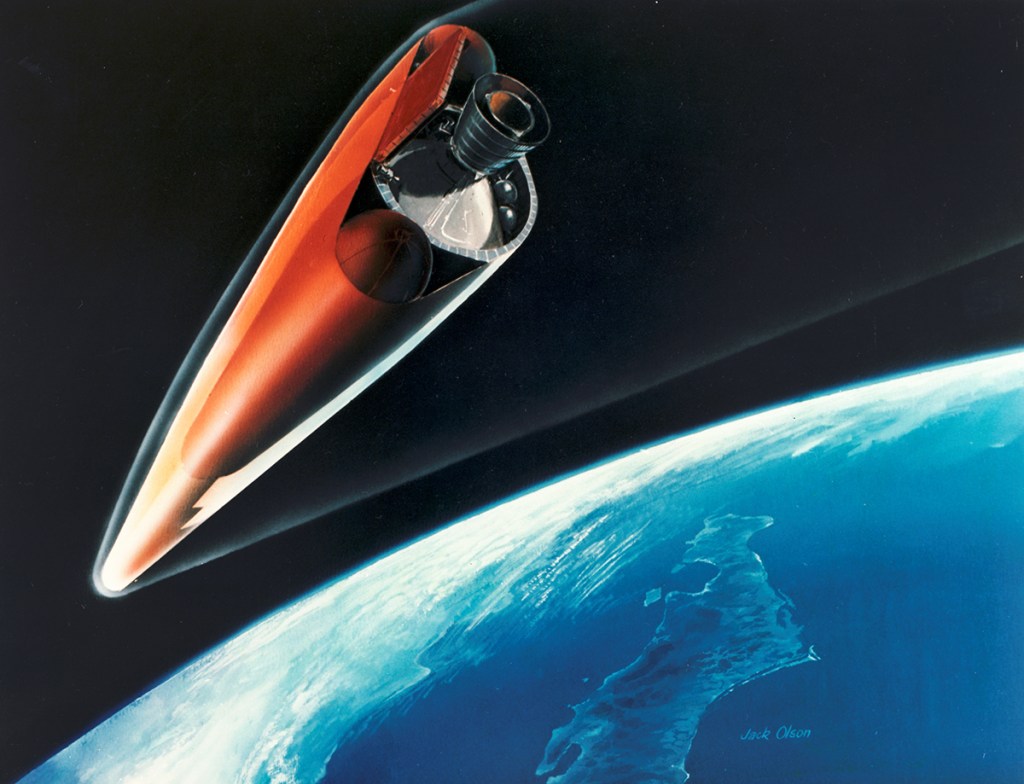
An Aeroassisted Orbital Transfer Vehicle is shown using the Earth’s atmosphere to slow itself down and lift itself into another orbit before returning to the Space Shuttle for reuse. Inflatable wings are located on each side of the core propulsion module and covered by a high temperature heat shield material. The spacecraft payload bay is located in the forward section of the nose cone. Boeing is studying how the atmosphere can be used as a brake for this proposed Air Force spacecraft under contract to the Air Force’s Flight Dynamics Laboratory at Wright-Patterson Air Force Base, Ohio.

BOEING AEROSPACE COMPANY

Image credit: Boeing
Image source: National Archives

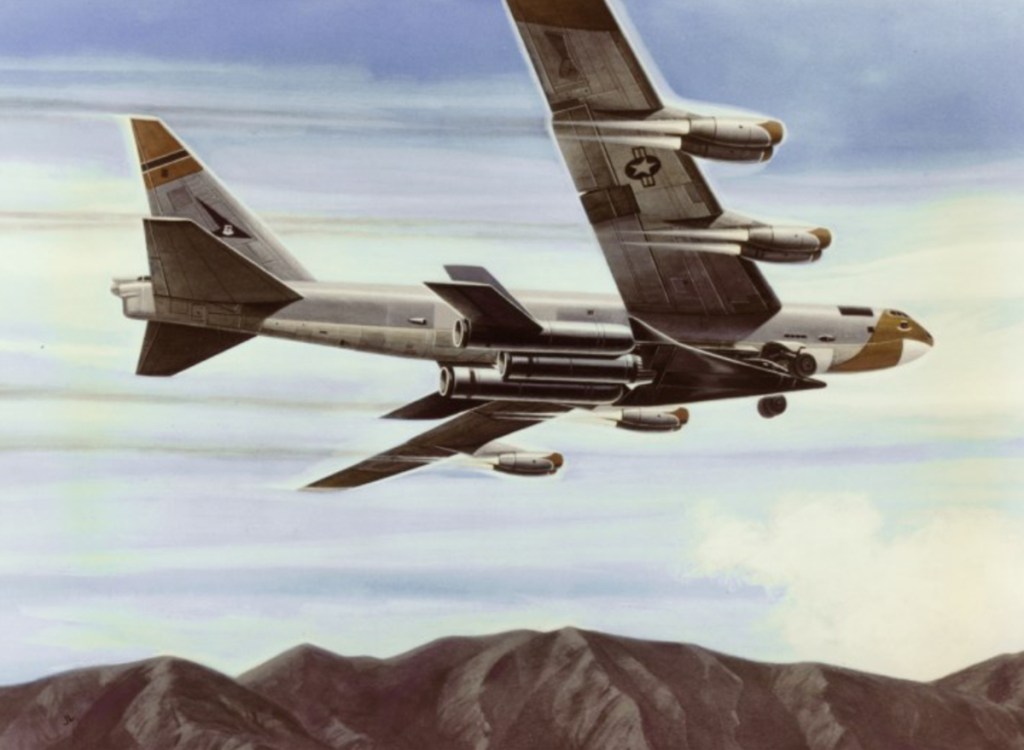
Edwards AFB

Image credit: USAF
Image source: AFMC 

Initial Flight Testing

Image credit: USAF
Image source: AFMC 

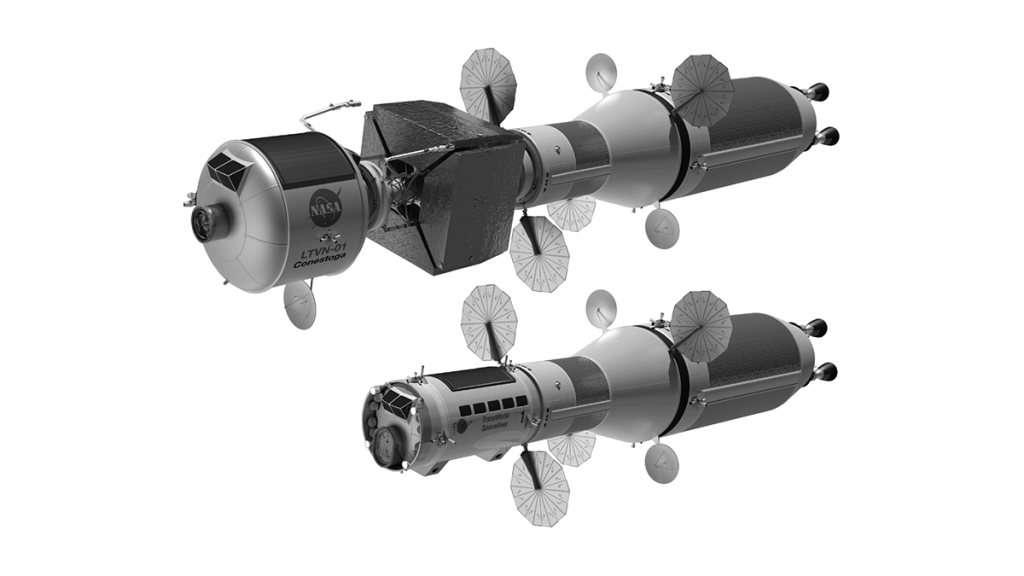
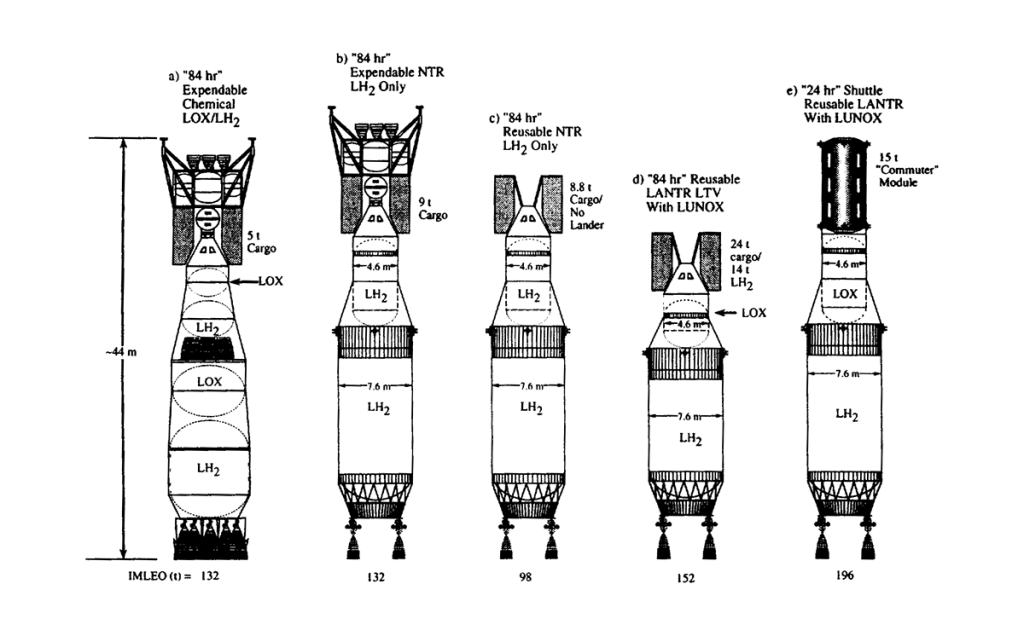
“Commuter” Passenger Module

19960002346

Image credit: NASA
Image source: NASA NTRS

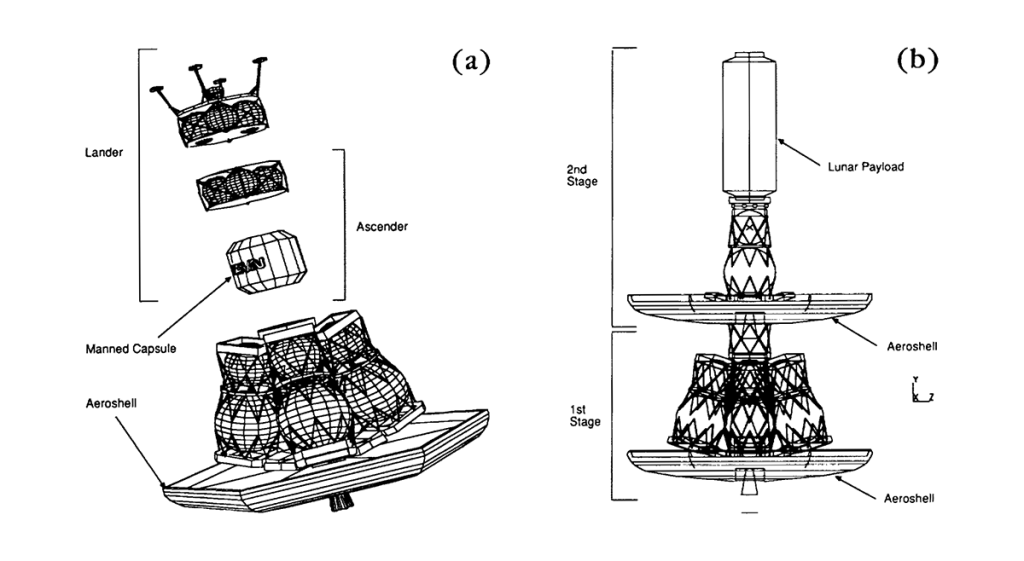
LUNOX Lander

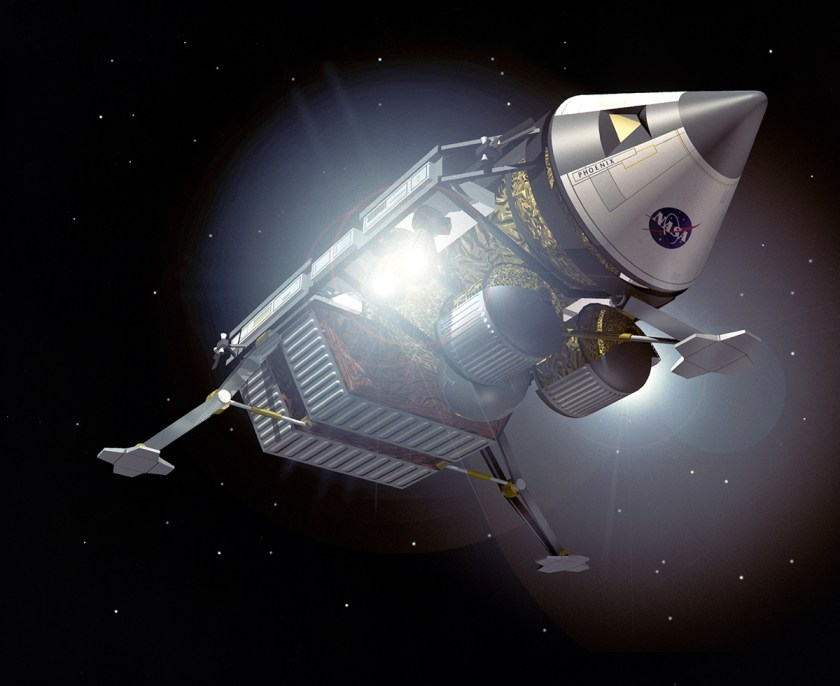
S93-45589 (1993) — (Artist’s concept of possible exploration programs.) A crew of four descends to the lunar surface in a spacecraft designed to utilize oxygen produced on the Moon for propellant. Because of the high performance advantages of in situ propellants, the spacecraft does not need to rendezvous with a second spacecraft in lunar orbit. This image was produced for NASA by John Frassanito and Associates. Technical concepts from NASA’s Planetary Projects Office (PPO), Johnson Space Center (JSC).

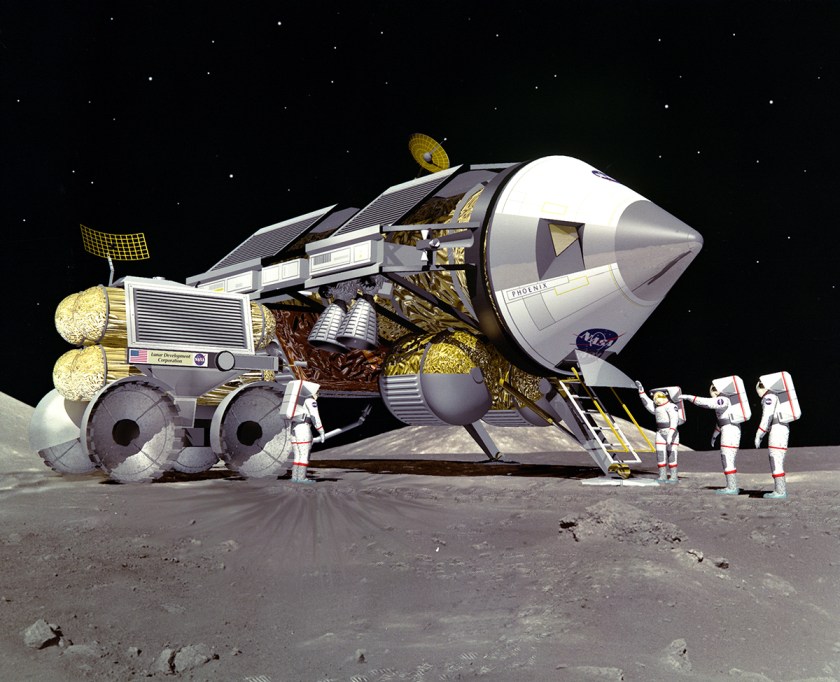
S93-45592 (1993) — (Artist’s concept of possible exploration programs.) The lunar crew refills the propellant tanks on their spacecraft with oxygen produced on the Moon. This allows them to return directly to Earth, reentering the atmosphere in the conical crew module, and touching down at a prepared landing site. This image was produced for NASA by John Frassanito and Associates. Technical concepts from NASA’s Planetary Projects Office (PPO), Johnson Space Center (JSC).

Image credit: John Frassanito and Associates
Image source: NASA Johnson

S93-45583

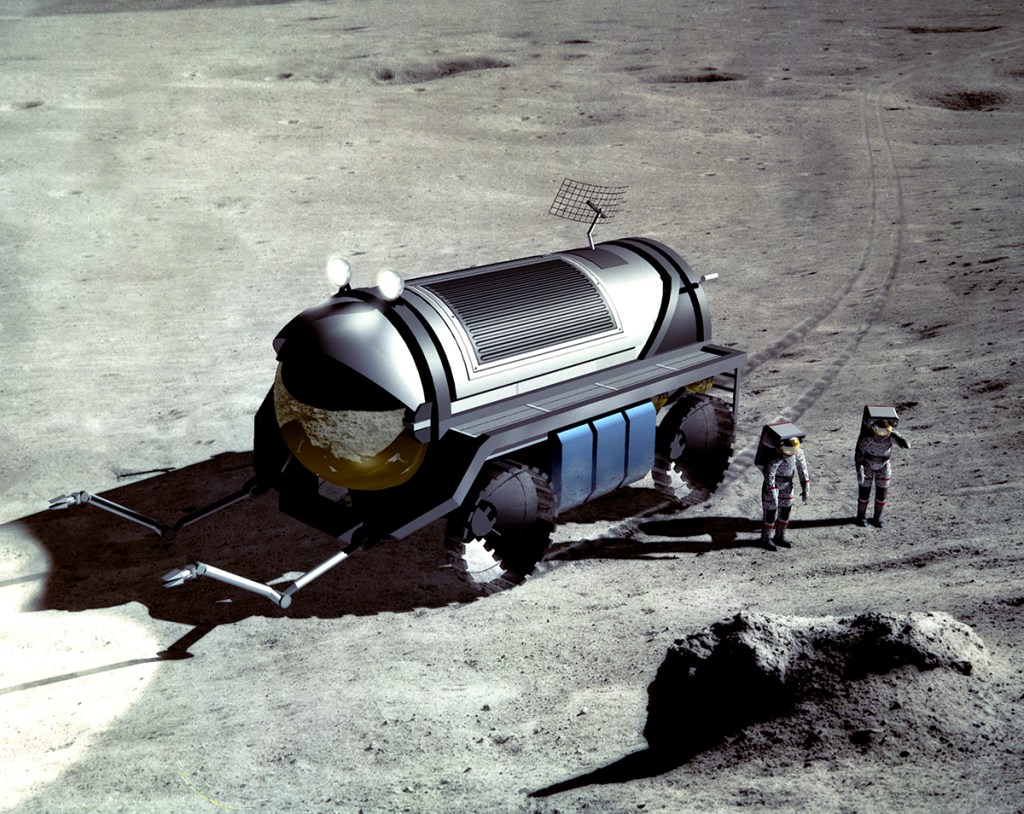
S93-45583 (1993) — (Artist’s concept of possible exploration programs.) Pressurized surface rovers allow lunar explorers to extend their travel capabilities far beyond the limitations imposed by their space suits. The crew can service remote facilities, such as lunar telescopes, and conduct long-range geological traverses. This image was produced for NASA by John Frassanito and Associates. Technical concepts from NASA’s Planetary Projects Office (PPO), Johnson Space Center (JSC).

Image credit: John Frassanito and Associates
Image source: NASA Johnson