255-GRC-1983-C-03832

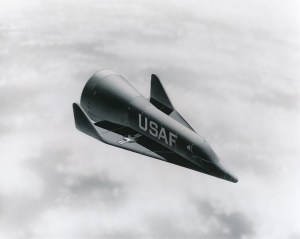
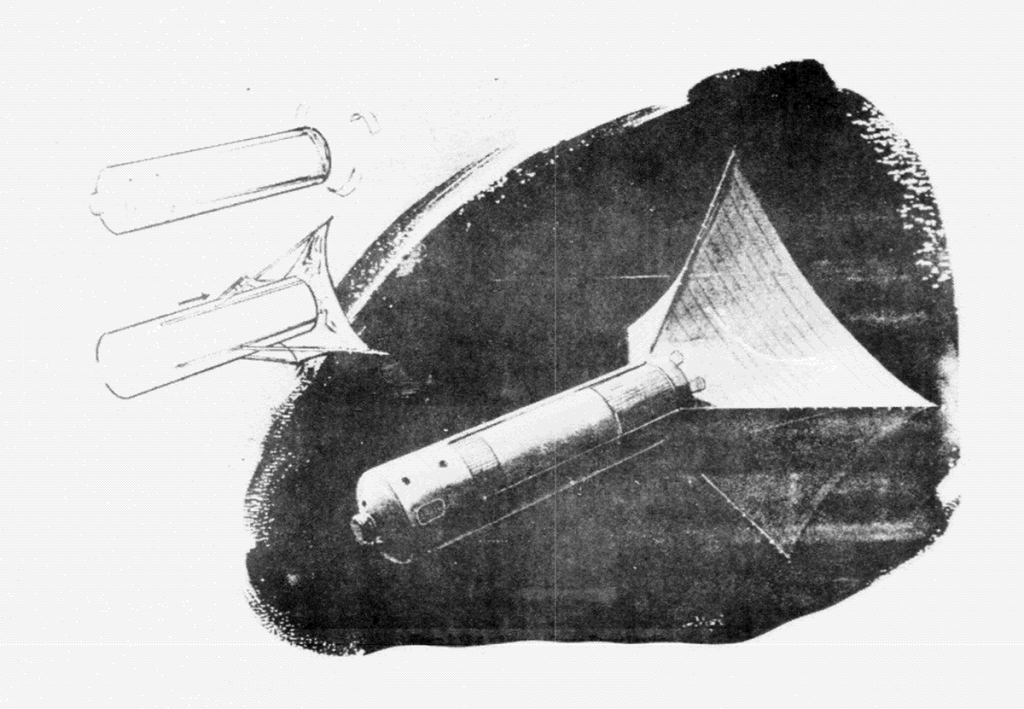
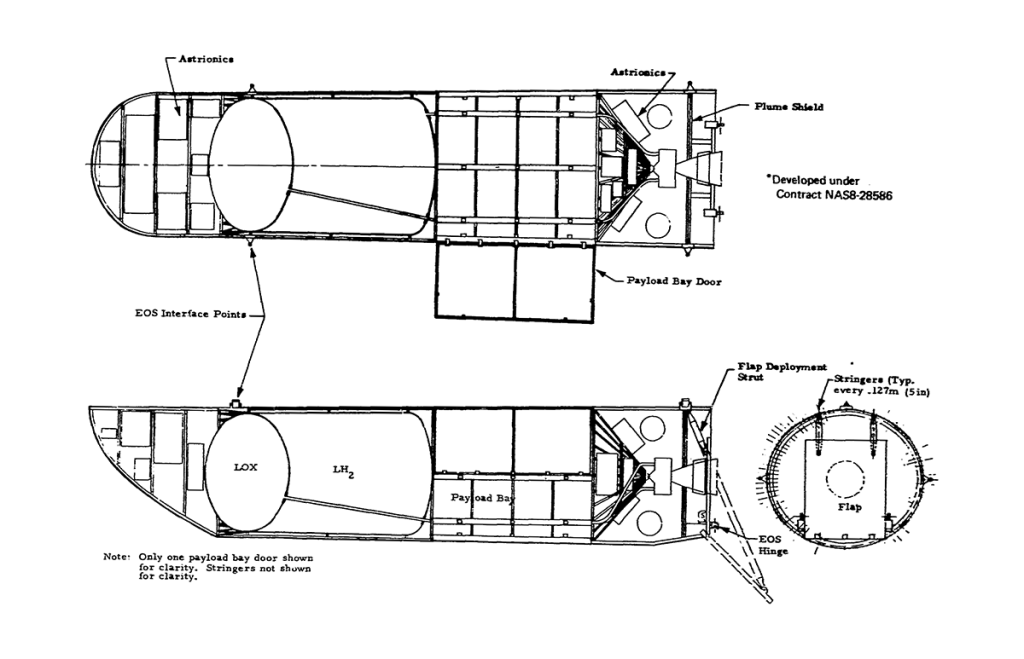
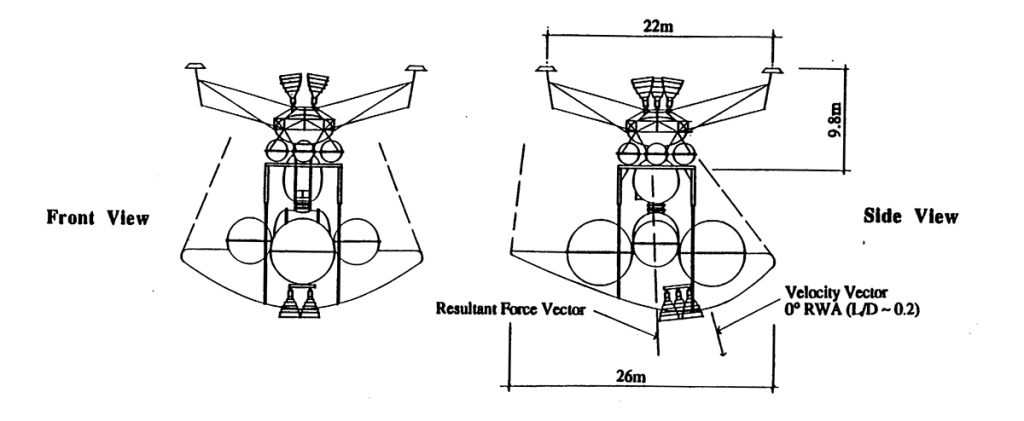
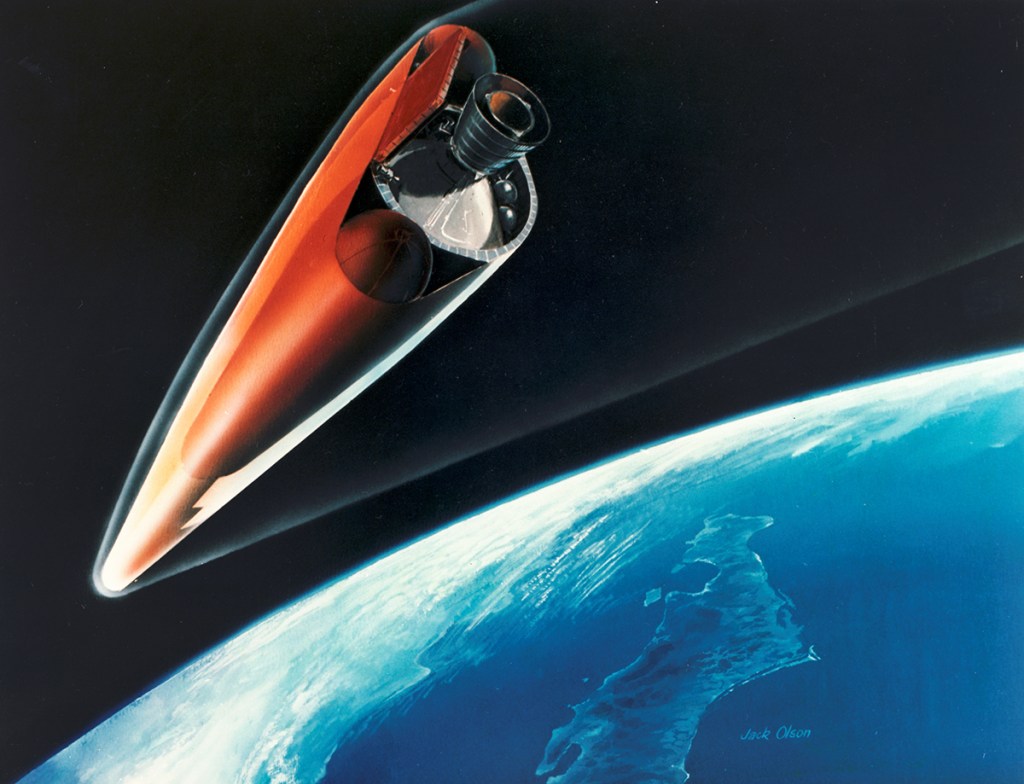
An Aeroassisted Orbital Transfer Vehicle is shown using the Earth’s atmosphere to slow itself down and lift itself into another orbit before returning to the Space Shuttle for reuse. Inflatable wings are located on each side of the core propulsion module and covered by a high temperature heat shield material. The spacecraft payload bay is located in the forward section of the nose cone. Boeing is studying how the atmosphere can be used as a brake for this proposed Air Force spacecraft under contract to the Air Force’s Flight Dynamics Laboratory at Wright-Patterson Air Force Base, Ohio.

BOEING AEROSPACE COMPANY

Image credit: Boeing
Image source: National Archives

Edwards AFB

Image credit: USAF
Image source: AFMC 

Initial Flight Testing

Image credit: USAF
Image source: AFMC 

FSTSA

Selected Plates From:
(NASA-CR-141856)

FUTURE SPACE TRANSPORTATION STUDIES ANALYSIS STUDY, PHASE 1 TECHNICAL REPORT

PROGRAM OPTIONS

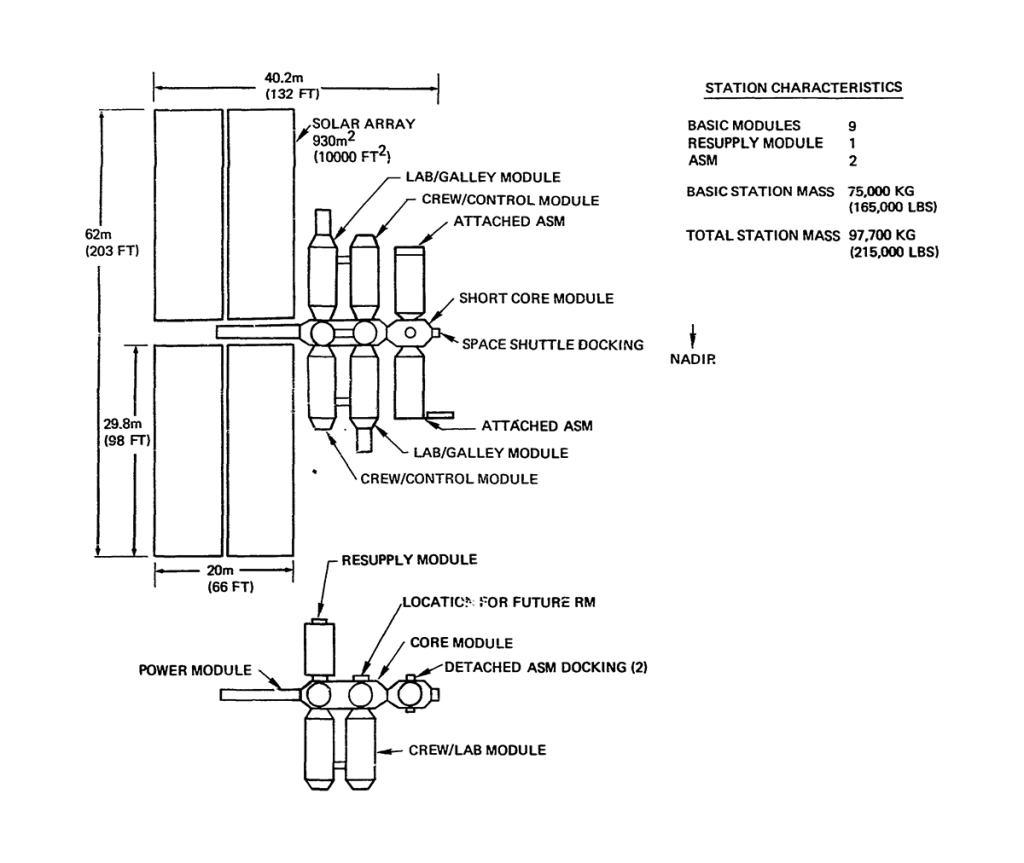
  1. Low Earth Orbit Space Stations
    • 12-man modular or unitary station
    • 60-man space base
  2. Geosynchronous Operations
    • 12-man modular or unitary station
    • Satellite maintenance sortie
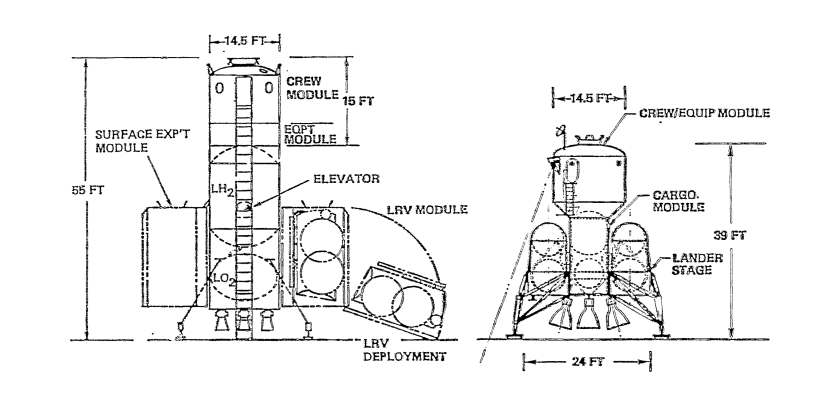
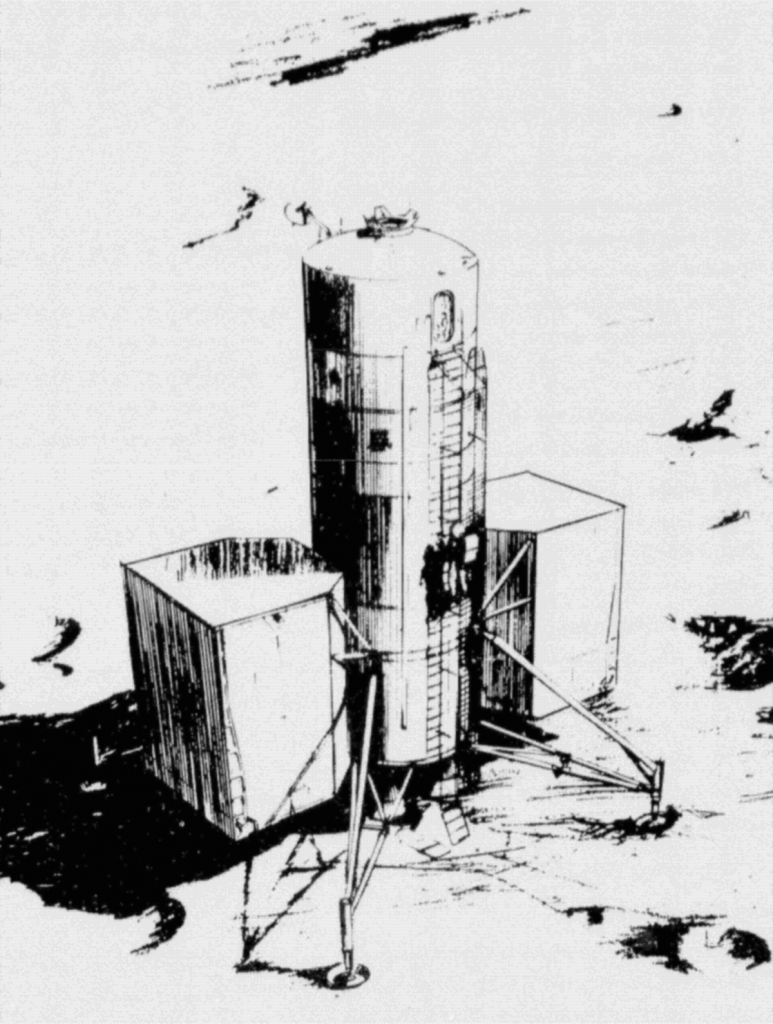
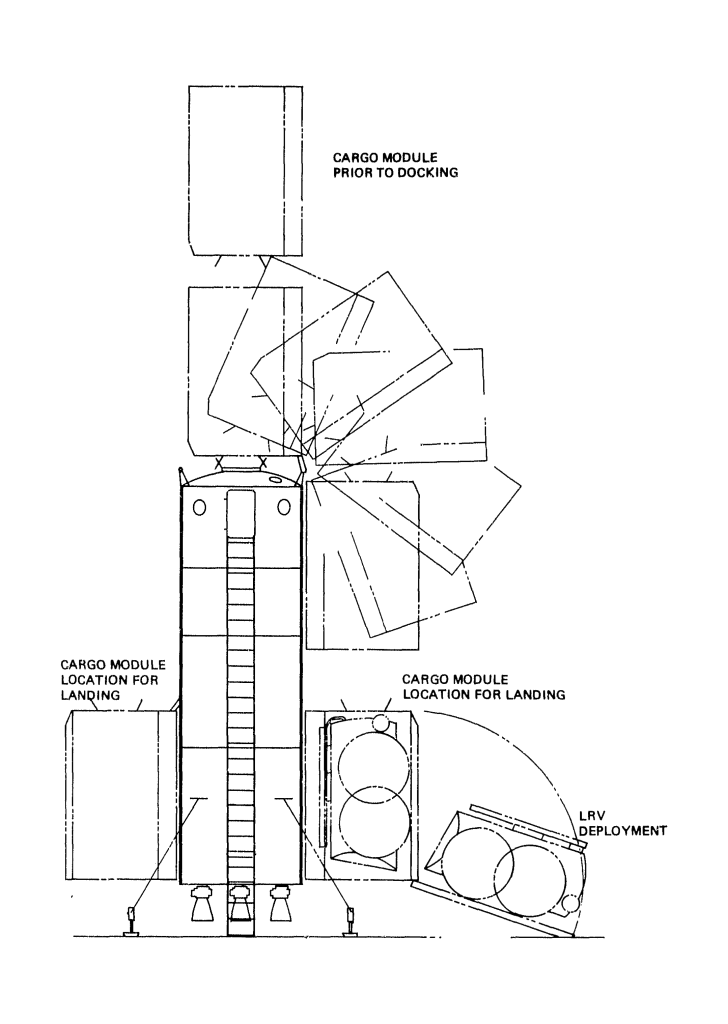
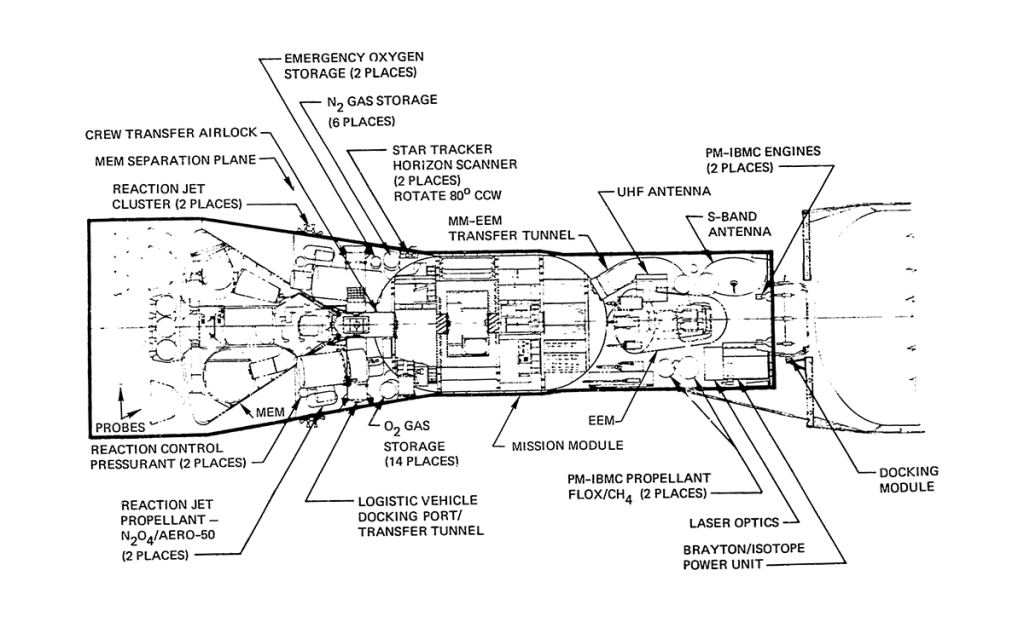
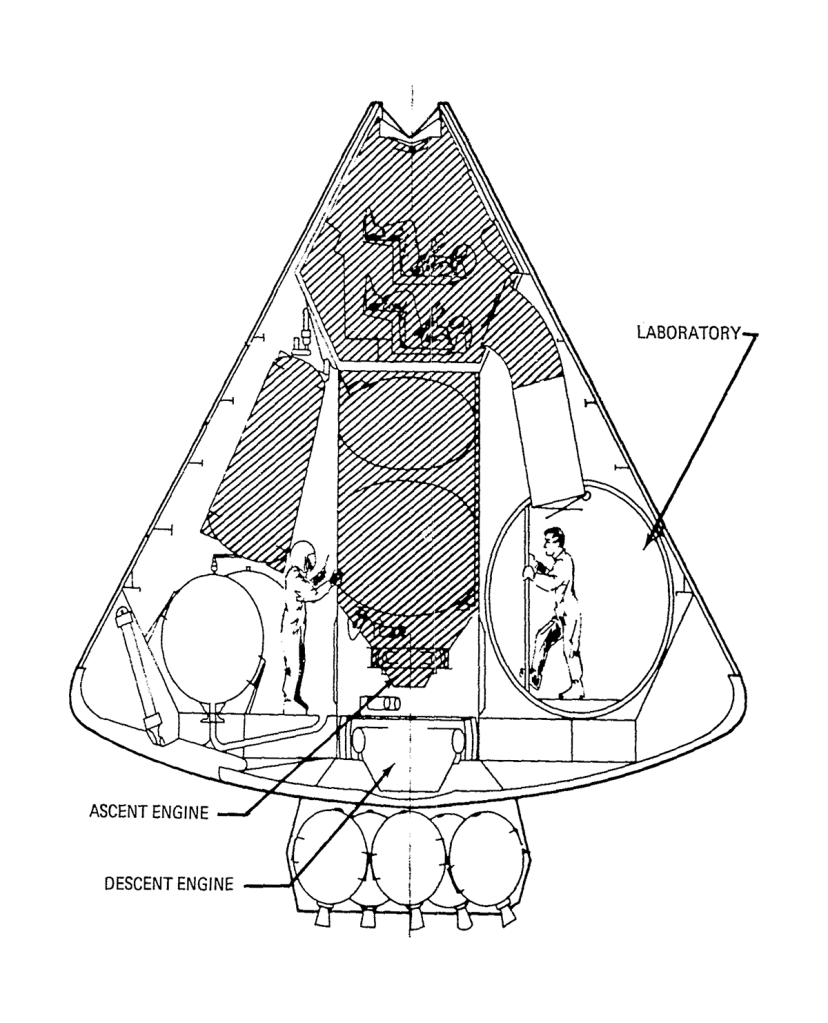
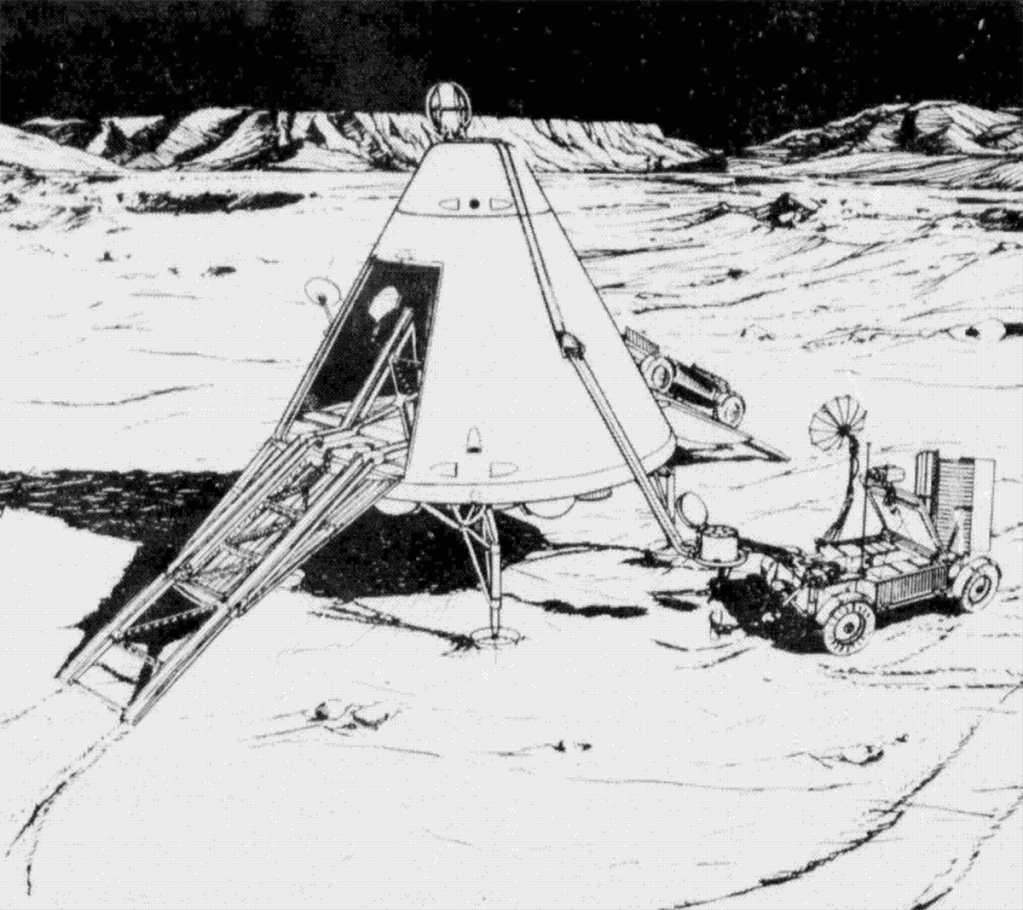
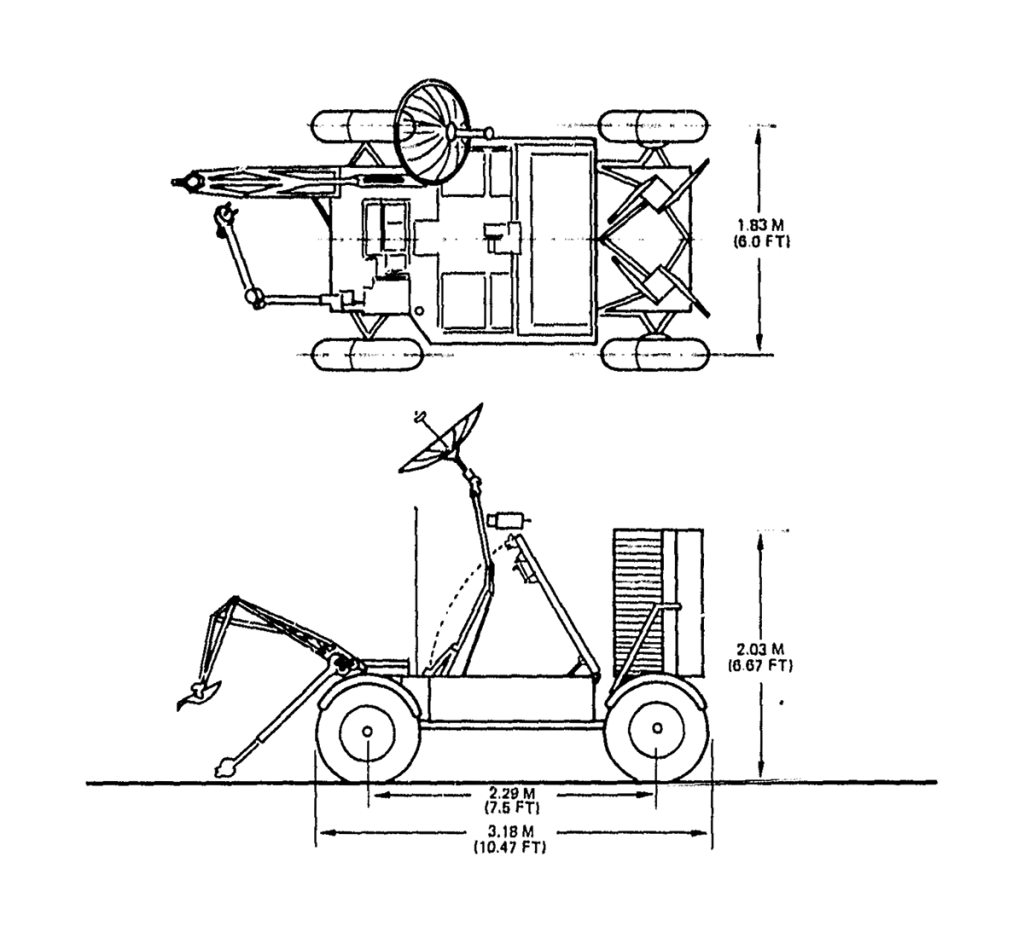
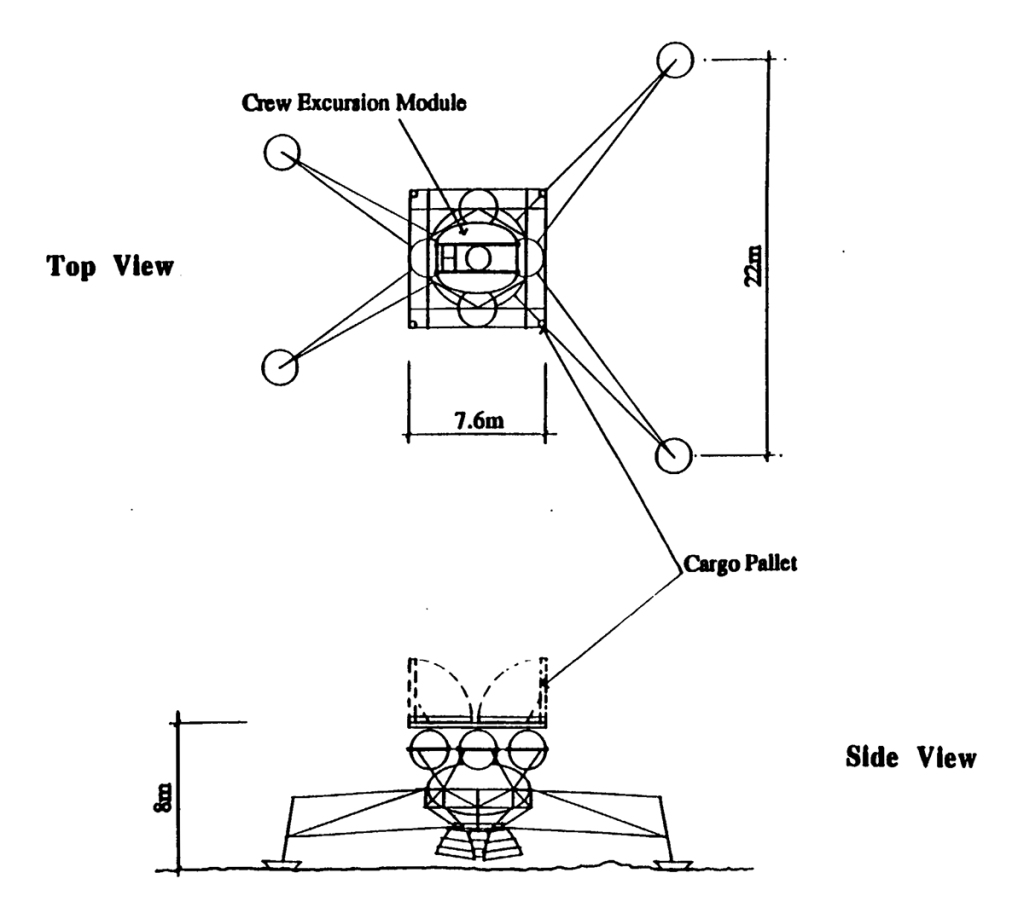
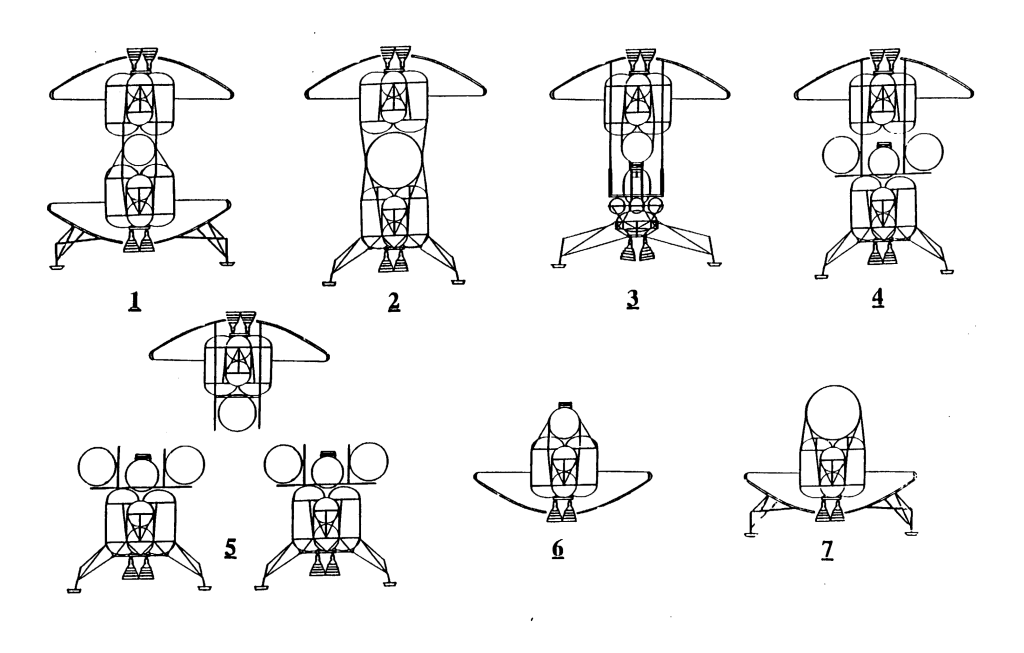
  3. Independent Lunar Surface Sorties
    • 4-man self supporting landing
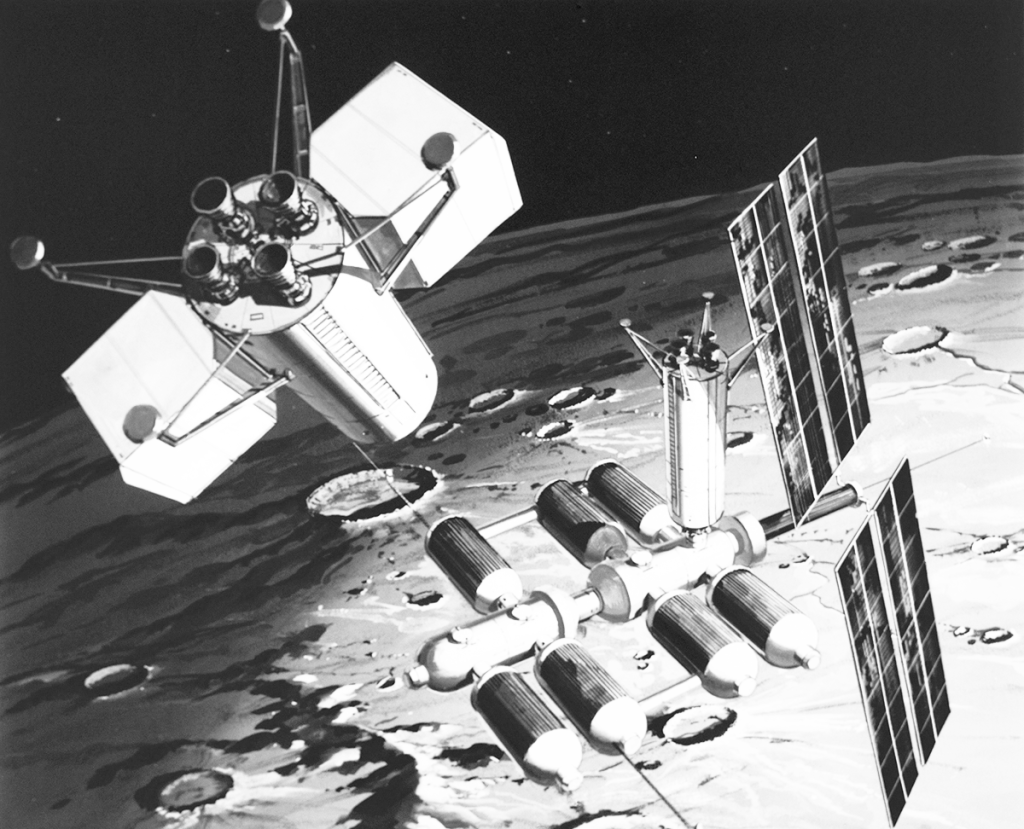
  4. Orbiting Lunar Station
    • 8-man modular or unitary station with surface sortie
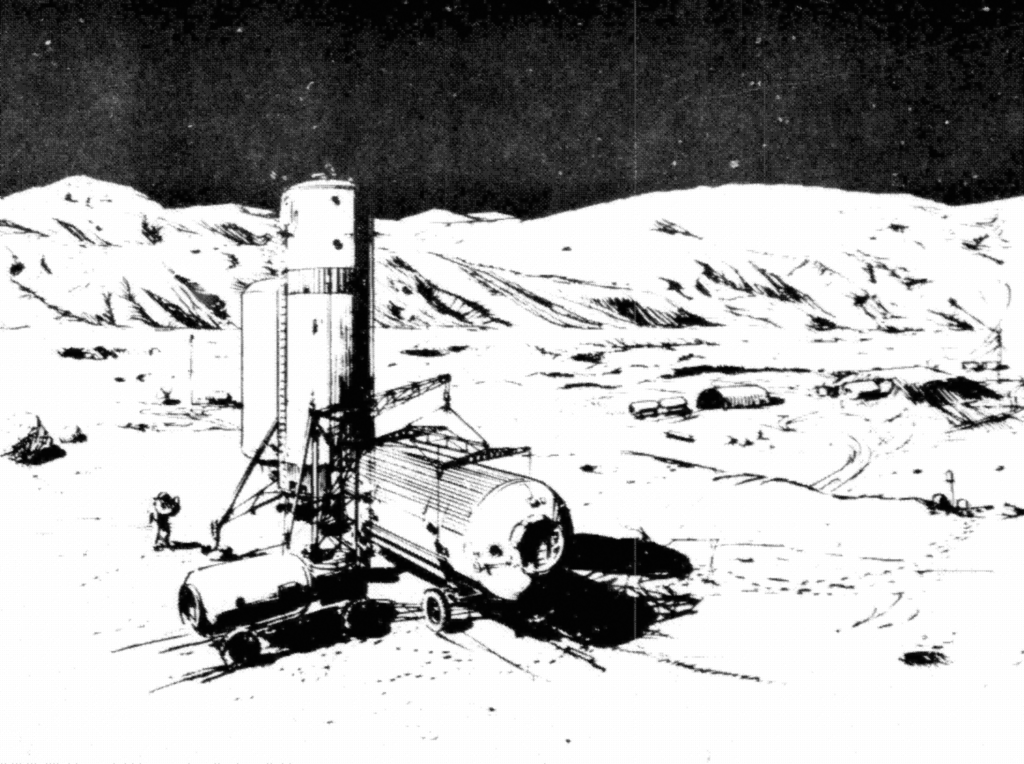
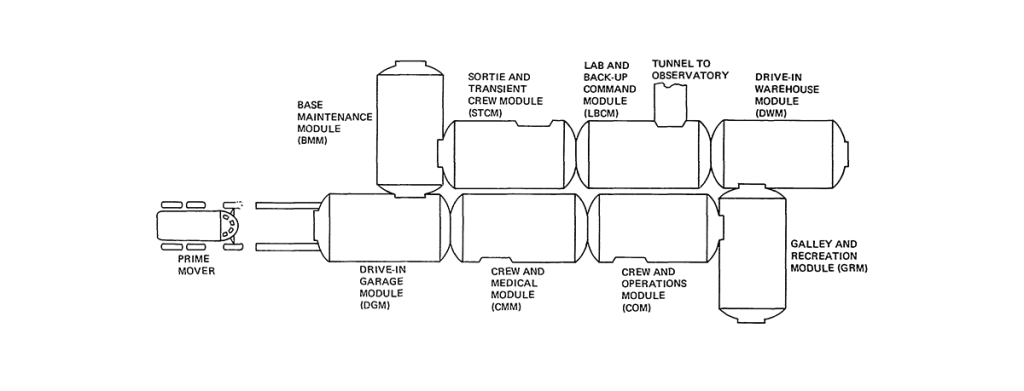
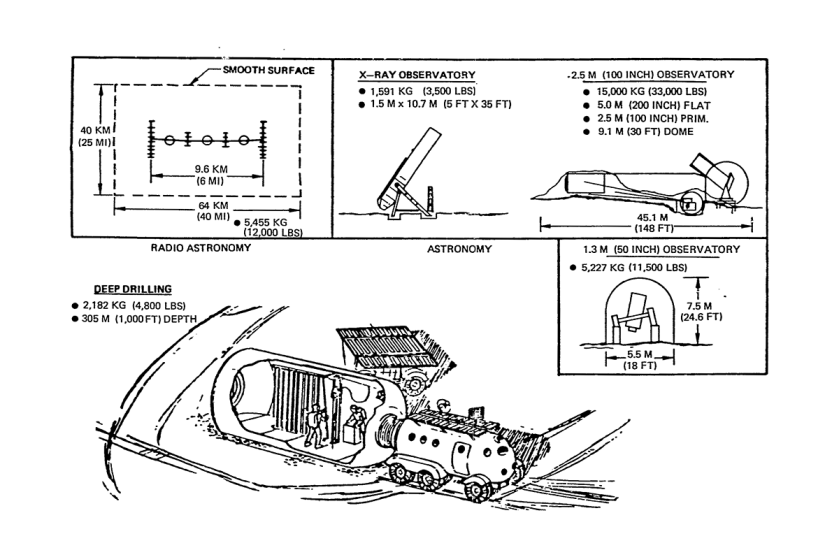
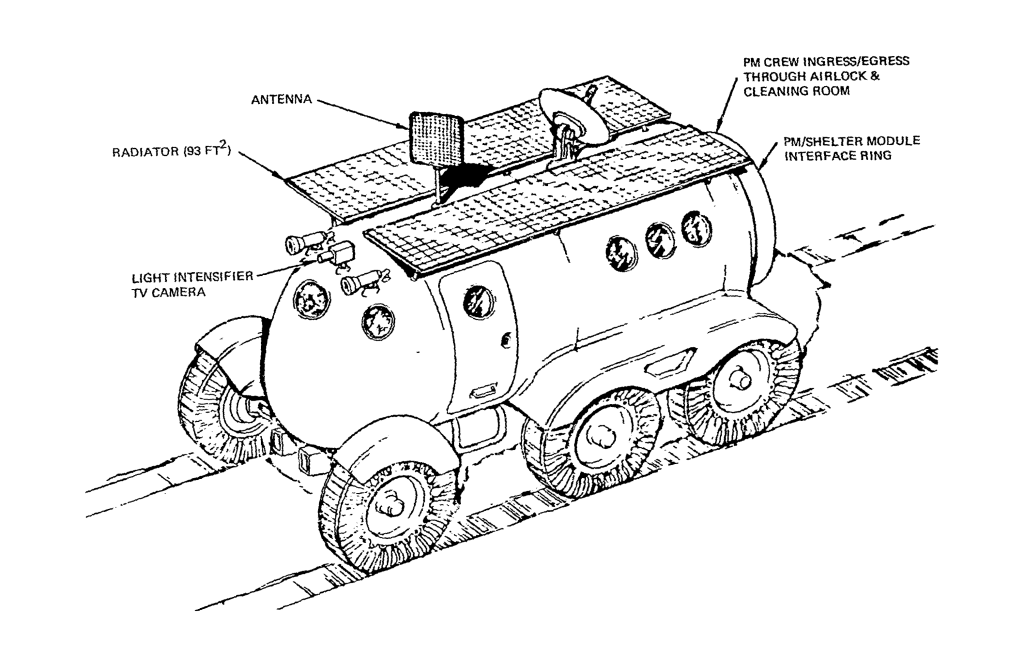
  5. Lunar Surface Base
    • 6-man, 6 month
    • 12 man, semi-permanent
  6. Manned Planetary
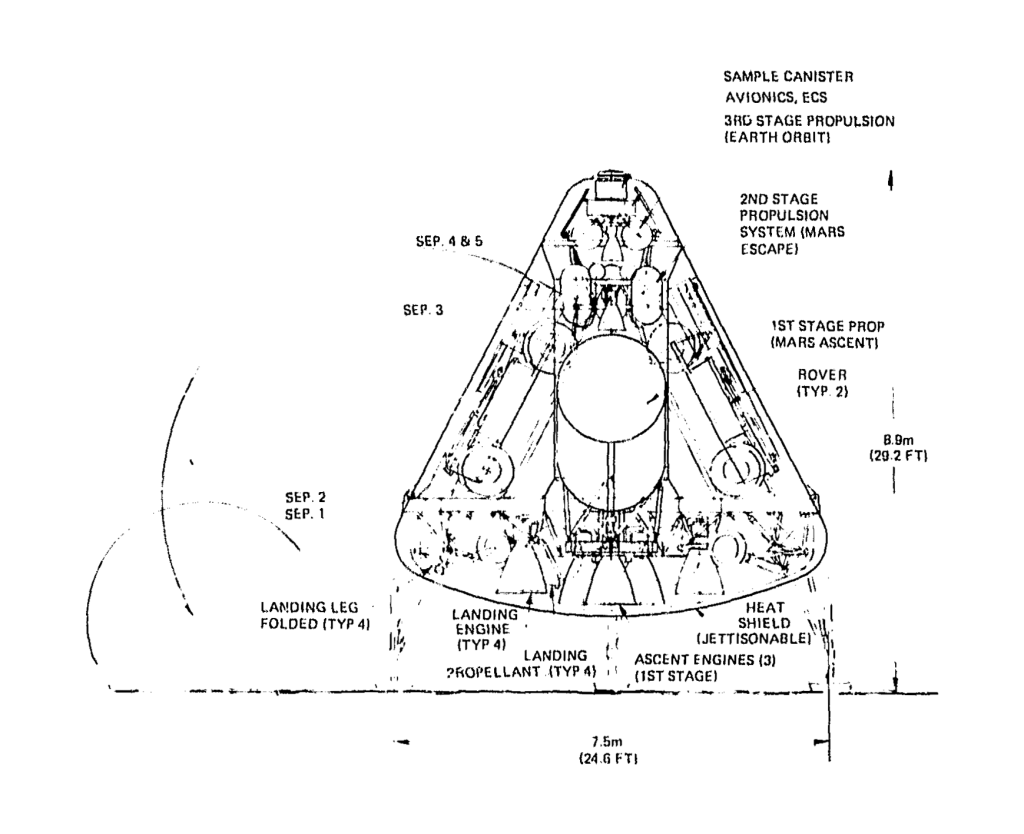
    • Manned Mars landing
      • Opposition
      • Conjunction
      • Venus swing-by
  7. Automated Lunar
    • Orbital observatory
    • Backside lander
    • Relay satellitr
  8. Automated Planetary
    • Mars lander
    • Jupiter atm probe
    • Ganymede lander
  9. Nuclear Waste Disposal
    • Refined waste
    • Total waster
  10. Satellite Energy Systems
    • One-orbit power generation
    • On-orbit power reflectors

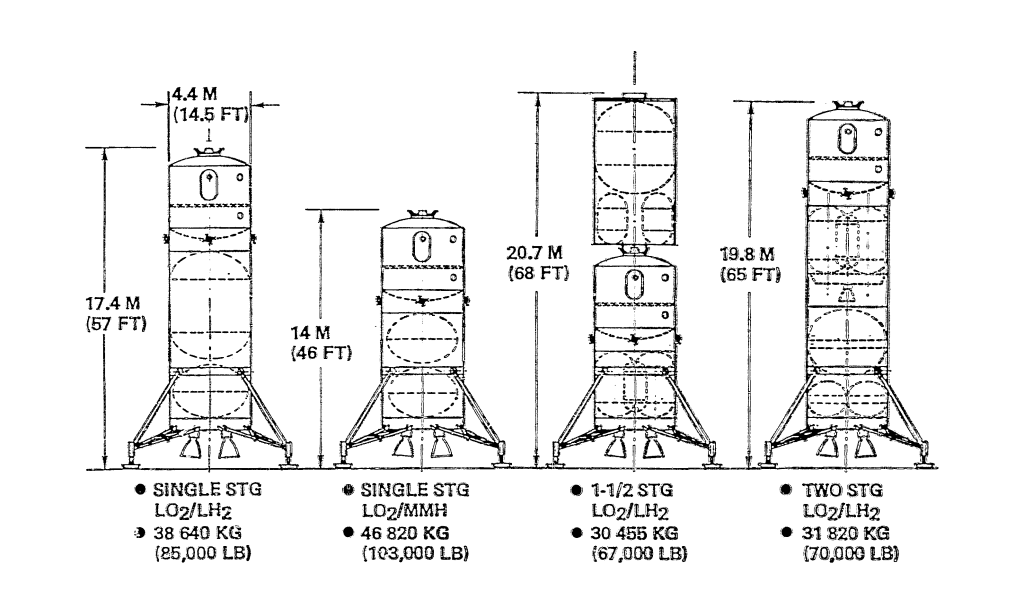
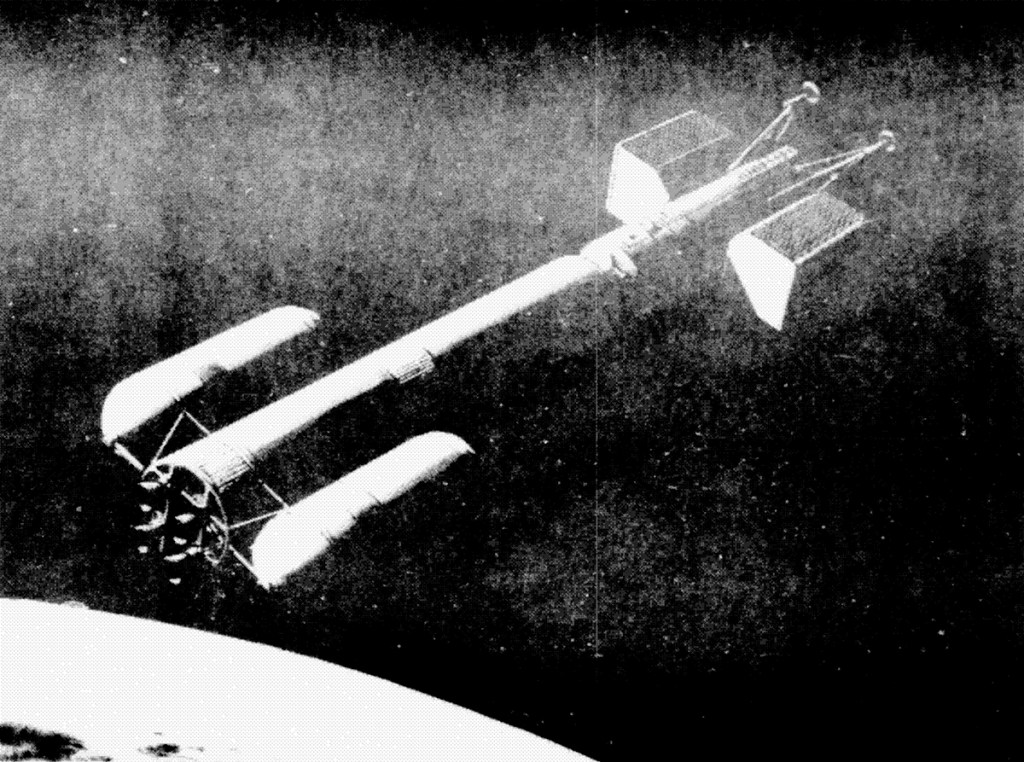
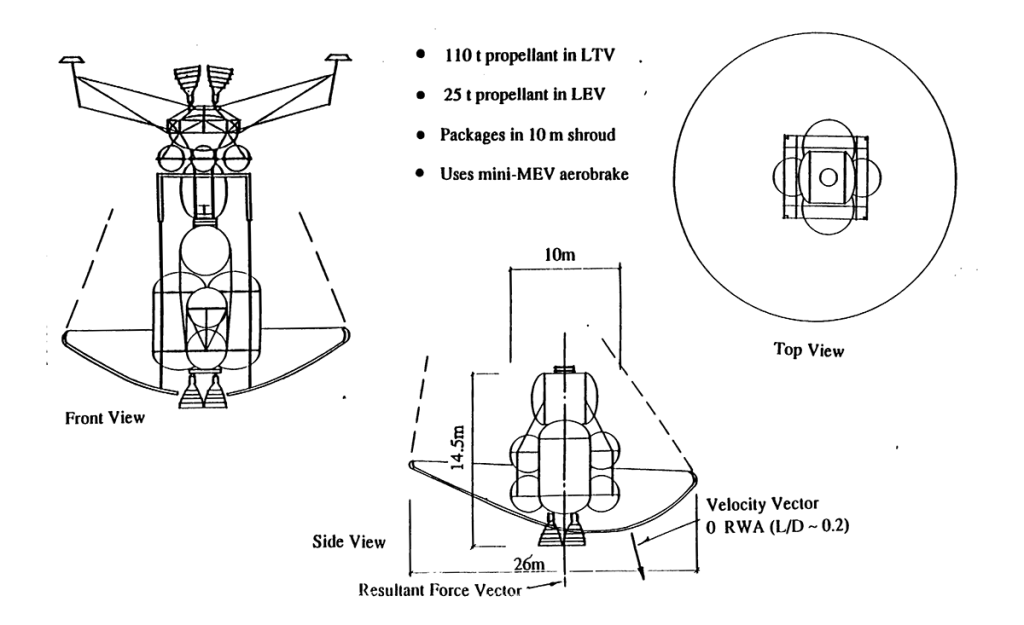
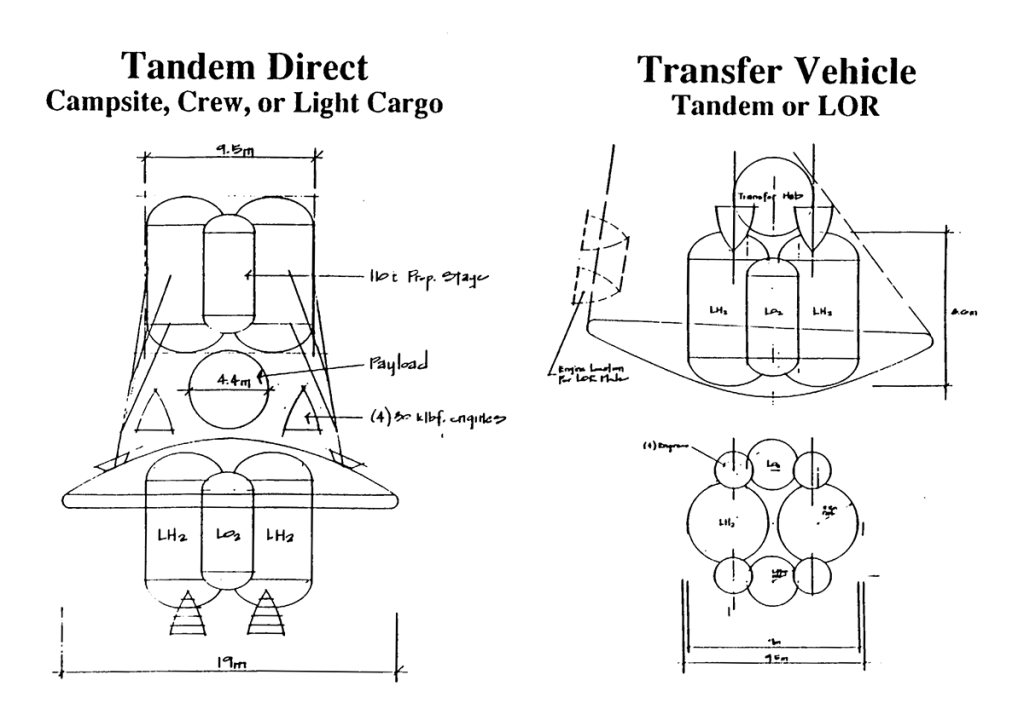
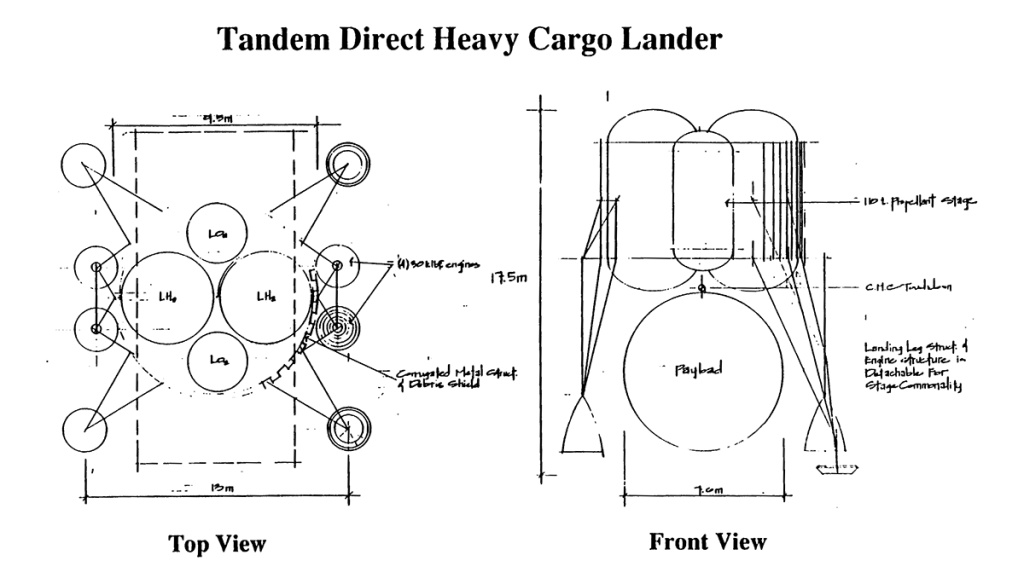
Lunar Transport Vehicles

SHUTTLE COMPATIBLE

LARGE DIAMETER OTV

Earth Orbit Space Stations

Independent Lunar Surface Space Sortie

Transportation System

Orbiting Lunar Station

Lunar Surface Base

Manned Planetary Exploration Program

Automated Planetary Program

Satellite Energy Systems

19750016730

Image credit: Boeing
File source: NASA NTRS