Image credit: Douglas Aircraft Company
Image source: Jenna Sharp
Image credit: Douglas Aircraft Company
Image source: Jenna Sharp
Image credit: Douglas Aircraft Company
Image source: Jenna Sharp
Image credit: Douglas Aircraft Company
Image source: Jenna Sharp
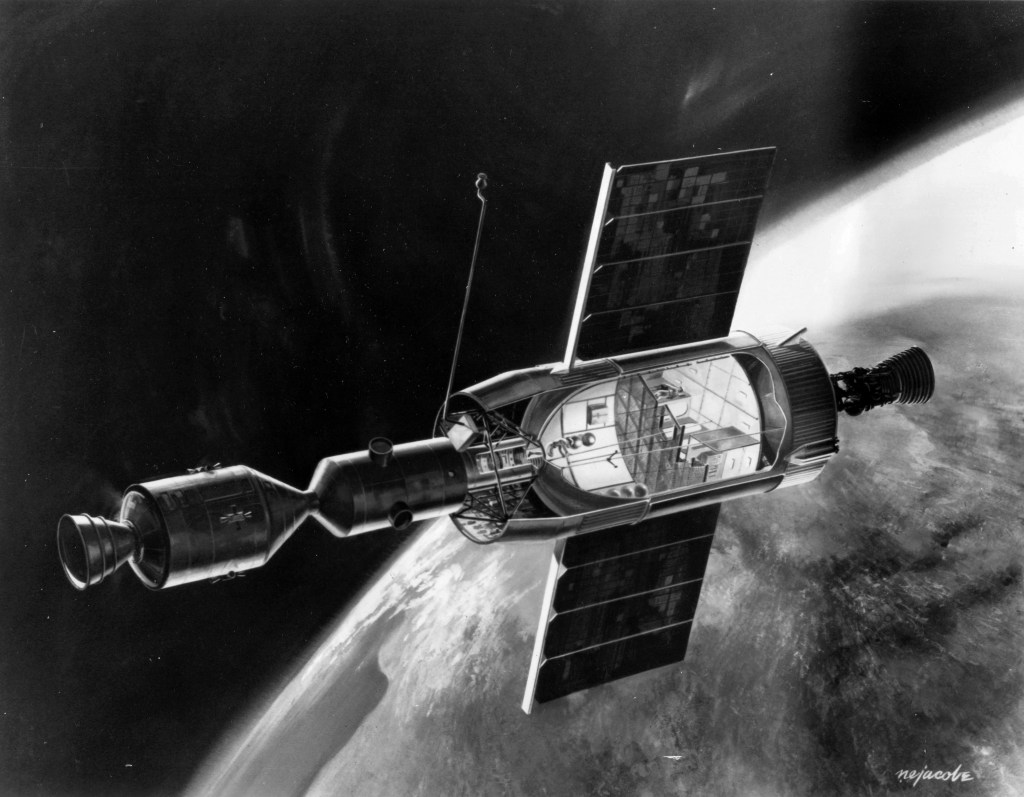
Image credit: Douglas Aircraft Company
Image source: Mike Acs
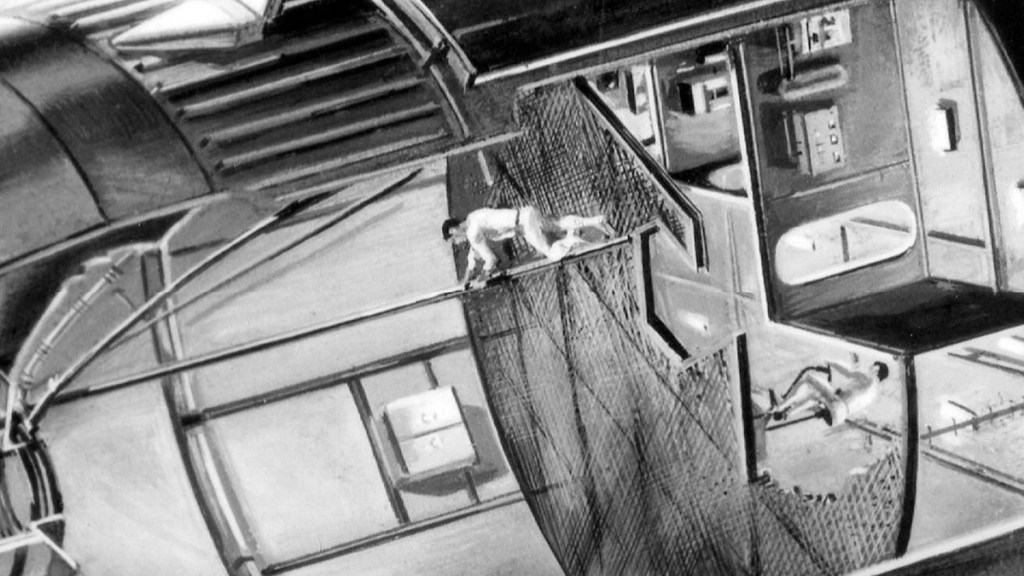
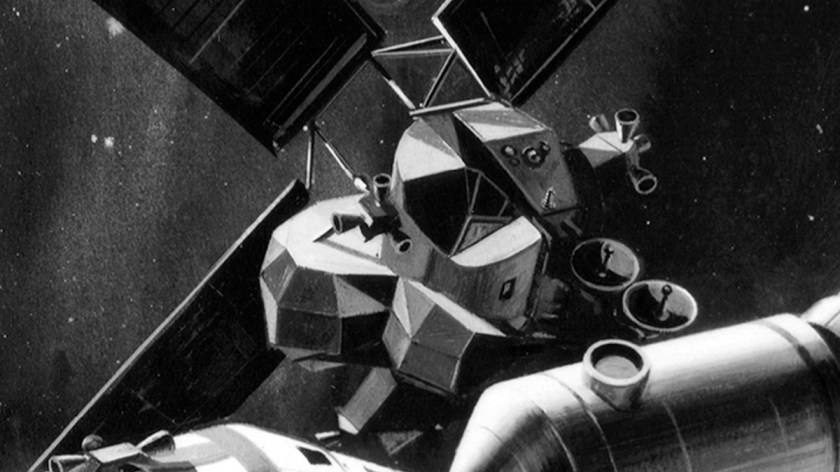
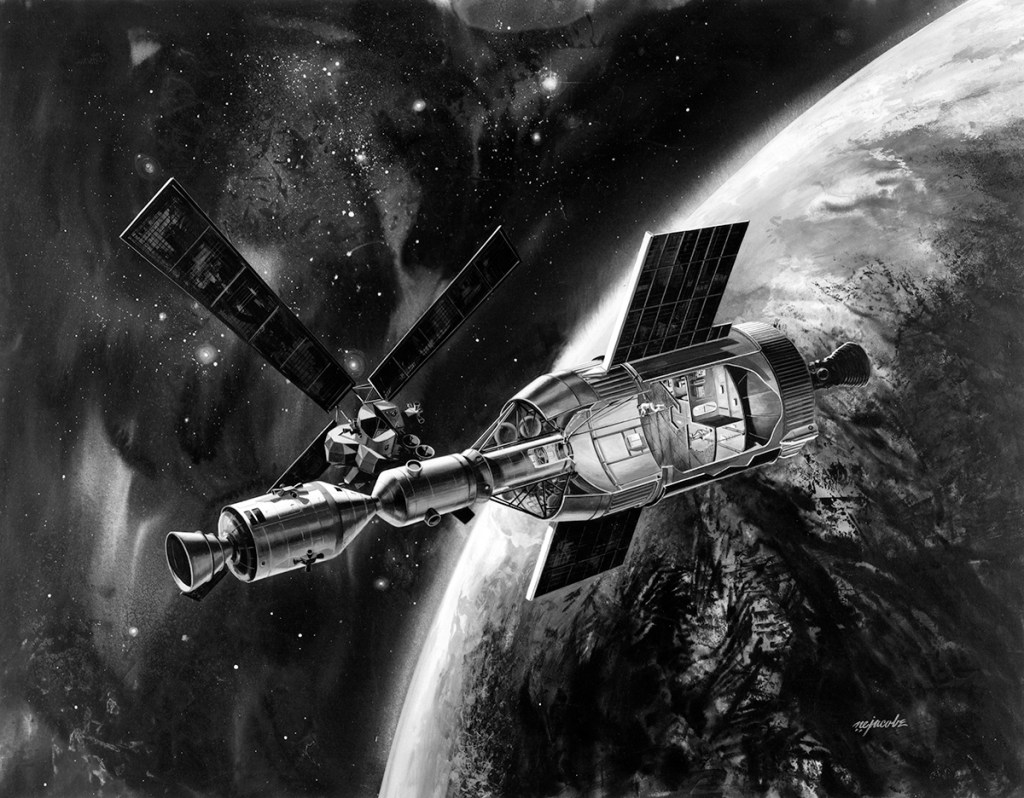
Image credit: Douglas Aircraft Company
Image source: Mike Acs
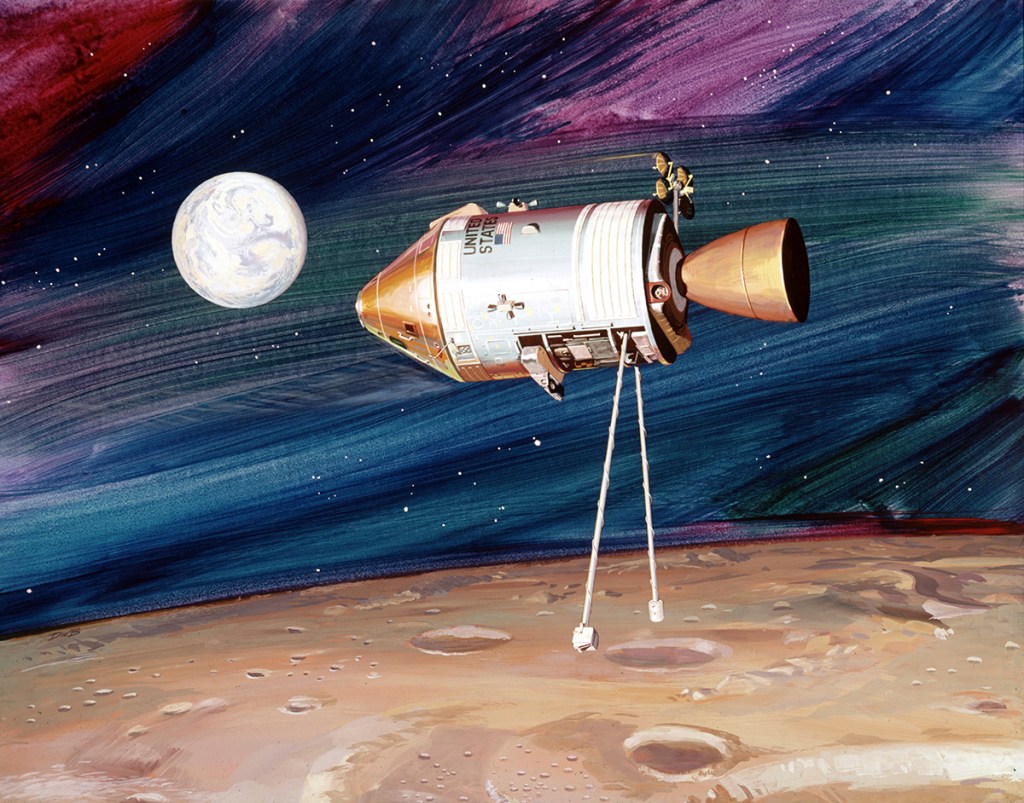
Image credit: NASA
Image source: Drew Granston
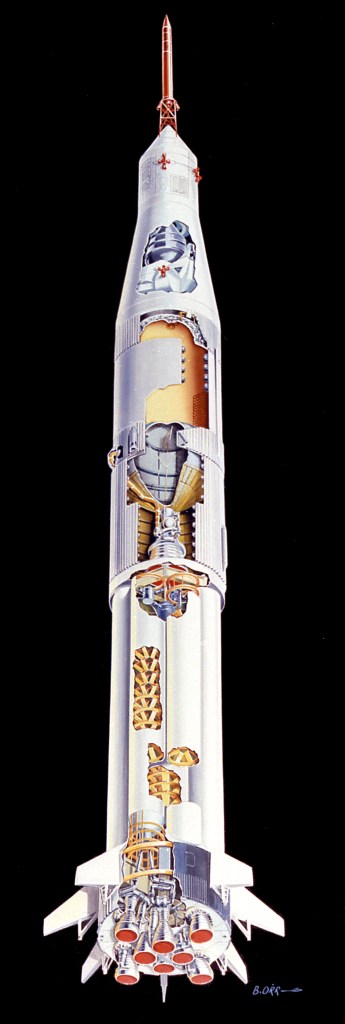
This undated cutaway drawing illustrates the Saturn IB launch vehicle with its two booster stages, the S-IB and S-IVB. Developed by the Marshall Space Flight Center (MSFC) as an interim vehicle in MSFC’s “building block” approach to the Saturn rocket development, the Saturn IB utilized Saturn I technology to further develop and refine the larger boosters and the Apollo spacecraft capabilities required for the marned lunar missions.
Image credit: NASA MSFC
Image source: NASA Images
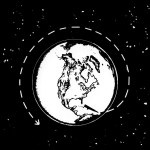
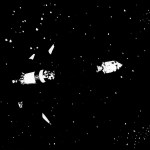
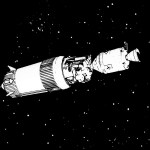
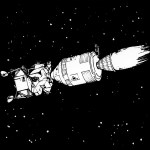
Top Left: Flight Crew Preparation
Top Right: Orbital Insertion
Middle Left: 103 N. Mile Orbit
Middle Right: Separation
Bottom Left: Docking
Bottom Right: Docked SPS Burn
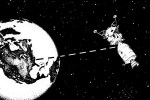
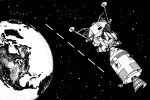
Top Left: Landmark Tracking
Top Right: Pitch Maneuver
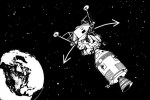
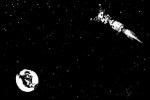
Bottom Left: Yaw-Roll Maneuver
Bottom Right: High Apogee Orbits
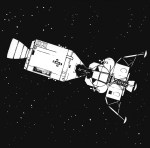
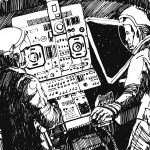
Left: Crew Transfer
Right: LM System Evaluation
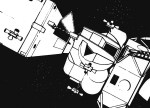
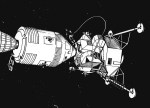
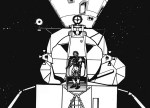

Top Left: Camera
Top Right: Day-Night EVA
Bottom Left: Golden Slippers
Bottom Right: TV – Texas, Florida
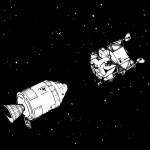
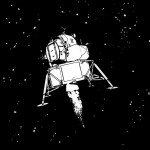
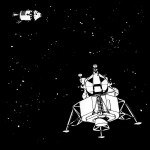
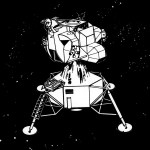
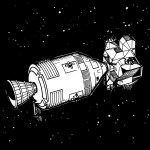
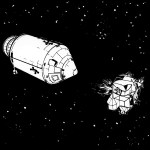
Top Left: Vehicles Undocked
Top Right: Burns For Rendezvous
Middle Left: Maximum Separation
Middle Right: APS Burn
Bottom Left: Formation Flying And Docking
Bottom Right: LM Jettison Ascent Burn
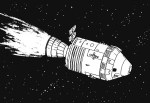
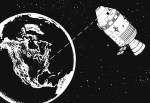
Left: Service Propulsion Burns
Right: Landmark Sightings, Photograph Special Tests
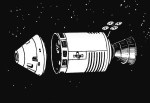
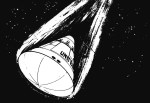
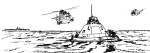
Top Left: CM/SM Separation
Top Right: Re-Entry
Image credit: NASA JSC
Images: NASA Images
Image credit: NASA JSC
Image source: NASA Images
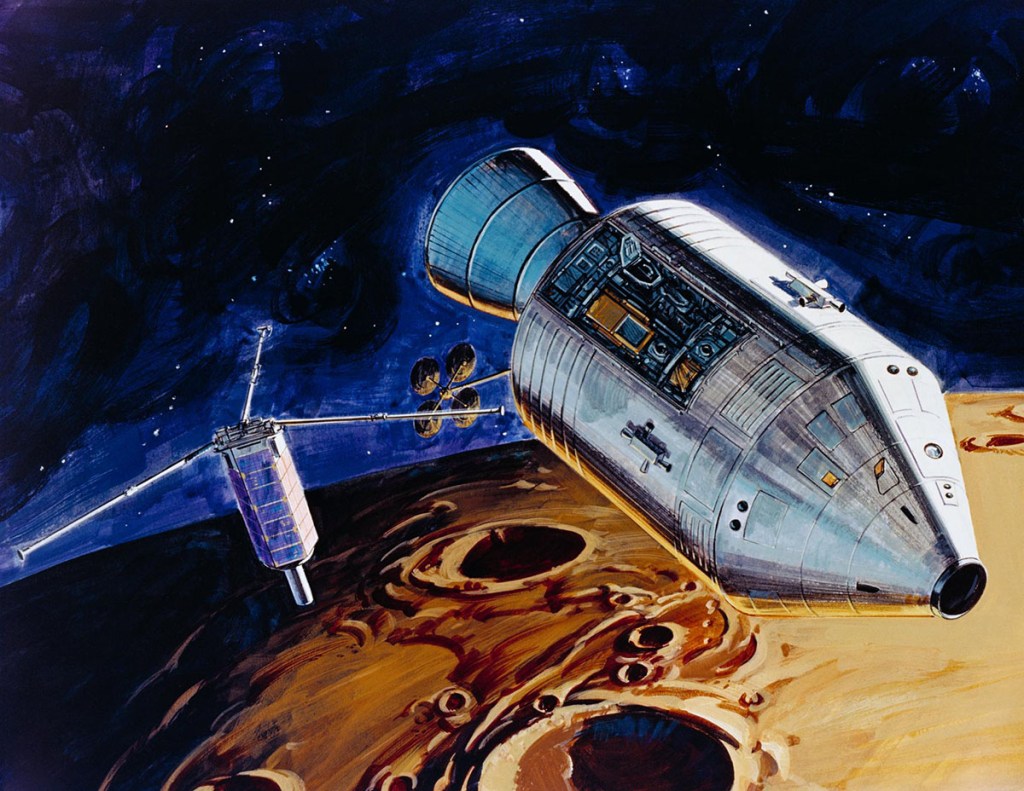
S71-39481 (July 1971) — An artist’s concept showing TRW’s small lunar subsatellite being ejected into lunar orbit from the SIM bay of the Apollo 15 Service Module. The 80-pound satellite will remain in orbit a year or more, carrying scientific experiments to study space in the vicinity of the moon. The satellite carries three experiments: S-Band Transponder; Particle Shadows/Boundary Layer Experiment; and Subsatellite Magnetometer Experiment. The subsatellite is housed in a container resembling a rural mailbox, and when deployed is spring-ejected out-of-plane at 4 fps with a spin rate of 140 rpm. After the satellite booms are deployed, the spin rate is stabilized at about 12 rpm. The subsatellite is 31 inches long and has a 14 inch hexagonal diameter. The exact weight is 78.5 pounds. The folded booms deploy to a length of five feet. Subsatellite electrical power is supplied by a solar cell array outputting 25 watts for dayside operation and a rechargeable silver-cadmium battery for nightside passes.
Image credit: NASA JSC
Image source: NASA Images