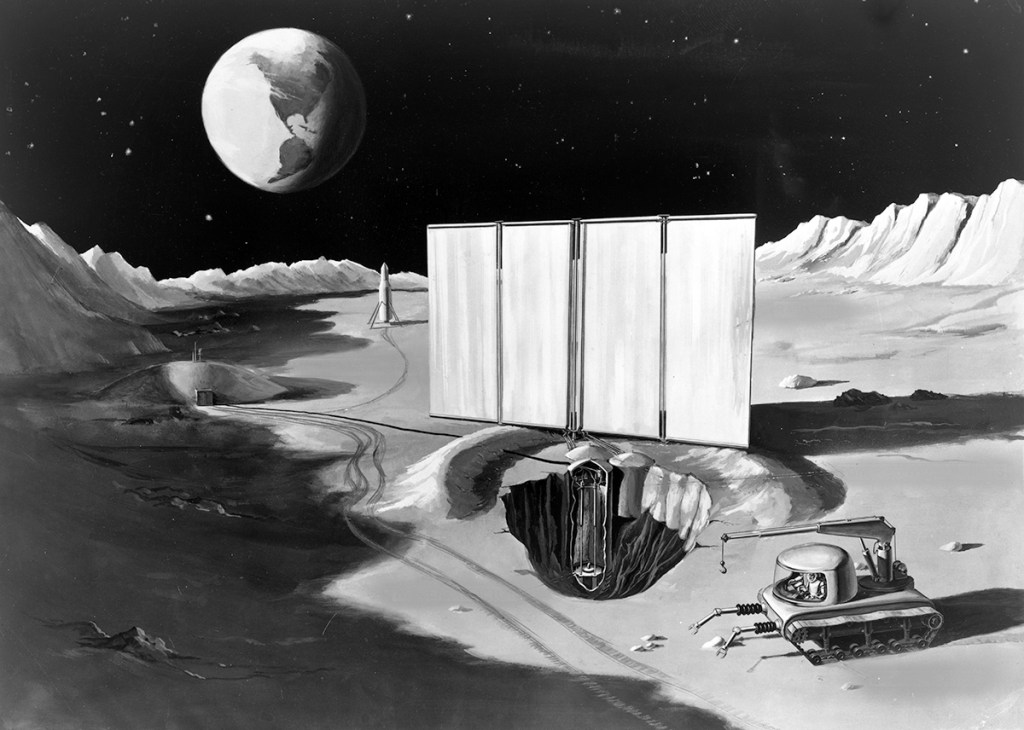
Image credit: AEC
Image source: National Archives
Image credit: AEC
Image source: National Archives
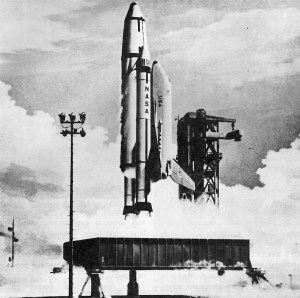
The space shuttle is launched from Cape Kennedy in this artist’s concept by Lockheed Missiles & Space Co. Firing at the same time as the two solid-propellant boosters are the liquid-fueled engines of the orbiter, right. The two solid boosters will be jettisoned next, and the orbiter will continue into orbit.
Space World
November 1972, VOL. I-11-107
Image credit: Lockheed
Image source: Numbers Station
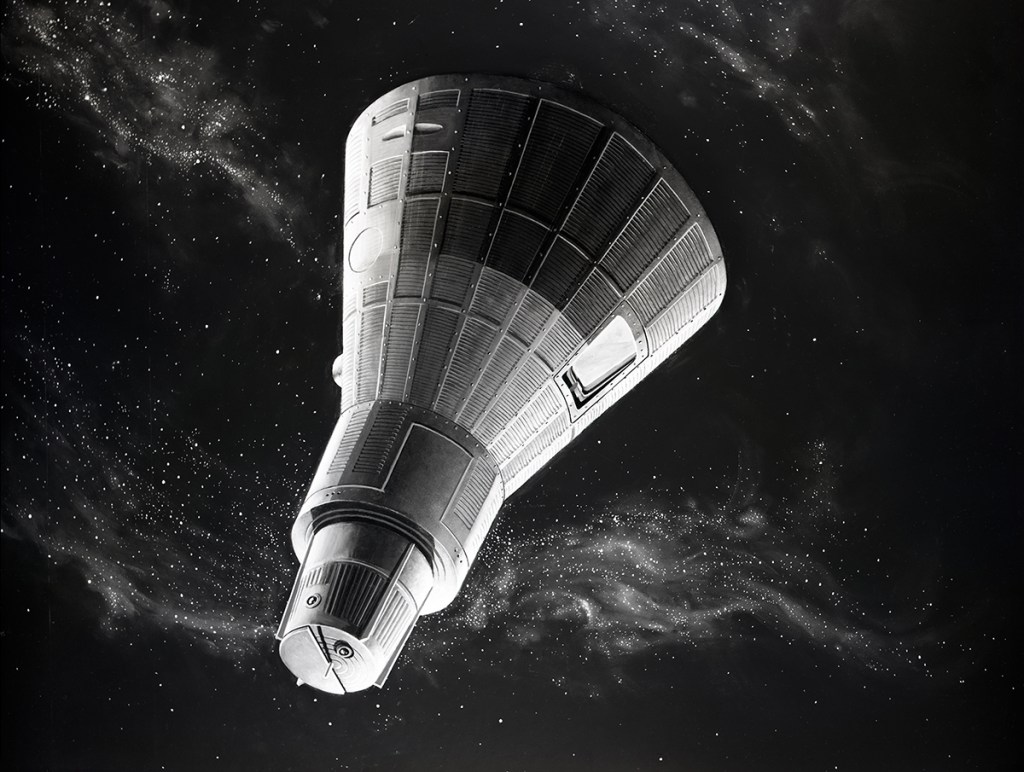
Image credit: McDonnell
Image source: National Archives
Image credit: Convair
Image source: SDASM Archives

Image credit: NASA GRC
Image source: National Archives
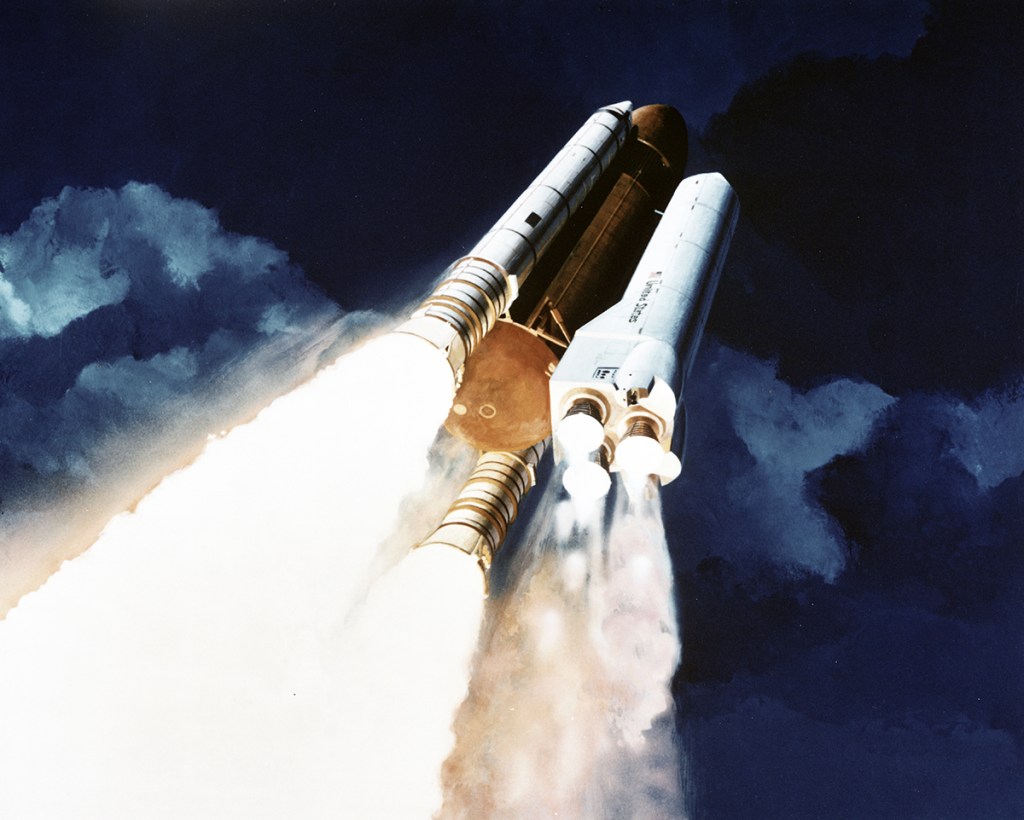
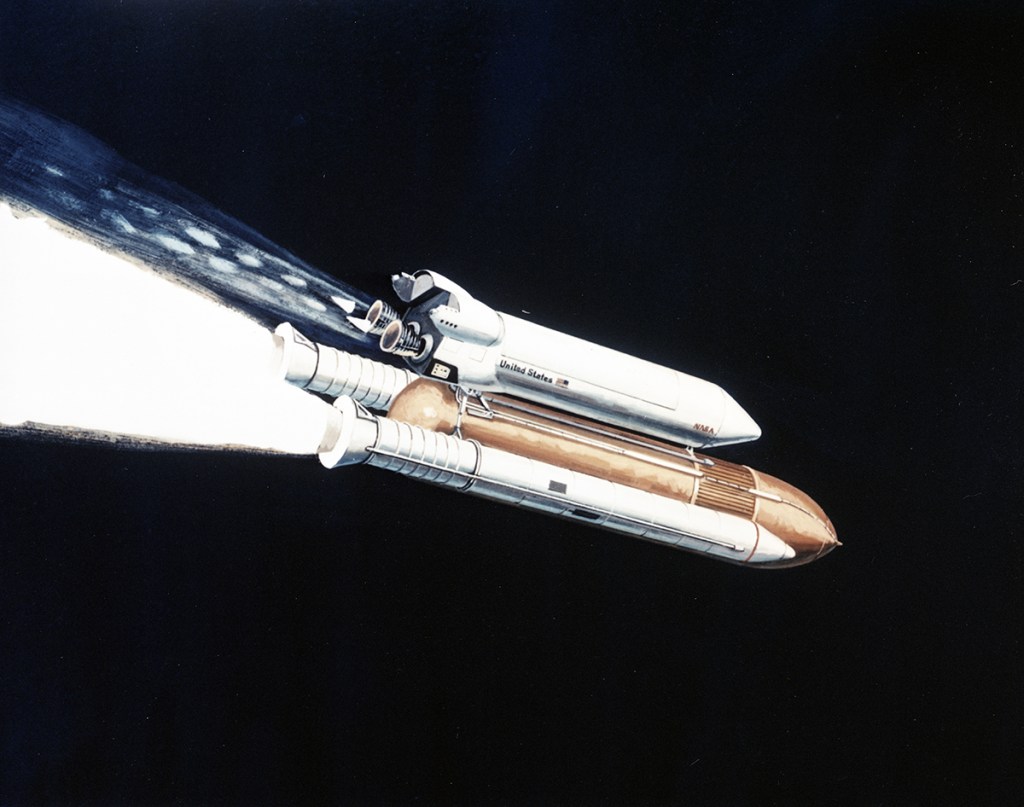
Image credit: NASA GRC
Image source: National Archives
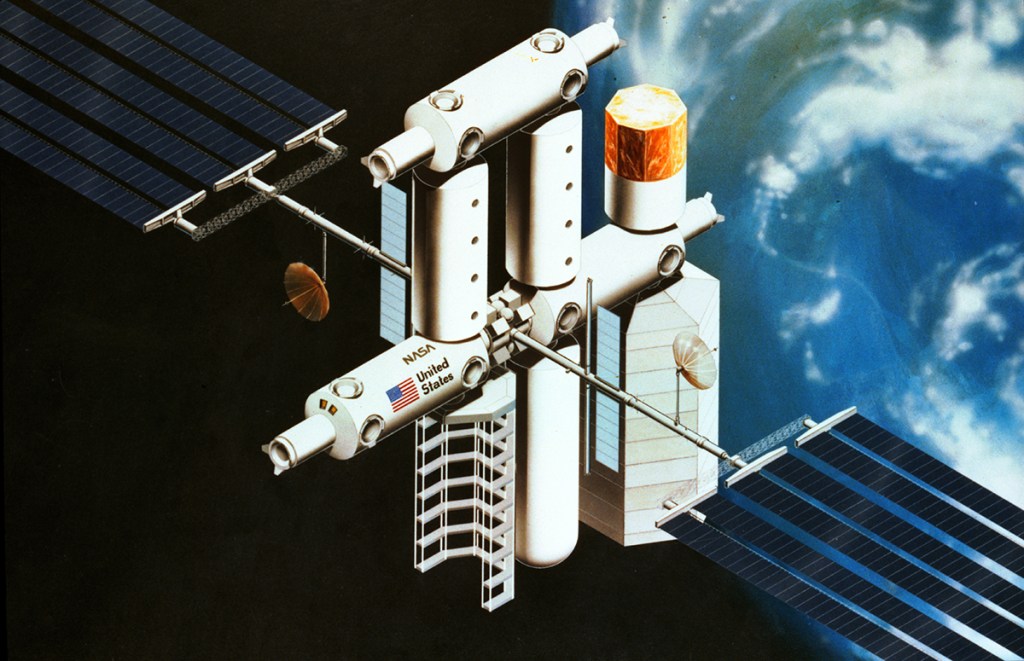
Image credit: NASA GRC
Image source: National Archives

Image credit: NASA GRC
Image source: National Archives
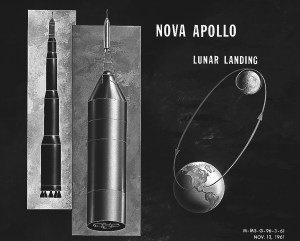
This artist’s concept illustrates the Module Nova concept – Solid C-3 Basis. From 1960 to 1962, the Marshall Space Flight Center considered the Nova launch vehicle as a means to achieve a marned lunar landing with a direct flight to the Moon. Various configurations of the vehicle were examined. The latest configuration was a five-stage vehicle using eight F-1 engines in the first stage. Although the program was canceled after NASA planners selected the lunar/orbital rendezvous mode, the proposed F-1 engine would eventually be used in the Apollo Program to propel the first stage of the Saturn V launch vehicle.
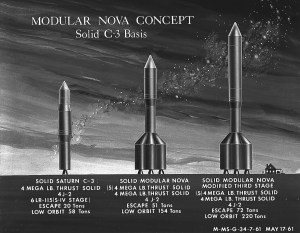
This artist’s concept illustrates the Module Nova concept – Solid C-3 Basis. From 1960 to 1962, the Marshall Space Flight Center considered the Nova launch vehicle as a means to achieve a marned lunar landing with a direct flight to the Moon. Various configurations of the vehicle were examined. The latest configuration was a five-stage vehicle using eight F-1 engines in the first stage. Although the program was canceled after NASA planners selected the lunar/orbital rendezvous mode, the proposed F-1 engine would eventually be used in the Apollo Program to propel the first stage of the Saturn V launch vehicle.
Image credit: NASA MSFC
Image source: NASA Images
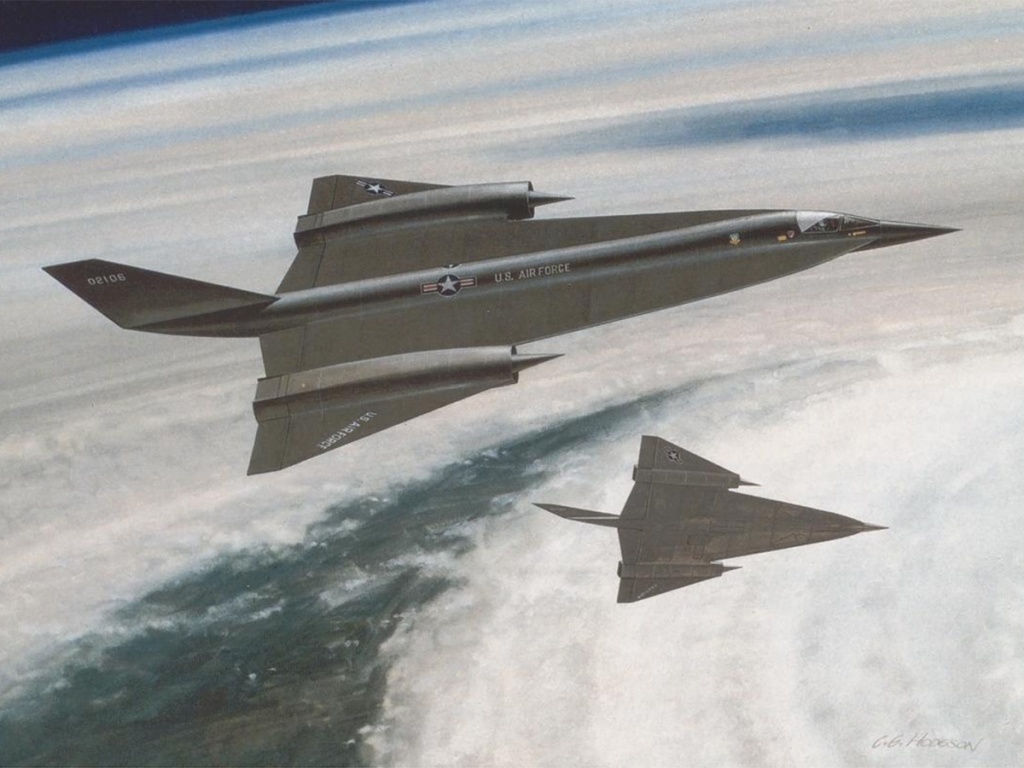
A Lockheed concept for the advanced tactical fighter (ATF) aircraft.
Lockheed Horizons, Number 17, February 1985
Image credit: Lockheed Martin
Image source: The Portal to Texas History
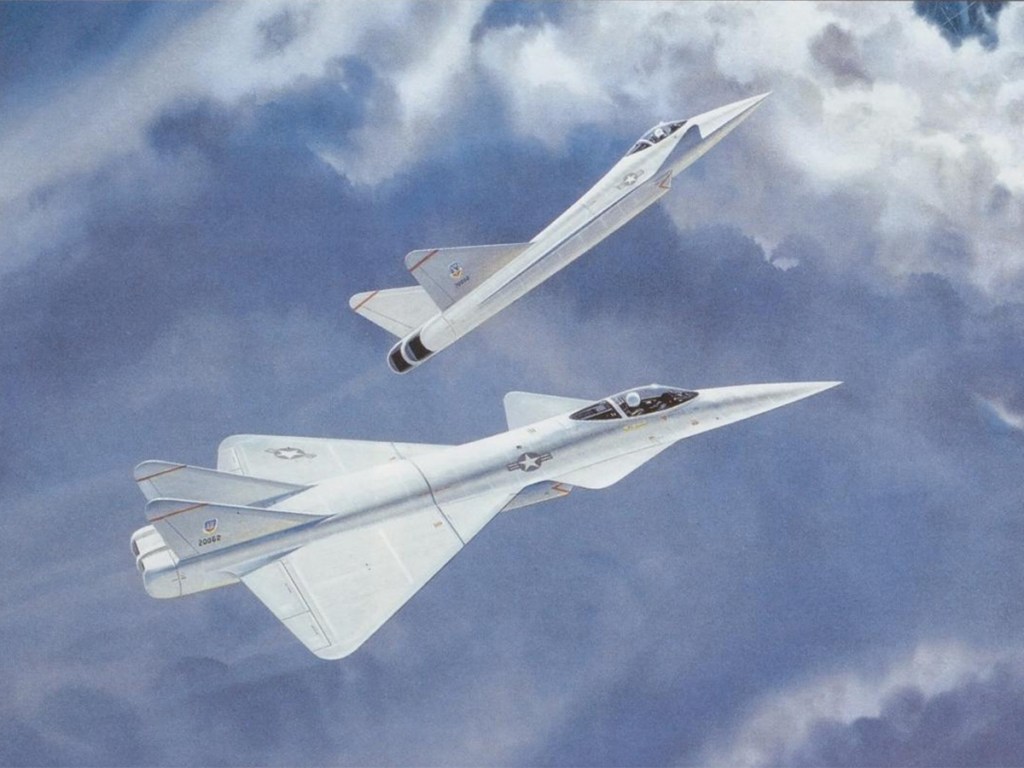
Lockheed Horizons, Number 18, June 1985
Image credit: Lockheed Martin
Image source: The Portal to Texas History
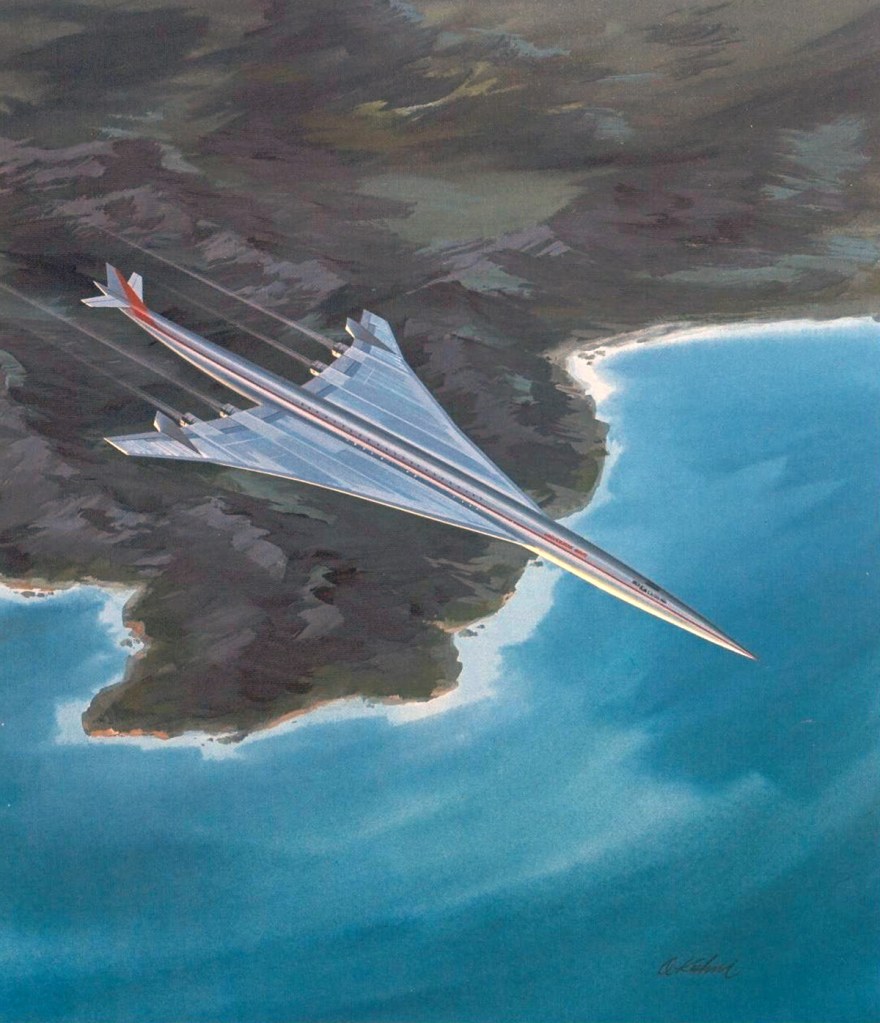
Lockheed Horizons, Number 14, 1983
Image credit: Lockheed Martin
Image source: The Portal to Texas History
