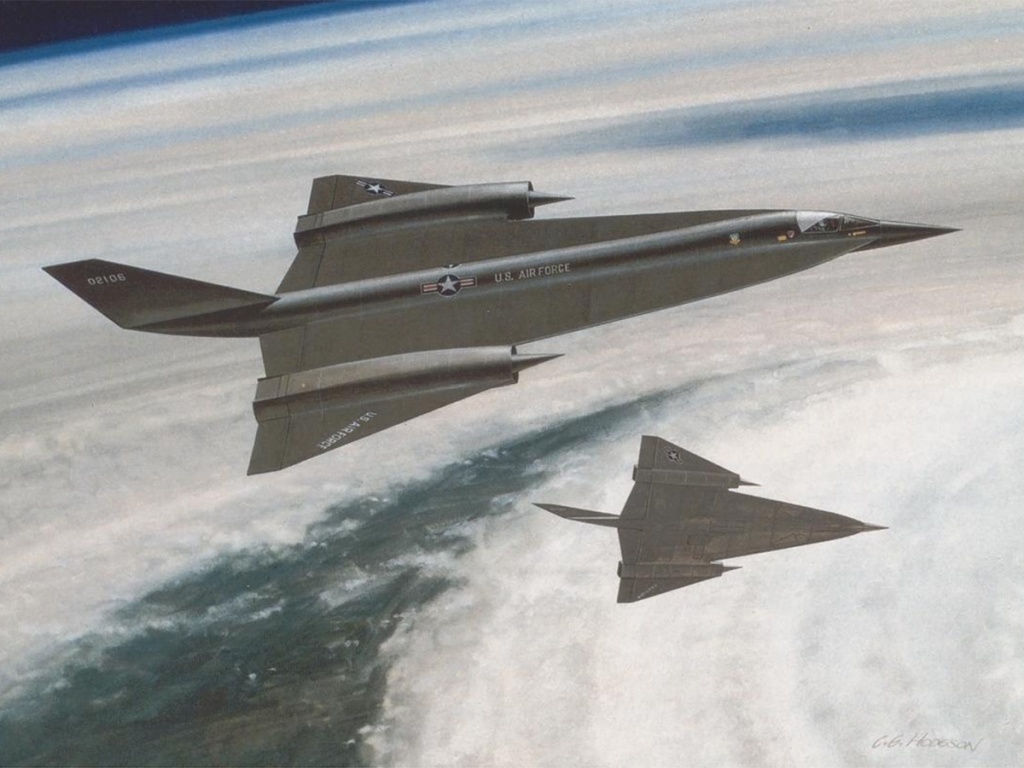
A Lockheed concept for the advanced tactical fighter (ATF) aircraft.
Lockheed Horizons, Number 17, February 1985
Image credit: Lockheed Martin
Image source: The Portal to Texas History
A Lockheed concept for the advanced tactical fighter (ATF) aircraft.
Lockheed Horizons, Number 17, February 1985
Image credit: Lockheed Martin
Image source: The Portal to Texas History
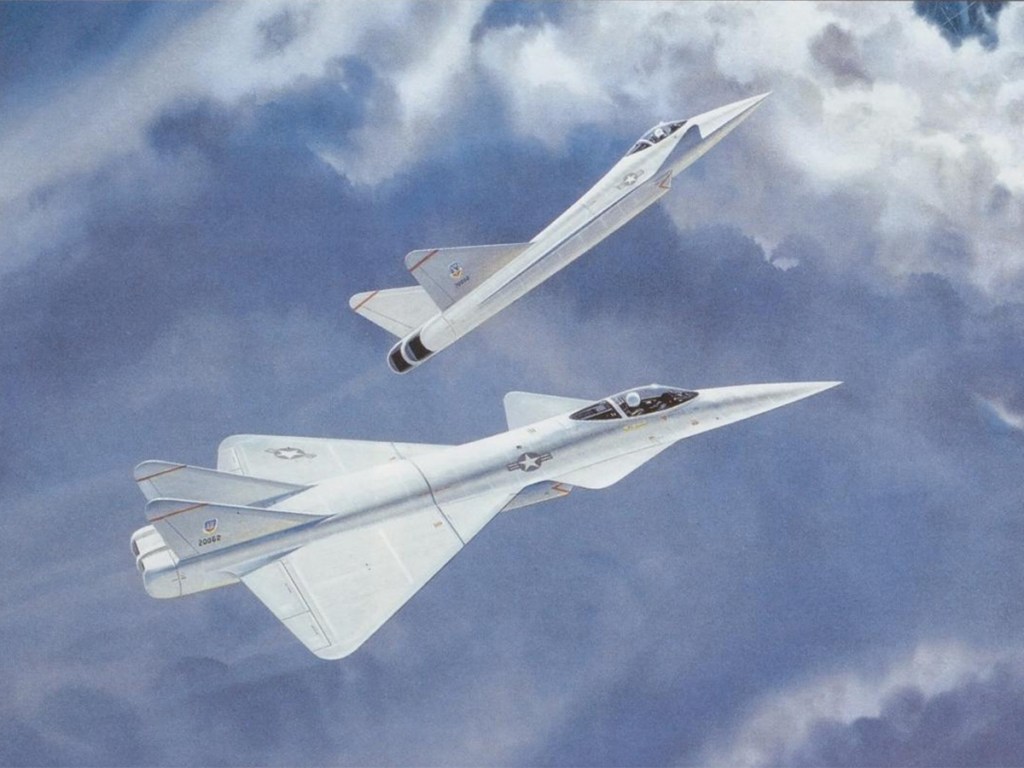
Lockheed Horizons, Number 18, June 1985
Image credit: Lockheed Martin
Image source: The Portal to Texas History

Artist’s concept of the pre-Shuttle Lockheed-sponsored Star Clipper stage-and-one-half lifting body configuration ascending from a desert launching base – circa 1968.
Lockheed Horizons, Number 13, 1983
Image credit: Lockheed Martin
Image source: The Portal to Texas History
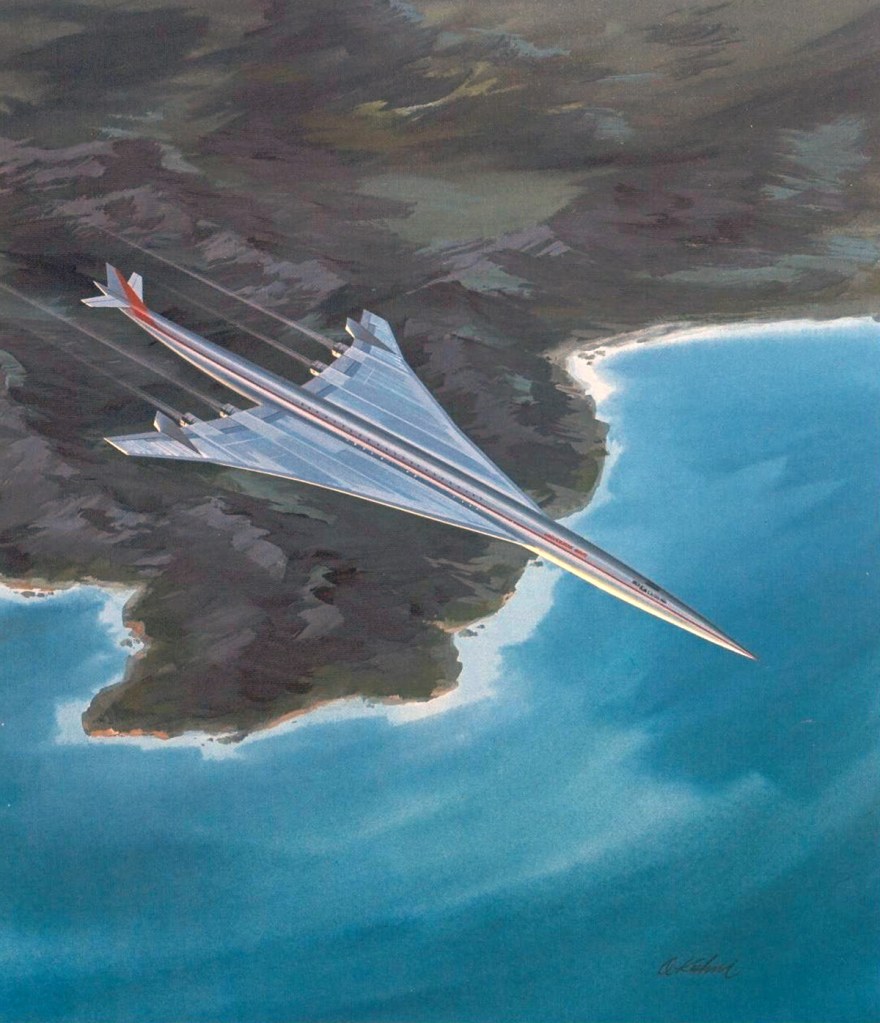
Lockheed Horizons, Number 14, 1983
Image credit: Lockheed Martin
Image source: The Portal to Texas History
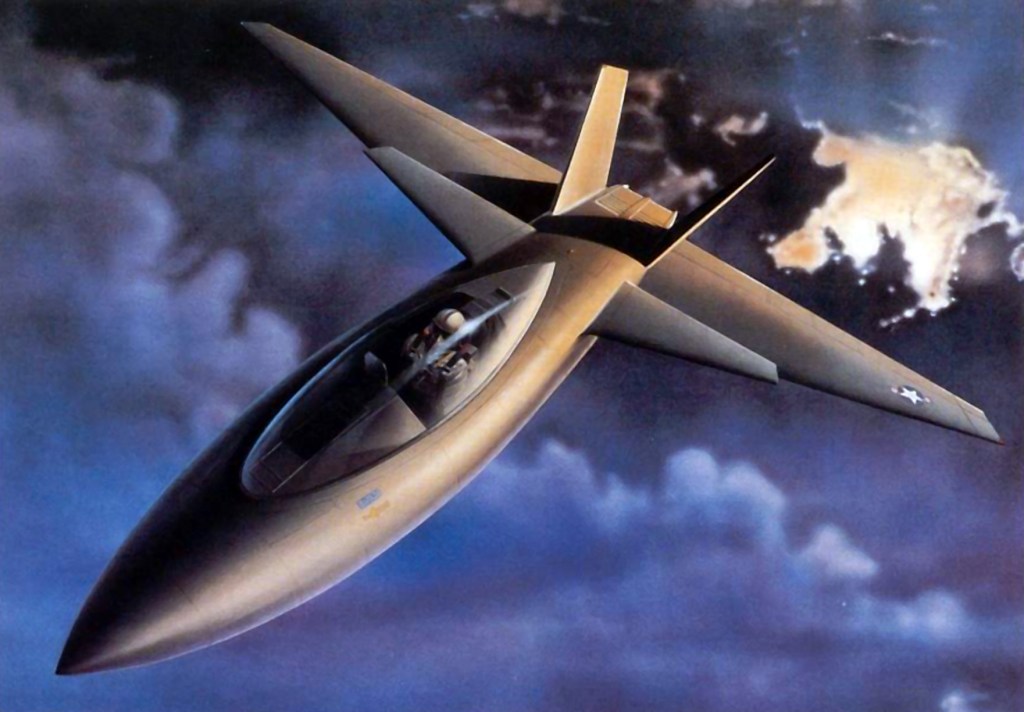
Lockheed Horizons, Number 24, September 1987
Image credit: Lockheed Martin
Image source: The Portal to Texas History

Final evolution of the Lockheed LS-200-5 lifting body stage-and-one-half configuration under NASA Space Shuttle Alternate Concepts contracts in December 1970.
Lockheed Horizons, Number 13, 1983
Image credit: Lockheed Martin
Image source: The Portal to Texas History

Image credit: Robert McCall
Image source: Numbers Station
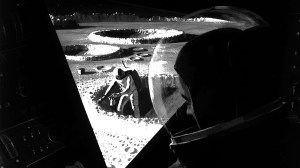
Mar 17 1969
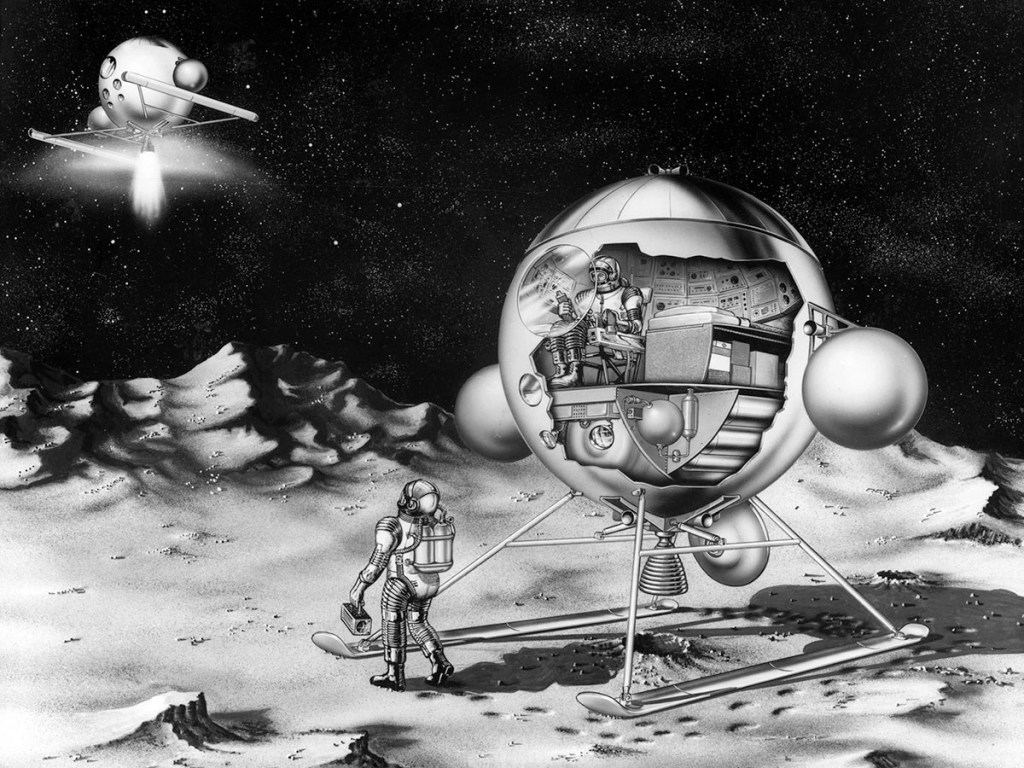
When America’s first two-man team lands on the moon, one of their first tasks will be to obtain a sample of lunar material as quickly as possible in event they have to make an emergency takeoff. If things go well, they will spend 25 hours on the surface, gathering up to 80 pounds of rocks, dust and other material to be put into vacuum-sealed containers. This sketch shows one astronaut gathering samples from a crater while his companion watches from the lunar module. Later, the two will roam up to 300 feet from the craft, working on a “buddy” system, to plant several measuring devices on the surface which will radio information to earth.
MAR 17 1969 COPYRIGHT, SEATTLE TIMES CO.
Image credit: NASA
Image source: Numbers Station

Image credit: Lockheed
Image source: Drew Granston