see also:
Image credit: NASA
Image source: SDASM Archives
108-KSC-69P-74 UNCL. 1-27-69
69-HC-85
69-H-139
NASA/APOLLO
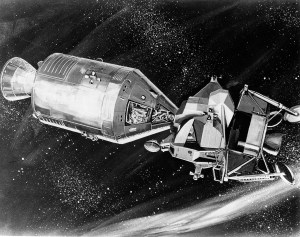
ARTIST’S CONCEPT OF THE APOLLO COMMAND MODULE AND SERVICE MODULE DOCKED WITH THE LUNAR MODULE. ONE ASTRONAUT HAS ALREADY BEEN TRANSFERRED TO THE LM AND THE SECOND IS MANEUVERING HIMSELF THROUGH THE FORWARD HATCH CONNECTING THE TWO SPACECRAFT.
Image credit: NASA
Image source: Numbers Station

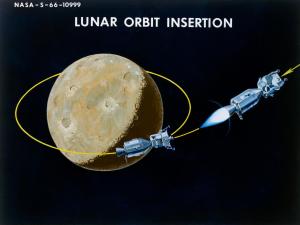
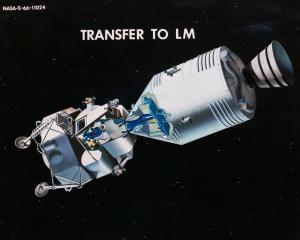
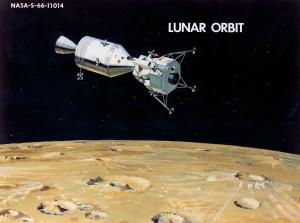
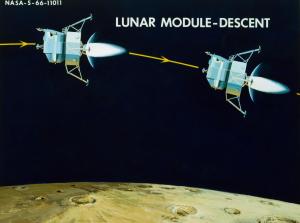
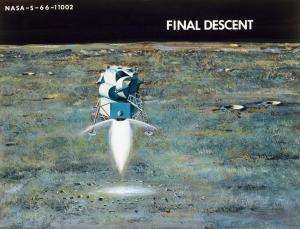
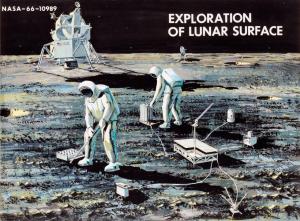
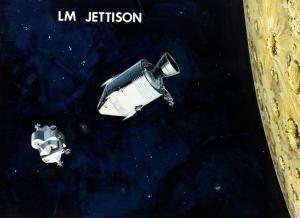
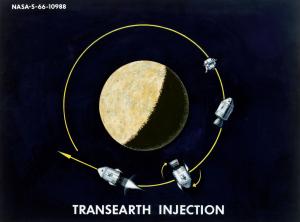
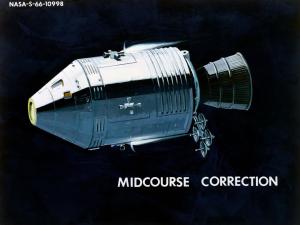
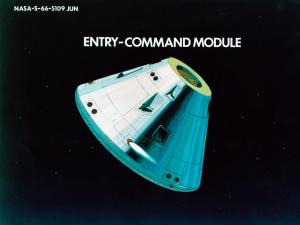
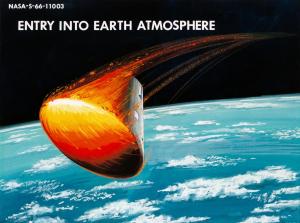
Image credit: NASA JSC
Image source: NASA Images
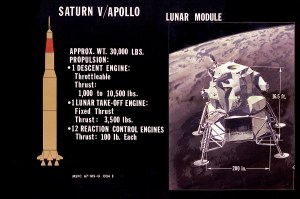
Image credit: NASA MSFC
Image source: NASA Images
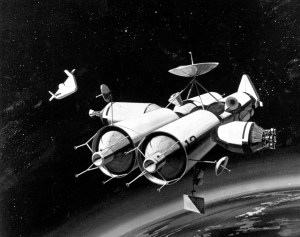
(ADVANCE FOR FRIDAY PMS, SEPT. 6 — WITH SPECIAL REPORT BY HOWARD BENEDICT)
(NY21 – Aug.30) AFTER APOLLO IS ON THE MOON — This artist’s conception presents one view of what a 12 to 24 man spacecraft may look like when scientists begin to plan for space development after the Apollo landing on the moon. The target date for that project is 1970, after which may come development of space stations, flights to Mars and moon bases. This type of spacecraft would be launched in pieces and assembled in space by astronauts. Crew replacement and supplies would be brought in by smaller craft, left.
(APWirephoto Drawing) (b61000ho)1963
Image credit: Douglas
Image source: Numbers Station

Image credit: NASA
Image source: Periscope Film
Image credit: NASA JSC
Image source: NASA Images
Image credit: NASA JSC
Image source: NASA Images
Image credit: Ryan Aeronautical
Image source: SDASM Archives
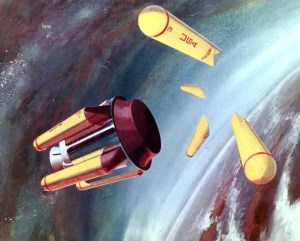
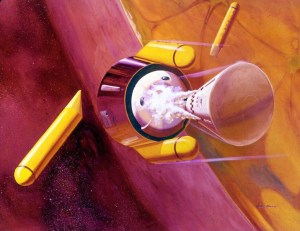
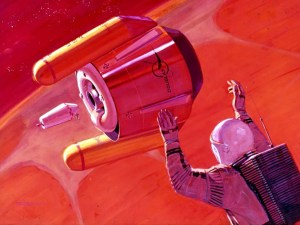
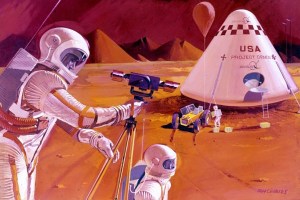
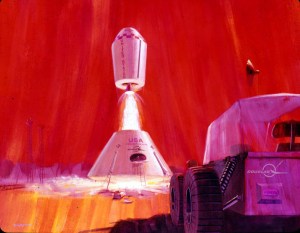
Image credit: Douglas
Image source: SDASM Archives
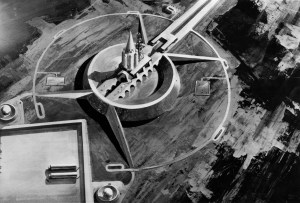
(DN4) DALLAS, TEX. APR. 23 — ROCKET OF THE FUTURE — The Rombus rocket, capable of orbiting 500-ton payloads is shown in this artist’s drawing. Rombus and several other proposed future rocket concepts were described by John W. Stone, launch vehicles advanced studies manager for the National Aeronautics and Space Administration, at the Manned Space Flight Conference in Dallas today. Rombus would be more than 400 feet tall and 120 feet in diameter. The launch pad would be a water-filled basin. (AP Wirephoto) (ft31430ho) (For use with Howard Benedict story) 1963
see also:

Image credit: Douglas
Images: Numbers Station, SDASM Archives