Image credit: Grumman
Image source: Cradle of Aviation Museum
Image credit: Grumman
Image source: Cradle of Aviation Museum
Mar 17 1969
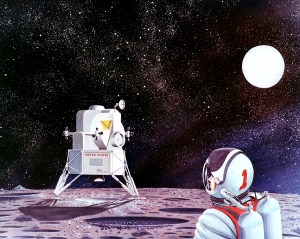
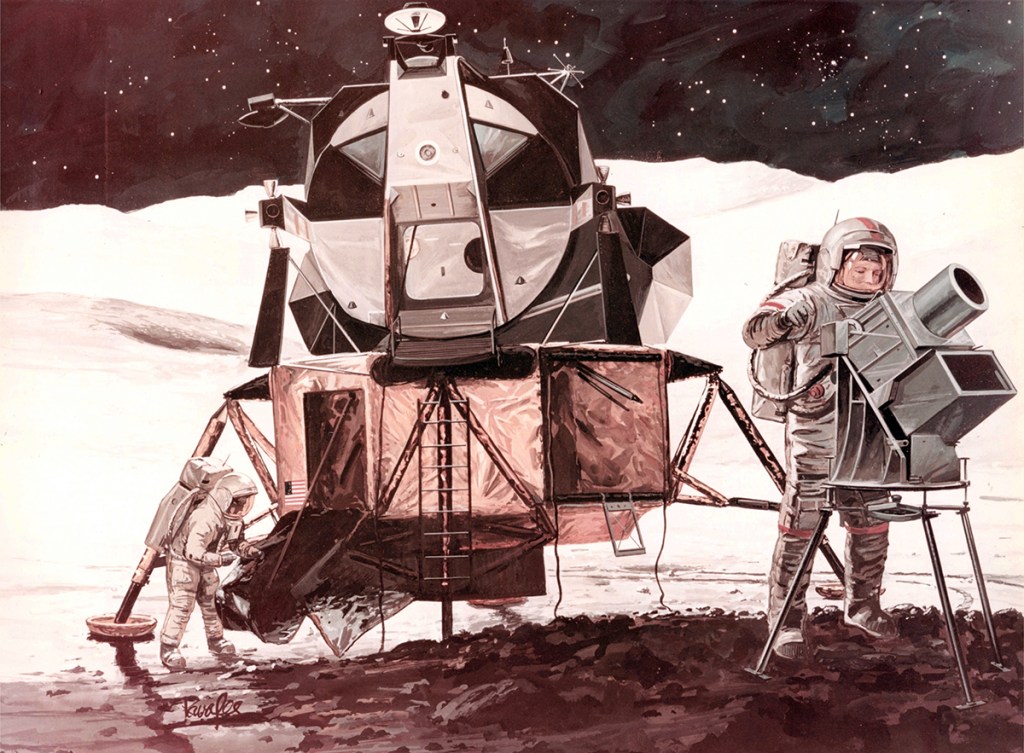
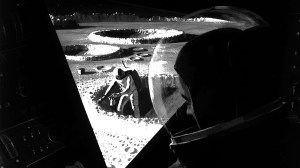
When America’s first two-man team lands on the moon, one of their first tasks will be to obtain a sample of lunar material as quickly as possible in event they have to make an emergency takeoff. If things go well, they will spend 25 hours on the surface, gathering up to 80 pounds of rocks, dust and other material to be put into vacuum-sealed containers. This sketch shows one astronaut gathering samples from a crater while his companion watches from the lunar module. Later, the two will roam up to 300 feet from the craft, working on a “buddy” system, to plant several measuring devices on the surface which will radio information to earth.
MAR 17 1969 COPYRIGHT, SEATTLE TIMES CO.
Image credit: NASA
Image source: Numbers Station
Image credit: North American Rockwell
Image source: Numbers Station
Image credit: NASA JSC
Image source: NASA Images
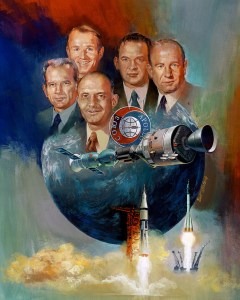
S75-25941 (April 1975) — An Apollo-Soyuz Test Project (ASTP) symbolic painting by artist Bert Winthrop of Rockwell International Space Division, Downey, California. The artwork is composed of the ASTP mission insignia, the docked Apollo-Soyuz spacecraft, and portraits of the five ASTP prime crewmen, all superimposed against Earth’s sphere in the center of the picture. The launches of both the American ASTP space vehicle (on left) and the Soviet ASTP space vehicle are depicted in the lower right corner. The five crewmen are, clockwise from the ASTP emblem, astronaut Thomas P. Stafford, commander of the American crew; astronaut Donald K. Slayton, docking module pilot of the American crew; astronaut Vance D. Brand, command module pilot of the American crew; cosmonaut Valeriy N. Kubasov, engineer on the Soviet crew; and cosmonaut Aleksey A. Leonov, commander of the Soviet crew. The joint U.S.-USSR ASTP docking mission in Earth orbit is scheduled for July 1975.
Image credit: NASA JSC
Image source: NASA Images
Image credit: NASA
Image source: Drew Granston
Image credit: NASA
Image source: NASA Johnson

Top Left: Flight Crew Preparation
Top Right: Orbital Insertion
Middle Left: 103 N. Mile Orbit
Middle Right: Separation
Bottom Left: Docking
Bottom Right: Docked SPS Burn
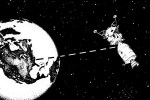
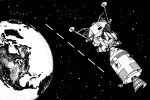
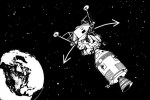
Top Left: Landmark Tracking
Top Right: Pitch Maneuver
Bottom Left: Yaw-Roll Maneuver
Bottom Right: High Apogee Orbits
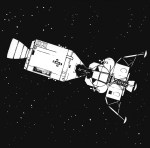
Left: Crew Transfer
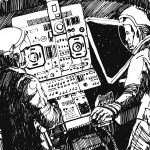
Right: LM System Evaluation
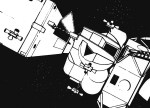
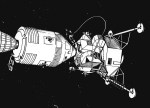
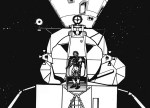

Top Left: Camera
Top Right: Day-Night EVA
Bottom Left: Golden Slippers
Bottom Right: TV – Texas, Florida
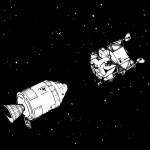
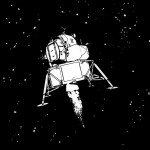
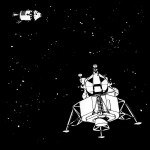
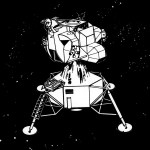
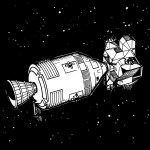
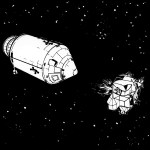
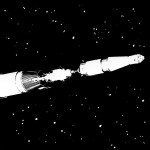
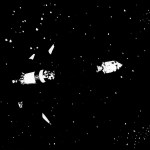
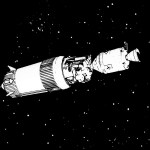
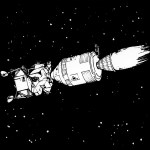
Top Left: Vehicles Undocked
Top Right: Burns For Rendezvous
Middle Left: Maximum Separation
Middle Right: APS Burn
Bottom Left: Formation Flying And Docking
Bottom Right: LM Jettison Ascent Burn
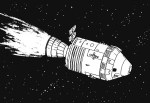
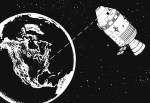
Left: Service Propulsion Burns
Right: Landmark Sightings, Photograph Special Tests
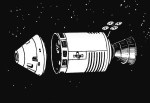
Top Left: CM/SM Separation
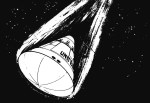
Top Right: Re-Entry
Image credit: NASA JSC
Images: NASA Images
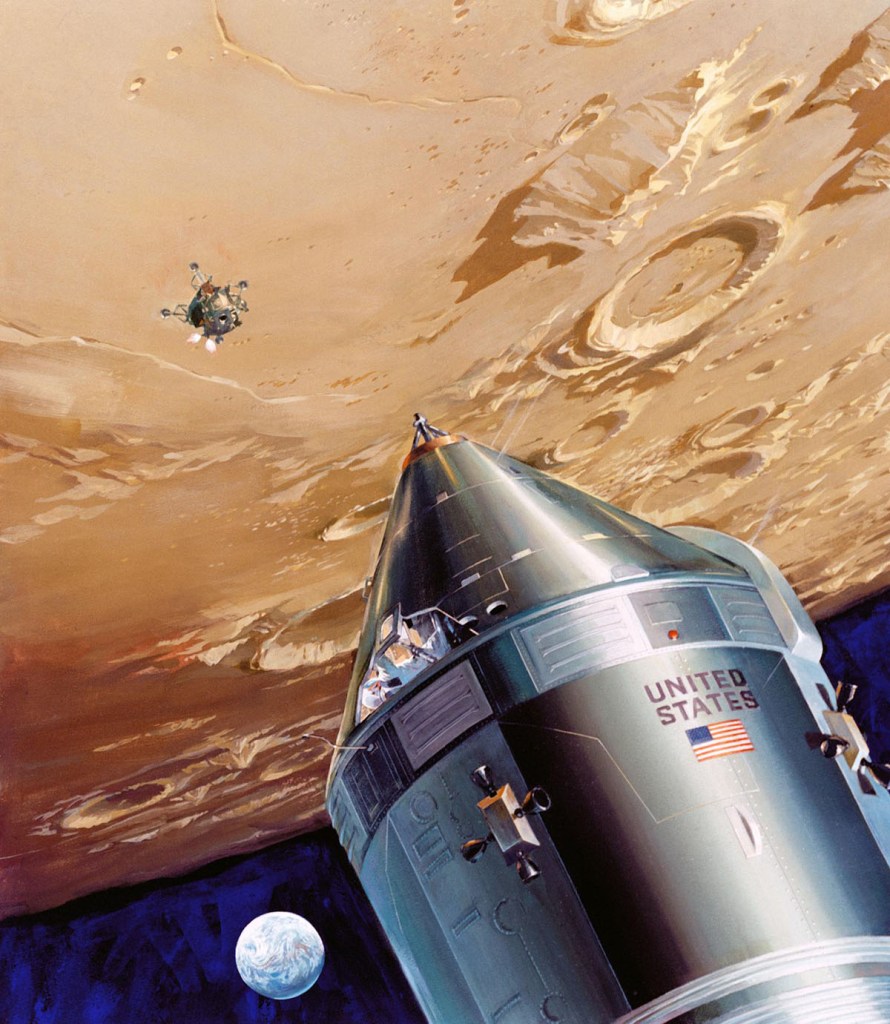
Image credit: NASA JSC
Image source: NASA Images