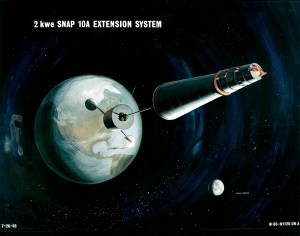
Image credit: AEC
Image source: DOE
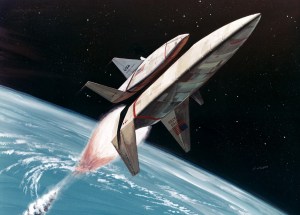
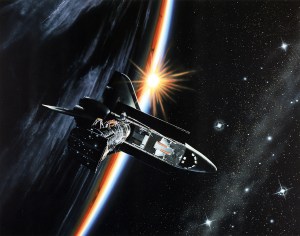
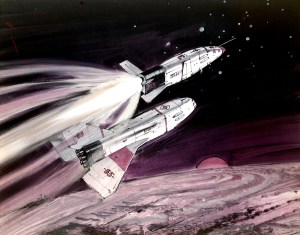
I think this is Henry Lozano Jr. rendering of the NAR A, or at least I thought I did. Tony Landis describes it as a Boeing VTOHL proposal. Tony Landis is a writer and archivist at the AFMC History Office. Tony knows his stuff. I’m going to stick to my guns for now, do a little more digging and we’ll see if I wind up moving this post down the road.
Image credit: North American Rockwell
Image source: AFMC
I like Teds. My grandfather was a Ted. Everyone called him Ted because he hated Timothy and nobody was going to call him Tim to his face. He was a lovely man and that’s how I got my middle name. Teds are cool.
Today we are taking another Ted: Ted Brown.
There are few artists in the aerospace industry whose career was as varied or accomplished as Ted Brown. Ted began as a graphic designer with Douglas in 1962, and over the next four decades carved out an enviable career: he illustrated everything from the Buck Rogers imaginings of Philip Bono, Gemini and Apollo to the Shuttle Program. His art permeates the story of space exploration. It is in industry periodicals, newspapers and books and has been since the early sixties. You know his work. He is as ubiquitous as he is anonymous and that’s something I love about him, because I imagine that is exactly how he wanted it. So, this is the story of Ted Brown.
Theodore Bartholomew Brown was born in 1931 in Los Angeles, California. He attended Manual Arts High School, Pasadena City College, and the ArtCenter of Design in Los Angeles. In 1951 Ted joined the United States Air Force, serving for two years including a posting in Japan. At home, he led the youth ministry and sang in the chorus of his local church, where he met Martha Shepherd Palmer. They married in 1957.
In 1962, Ted began working as a graphic artist for Douglas. At that time the art department had a very strong house style, so his work is often hard to pick out but it’s there.
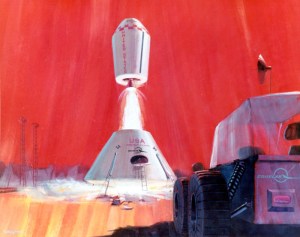
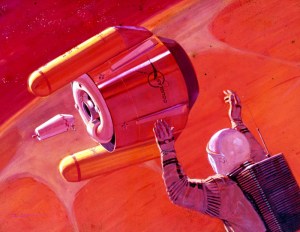
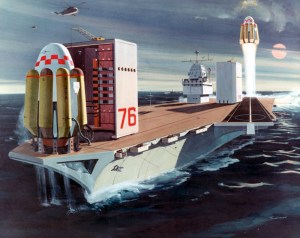
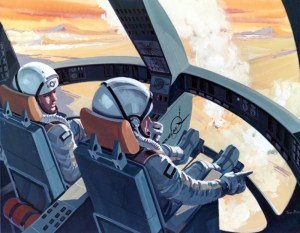
Top Row: Project Deimos, a Mars expedition proposed by Bono in the mid-1960’s using his ROMBUS SSTO as the propulsion system to Mars and back. Bottom Row: Ithacus, the ROMBUS reimagined as a 1200 soldier intercontinental troop transport.
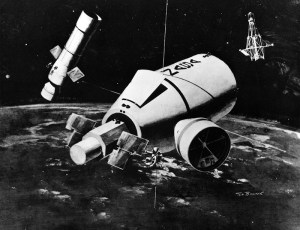
Manned Orbital Research Laboratory (MORL), painted for Boeing in 1966 or possibly earlier.

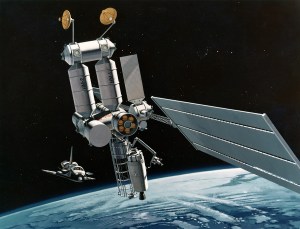
Beautiful work by Ted of the Manned Orbiting Laboratory, painted sometime in 1968. I would regard this as his masterpiece.

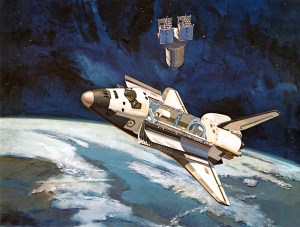
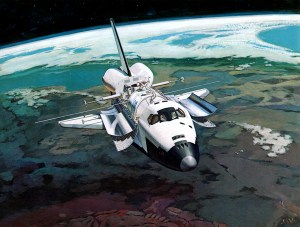
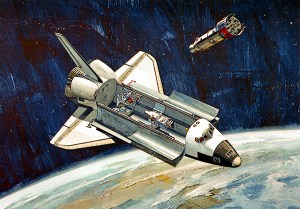
Rockwell International Space Systems Group released these paintings of the Space Shuttle in the late seventies as part of their charm offensive on the taxpayer.
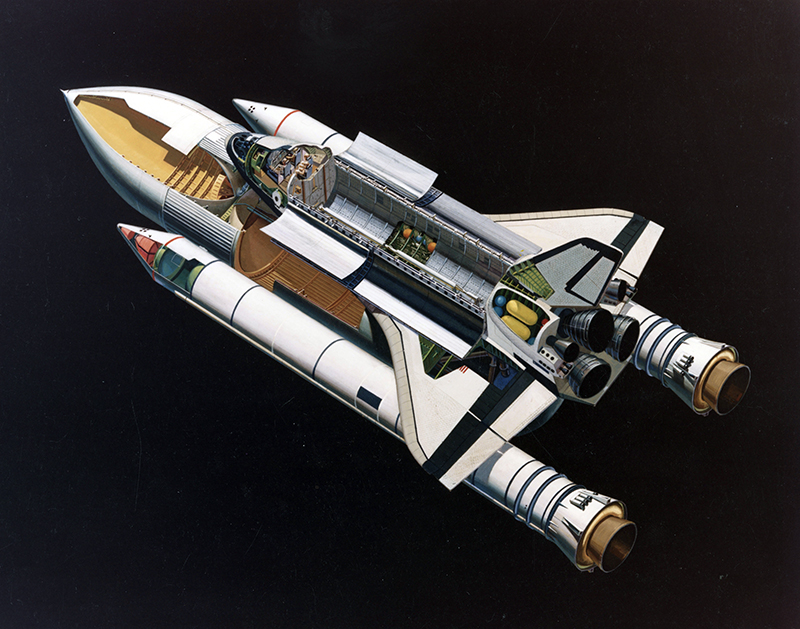
This incredible cutaway painted by Ted will be familiar to anyone who’s read the Piers Bizony book: The Art of NASA. There was some serious detective work done to confirm the artist, which you can read about here.
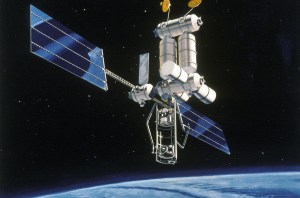
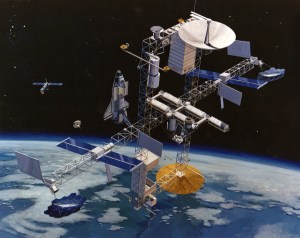
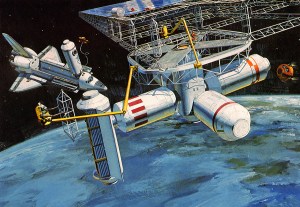
Top Row: Space Station Designs (1982) Bottom Left: Dual Keel Station Bottom Right: Austere Modular Space Station

In 1980, Ted led a team that created this mural entitled Space Products. Unveiled to the public at the Kennedy Space Center Visitor Complex, it was later moved to the Launch Control Center. In addition to his aerospace work, Ted was also a portrait and abstract painter. An unassuming and humble man, he never had any real interest in promoting or selling his art, most of which he gifted to friends and family.
Ted retired in 2002, and passed away peacefully in 2017 at the age of 86, survived by second wife Afsanch and the children of both his marriages: Pamela Victoria, Angela Carole, Jonathan Michael, Andrew Christopher, and Arman Jason.
People who knew him described him a man who defined class, gentility, kindness and humor.
There’s scant information about Ted available online, but you can read a little bit more about him here.
Image credit(s): McDonnell Douglas, Boeing, North American Rockwell
Image source(s): Mike Acs, SDASM Archives, Numbers Station, National Archives
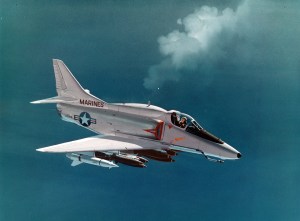
Image credit: Douglas
Image source: Numbers Station
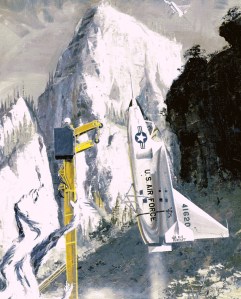
Image credit: Ryan Aeronautical
Image source: SDASM Archives
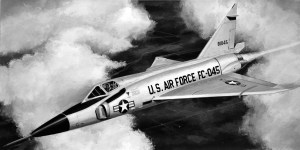
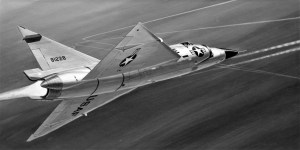
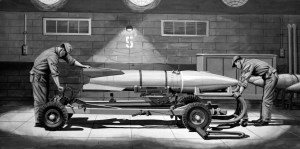

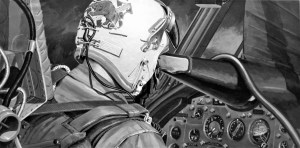
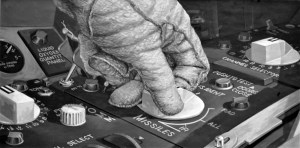
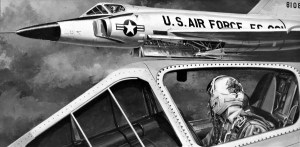
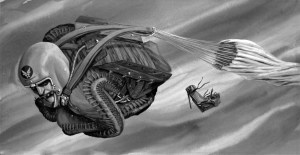


Image credit: Convair
Image source: SDASM Archives


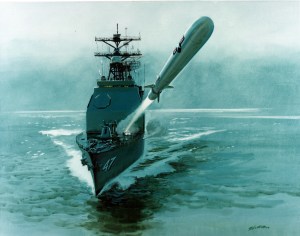
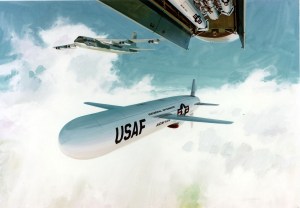
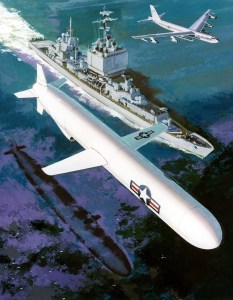
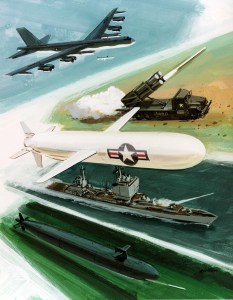
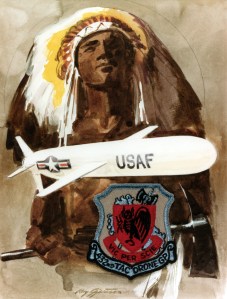
Image credit: General Dynamics
Image source: SDASM Archives
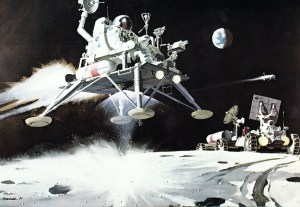
Our World in Space
Robert McCall & Isaac Asimov
New York Graphic Society, 1974
Image credit: Robert McCall
Image source: Numbers Station
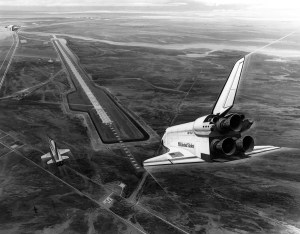
Image credit: North American Rockwell
Image source: Mike Acs