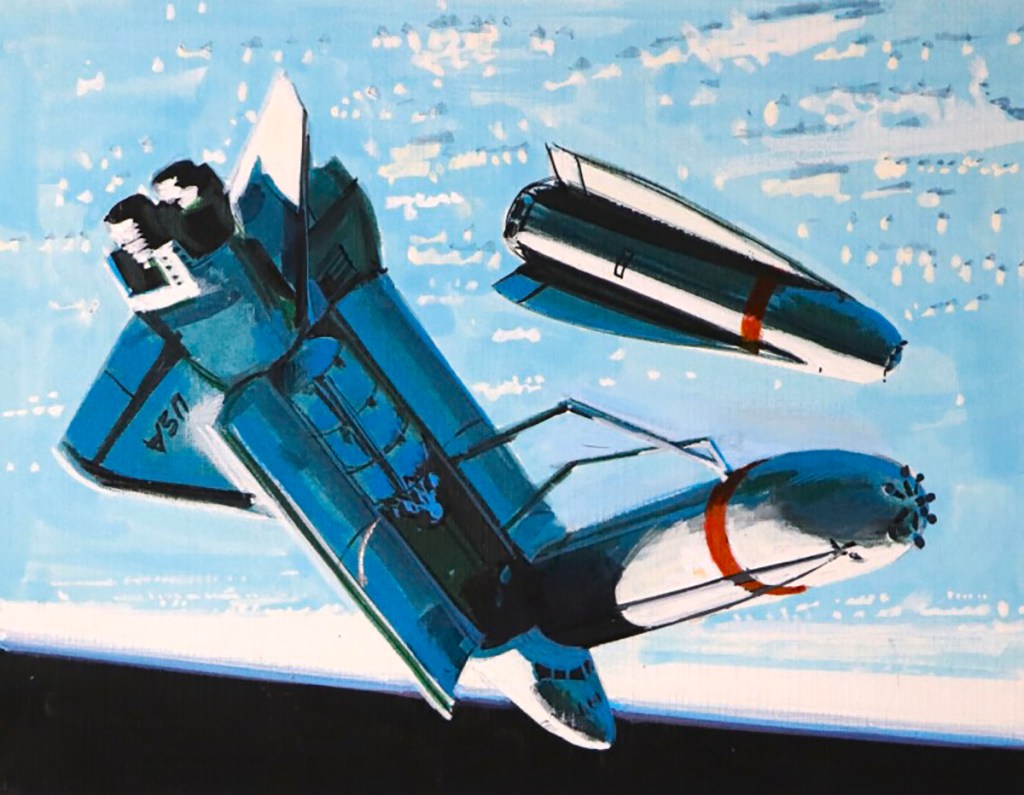
Image credit: Convair
Image source: SDASM Archives
Image credit: Convair
Image source: SDASM Archives
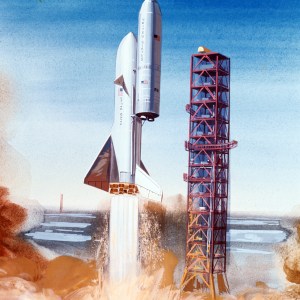
Image credit: North American Rockwell
Image source: Numbers Station
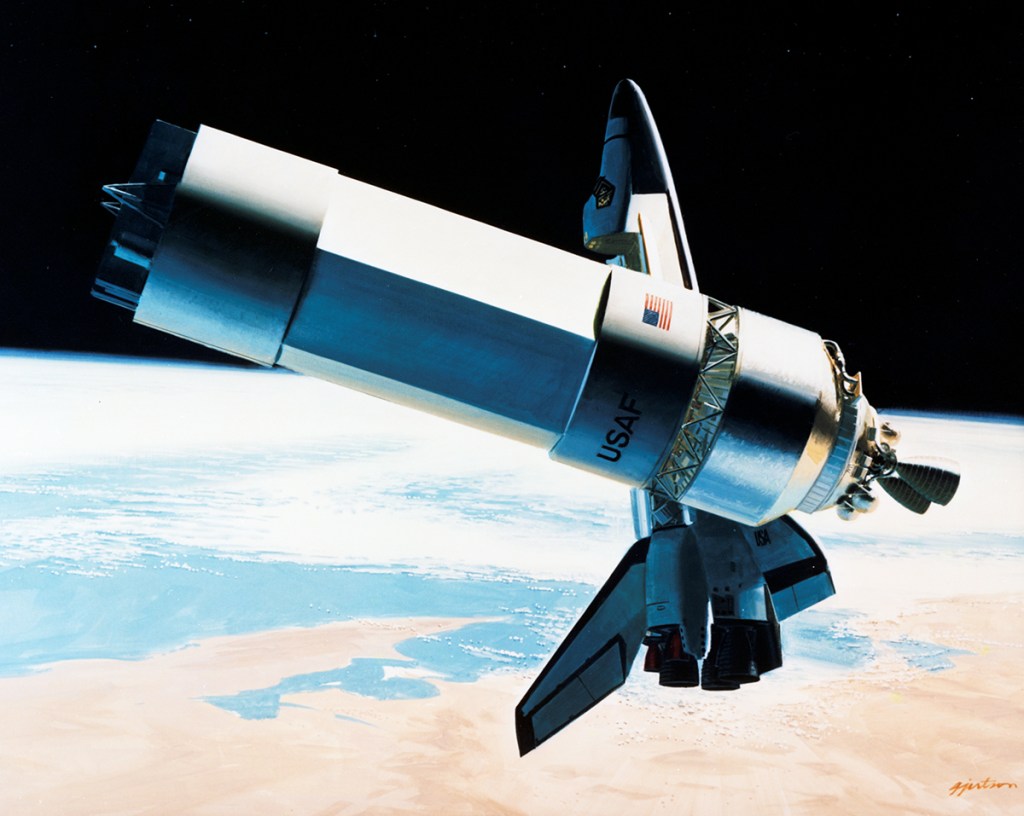
Image credit: NASA Glenn
Image source: National Archives
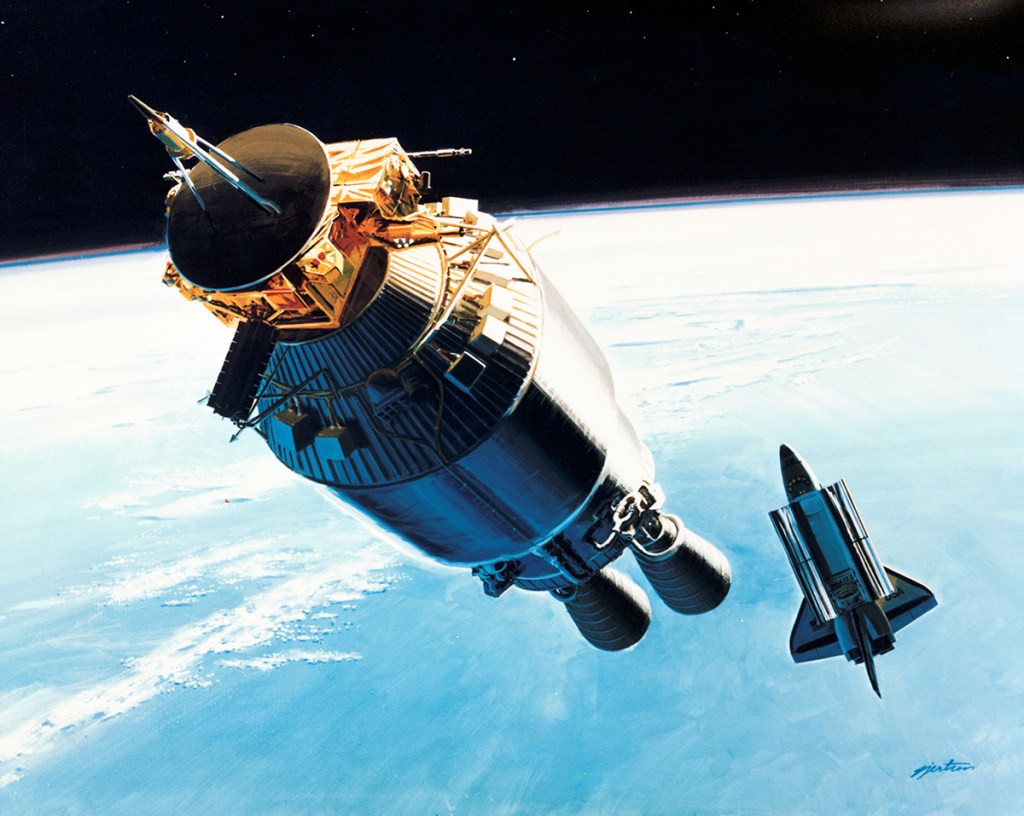
Image credit: NASA Glenn
Image source: National Archives
Image credit: NASA Glenn
Image source: National Archives
Image credit: Convair
Images source: SDASM Archives
Image credit: GD/Convair
Image source: SDASM Archives
Image credit: GD/Convair
Image source: SDASM Archives
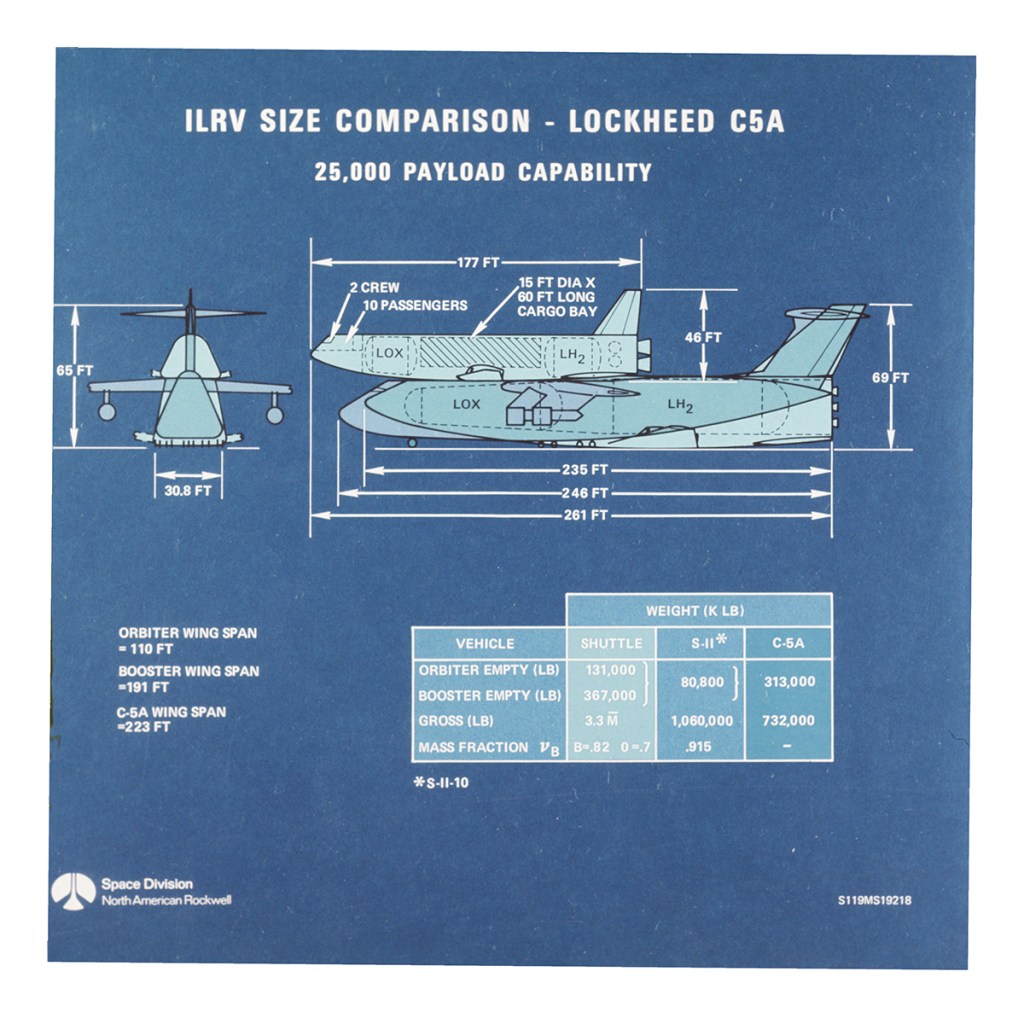
Image credit: NASA
Image source: Numbers Station
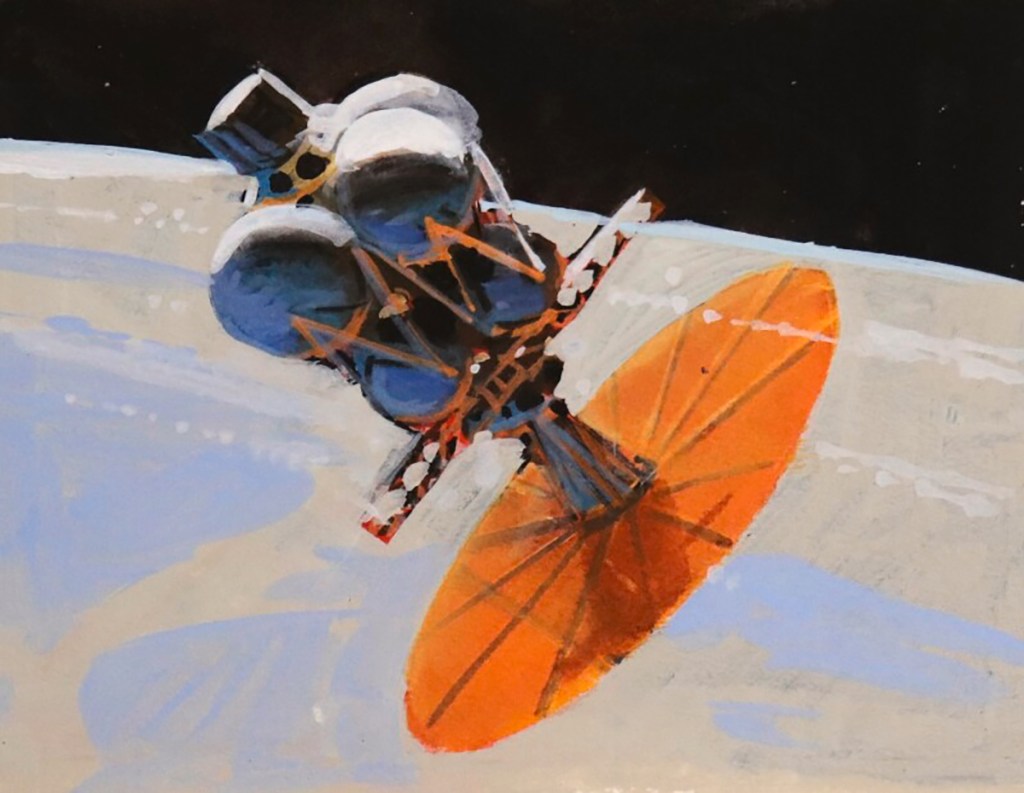
Image credit: Convair
Image source: SDASM Archives
Selected plates from:
(NASA-cr-173345)
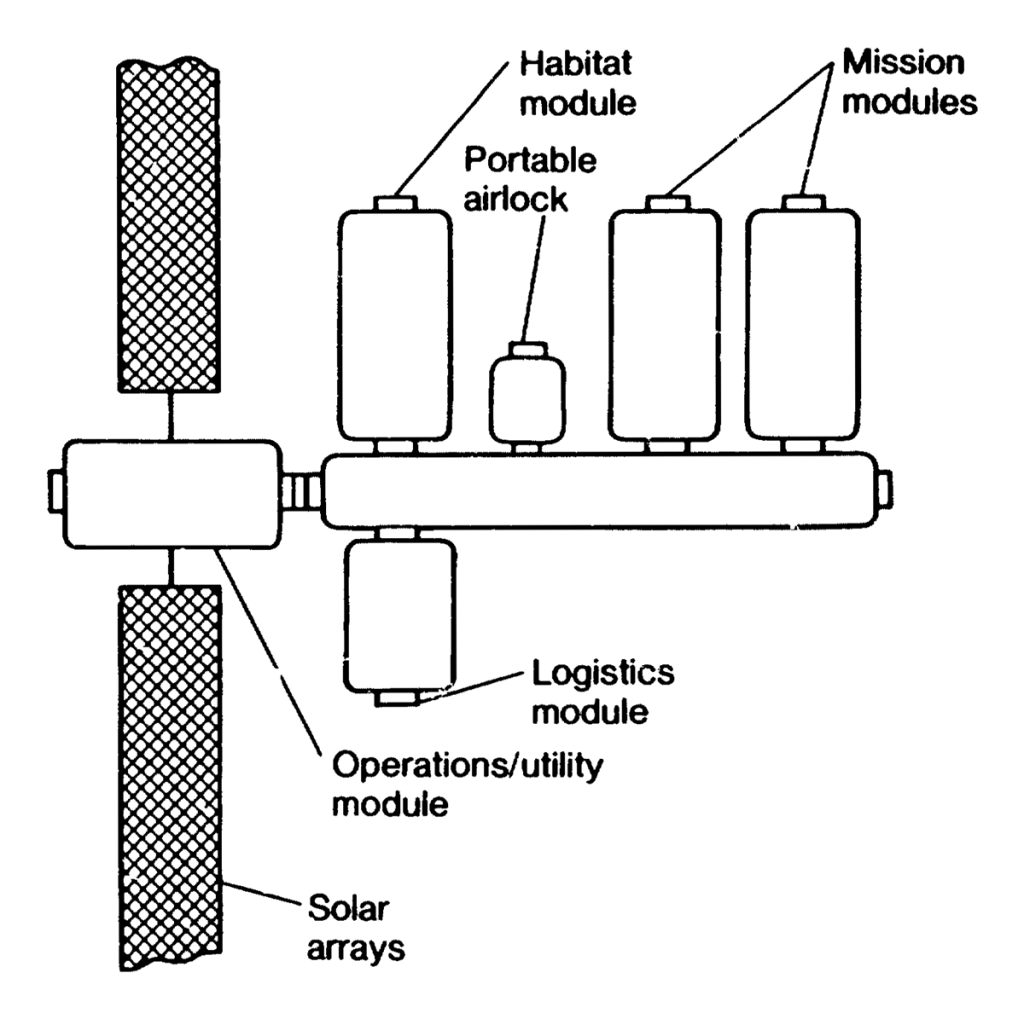
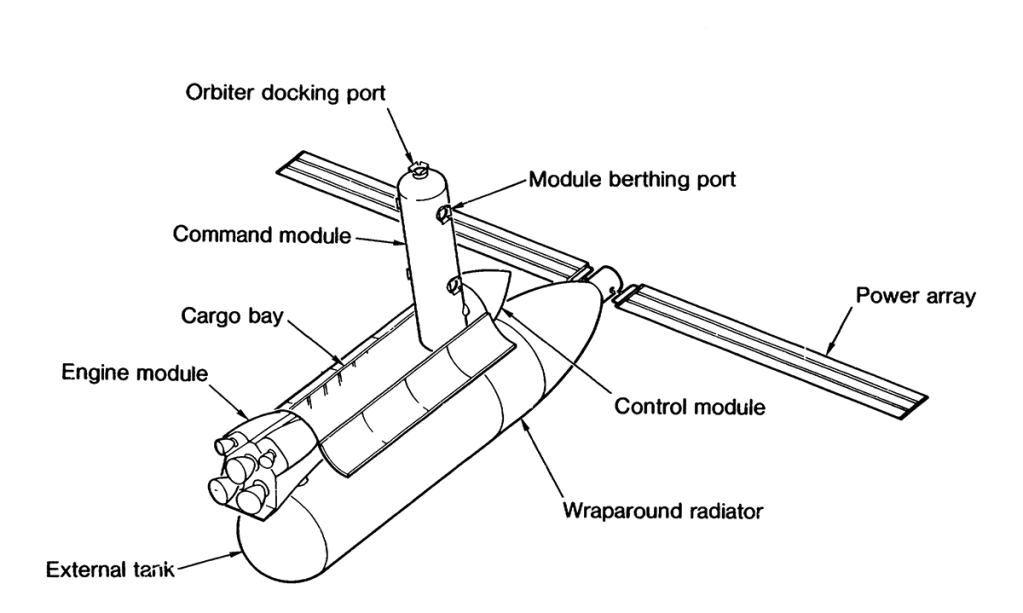
Once on orbit, the cargo bay doors are opened automatically and the platform command module is rotated 90° from its stowed position in the cargo bay to its operating position. With the command module in this position, an Orbiter cargo bay equivalent length remains available for accomodating spacecraft, etc., delivered by the Shuttle.
The external tank remains attached to the platform for later use since it can potentially serve many useful functions as part of the station.
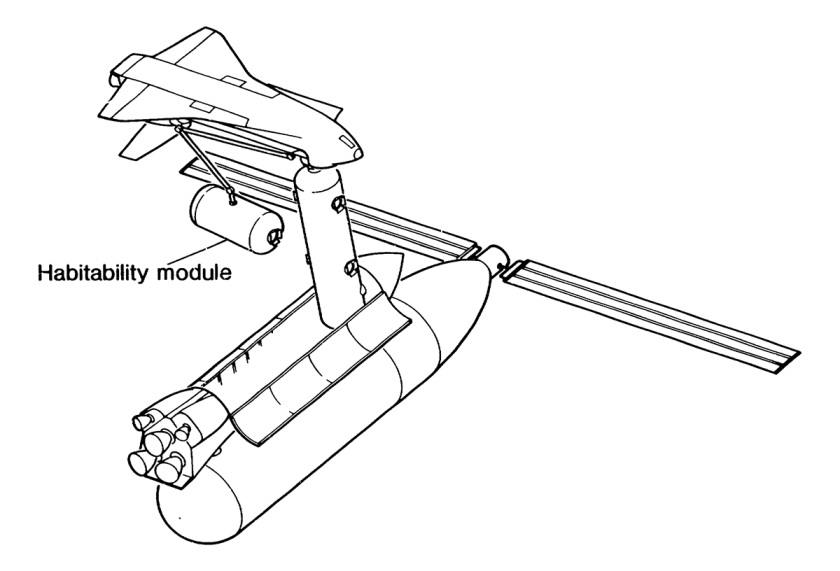
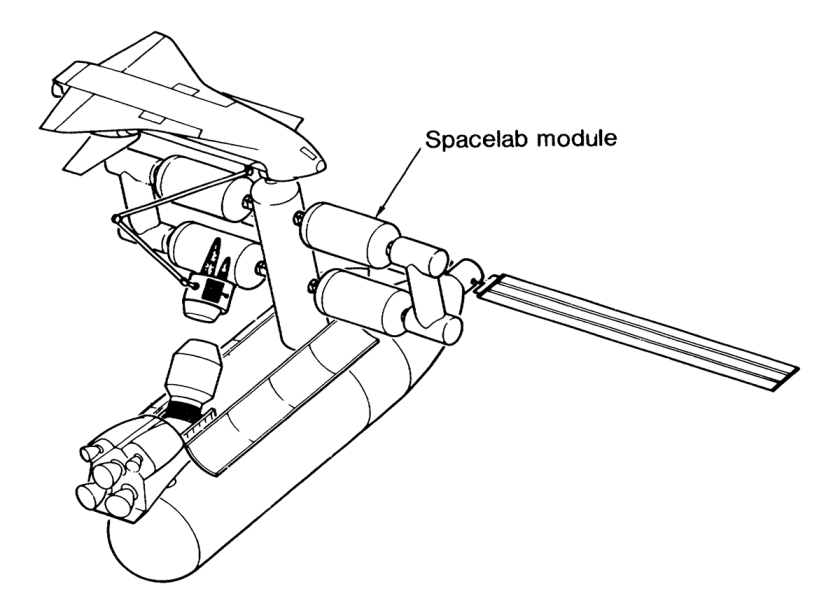
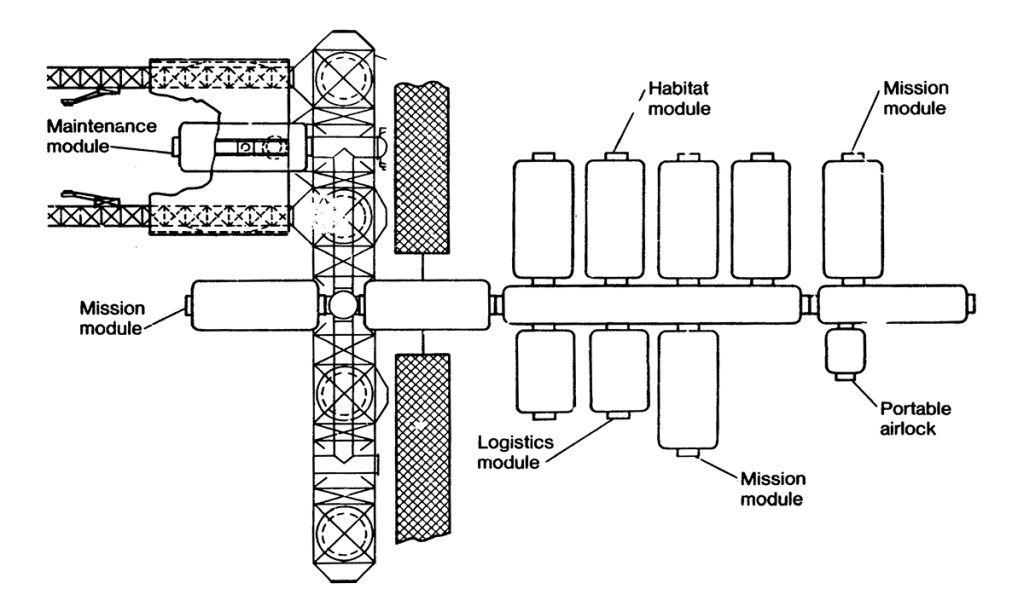
In this concept, we move progressively from technology development to full operational capability. The facing page shows two OTV servicing stations, with spacecraft flight preparation, in addition to the RD&P Modules installed earlier. The original STS platform remains the backbone of the station, nothing becomes obsolete. The cargo bay, for example, having been used initially for technology development missions, is now diverted to other purposes, such as a base for teleoperators.

Image credit: General Dynamics
File source: NASA NTRS
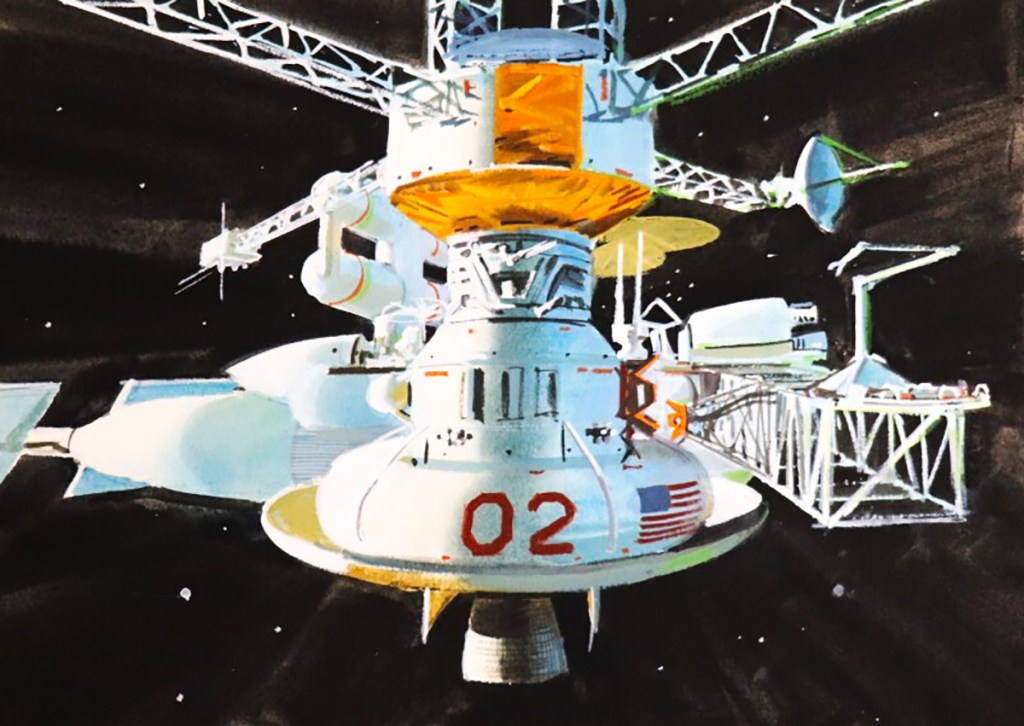
Image credit: Convair/General Dynamics
Image source: SDASM Archives
