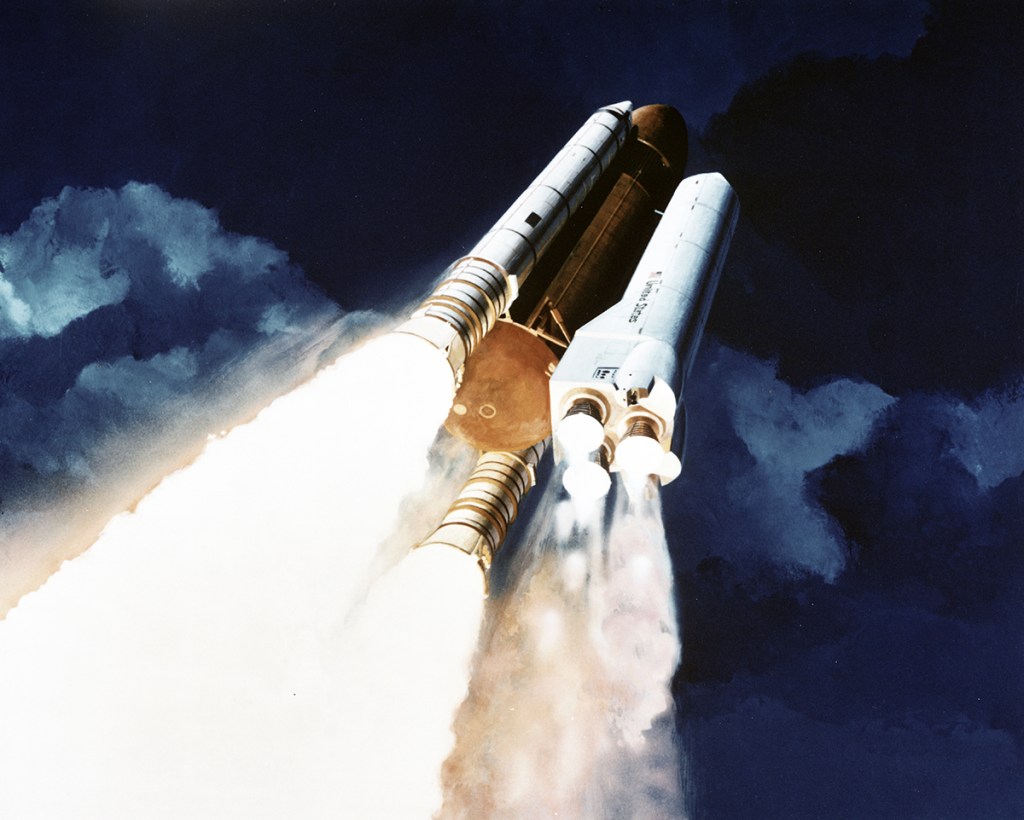
Image credit: NASA GRC
Image source: National Archives
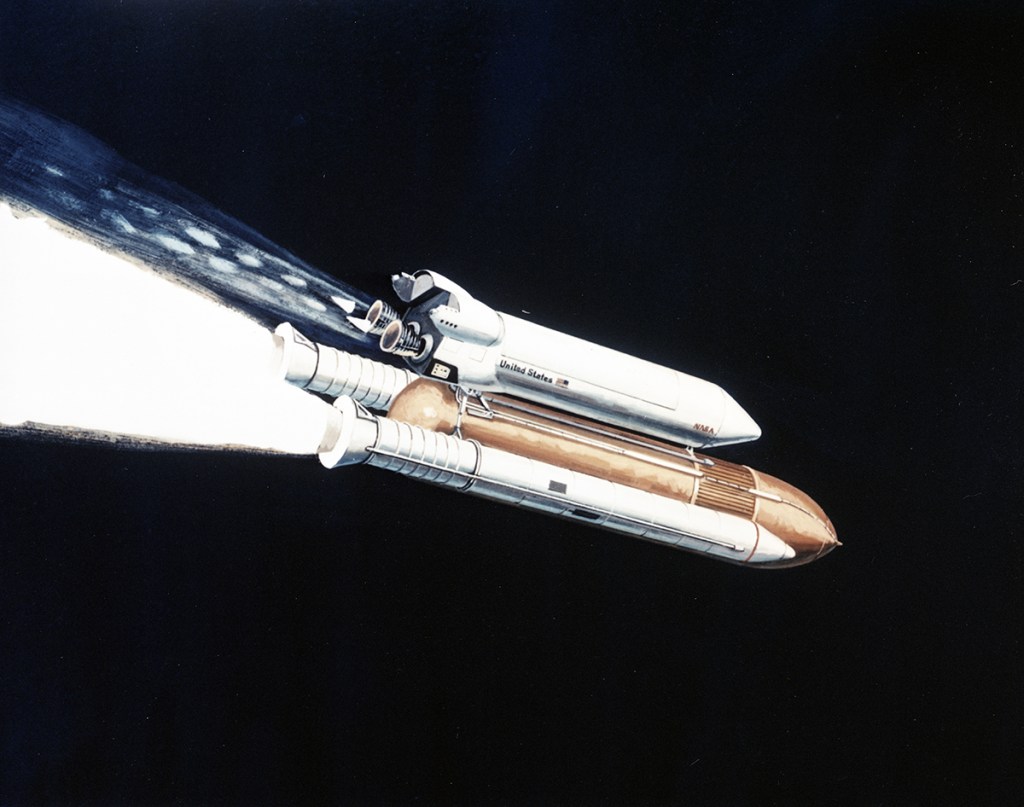
Image credit: NASA GRC
Image source: National Archives
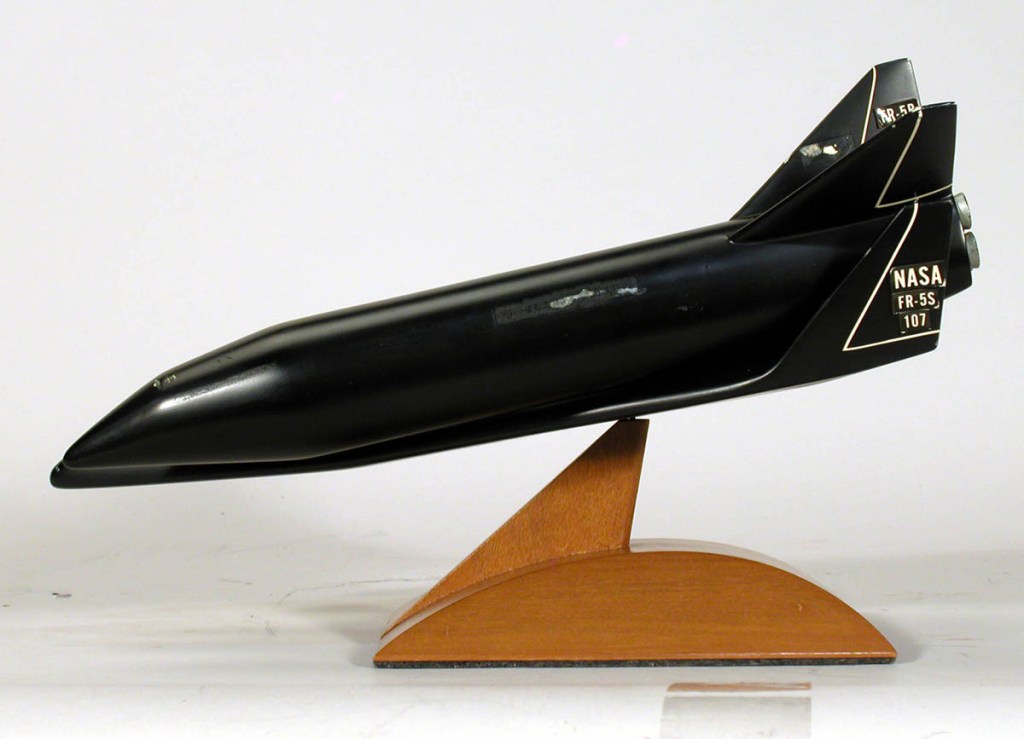
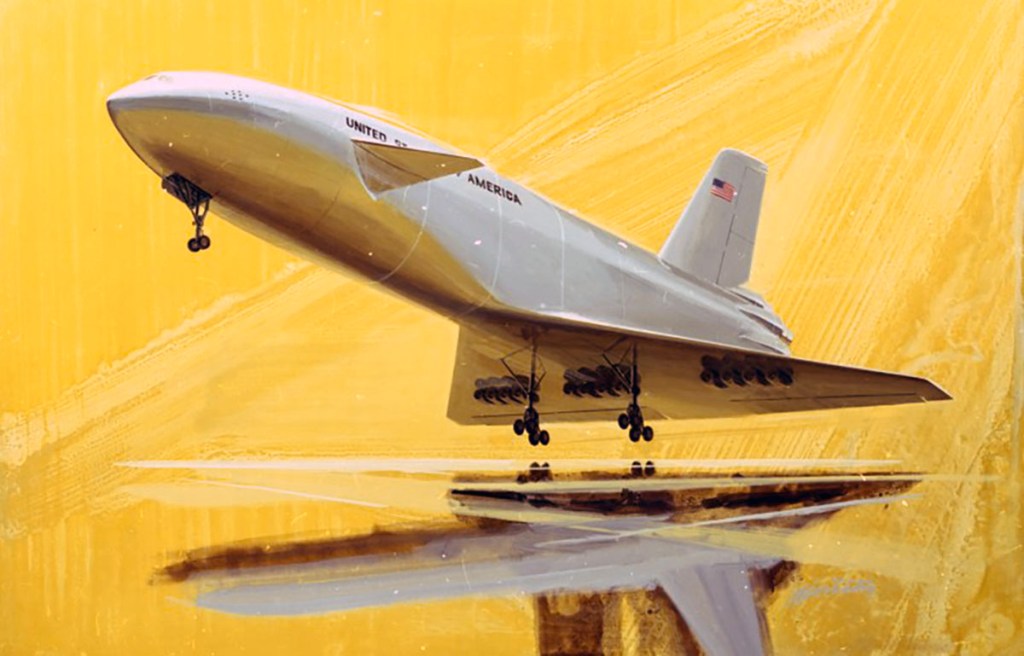
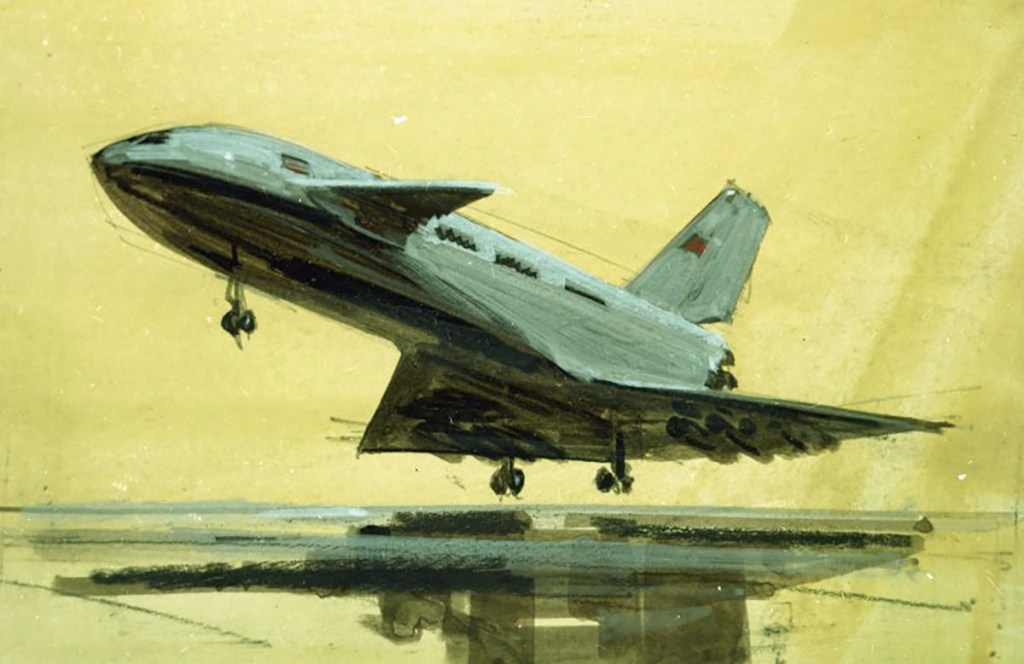
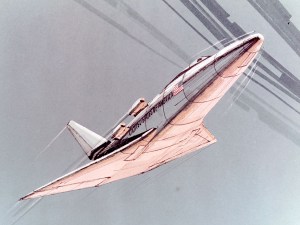
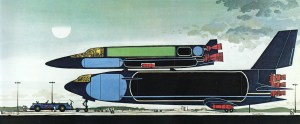
NASA studied this Martin Marietta concept for a fully reusable space transportation system during the Shuttle research effort in 1969-1972. It featured two piloted fly-back vehicles – a twin-fuselage booster craft and a delta-wing orbiter – in a two-stage configuration. The liquid-propellant booster would carry the orbiter to a set altitude, then detach and be piloted back to land. After separation the orbiter would ignite its own engines to reach orbit. Both vehicles had retractable air-breathing jet engines for powered airplane-like flight during descent to landing. NASA transferred a variety of concept models to the Museum after settling on the final Space Shuttle design.
Image credit: NASM
Image source: NASM
Image credit: Convair
Image source: SDASM Archives
Image credit: Convair
Image source: SDASM Archives
Our World in Space
Robert McCall & Isaac Asimov
New York Graphic Society, 1974
Image credit: Robert McCall
Image credit: NASA
Image source: Numbers Station
NOV 1 1972
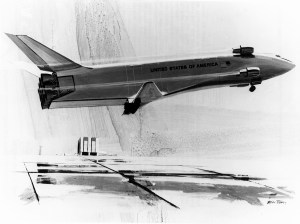
THIS SPACE SHUTTLE IS SCHEDULED TO START OPERATIONS IN 1978
Vehicle will make round trips ferrying men into orbit and the returning them to earth.
Image credit: North American Rockwell
Image source: Numbers Station
Third release week of November 15, 1971
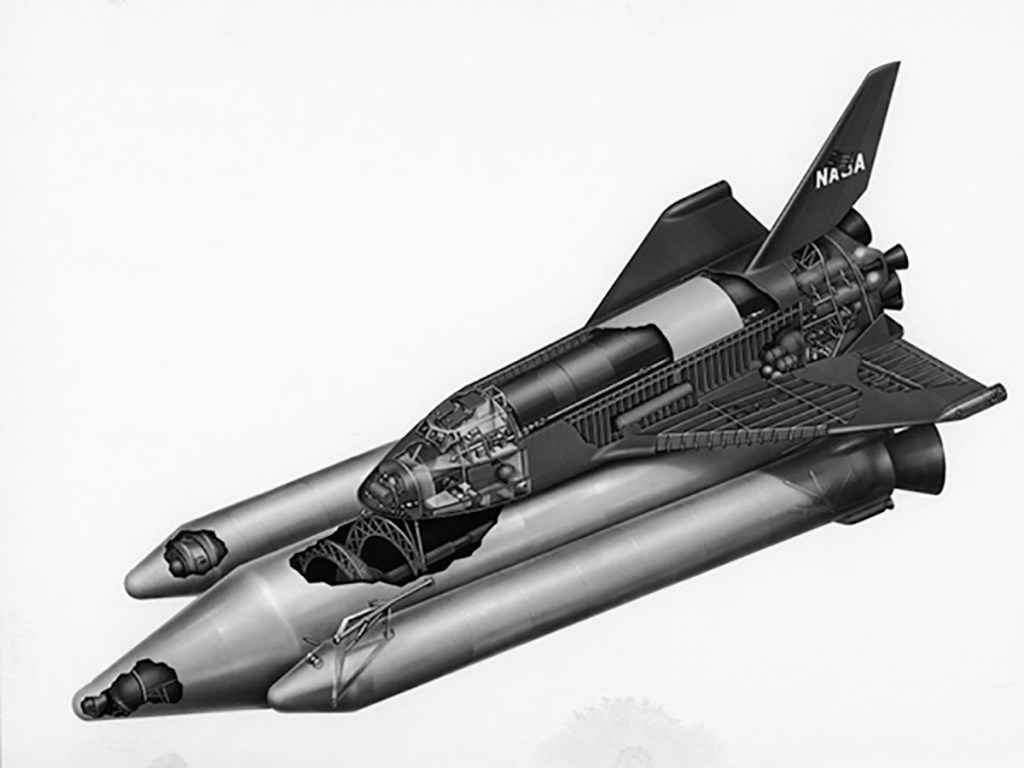
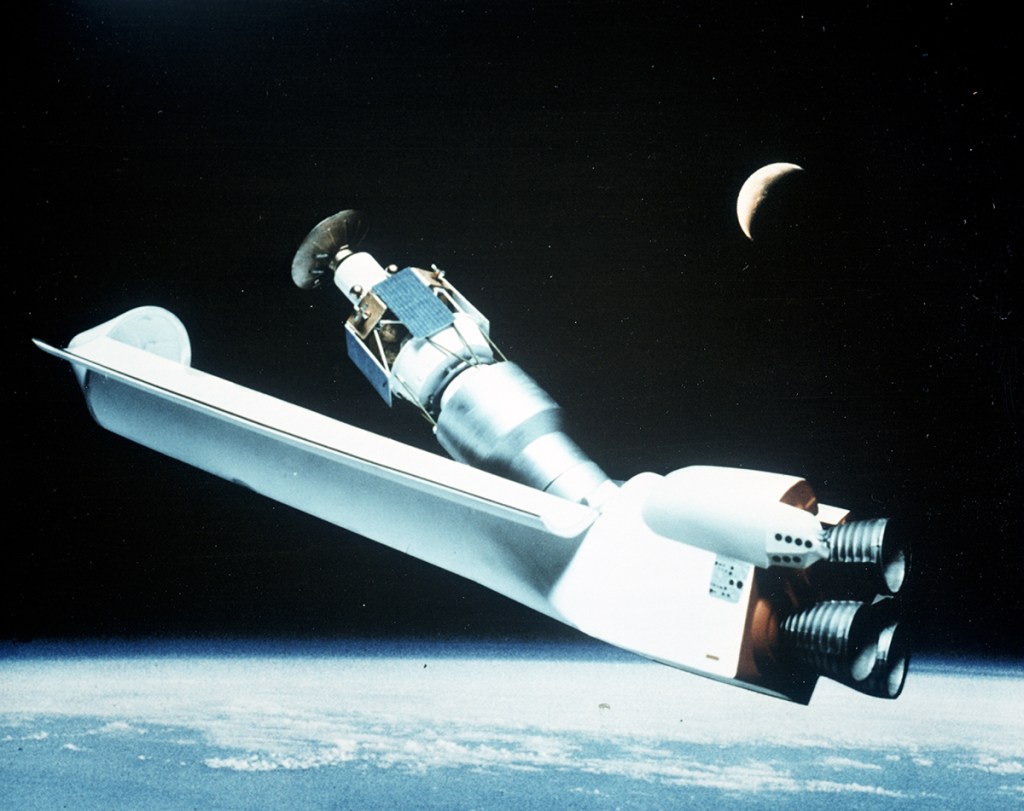
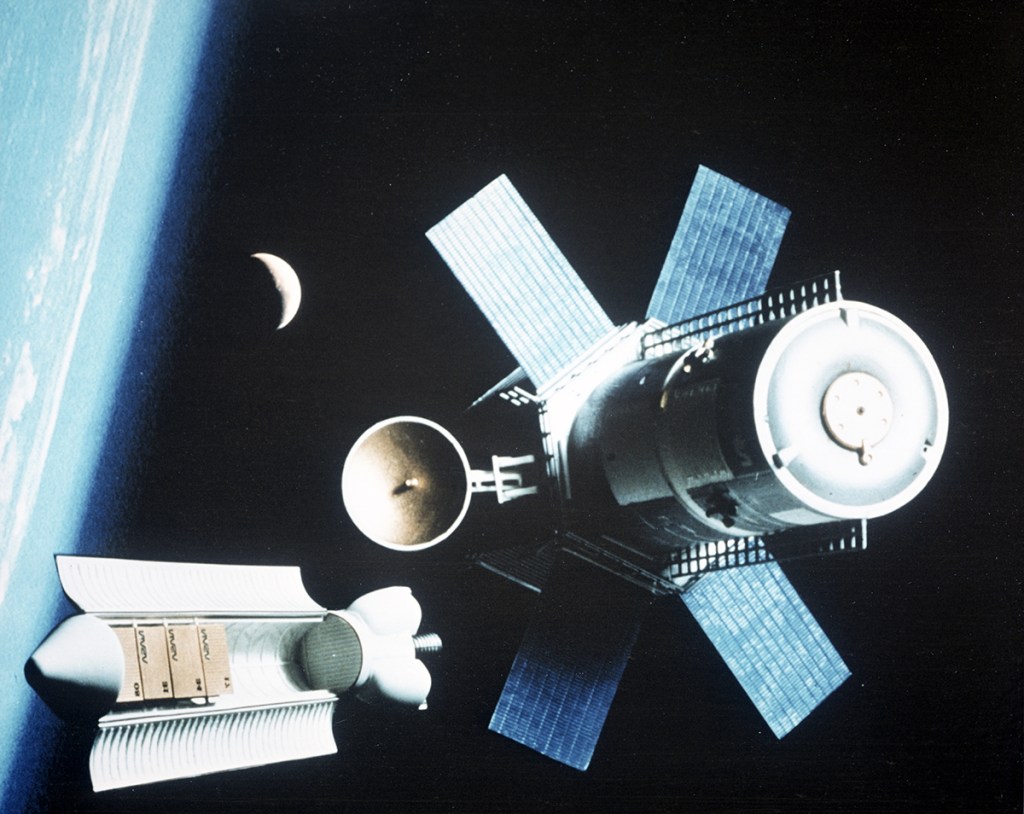
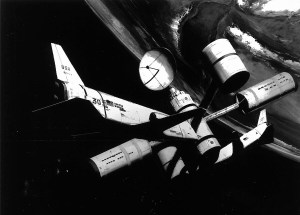
THE 6:10 INTO SPACE. NASA is working on the design of a winged shuttle craft to resupply the manned space stations of the next decade. The giant space transports shown here can carry 50,000 pounds of men and cargo to the cluster of cylinders that make up a space base, the return to Earth and land like airplanes.
Credit: North American Rockwell
Image credit: North American Rockwell
Image source: Numbers Station