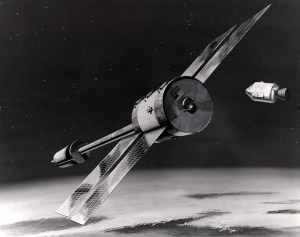
Image credit: North American Rockwell
Images: NASA, Mike Acs
Image credit: North American Rockwell
Images: NASA, Mike Acs
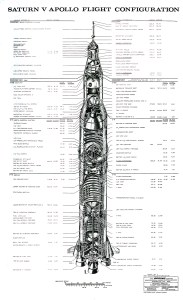
The Saturn V configuration is shown in inches and meters as illustrated by the Boeing Company. The Saturn V vehicle consisted of three stages: the S-IC (first) stage powered by five F-1 engines, the S-II (second) stage powered by five J-2 engines, the S-IVB (third) stage powered by one J-2 engine. A top for the first three stages was designed to contain the instrument unit, the guidance system, the Apollo spacecraft, and the escape system. The Apollo spacecraft consisted of the lunar module, the service module, and the command module. The Saturn V was designed perform lunar and planetary missions and it was capable of placing 280,000 pounds into Earth orbit.
Image credit: NASA MSFC
Image source: NASA Images
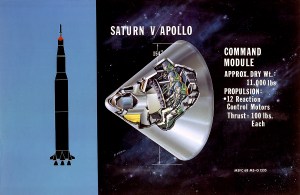
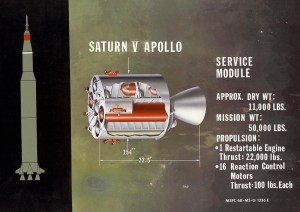
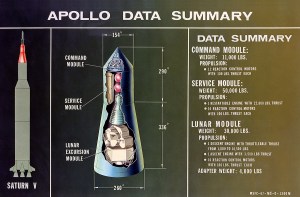
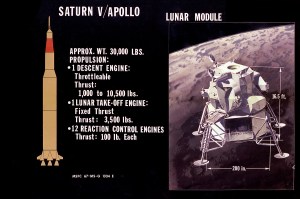
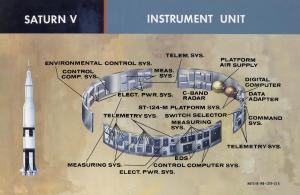
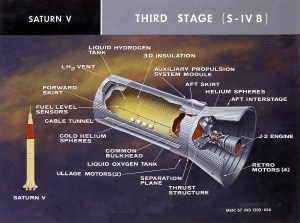
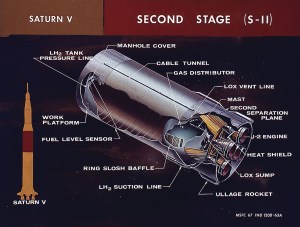
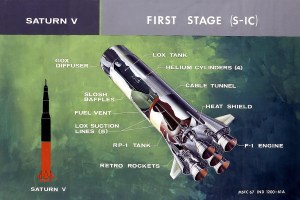
Image credit: NASA MSFC
Image source: NASA Images

Oil on panel by Robert McCall. The Apollo 8 spacecraft fires it’s engines to propel it out of lunar orbit and the return trip to Earth.
This is NASA, EP 22, 1971
Image credit: NASA
Image source: Numbers Station
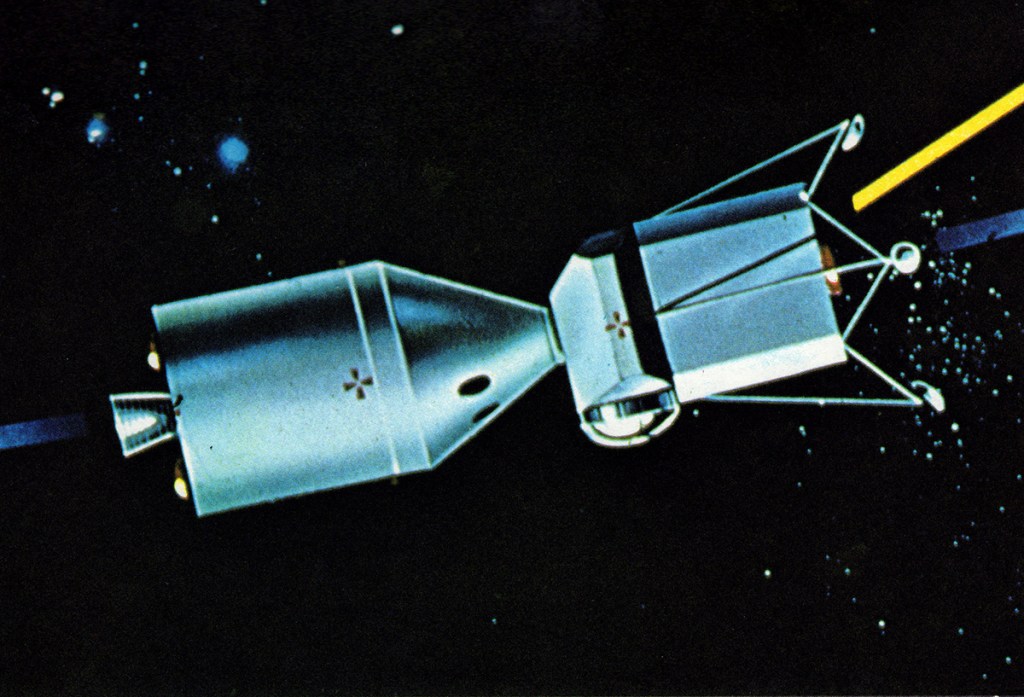

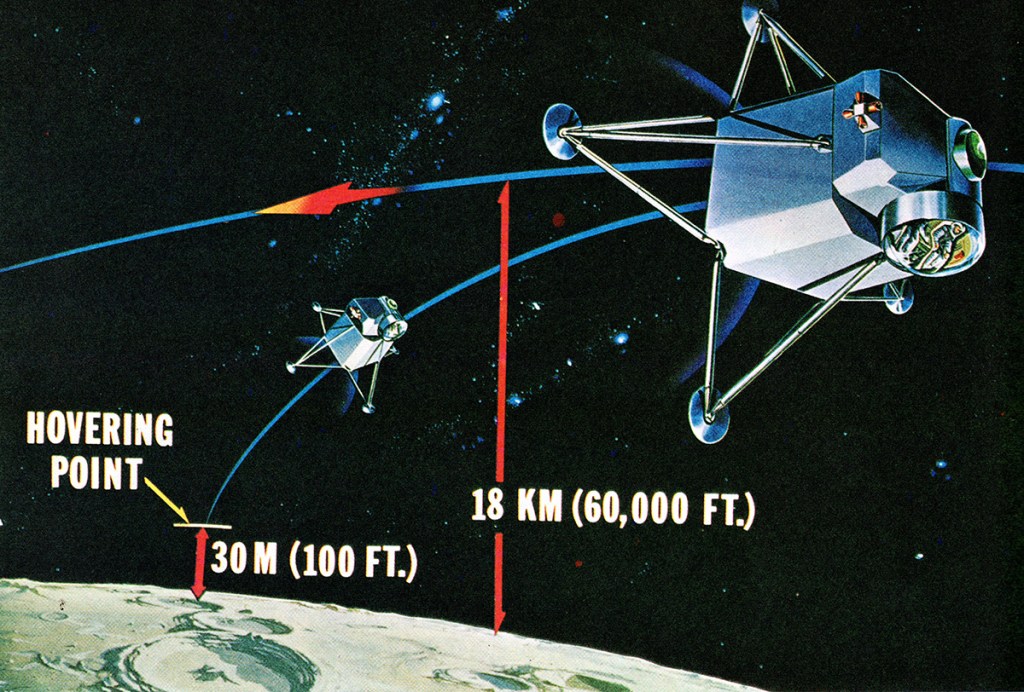
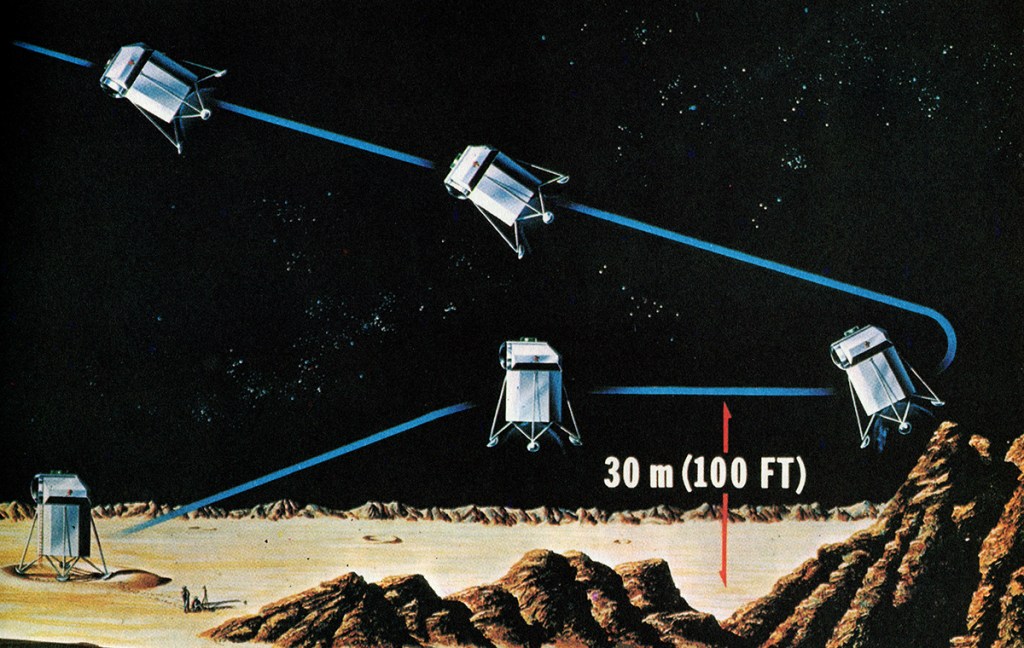
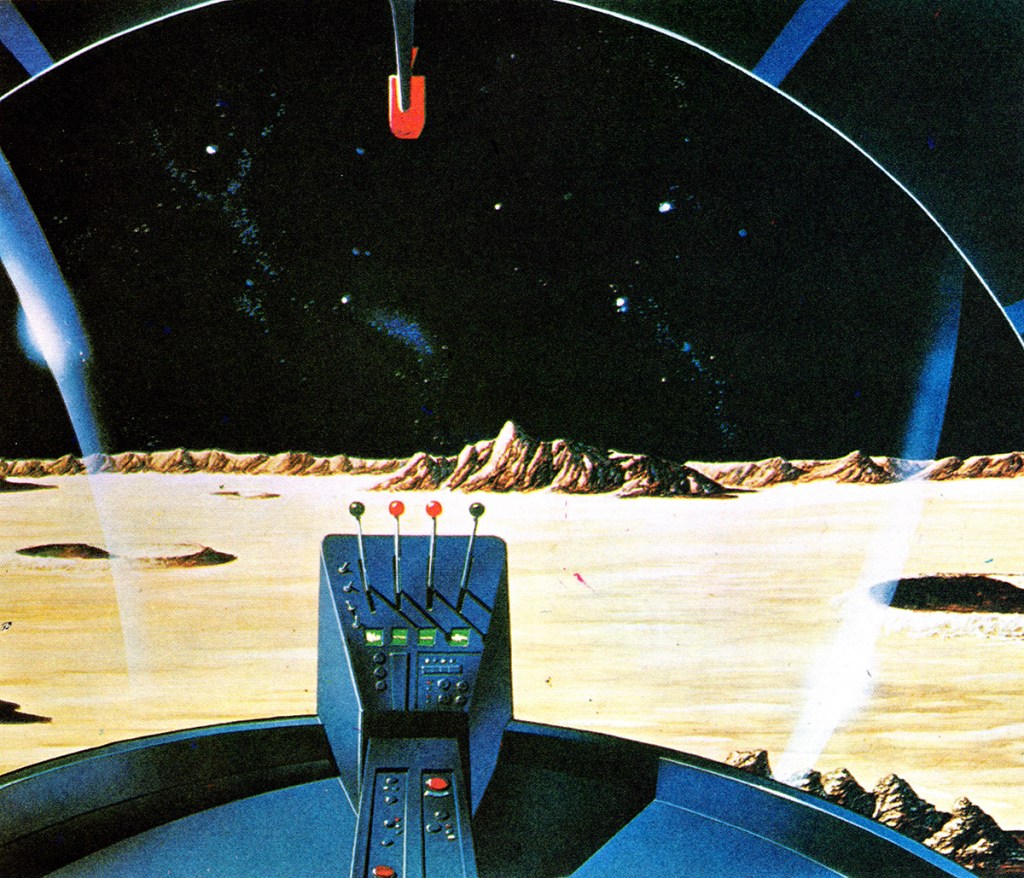
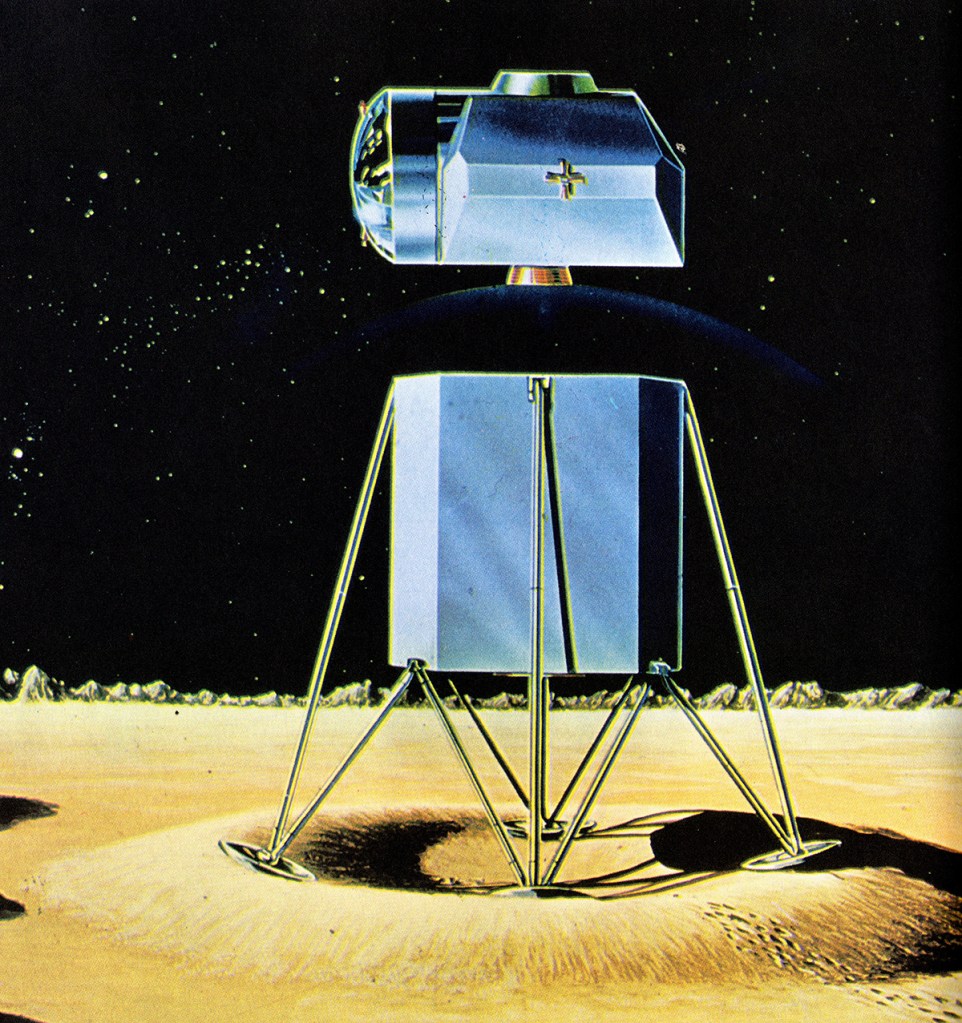
NASA artwork as it appeared in We Land On The Moon by John Raymond in 1963.
see also:
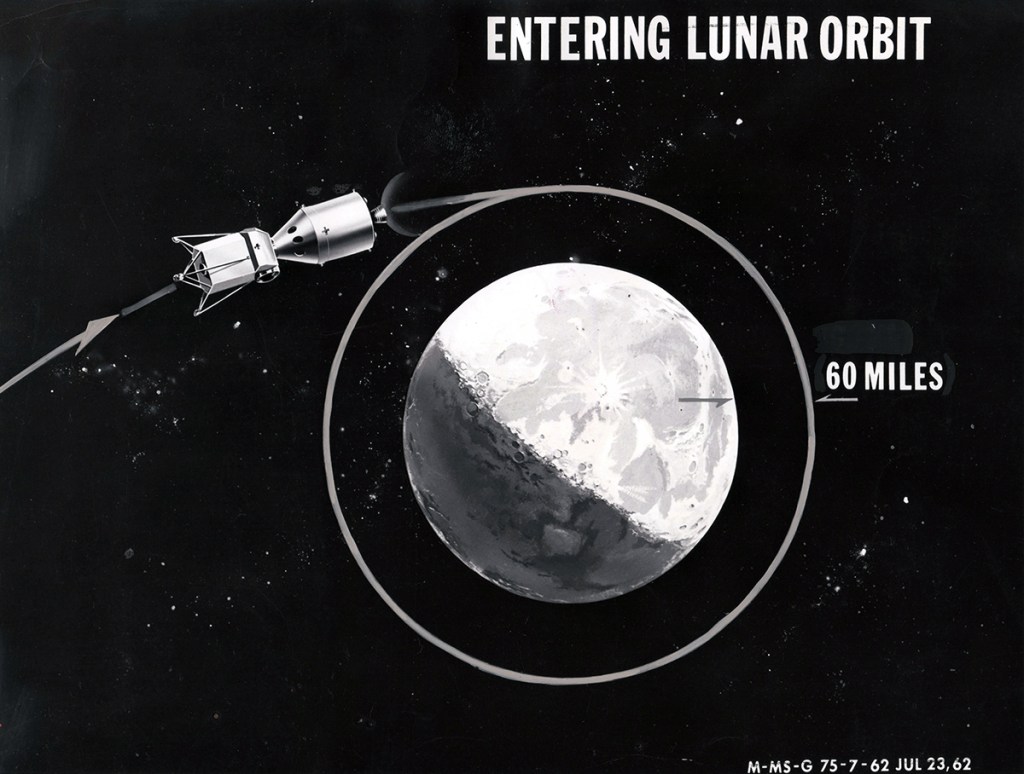
Beautiful scan of an original NASA issued lithograph.
and also:
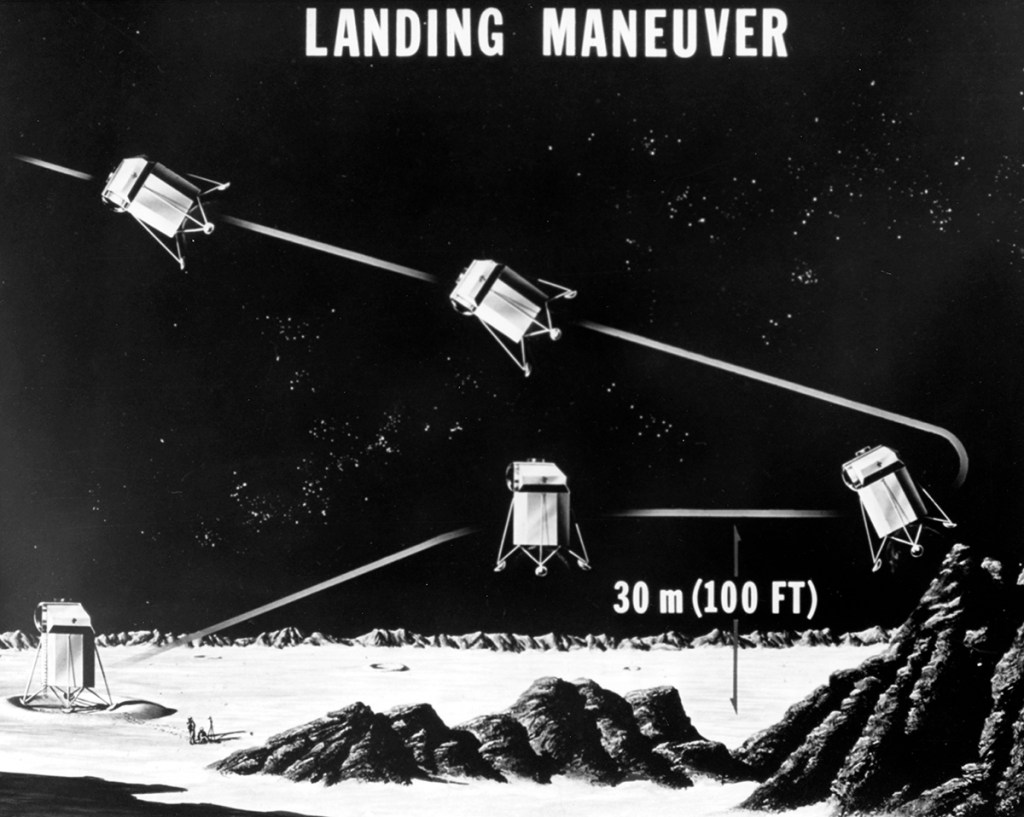
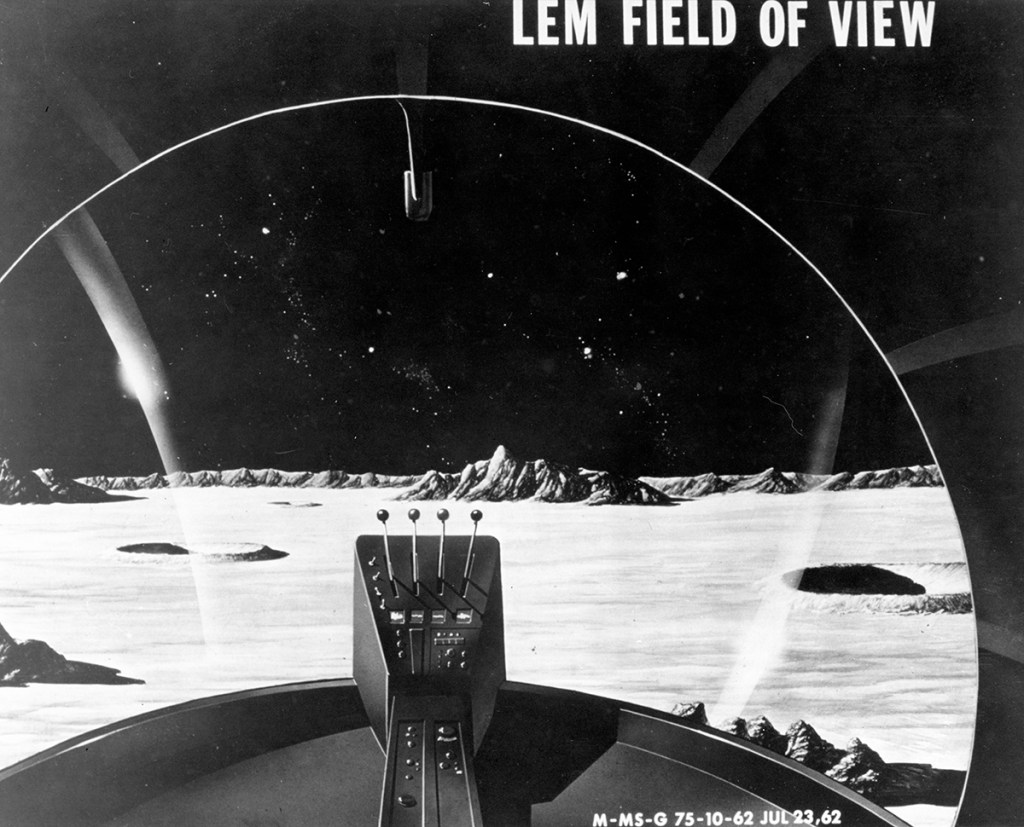
Image credit: NASA
Image source: Mike Acs, Drew Granston, Numbers Station
Image credit: NASA
Image source: Numbers Station
Image credit: NASA
Image source: Mike Acs

see also:
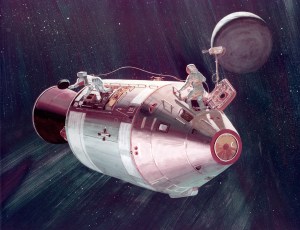
It took me a few, but the lower version is either an earlier or later version of the same painting. The figure representing James B. Irwin is a repaint. My guess is the image on NASA’s site is later, reworked to give the figure a slightly more dramatic pose. The painting is by a North American Rockwell artist.
Image credit: NASA JSC
Images: NASA Images, Numbers Station
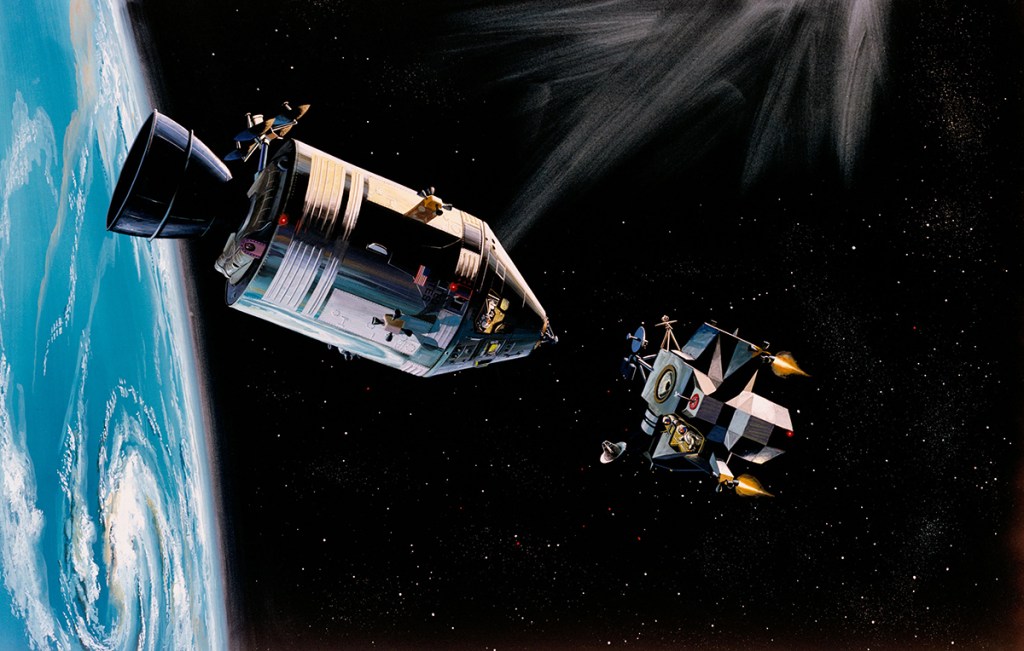
S69-18546 (February 1969) — North American Rockwell artist’s concept illustrating the docking of the Lunar Module ascent stage with the Command and Service Modules during the Apollo 9 mission. The two figures in the Lunar Module represent astronauts James A. McDivitt, Apollo 9 commander; and Russell L. Schweickart, lunar module pilot. The figure in the Command Module represents astronaut David R. Scott, command module pilot. The Apollo 9 mission will evaluate spacecraft lunar module systems performance during manned Earth-orbital flight.
Image credit: NASA JSC
Image source: NASA Images
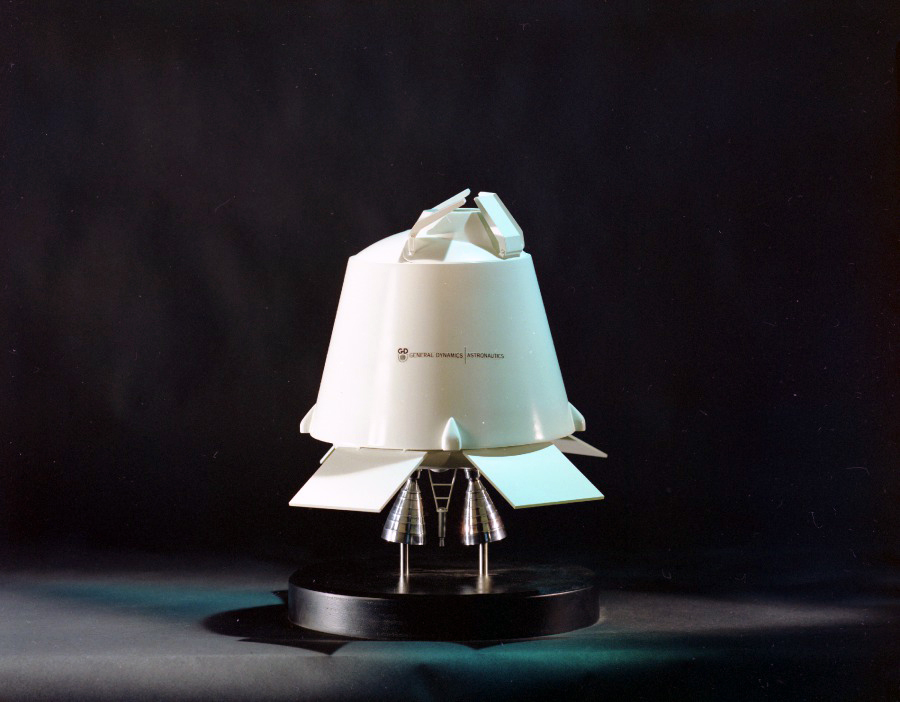
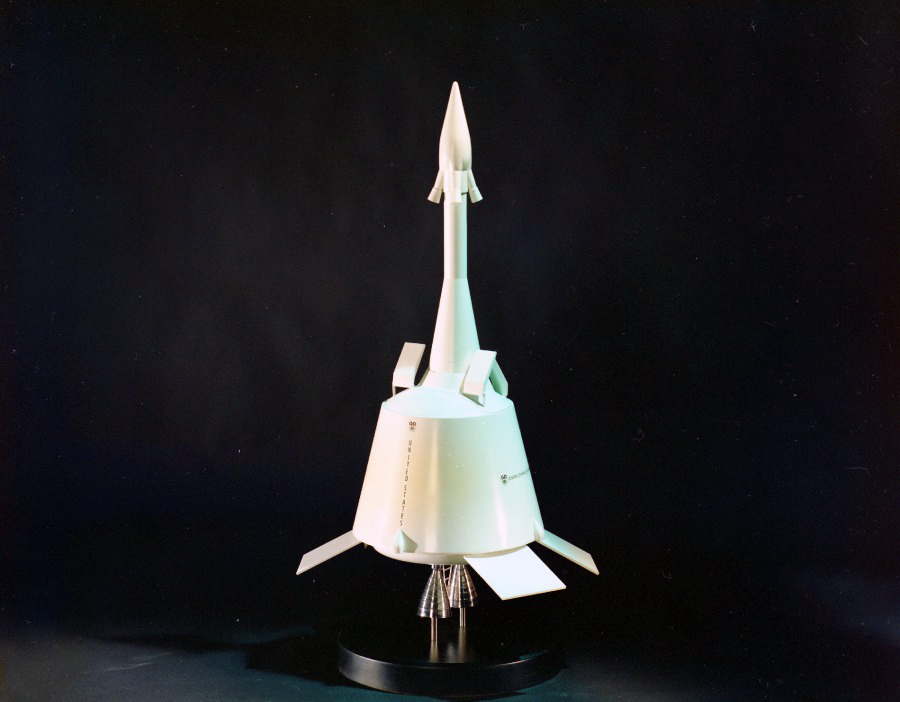
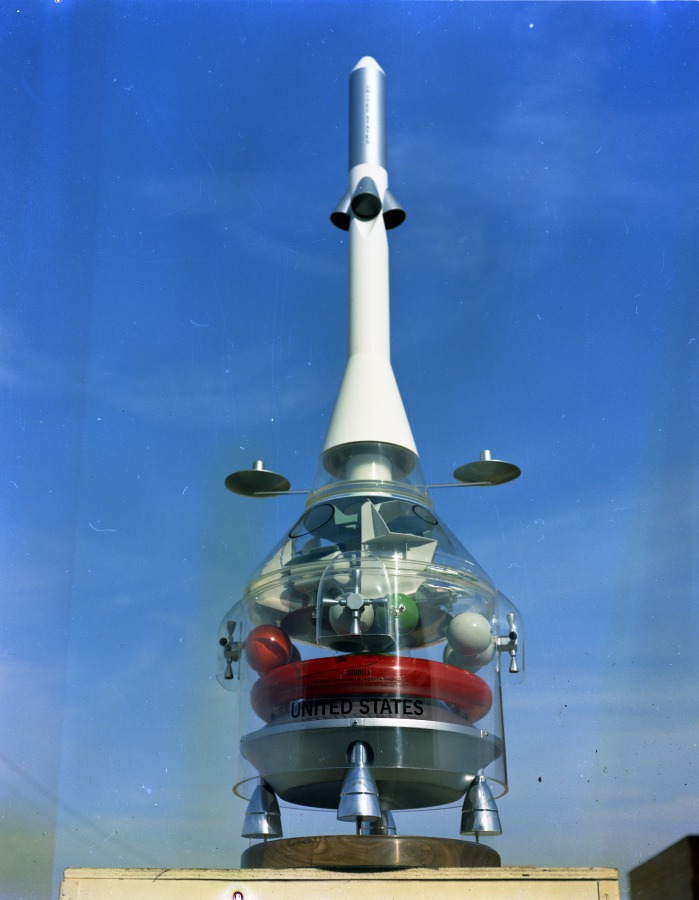
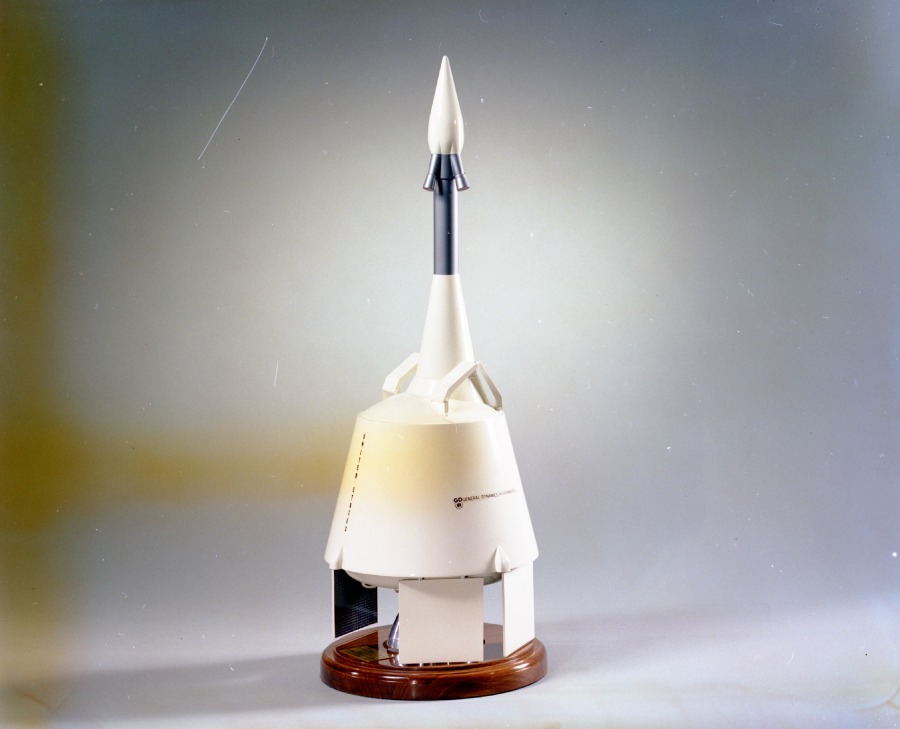
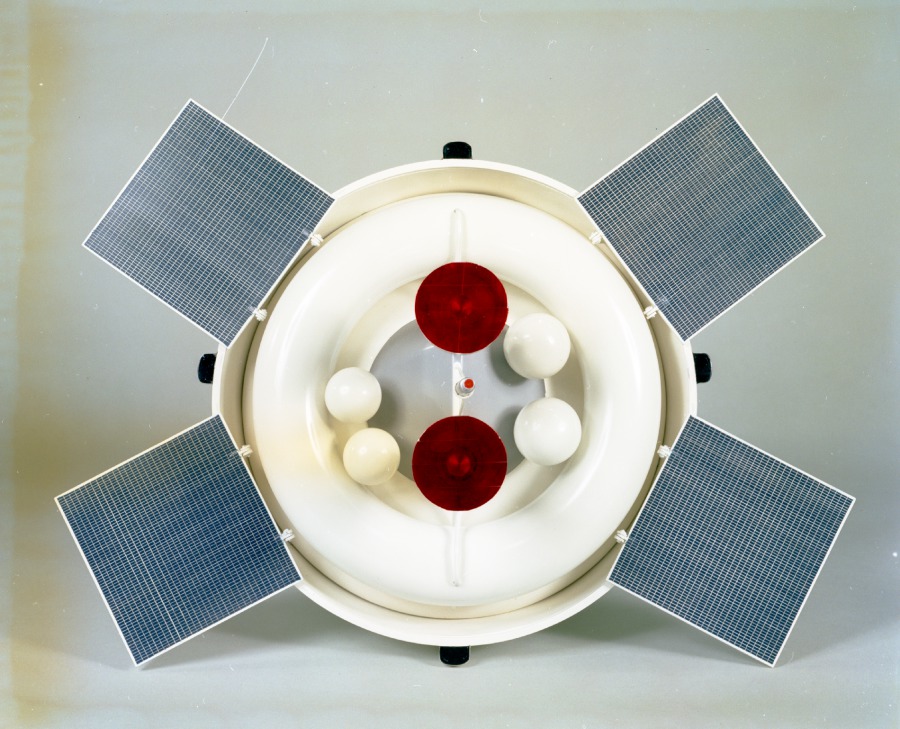
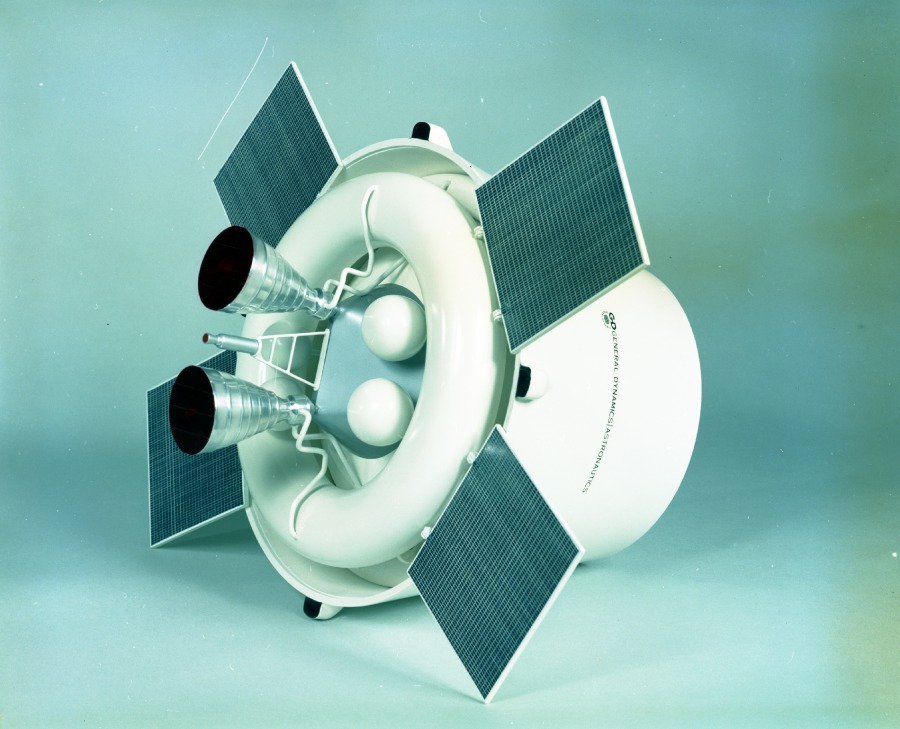
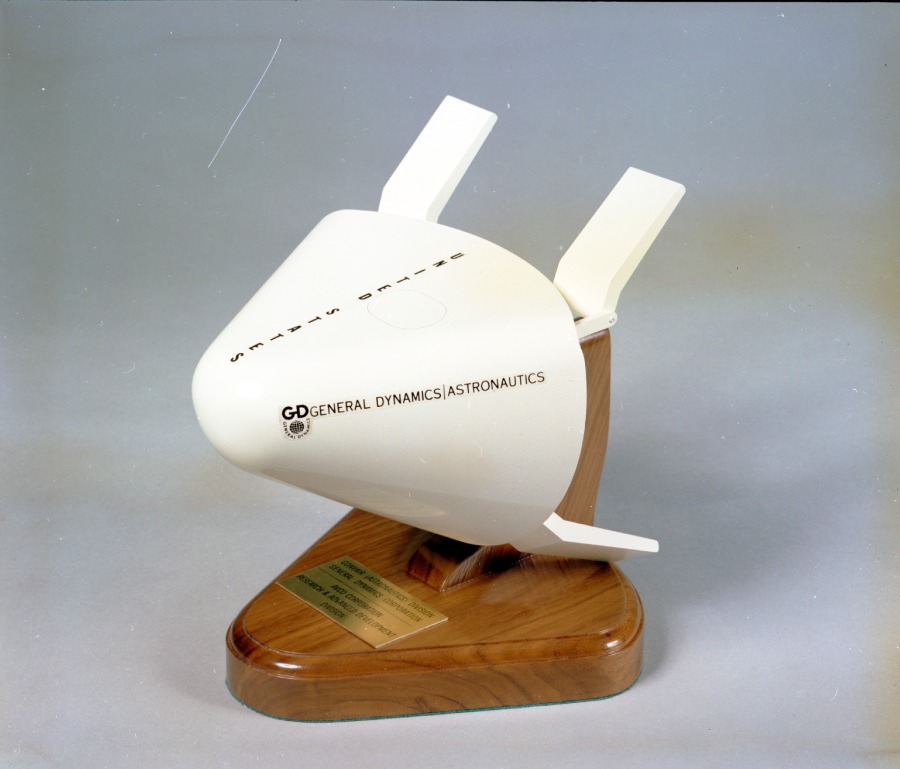
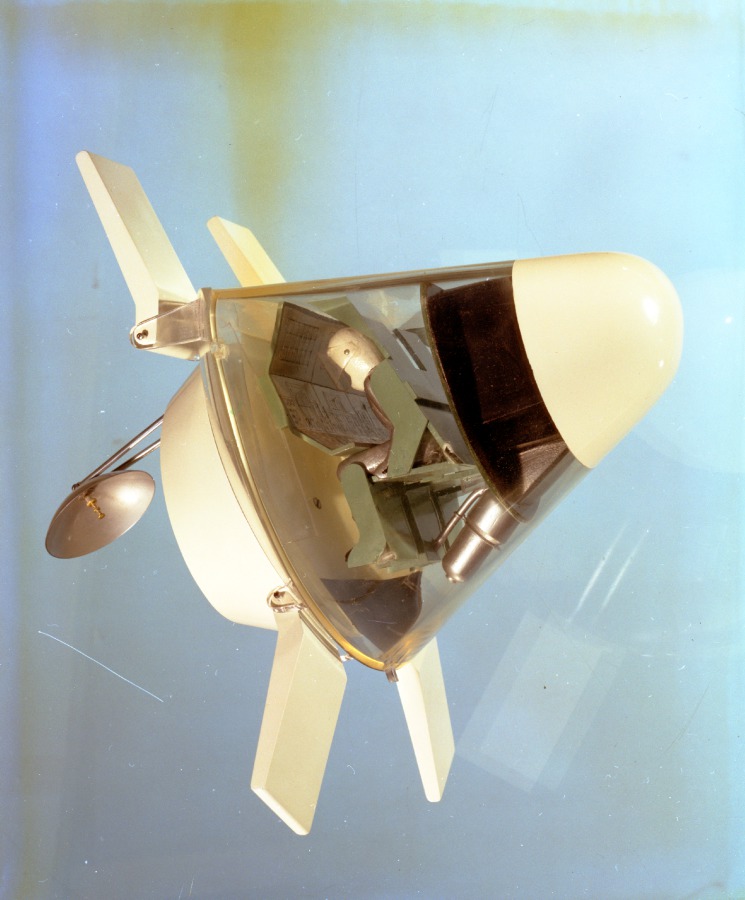
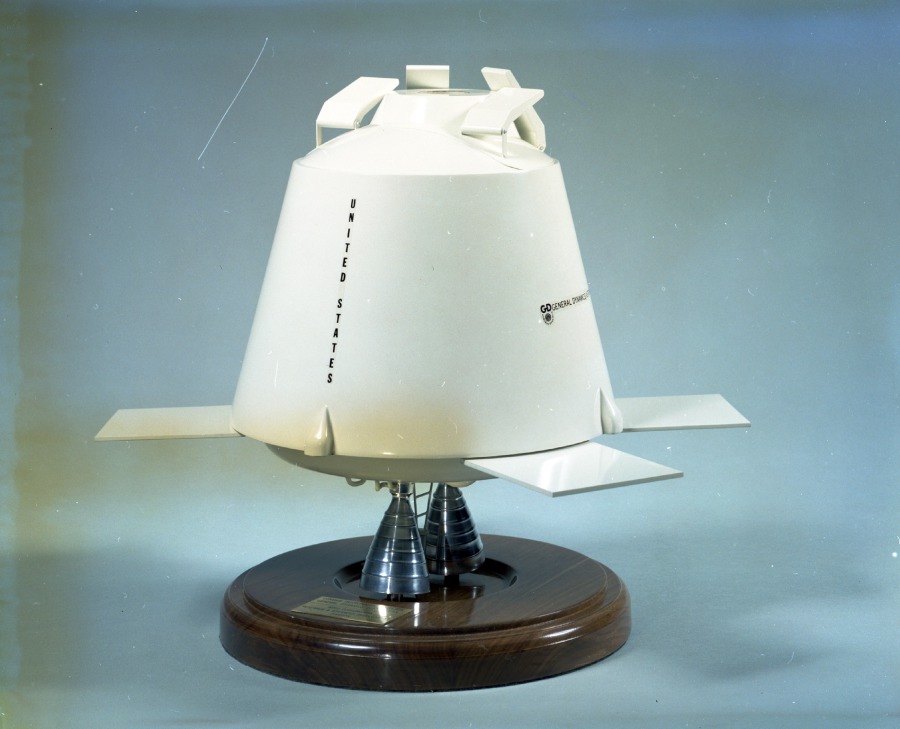
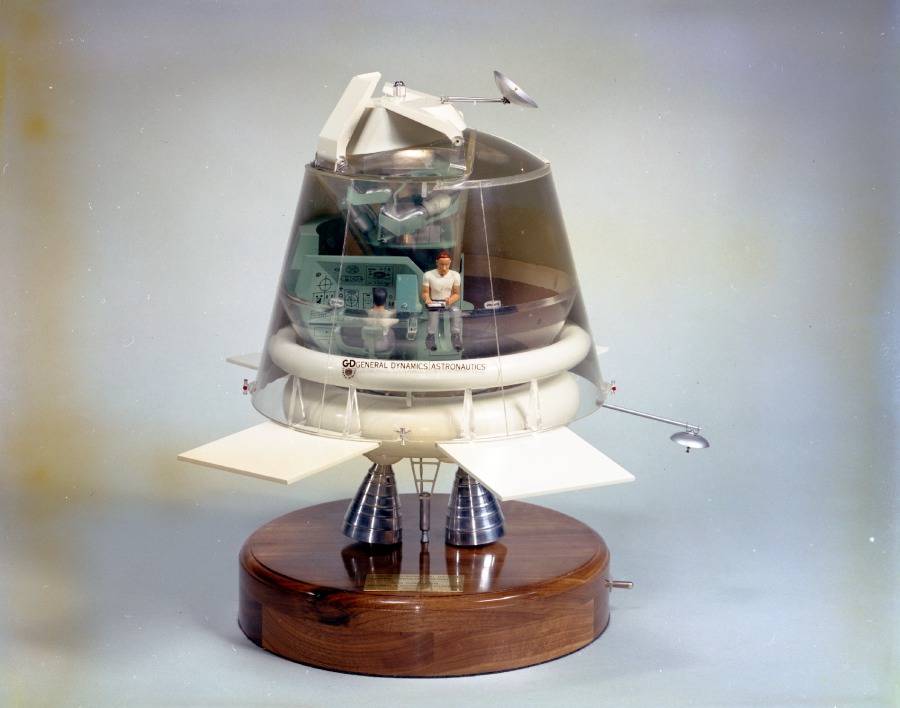
Image credit: Convair
Image source: SDASM Archives
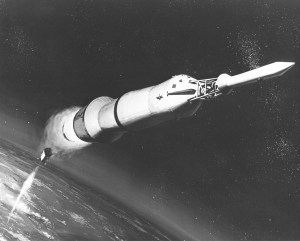
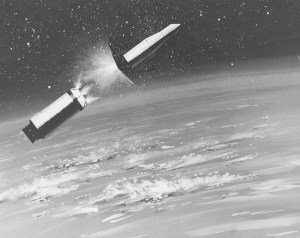
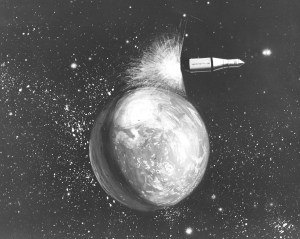
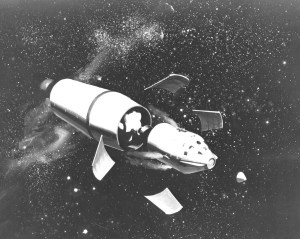

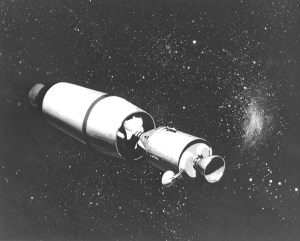
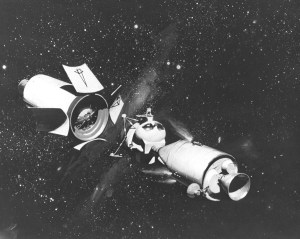
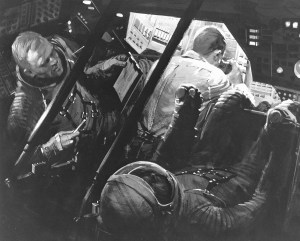
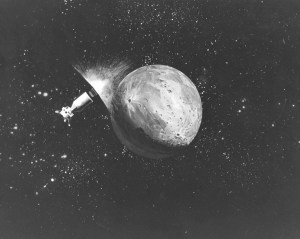
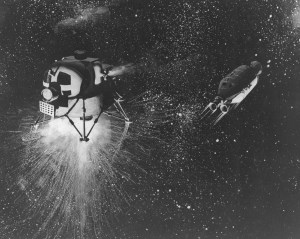
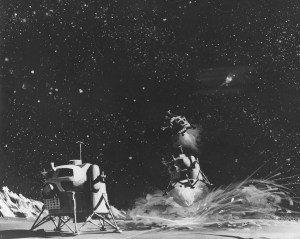
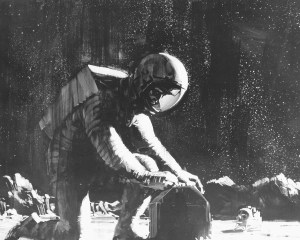
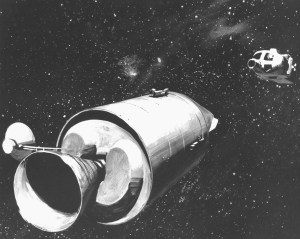
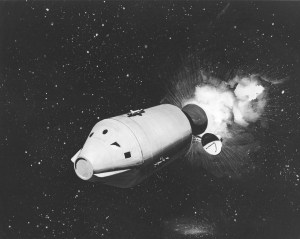
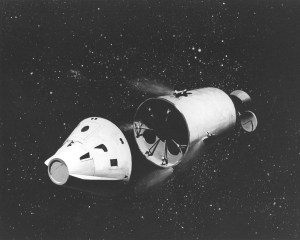
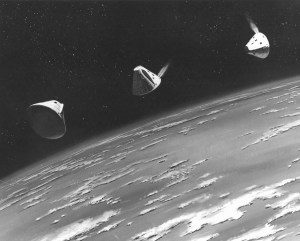
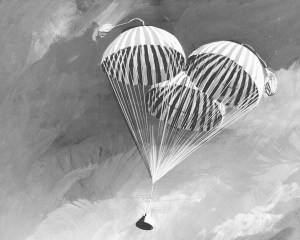
Image credit: NASA
Image source: Mike Acs
