Image credit: NASA
Image source: Mike Acs
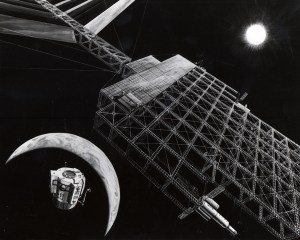
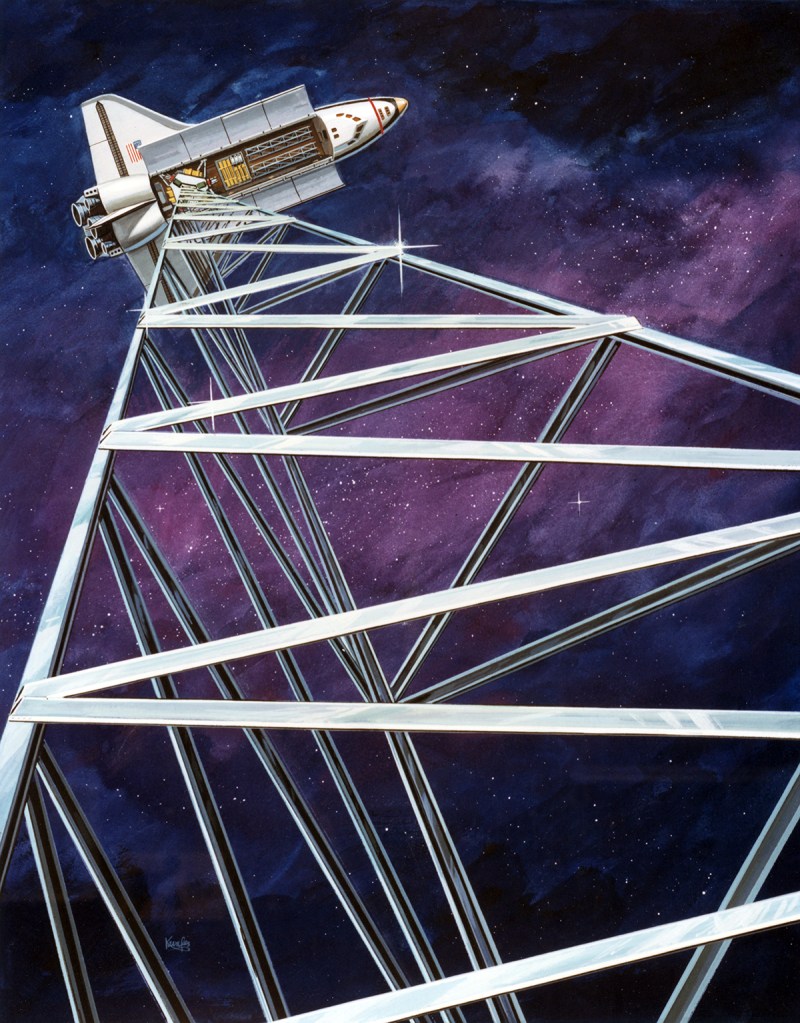
This is what an artist envisioned the Solar Power Satellite would look like. Shown is the assembly of a microwave transmission antenna. The solar power satellite was to be located in a geosynchronous orbit, 36,000 miles above the Earth’s surface.
Image credit: NASA
Image source: NASA on The Commons
Image credit: NASA
Image source: National Archives
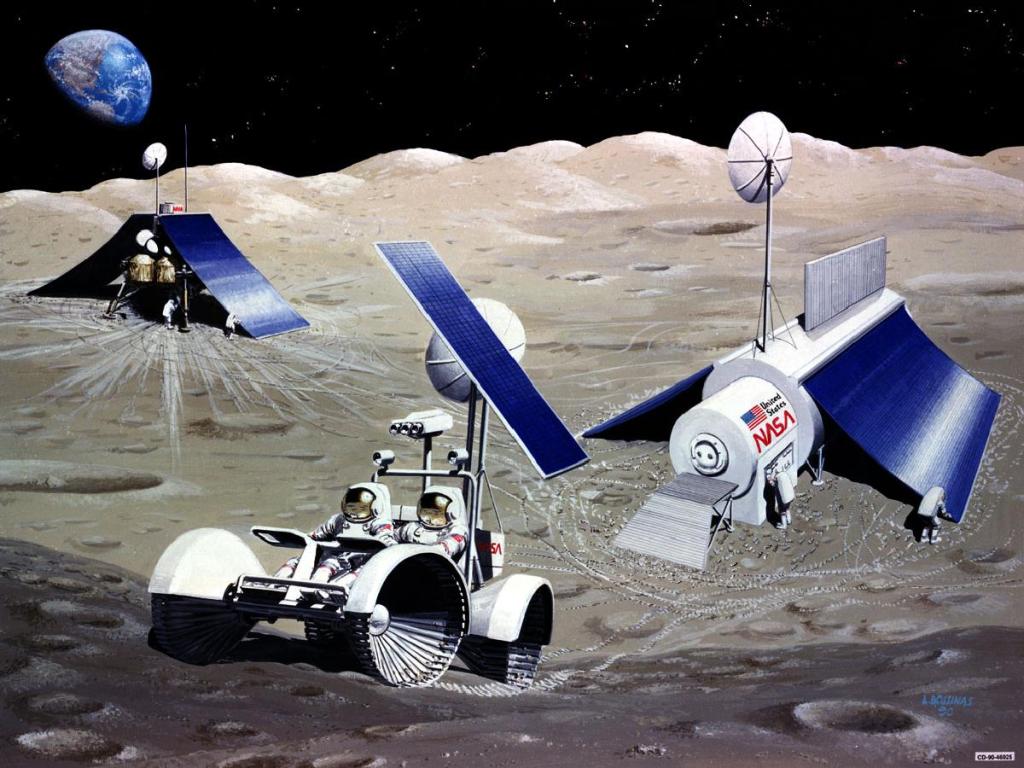
Image credit: NASA LRC
Image source: NASA Images


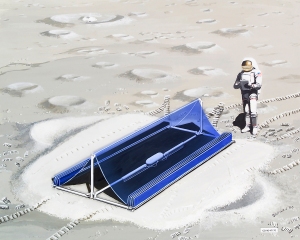


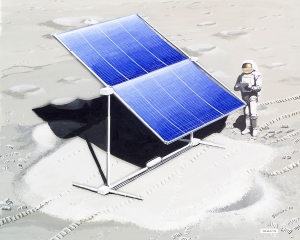
In this series by Lewis Research Center artist Les Bossinas, an astronaut demonstrates multi-purpose solar arrays. As it harnesses the power of the sun, the first can be configured as a wind-tunnel for protecting strawberries or used as a tent for children’s garden parties. The second model can be used as a balance beam for gymnastics, a ping pong table, or folded up to create a porch screen. Just the thing for an evening cocktail while watching the sunset.
Image credit: NASA LRC
Image source: DVIDS
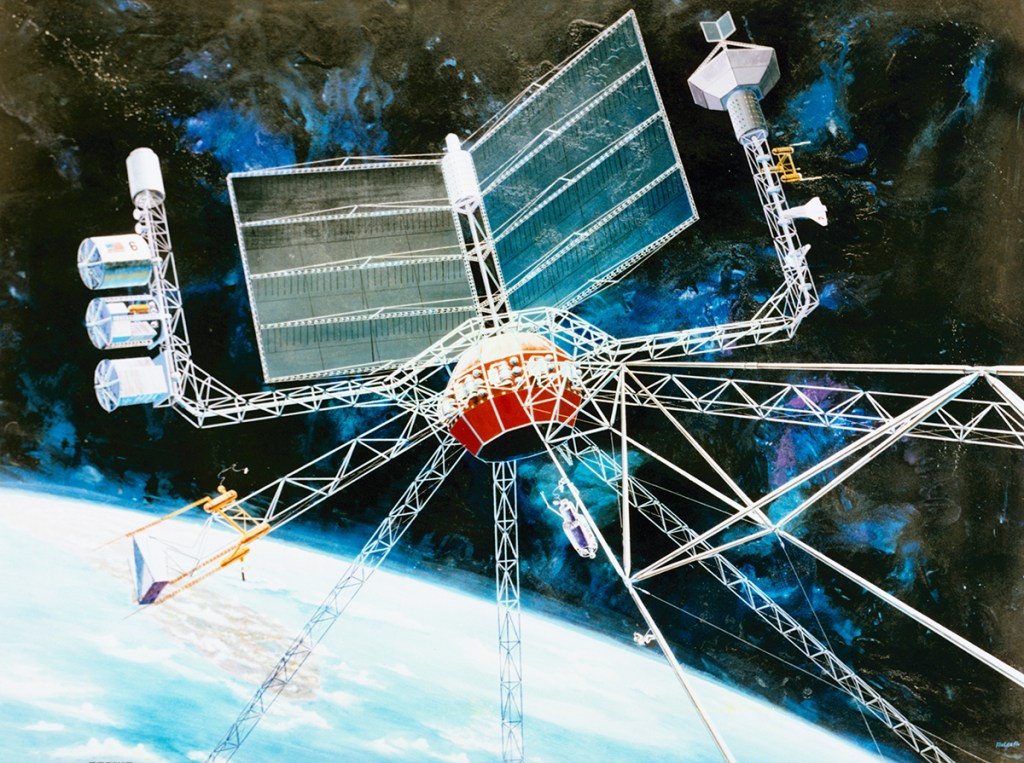
Image credit: Boeing
Image source: National Archives
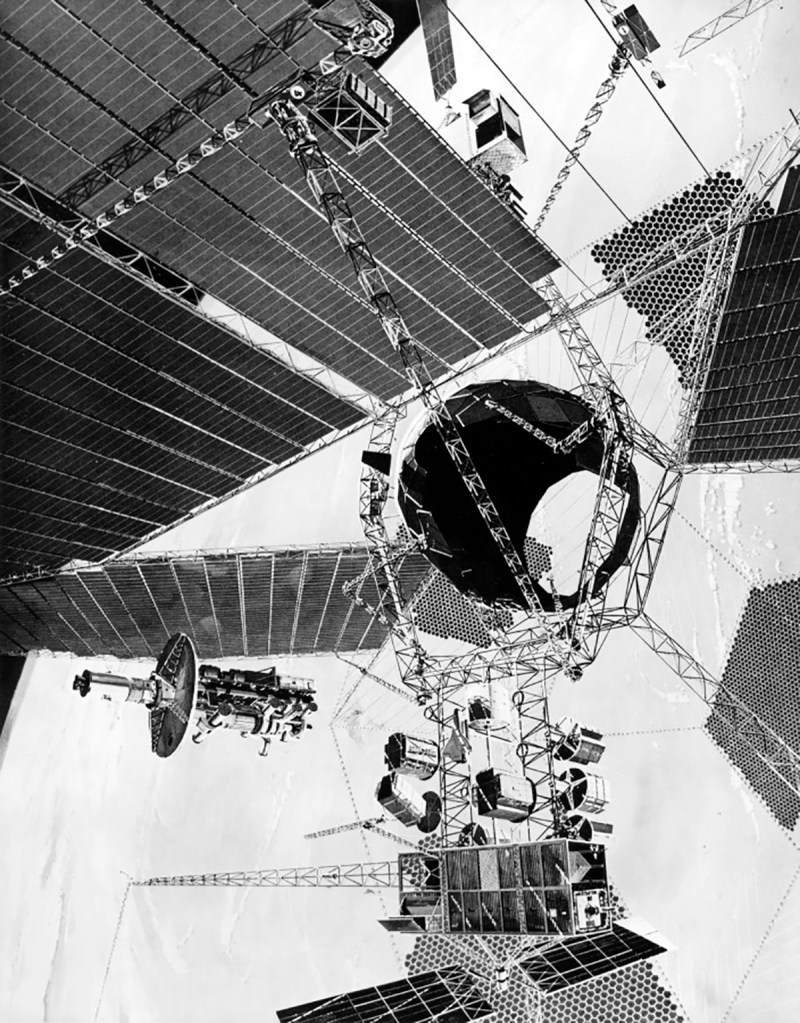
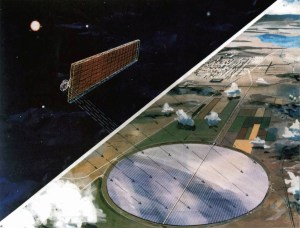
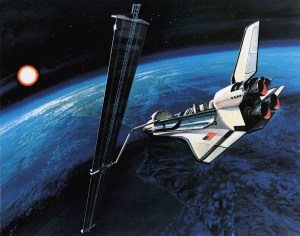
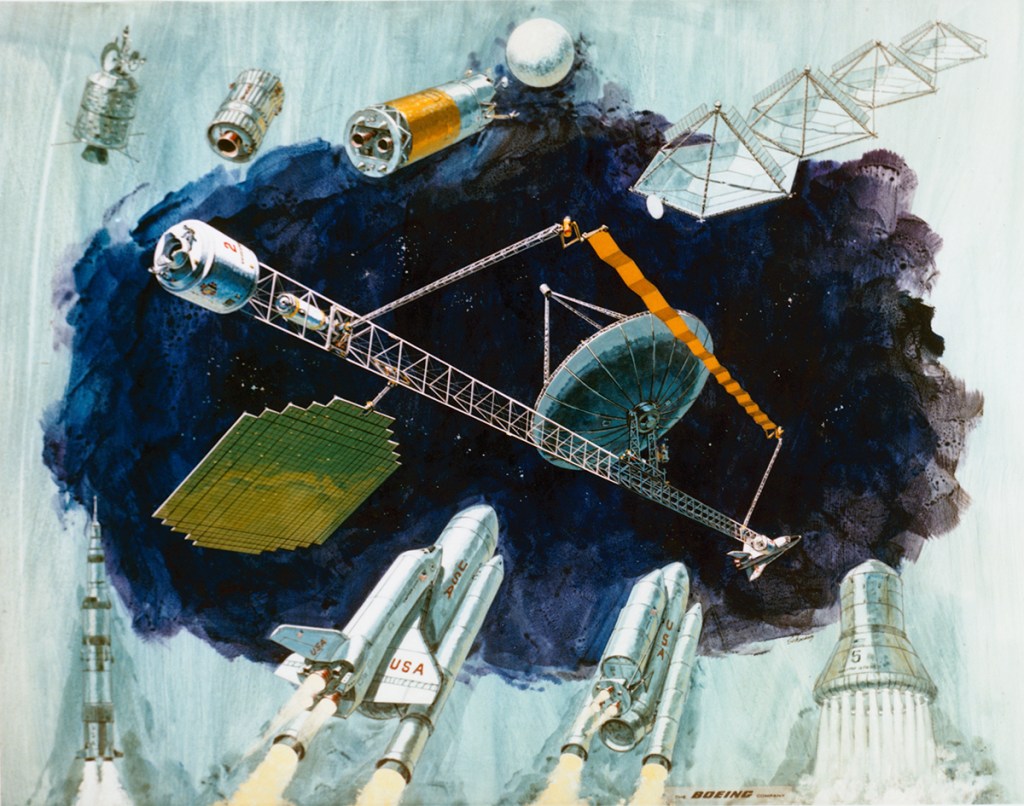
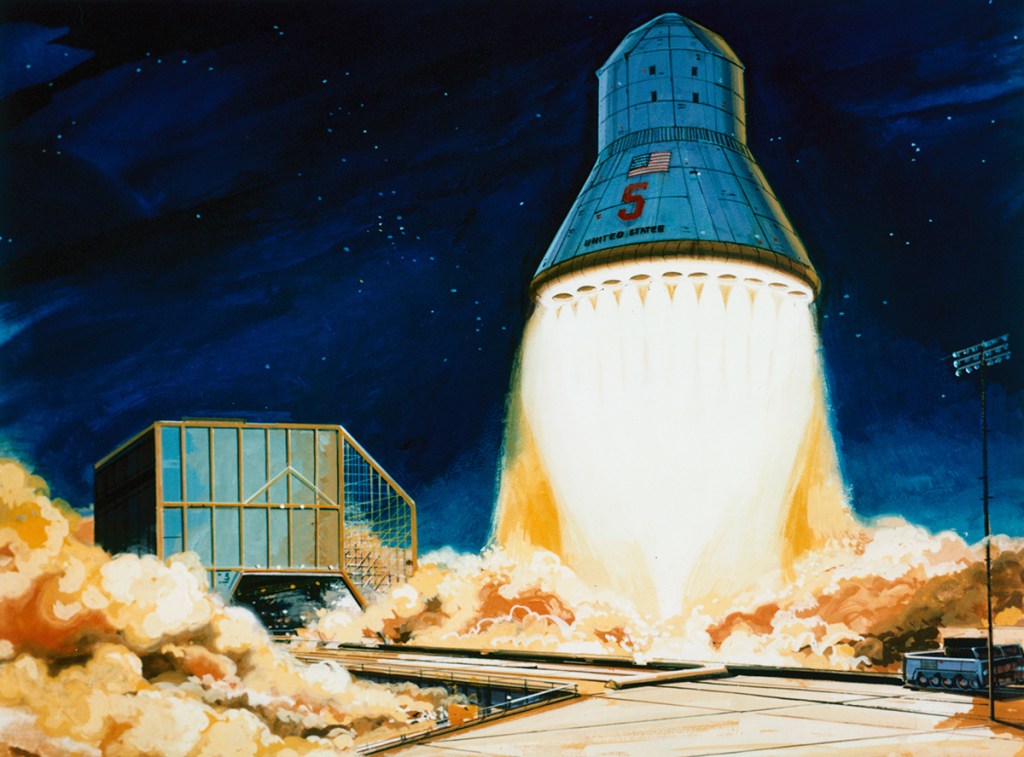
In the aftermath of the ’70s oil crisis, Boeing designed a solar power satellite system that could supply most of the the United States with electricity. Boeing’s plan envisioned satellites the size of small cities placed in geosynchronous orbit, transmitting electrical energy back to Earth as microwaves. The satellites would either be constructed in low Earth orbit for later deployment into a higher orbit or constructed directly at the higher orbit.
Image credit: Boeing
Image source: SDASM Archives