Image credit: North American Rockwell
Image source: Numbers Station
Image credit: North American Rockwell
Image source: Numbers Station
Image credit: North American Rockwell
Image source: Numbers Station
Image credit: Boeing
Image source: Numbers Station
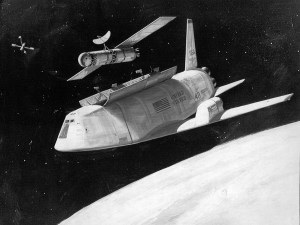
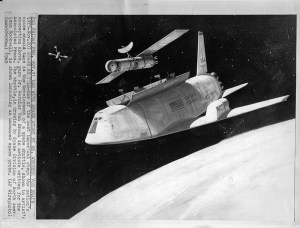
FOR FRIDAY PMS. NOV. 21 USE WITH SPACE STORY BY DR. WERNHER VON BRAUN
(NY5-Nov.20) SPACE SHUTTLE — One of the most important steps the nation’s space should take is the development of a space shuttle, shown here in artist’s conception above, says Dr. Wernher Von Braun in article written for the Associated Press. The shuttle, in drawing by Space Division of North-American Rockwell, is shown launching an unmanned space probe. (AP Wirephoto) (hmb50400ho) 1969
Image credit: North American Rockwell
Image source: Numbers Station
Image credit: North American Rockwell
Image source: Numbers Station
Image credit: Martin
Image source: Numbers Station
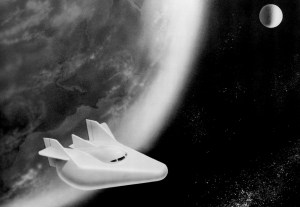
(ADVANCE FOR AMS OF TUESDAY, FEBRUARY 26, WITH SPACECRAFT STORY)
(NY11-Feb. 24) WINGLESS, PILOTED SPACECRAFT TO BE TESTED — This is an artist’s conception of the wingless, piloted spacecraft that can be maneuvred over 1,000 miles for landing after re-entering the atmosphere. The craft, shown leaving the vicinity of the earth for a mission in space, is slated for testing in the early spring. The new concept, knowing as the “M-2 Lifting Body,” was to be unveiled Tuesday by scientists of the Ames Research Center, National Aeronautics and Space Administration, at Moffett Field, Calif.
(NASA Photo via APWirephoto) (prll400nasa) 1963
Image credit: NASA
Image source: Numbers Station
Image credit: NASA
Image source: Numbers Station
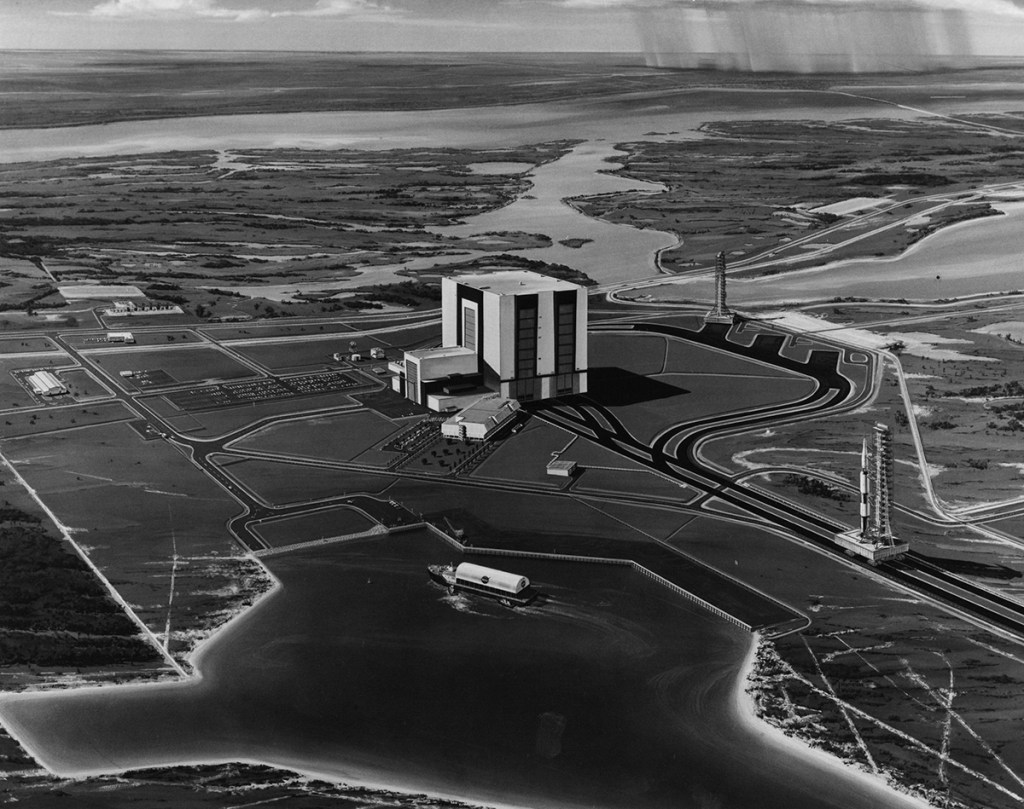
114-KSC-65C-2677 UNCL. 4/20/65
NASA//PRES. W/O 3948
DRAWING OF MILA.
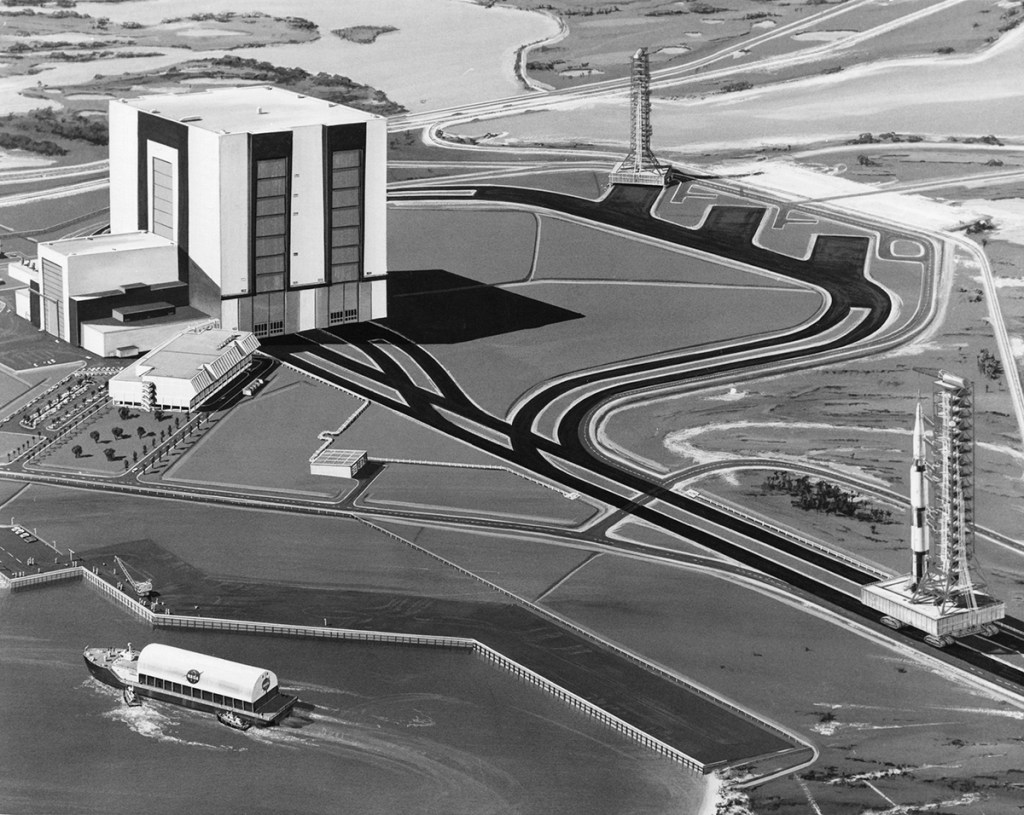
114-KSC-65C-2678 UNCL. 4/20/65
NASA//PRES. W/O 3848
ARTIST DRAWING OF VAB AND LUTS,
FROM TURNING BASIN.
Image credit: NASA
Image source: Numbers Station

Image credit: Boeing
Image source: Numbers Station
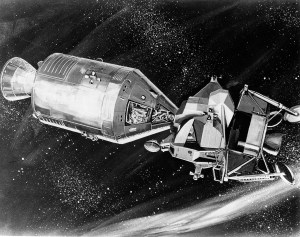
108-KSC-69P-74 UNCL. 1-27-69
69-HC-85
69-H-139
NASA/APOLLO
ARTIST’S CONCEPT OF THE APOLLO COMMAND MODULE AND SERVICE MODULE DOCKED WITH THE LUNAR MODULE. ONE ASTRONAUT HAS ALREADY BEEN TRANSFERRED TO THE LM AND THE SECOND IS MANEUVERING HIMSELF THROUGH THE FORWARD HATCH CONNECTING THE TWO SPACECRAFT.
Image credit: NASA
Image source: Numbers Station
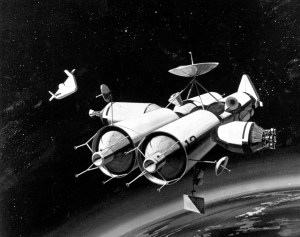
(ADVANCE FOR FRIDAY PMS, SEPT. 6 — WITH SPECIAL REPORT BY HOWARD BENEDICT)
(NY21 – Aug.30) AFTER APOLLO IS ON THE MOON — This artist’s conception presents one view of what a 12 to 24 man spacecraft may look like when scientists begin to plan for space development after the Apollo landing on the moon. The target date for that project is 1970, after which may come development of space stations, flights to Mars and moon bases. This type of spacecraft would be launched in pieces and assembled in space by astronauts. Crew replacement and supplies would be brought in by smaller craft, left.
(APWirephoto Drawing) (b61000ho)1963
Image credit: Douglas
Image source: Numbers Station
