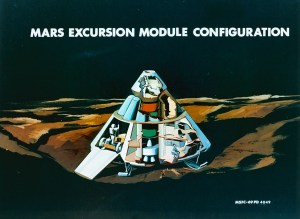
Image credit: NASA Lewis
Image source: National Archives
Image credit: NASA Lewis
Image source: National Archives
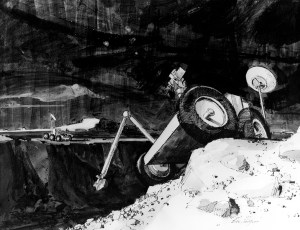
Image credit: NASA
Image source: Numbers Station
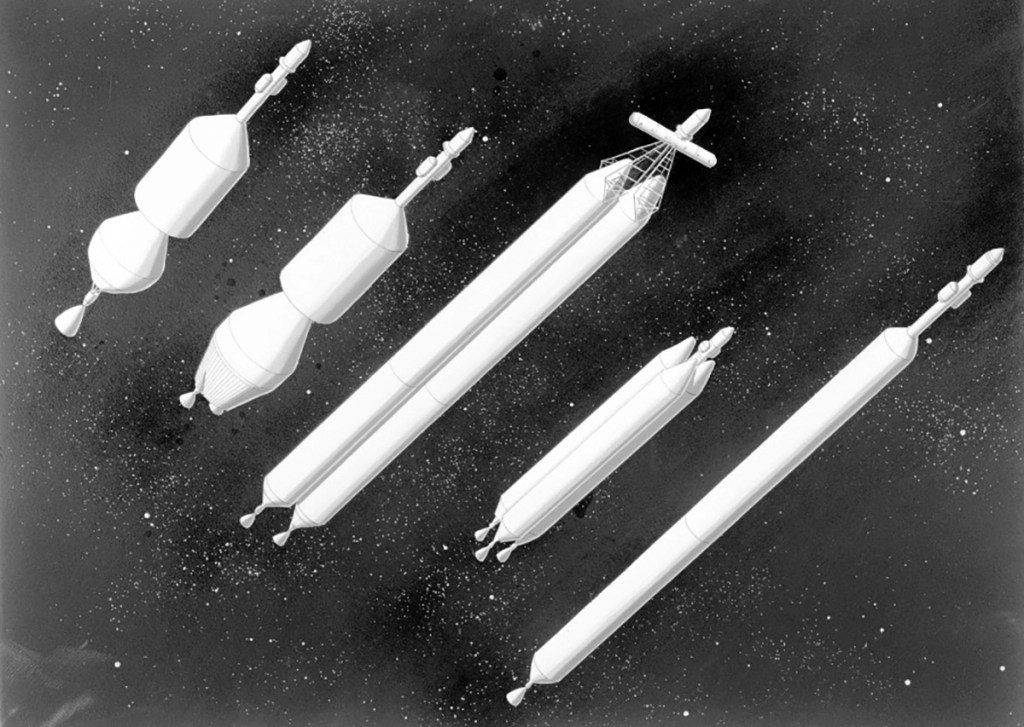
Image credit: General Dynamics / Astronautics
Image source: SDASM Archives
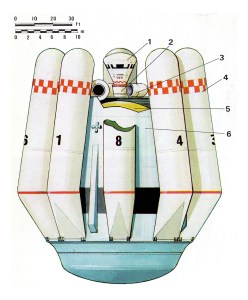
ROMBUS
Configuration for a manned Mars mission (Project Deimos).
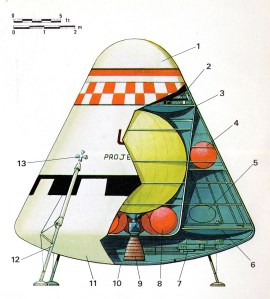
Project Deimos – Mars Landing Module
Frontiers of Space
Philip Bono & Kenneth Gatland
Macmillan, 1969
Image credit: Douglas
Image source: Numbers Station
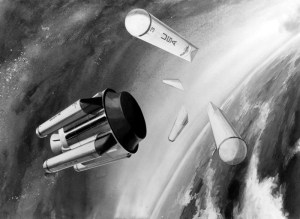
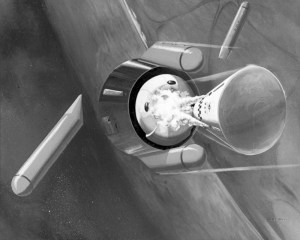
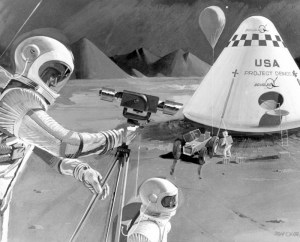
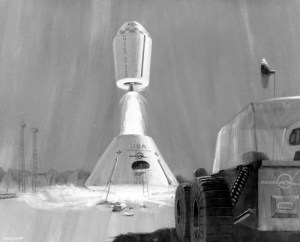
Mission to Mars (Project Deimos)
Frontiers of Space
Philip Bono & Kenneth Gatland
Macmillan, 1969
Image credit: Douglas
Image source: SDASM Archives
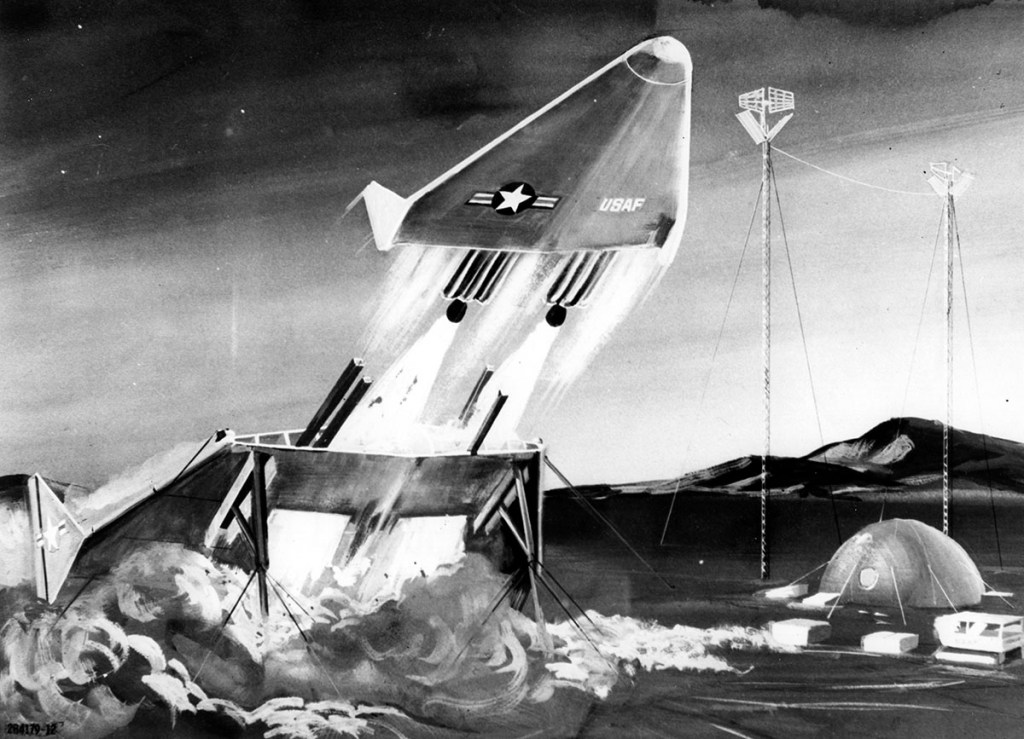
Image credit: Boeing / Chicago Daily News
Image source: Numbers Station
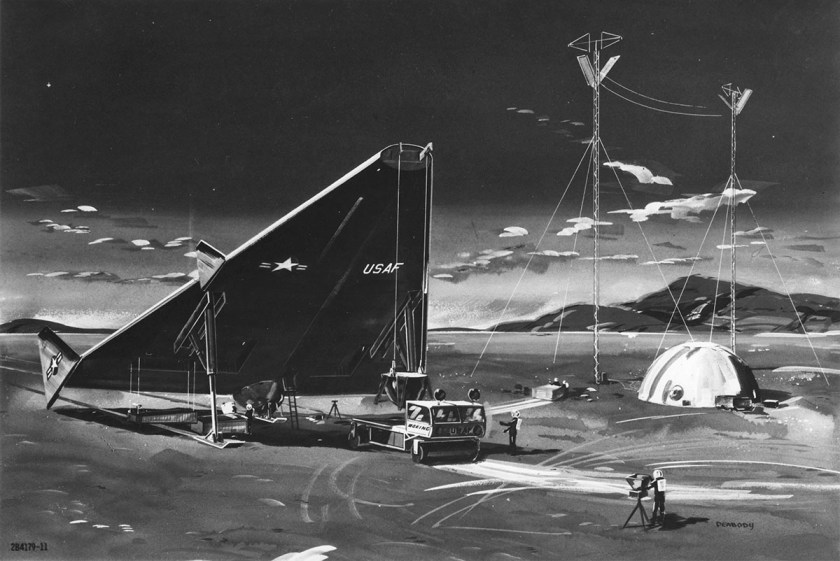
It’s January 1972.
Having safely glided to a stop on a Martian plateau, this illustration depicts the Operational Phase of the mission. The crew have already inflated their six meter habitat (it’s a tent), assembled the flat-pack steamroller and are shown removing the nuclear reactor so it can be dragged at least a kilometer from base camp so it won’t kill them.
With the reactor at a safe distance, the crew of eight have 479 days to explore the surface of Mars and maybe do a spot of gardening.
You can read more about this fascinating 1960 Boeing Study here.
Image credit: Boeing / Chicago Daily News
Image source: Numbers Station
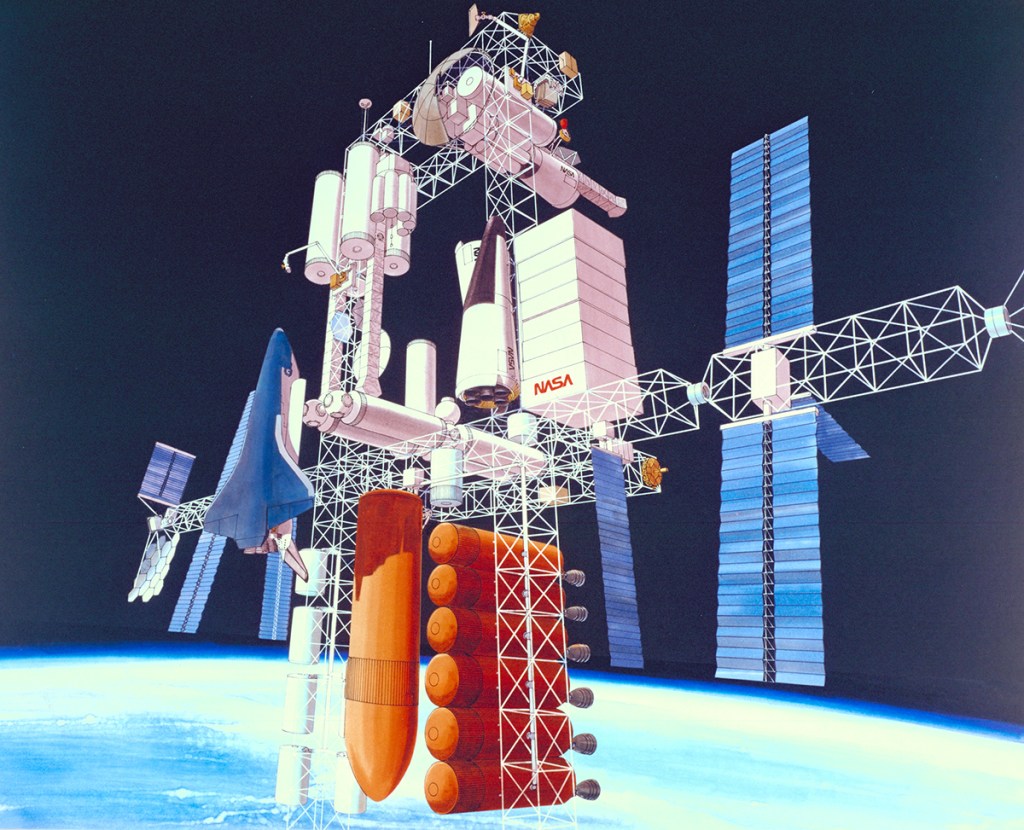
Image credit: NASA
Image source: NASA ARC
Image credit: NASA
Image source: NASA ARC
Image credit: NASA
Image source: NASA ARC
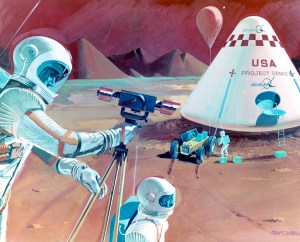
Image credit: Douglas
Image source: SDASM Archives
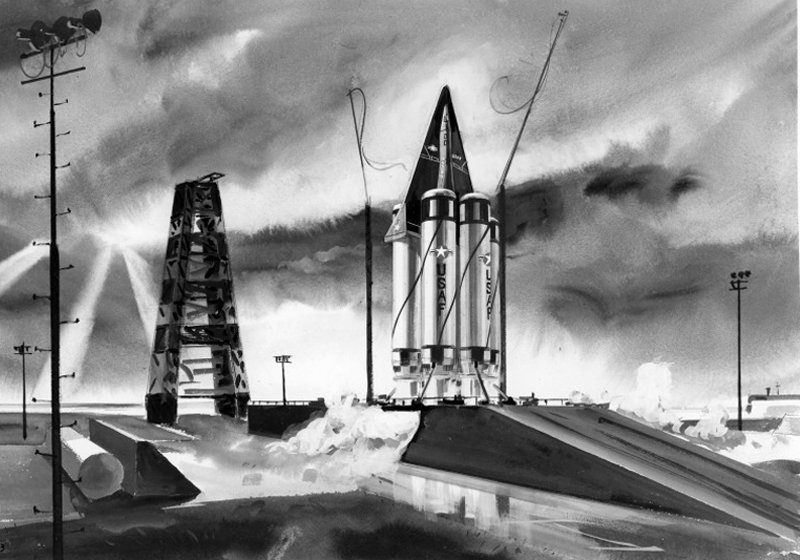
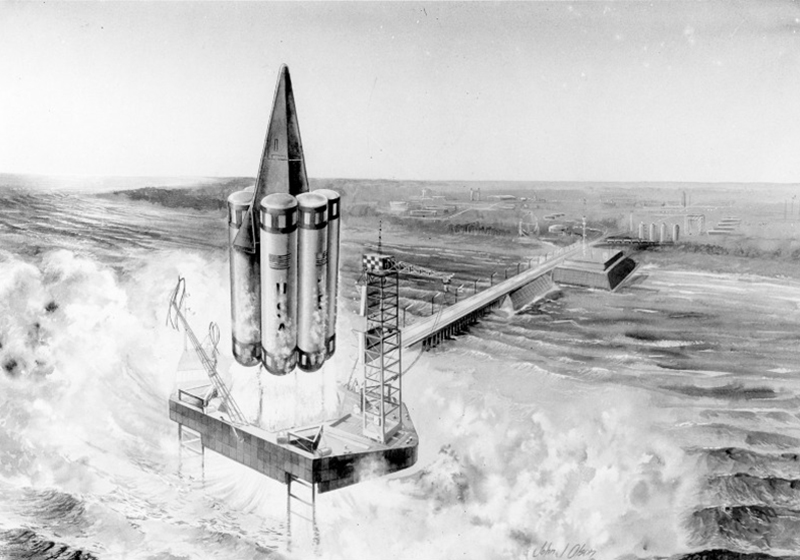
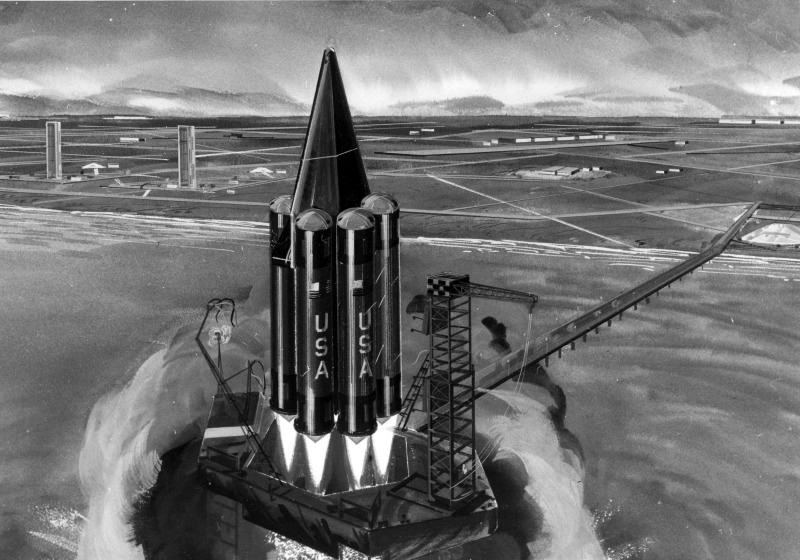
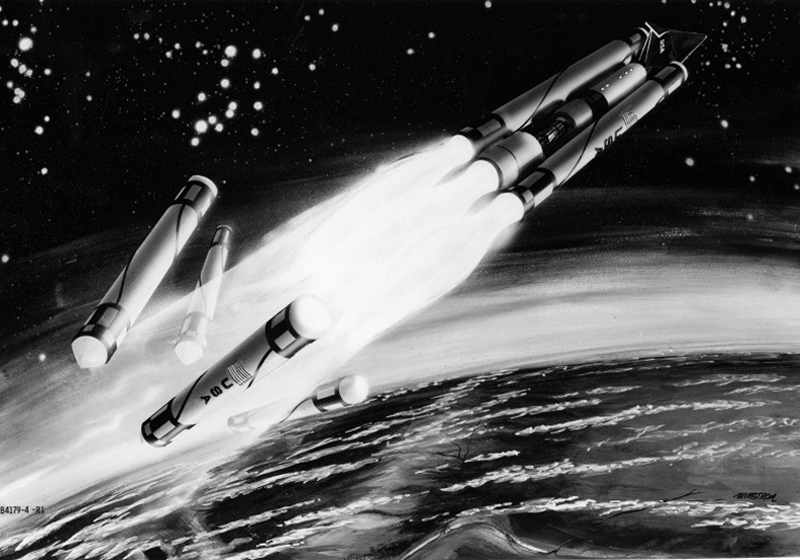
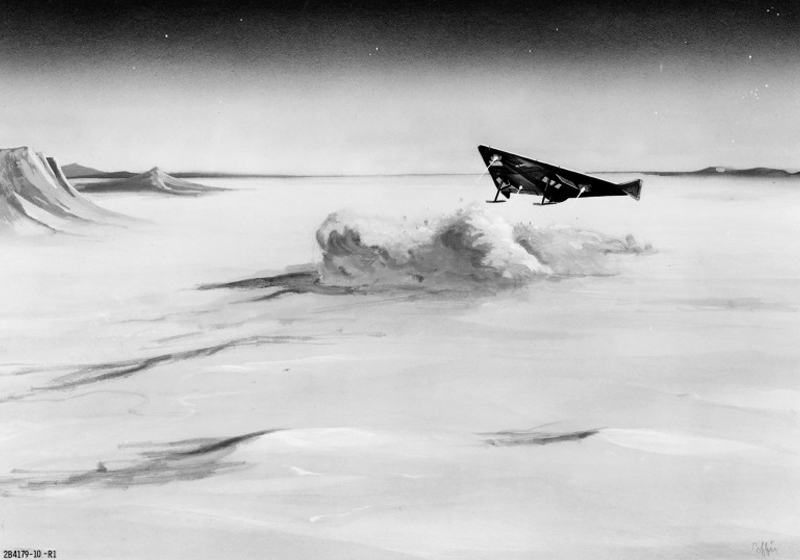
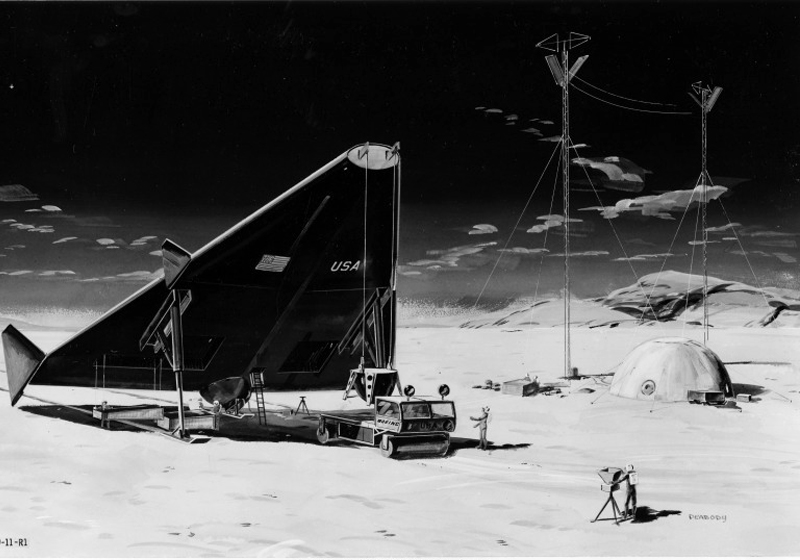
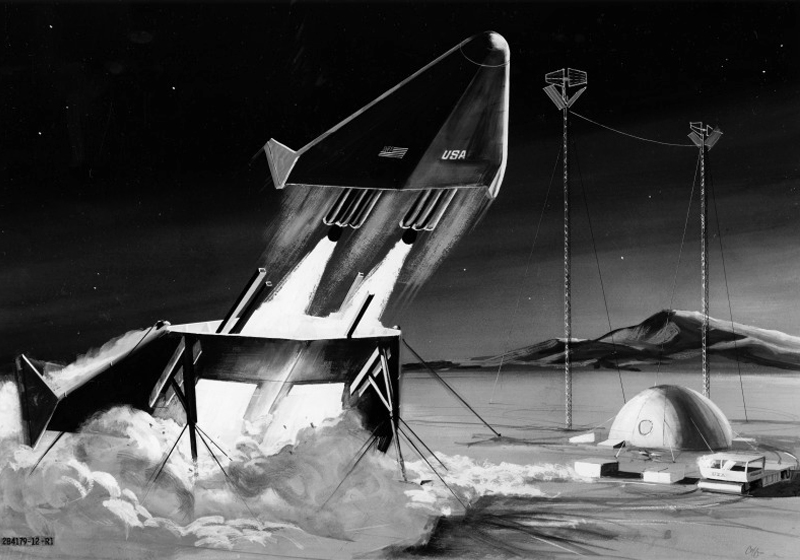
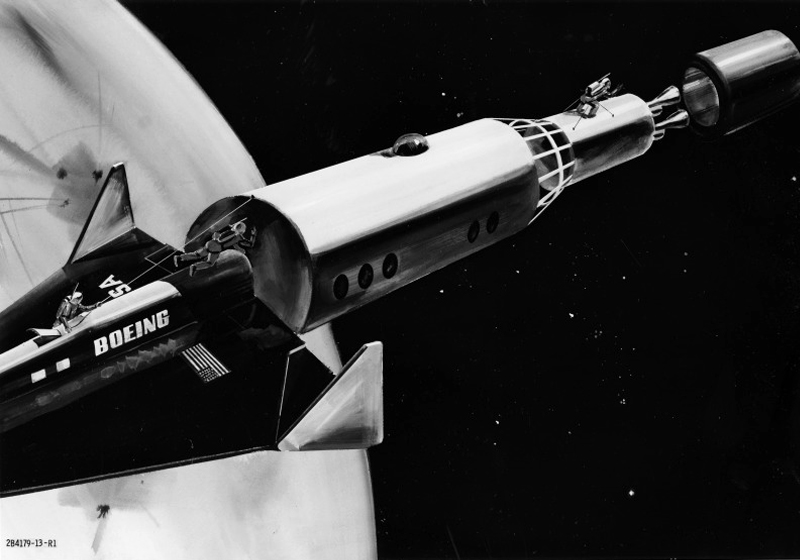
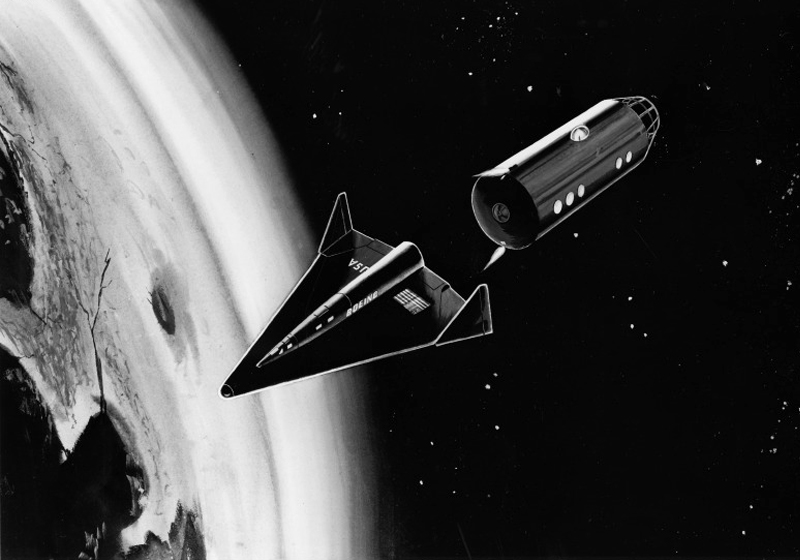
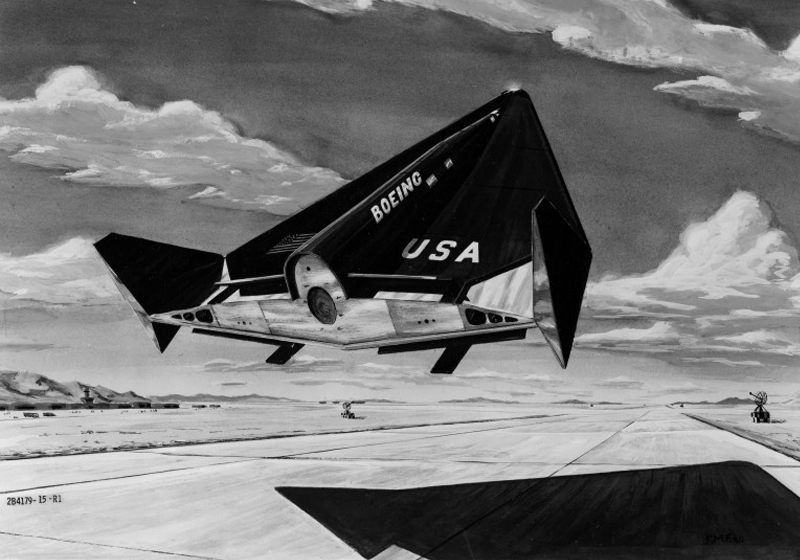
Image credit: Boeing
Image source: SDASM Archives
