Image credit: Martin Marietta
Image source: National Archives
Image credit: Martin Marietta
Image source: National Archives
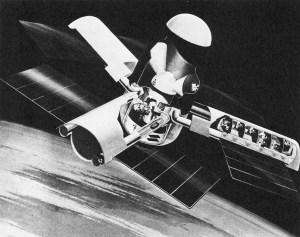
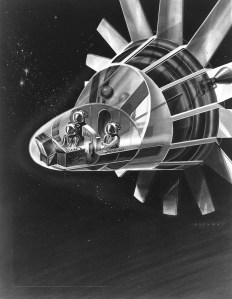
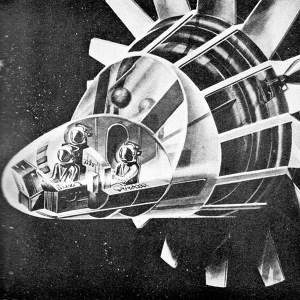
Three-armed LORL is shown in this artist’s sketch. Center hub, which contains parking area for several space ferries, does not rotate and thus remains weightless. Under the parking area is a laboratory for study of weightlessness. The three arms rotate around the hub to create artificial gravity. Cutaway of one arm shows it to contain a series of rooms for other laboratory requirements and studies.
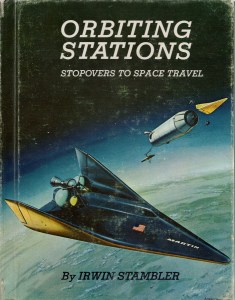
Orbiting Stations: Stopovers to Space Travel
Irwin Stambler
G.P. Putnam’s Sons, 1965
Image credit: Lockheed
Image source: Numbers Station
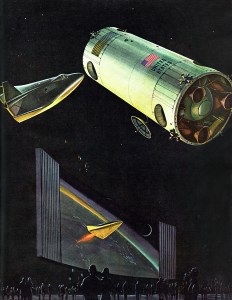
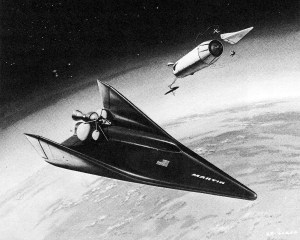
A spaceport and supply rocket designed by the Martin Marietta Corporation in mid-air in this scene from the Hall of Science space show. In such a port, astronauts may orbit for half a year.
New York World’s Fair 1964/1965
Official Souvenir Book
Time Life, 1964
Image credit: Martin Marietta
Image source: Numbers Station
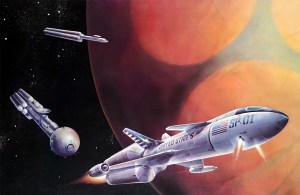
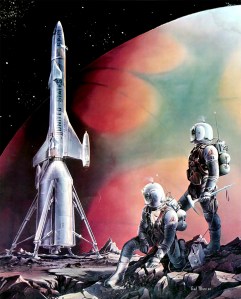
Image credit: Martin
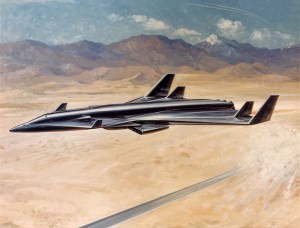
Image credit: Lockheed
Image source: AFMC
Orbiting Stations: Stopovers to Space Travel
Irwin Stambler
G.P. Putnam’s Sons, 1965
Image credit: Martin Marietta
Image source: Numbers Station
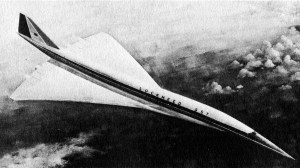
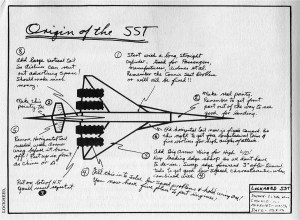
The SST: Here it comes, ready or not
by Don Dwiggins
Doubleday & Company, Inc., 1968
Image credit: Lockheed
Image source: Numbers Station
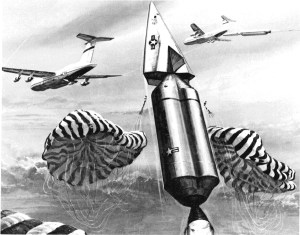
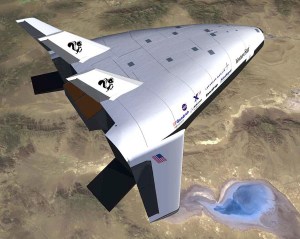
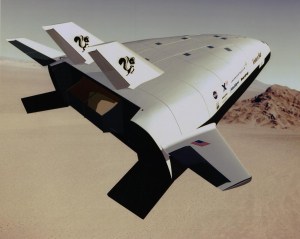
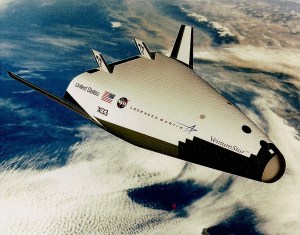
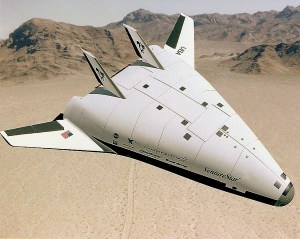
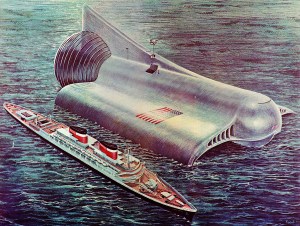
A Lockheed artist’s impression of a novel method of taking a unique and untried method of orbital delivery and making it even more unique and more untried. As my wife said to me in the giftshop of the Palm Springs Aerial Tramway, “Baby, I’ll take the car and see you up there!”
Image credit: Lockheed
Image source: AFMC
see also:
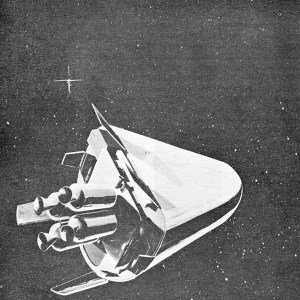
L. Apollo is pictured here by an artist of The Martin Co., one of three leading Space Age manufacturers awarded study contracts on project by NASA. Apollo was a god of Ancient Greece, son of Clymene and Titan. This is nicely appropriate, since Martin produces the mighty Titan intercontinental ballistic missile.
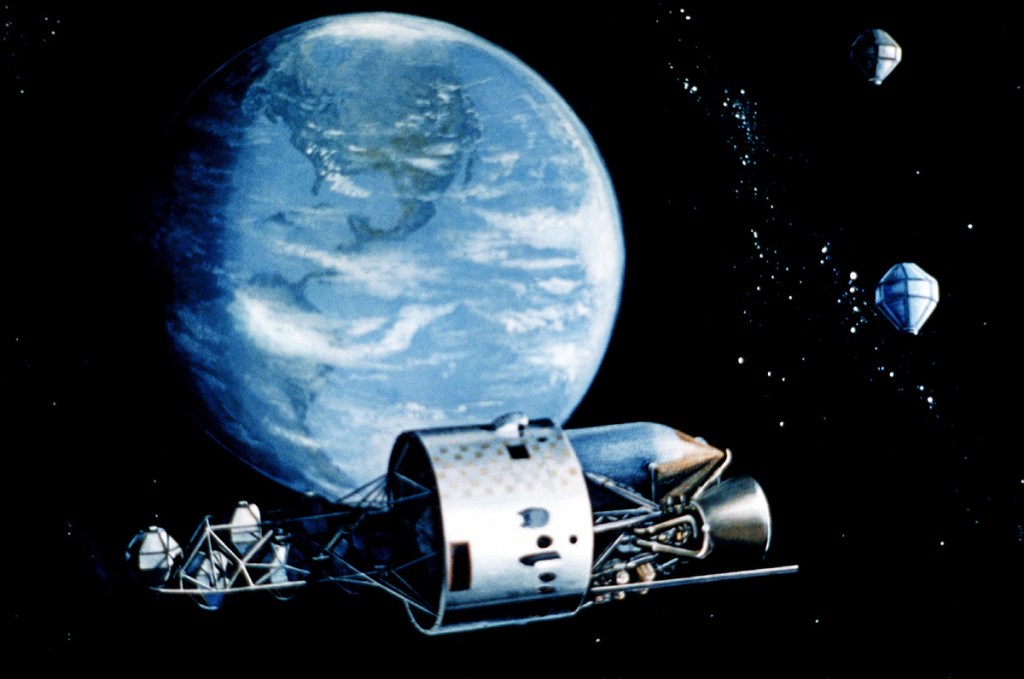
R. The Apollo lunar spacecraft planned to carry 3 crewmen on round trip between earth and the moon is shown above here enroute among the stars. Protruding fan-shapes are solar arrays to gather energy from sun for use aboard. Apollo was said to have been the triumphant participant in Olympic games. Homer called him the “god of prophecy.”
America’s Mightiest Missile
by Larry Eisinger
Arco Publishing, 1961
Image credit: NASA
Image source(s): Mike Acs, Numbers Station