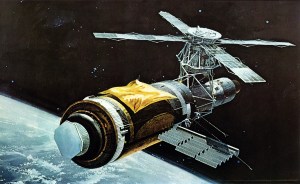
Our World in Space
Robert McCall & Isaac Asimov
New York Graphic Society, 1974
Image credit: NASA
Image source: Numbers Station
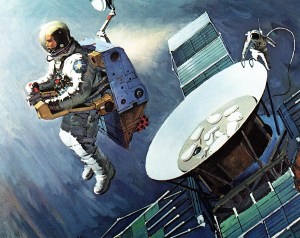
Our World in Space
Robert McCall & Isaac Asimov
New York Graphic Society, 1974
Image credit: NASA
Image source: Numbers Station
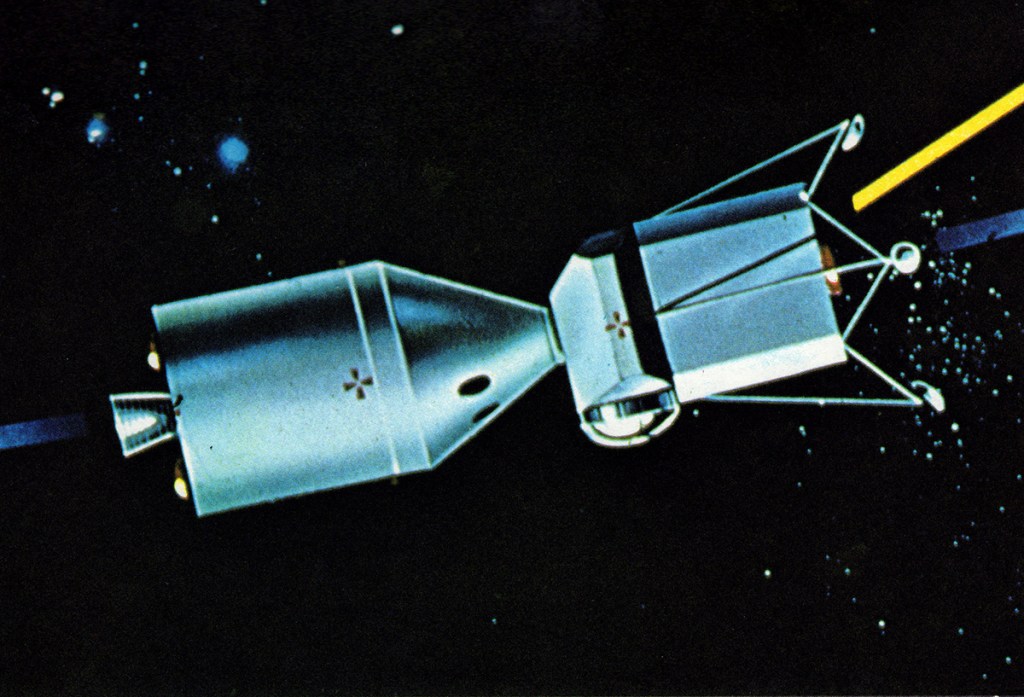

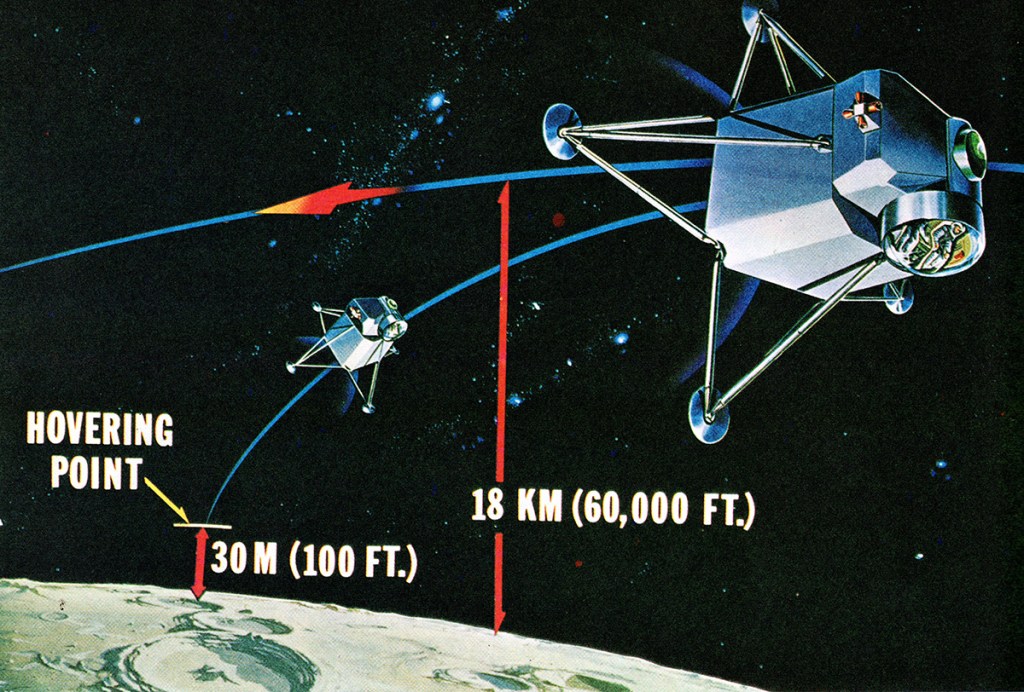
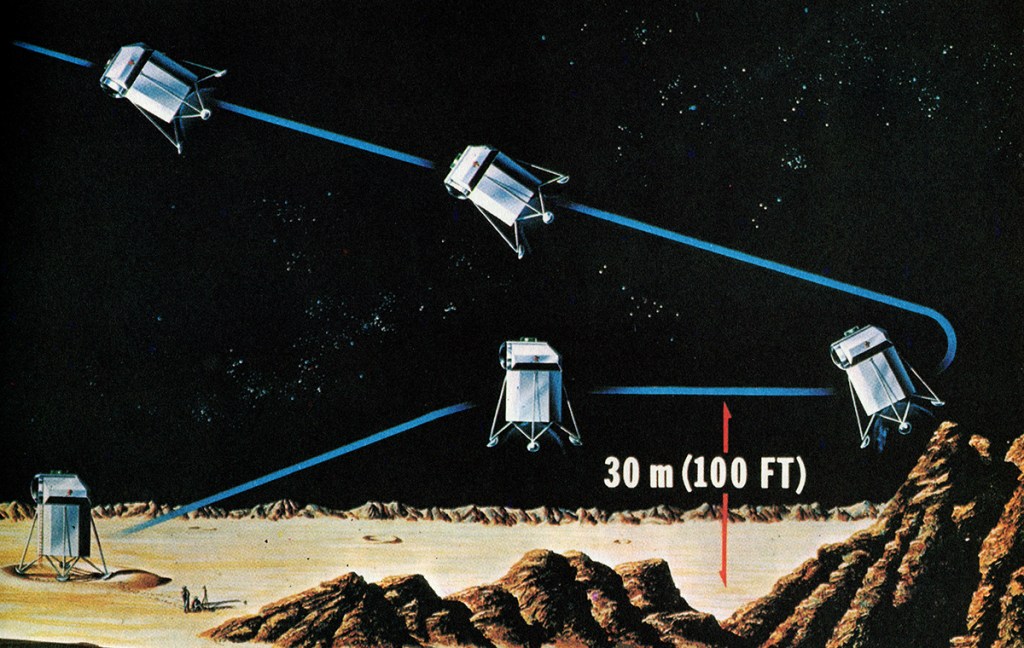
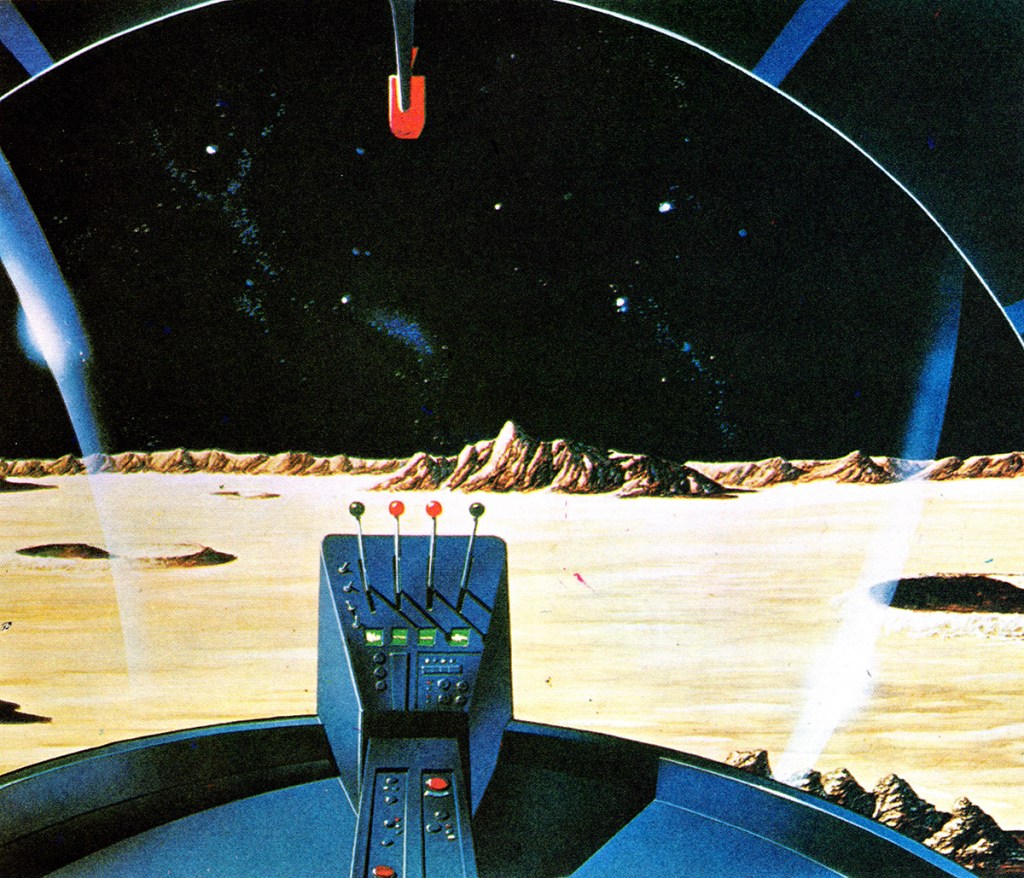
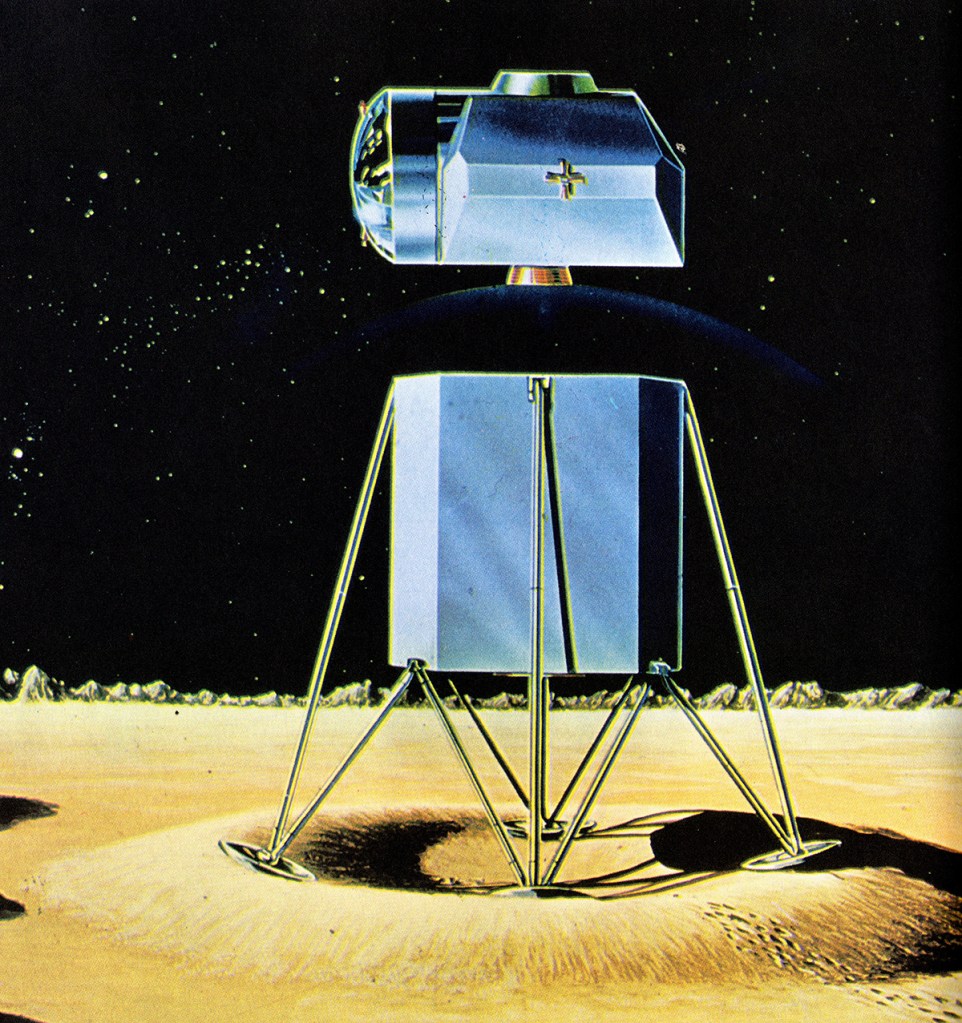
NASA artwork as it appeared in We Land On The Moon by John Raymond in 1963.
see also:
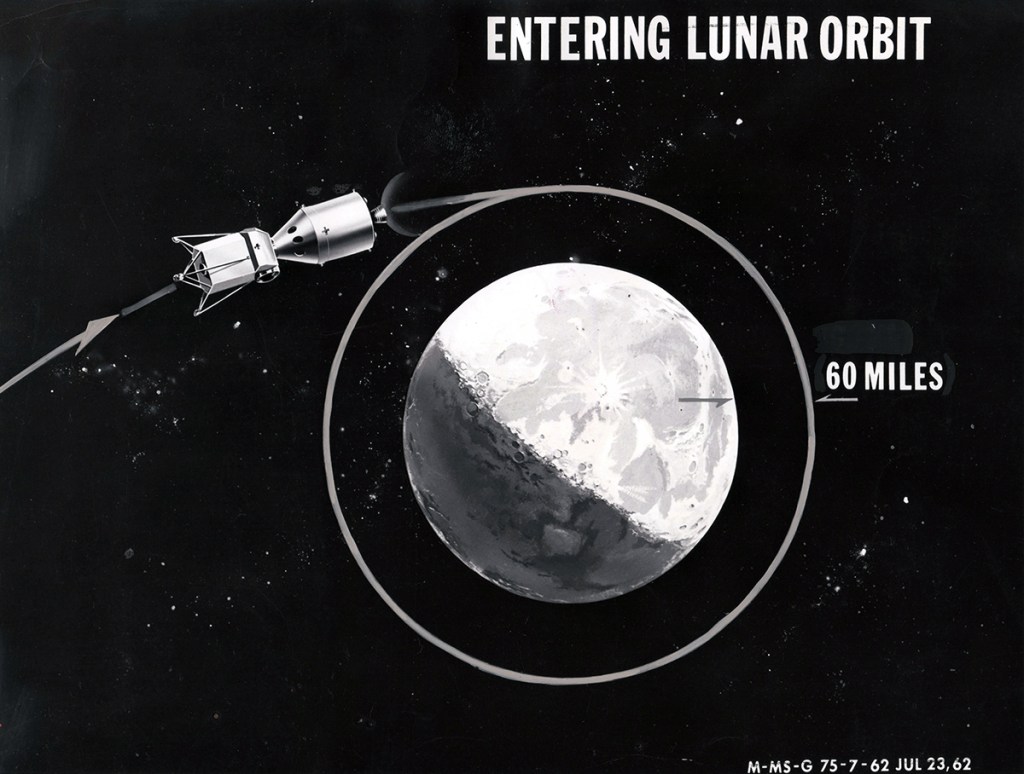
Beautiful scan of an original NASA issued lithograph.
and also:
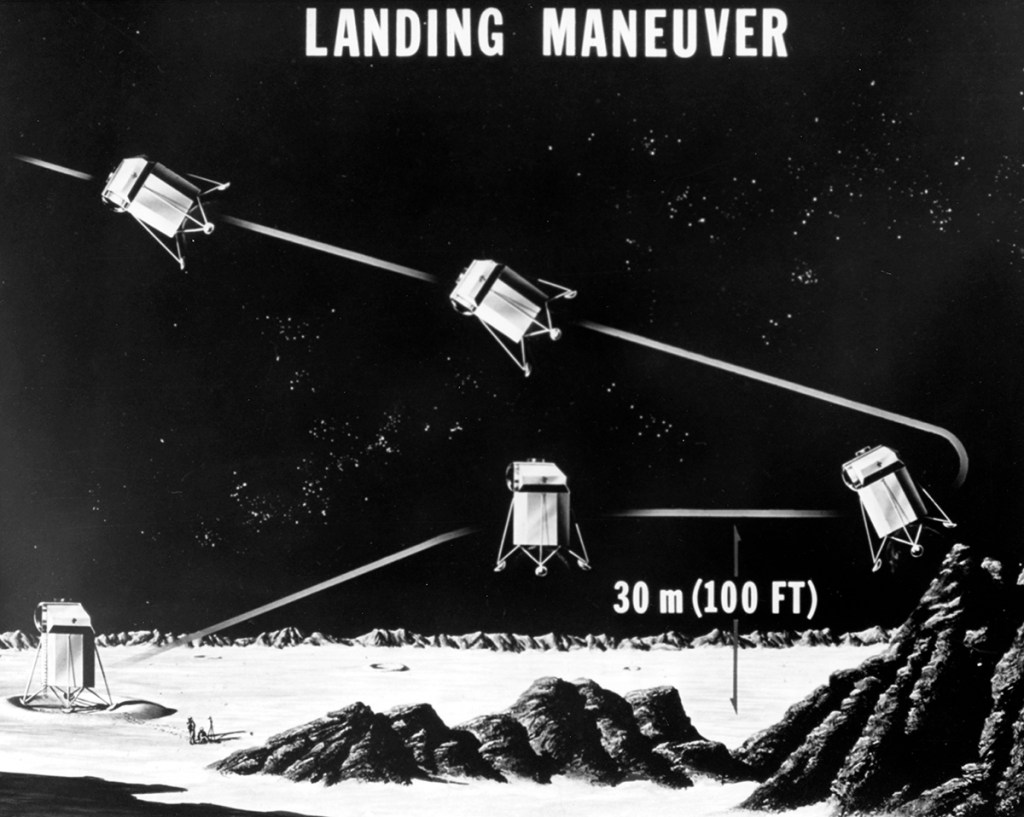
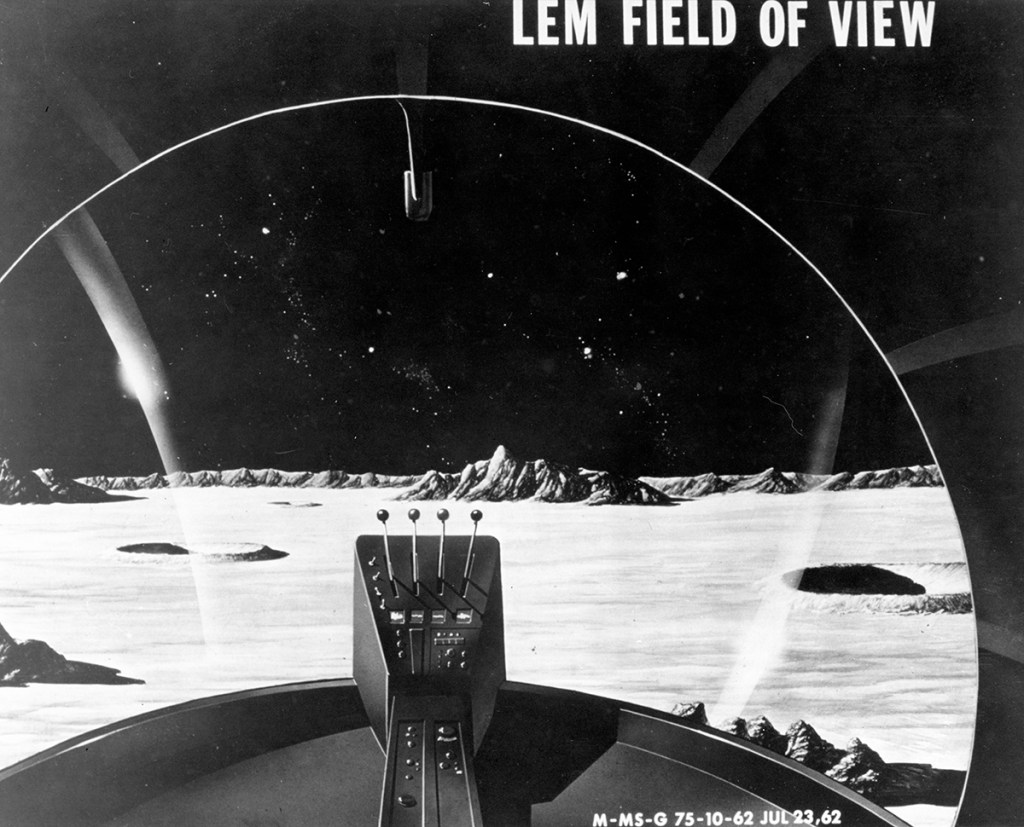
Image credit: NASA
Image source: Mike Acs, Drew Granston, Numbers Station
Image credit: NASA
Image source: Numbers Station
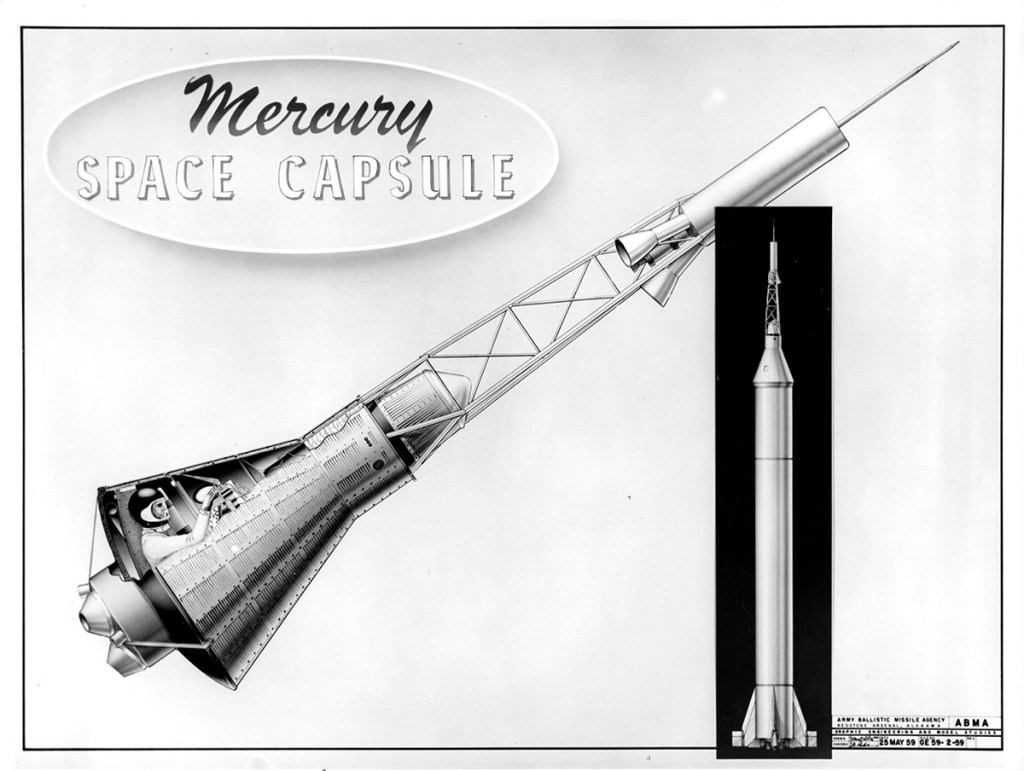
Image credit: ABMA
Image source: Numbers Station
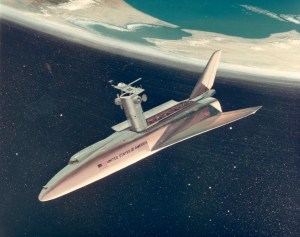
Image credit: North American Rockwell
Image source: Numbers Station
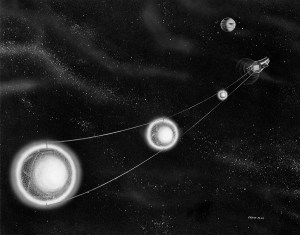
see also:
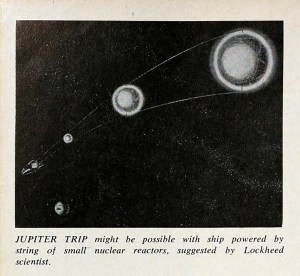
Missiles and Rockets, August 22, 1960
Image credit: Lockheed
Images: Numbers Station, Internet Archive

see also:
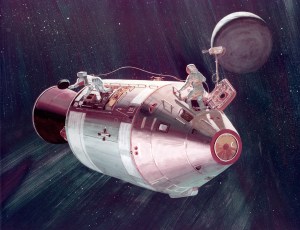
It took me a few, but the lower version is either an earlier or later version of the same painting. The figure representing James B. Irwin is a repaint. My guess is the image on NASA’s site is later, reworked to give the figure a slightly more dramatic pose. The painting is by a North American Rockwell artist.
Image credit: NASA JSC
Images: NASA Images, Numbers Station
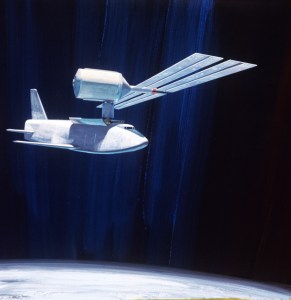
Image credit: North American Rockwell
Image source: Numbers Station
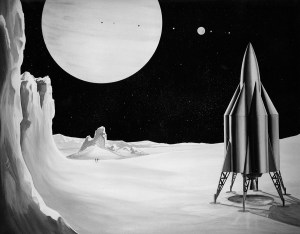
Jupiter Lunar Landing
From one of Jupiter’s 12 moons, earth astronauts gaze on this impressive, but bleak, view of the 86,900 mile-diameter planet. More than 316 times the mass of the Earth, Jupiter is seven times further from the sun than Earth; would require voyage of one to two months to reach at velocity of one million feet per second. Max Hunter, Douglas Aircraft Company engineer predicts economically feasible trips to Jupiter will be made through development of nuclear thrust spaceship engines.
Douglas Aircraft Company, Inc. General Offices, Santa Monica, Calif.
Image credit: Douglas Aircraft Company
Image source: Numbers Station
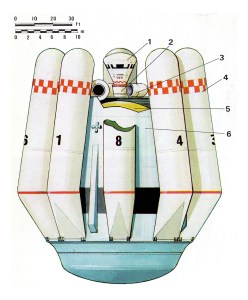
ROMBUS
Configuration for a manned Mars mission (Project Deimos).
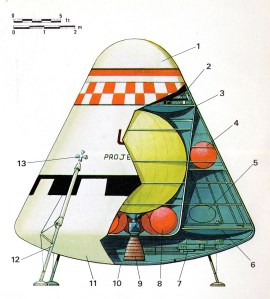
Project Deimos – Mars Landing Module
Frontiers of Space
Philip Bono & Kenneth Gatland
Macmillan, 1969
Image credit: Douglas
Image source: Numbers Station
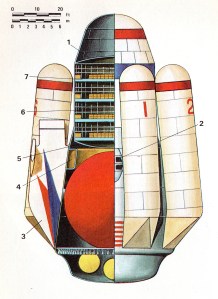
Pegasus Intercontinental Passenger Rocket
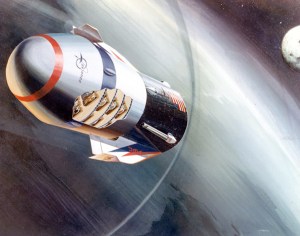
Pegasus during atmospheric re-entry uses the LH2-cooled plug nozzle as a heat shield. The ballistic transport would convey 172 passengers and freight 7,456 miles (12,000 km.) in 39 min. without exceeding an acceleration of 3g during ascent or re-entry. At the arrival spaceport it would hover on rocket thrust during a soft landing in the vertical attitude.

Pegasus Passenger Compartment
Frontiers of Space
Philip Bono & Kenneth Gatland
Macmillan, 1969
Image credit: Douglas / Blandford Press
Images: Numbers Station, SDASM Archives
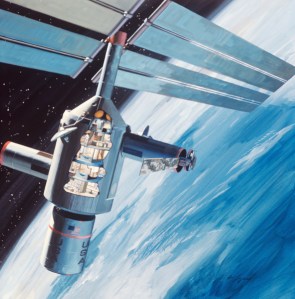
Image credit: North American Rockwell
Image source: Numbers Station
