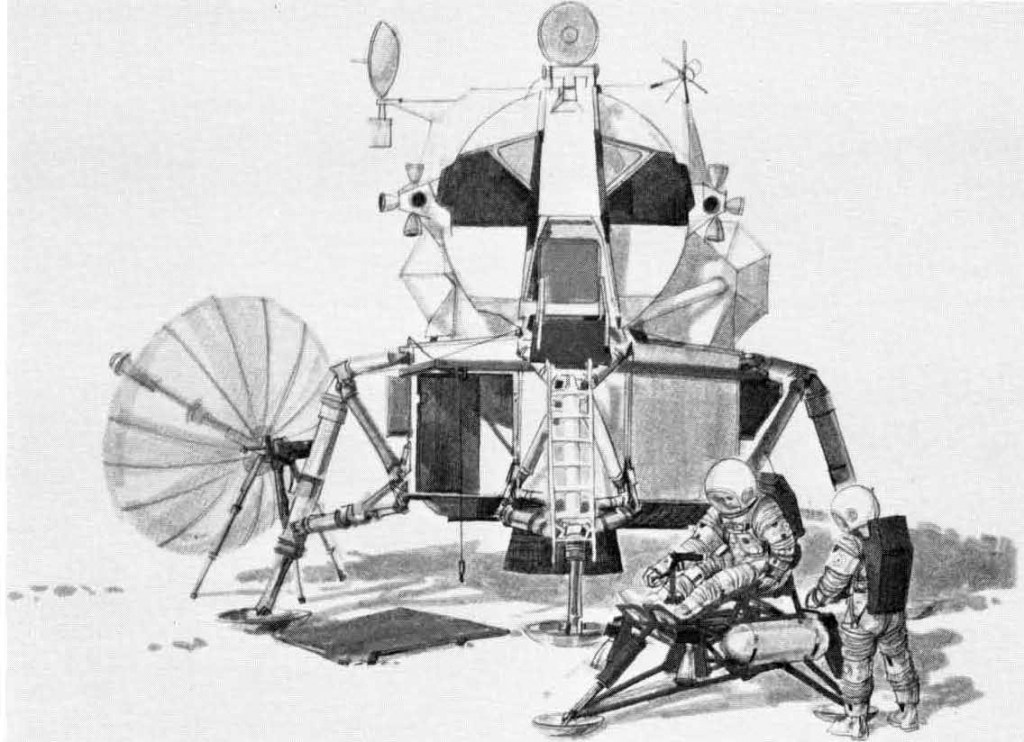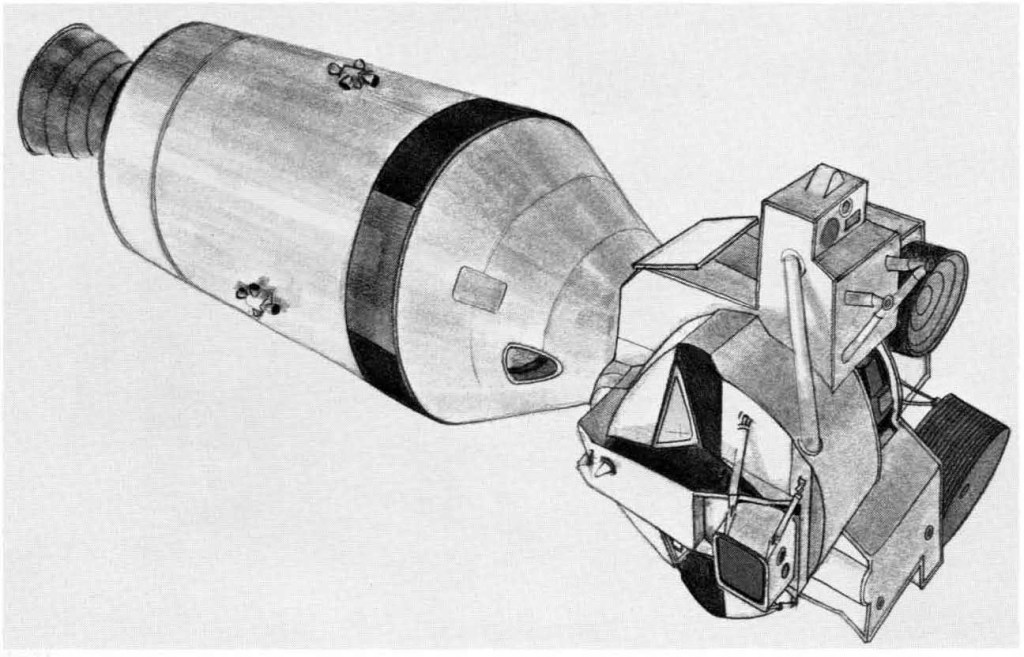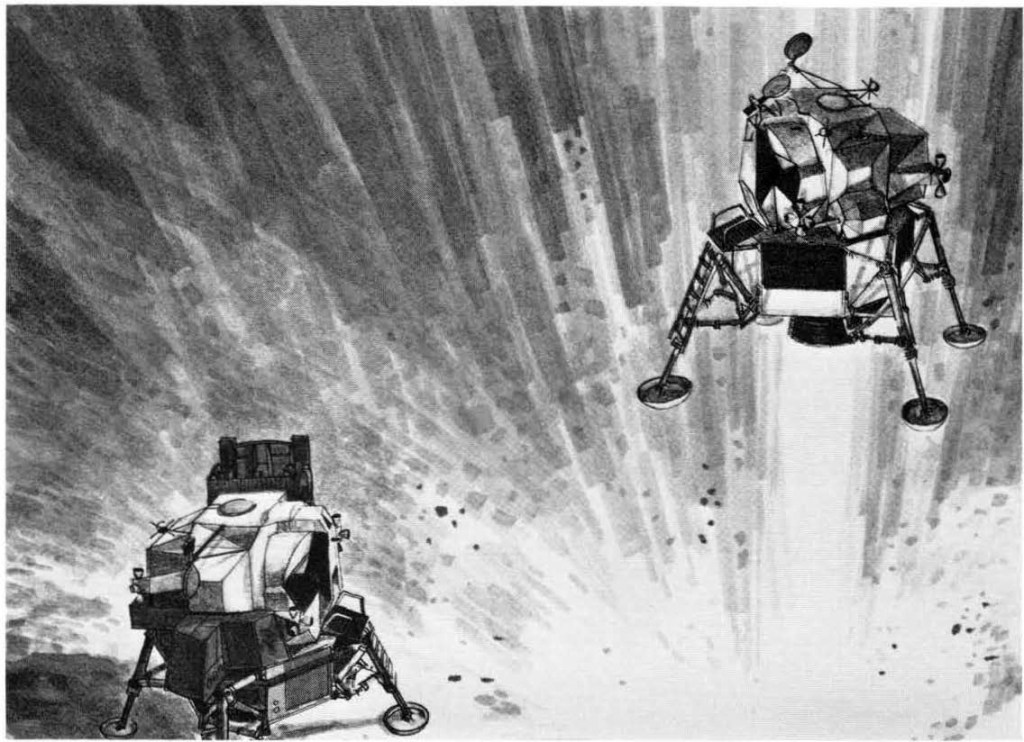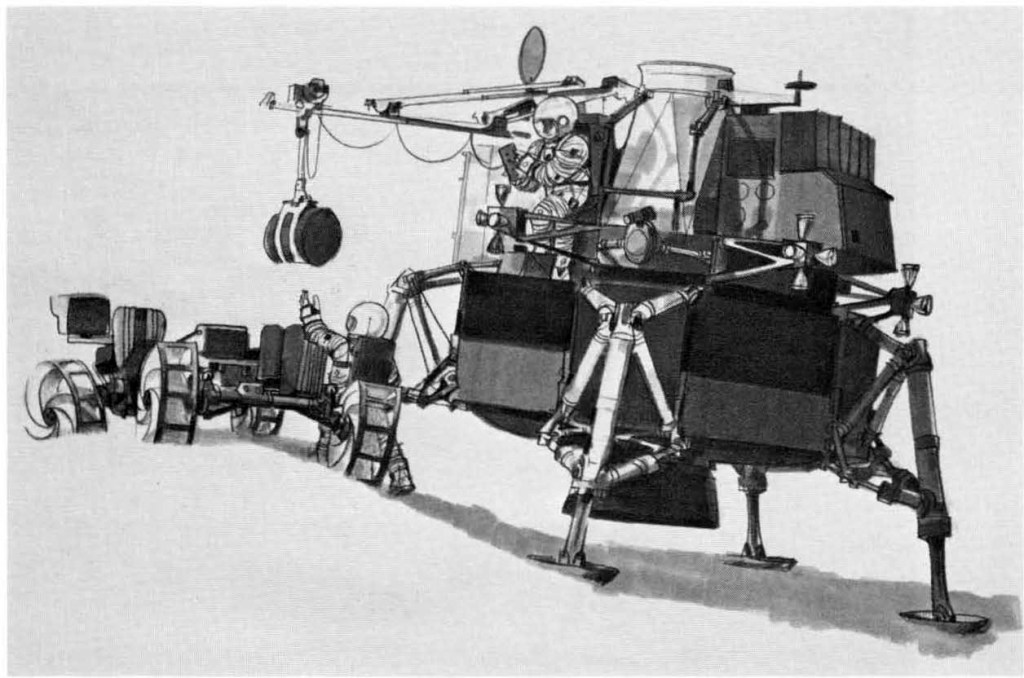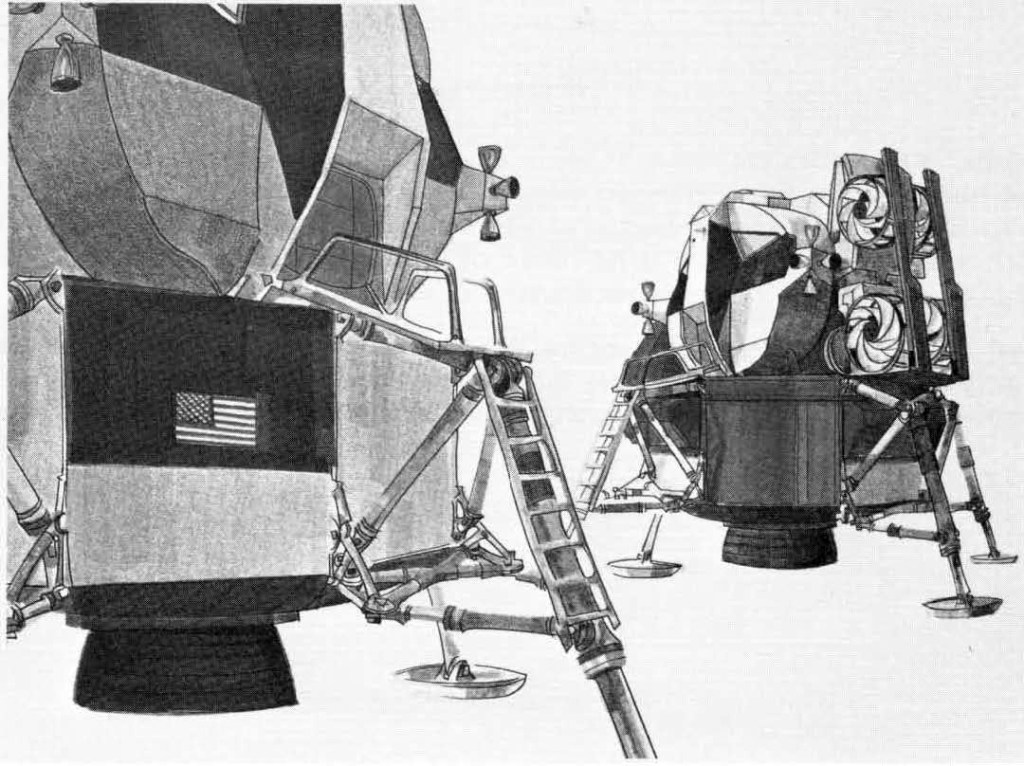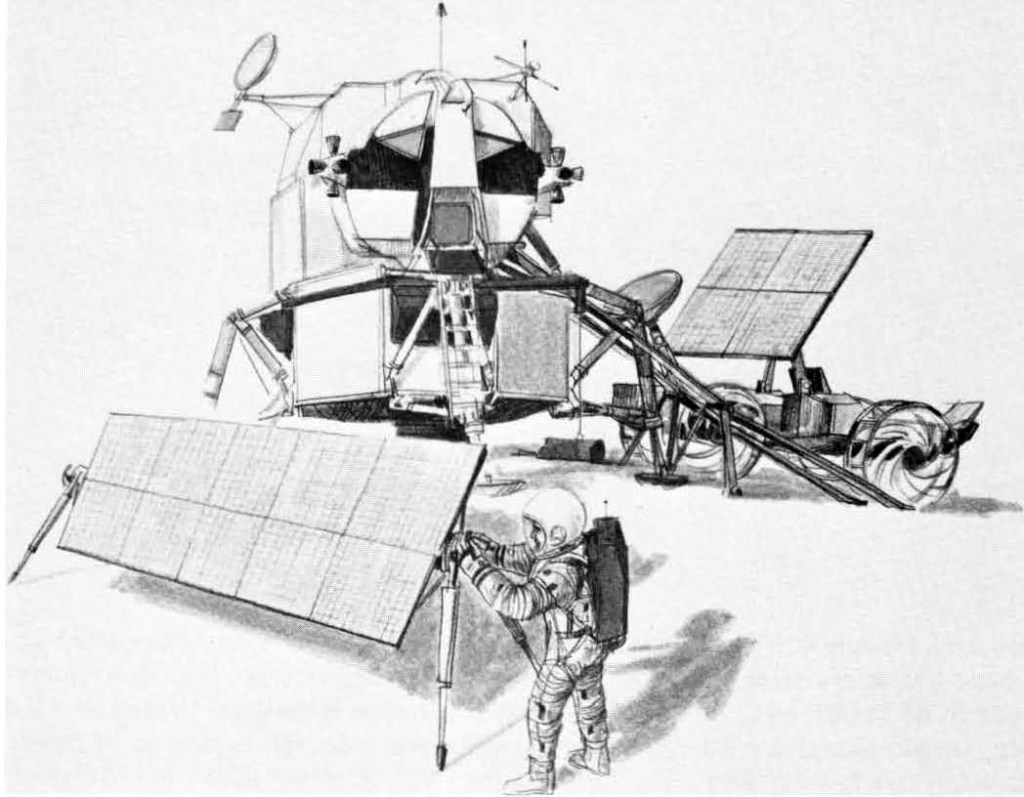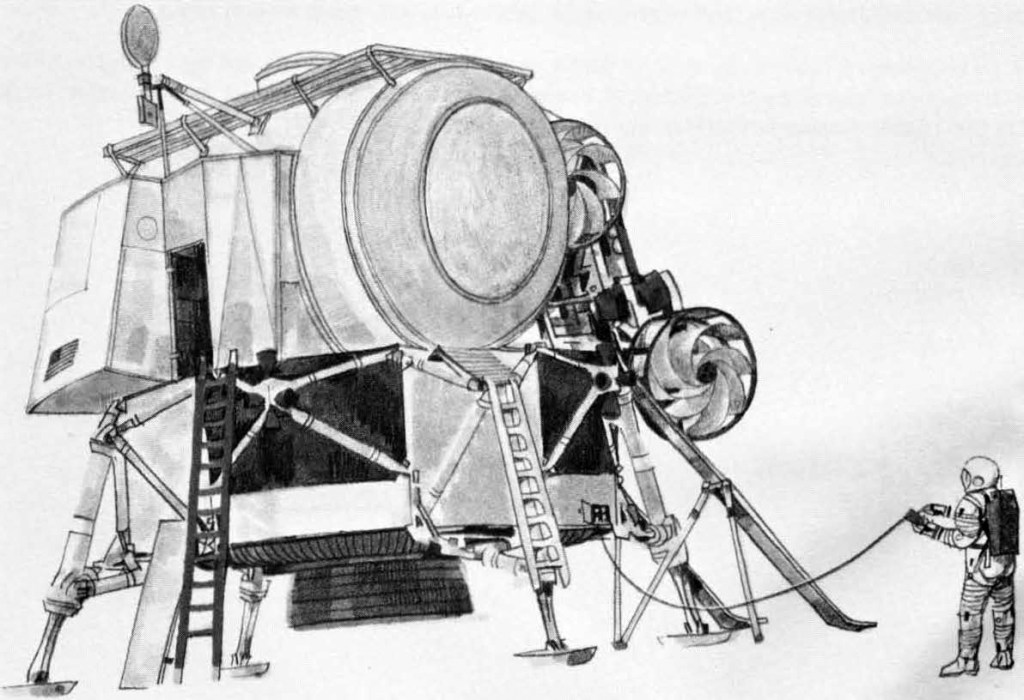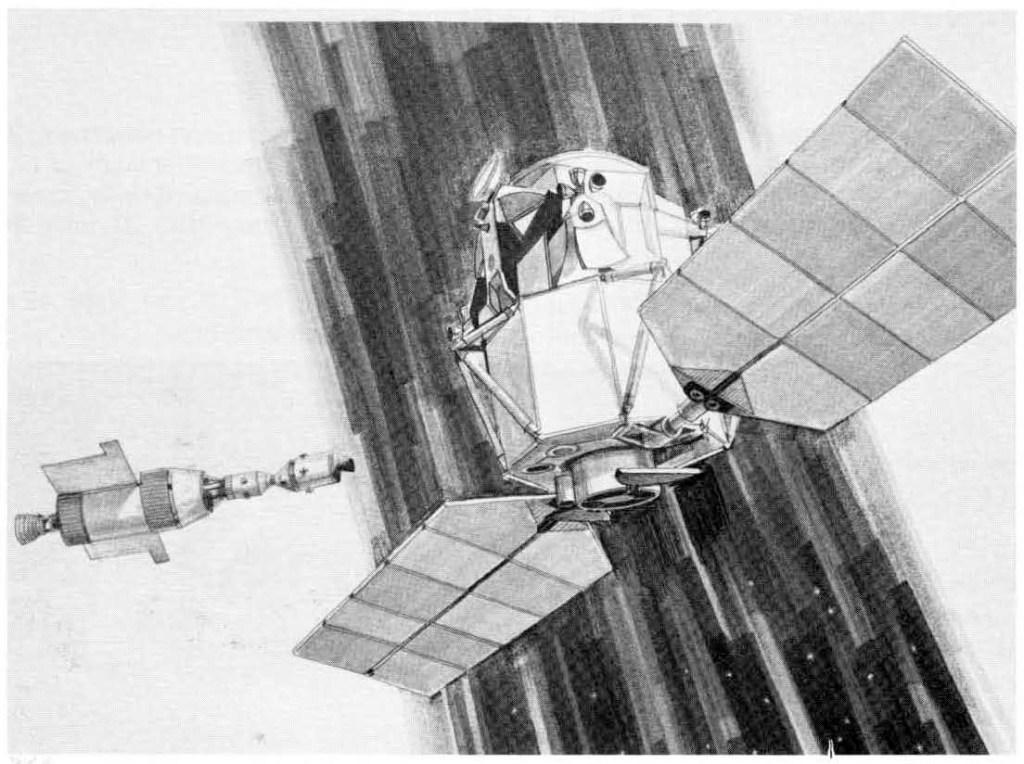
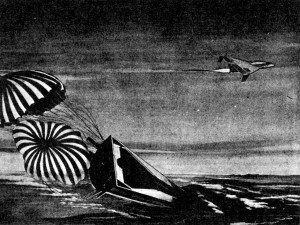
The pod descends on parachutes and the crew flies to it’s preselected landing site.
Space World
April 1965, VOL. B-4.18
Image credit: TRW
Image source: Numbers Station
The pod descends on parachutes and the crew flies to it’s preselected landing site.
Space World
April 1965, VOL. B-4.18
Image credit: TRW
Image source: Numbers Station
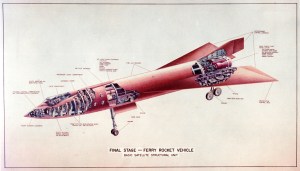
Image credit: Goodyear Aerospace
Image source: AFMC
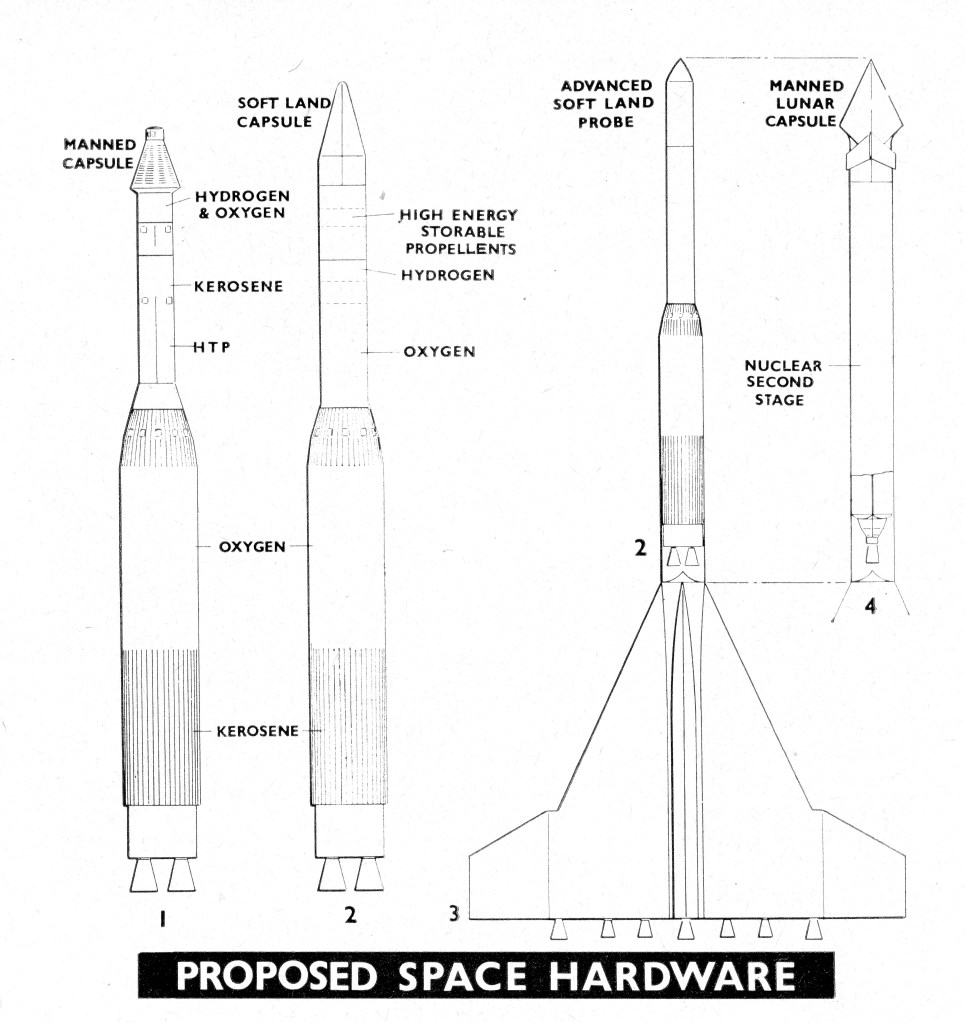
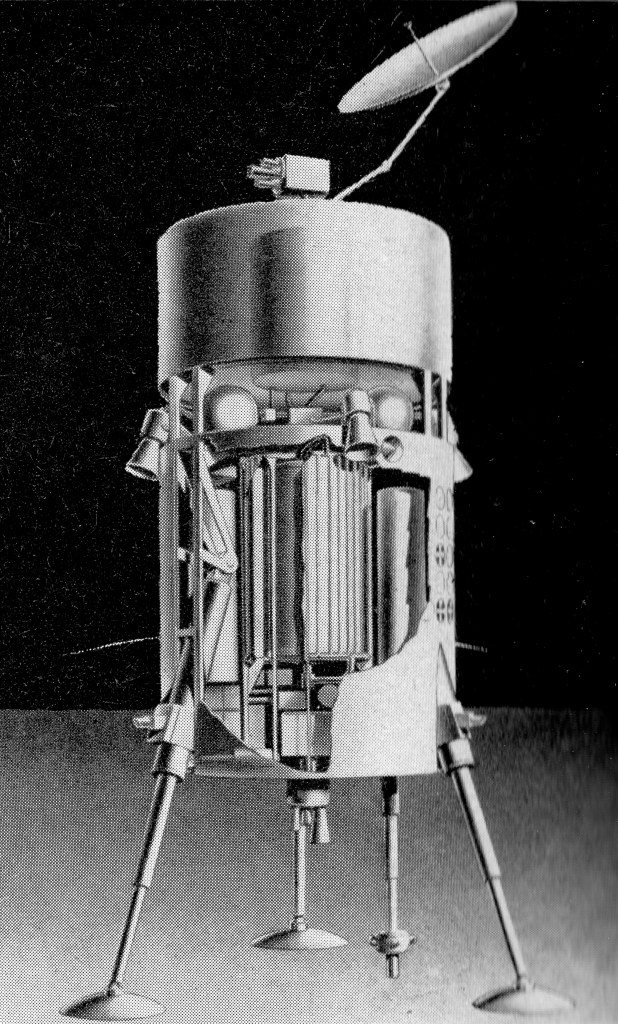
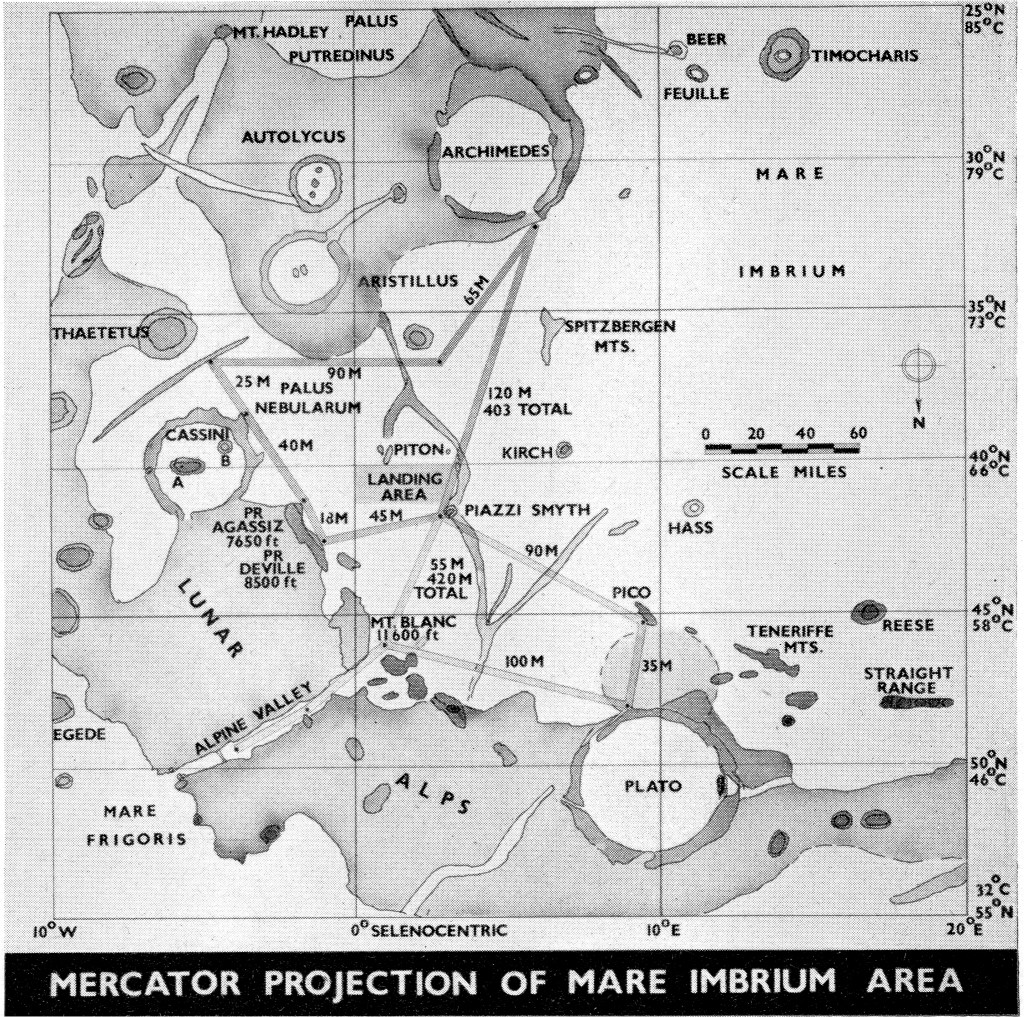
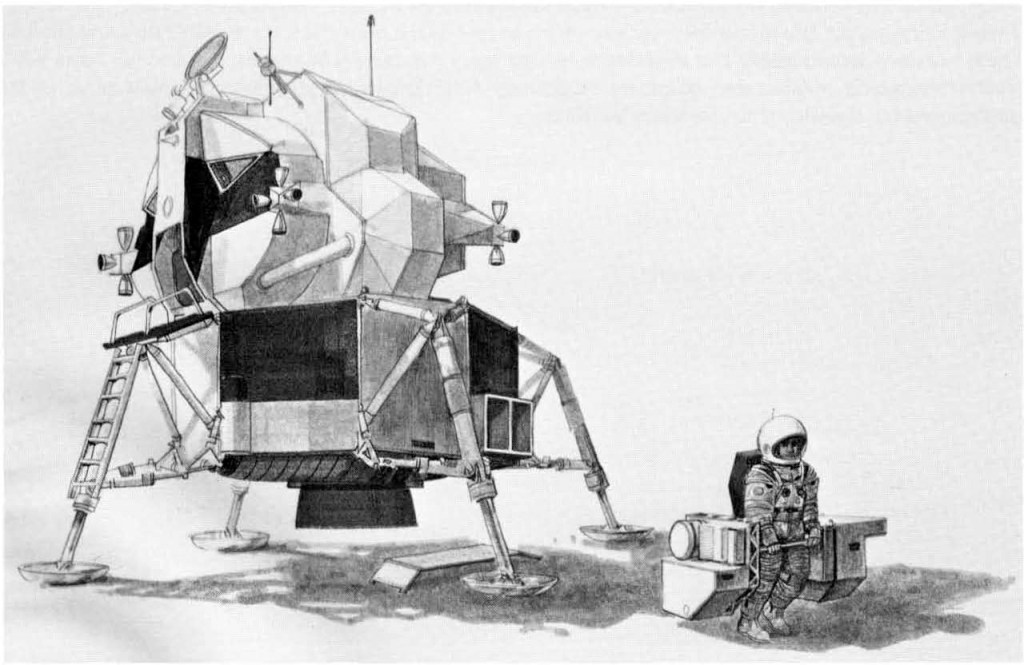
A landing area in the south-western corner of the great Mare Imbrium is suggested for the first expedition because of the wealth of interesting places to explore in that vicinity, the reasonable surface temperature and a surface less rough than that of the southern hemisphere.
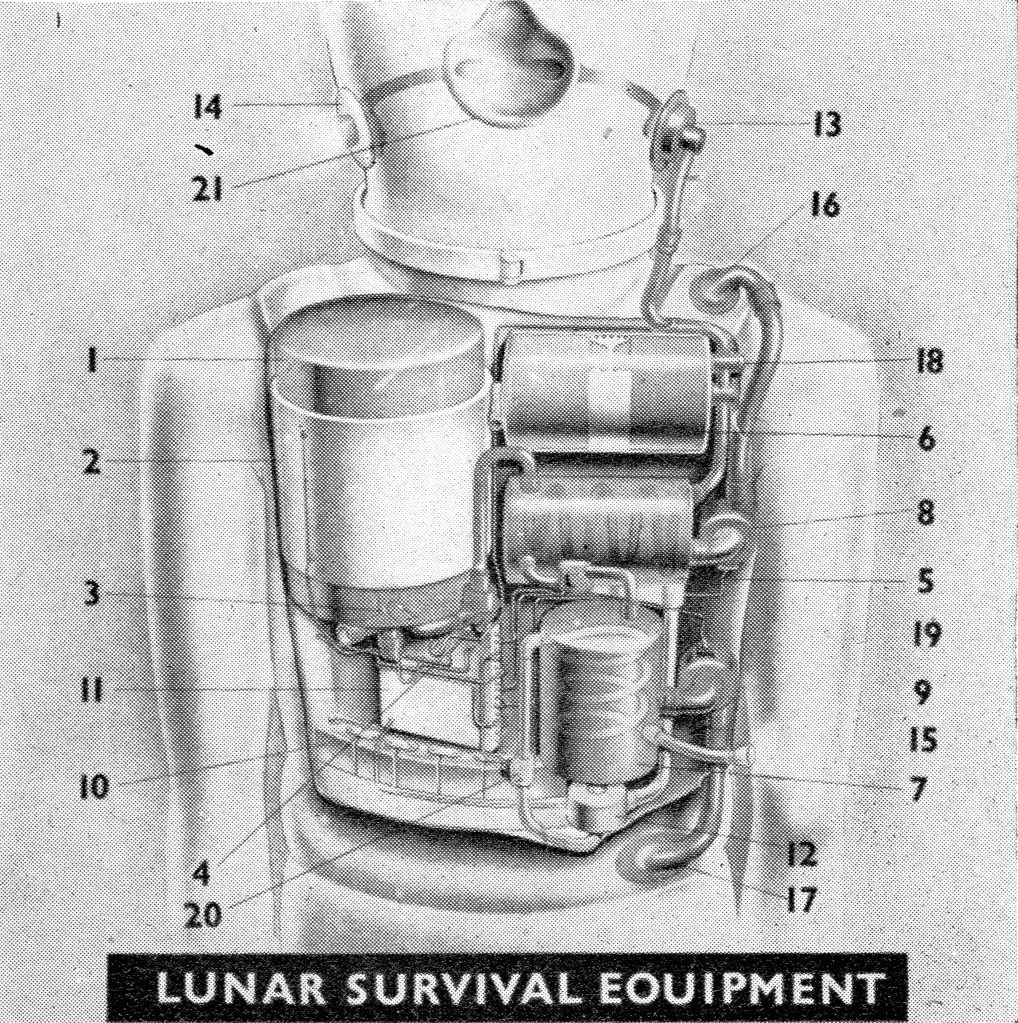
Back-Pack suggested for use by Moon explorers. Main items include an oxygen container (1) heated by an electric jacket (2), a battery pack (10), a perspiration trap (12) and a ventilation system for the space suit, with coolant gas entry and exit at 16 and 17.
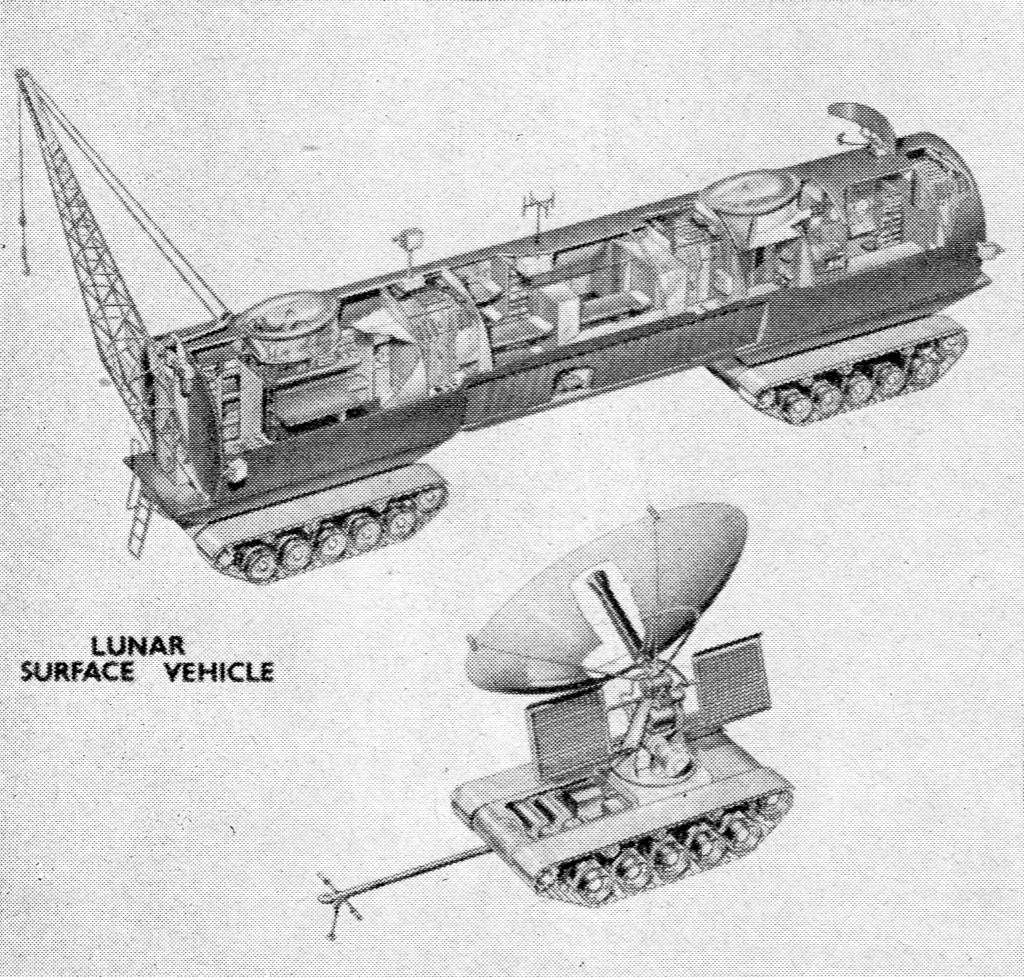
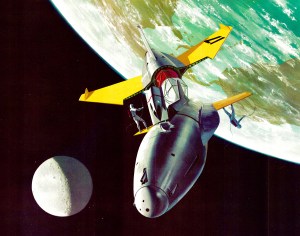
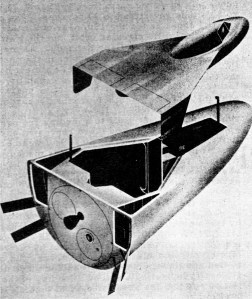
The whole party would return to Earth in the capsules used to land on the Moon. These would employ a similar re-entry technique to that used by the Dyna-Soar winged orbital vehicle.
Eagle Book of Rockets and Space
by John W.R. Taylor and Maurice Allward
Longacre Press, 1961
Image credit: Hawker Siddeley
Image source: Numbers Station
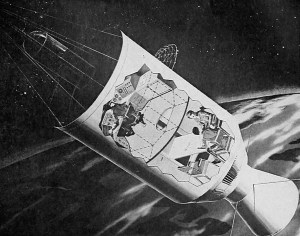
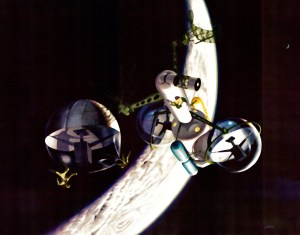
GENERAL DYNAMICS / ASTRONAUTICS artist’s conception of a three-man Manned Astronautical Research Station (MARS) in operation 200 miles above earth. The station in orbit would be linked to a spent Centaur vehicle. The two bodies would rotate about each other, the resulting centrifugal force providing the necessary artificial gravity.
Missiles and Rockets, Feb 10, 1964
Image credit: General Dynamics
Image source: Internet Archive
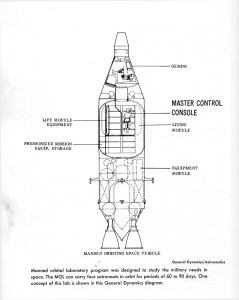
Orbiting Stations: Stopovers to Space Travel
Irwin Stambler
G.P. Putnam’s Sons, 1965
Image credit: McDonnell
Image source: Numbers Station
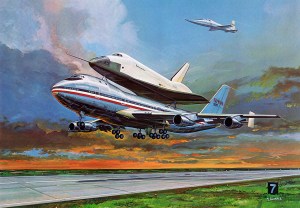
Image credit: NASA
Image source: Numbers Station
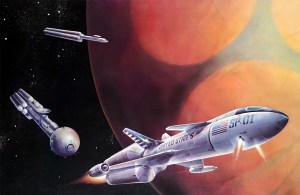
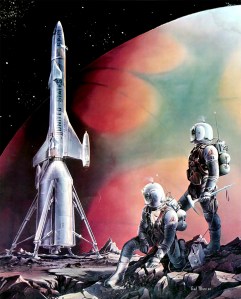
Image credit: Martin
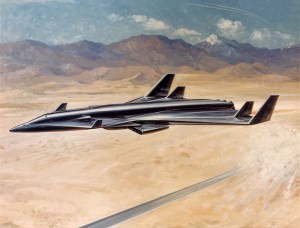
Image credit: Lockheed
Image source: AFMC
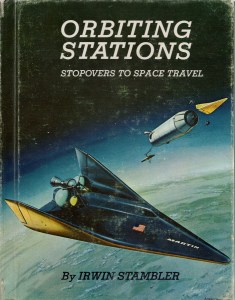
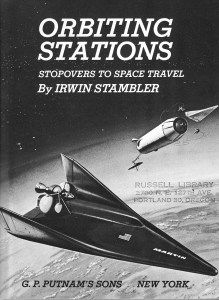
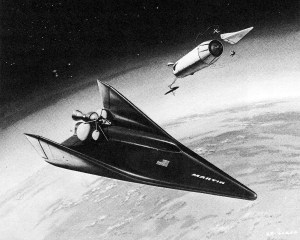
Orbiting Stations: Stopovers to Space Travel
Irwin Stambler
G.P. Putnam’s Sons, 1965
Image credit: Martin Marietta
Image source: Numbers Station
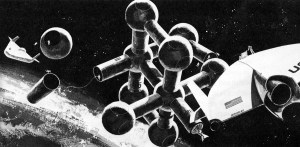
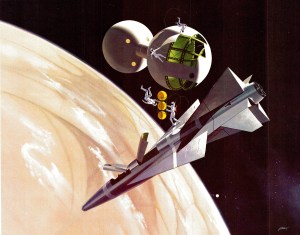
Huge space ferries are used by astronauts to perform the final assembly of the huge Spaceball orbiting station.
Orbiting Stations: Stopovers to Space Travel
Irwin Stambler
G.P. Putnam’s Sons, 1965
Image credit: Douglas
Image source: Numbers Station